Desai Mihir, Giacalone Joe
1Southwest Research Institute, 6220 Culebra Road, San Antonio, TX 78238 USA.
2Department of Planetary Sciences, University of Arizona, Tucson, AZ 85721 USA.
Living Rev Sol Phys. 2016;13(1):3. doi: 10.1007/s41116-016-0002-5. Epub 2016 Sep 7.
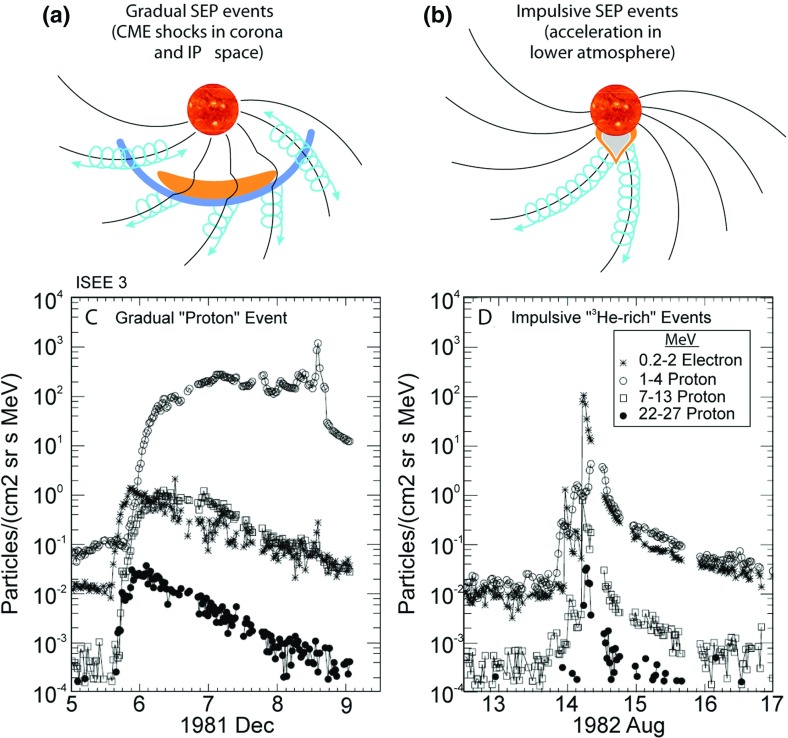
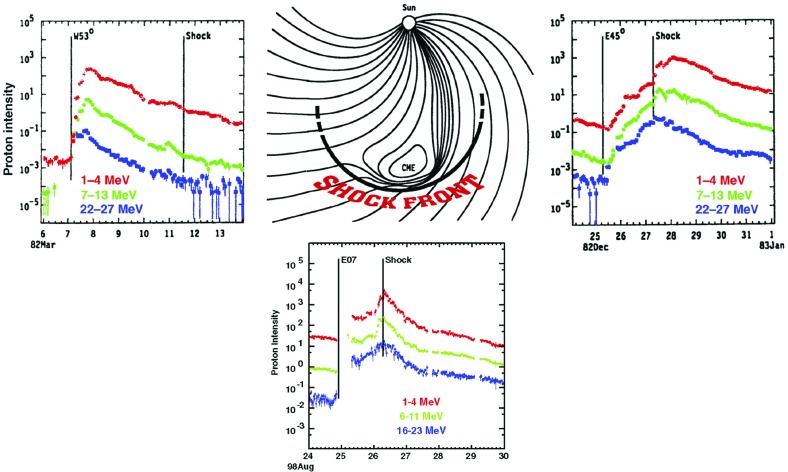
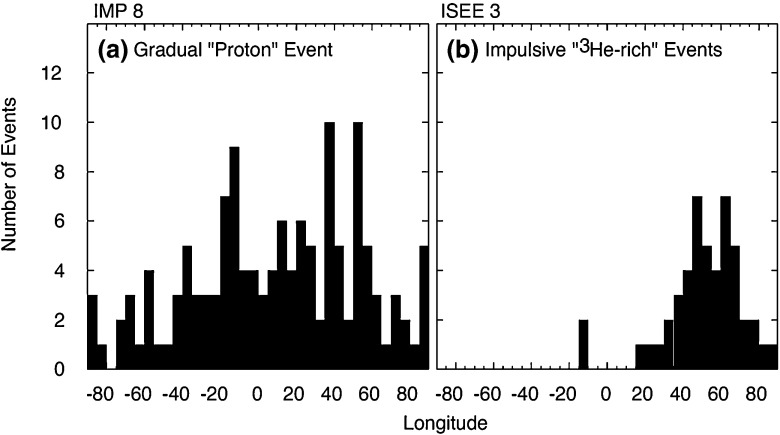
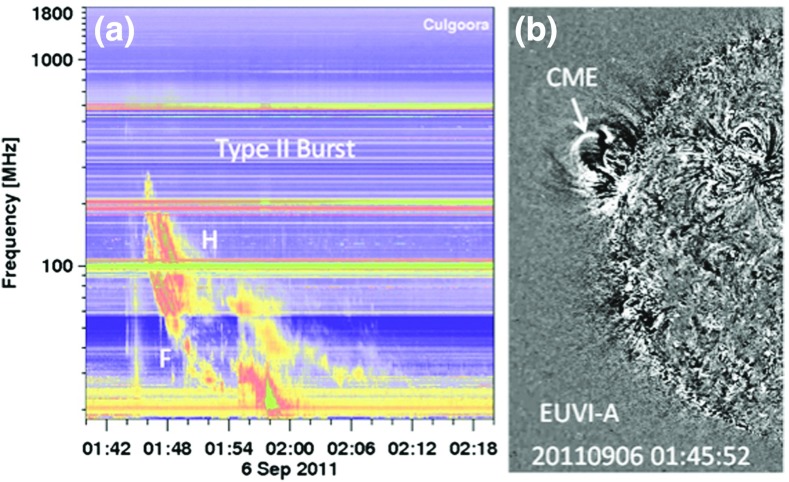
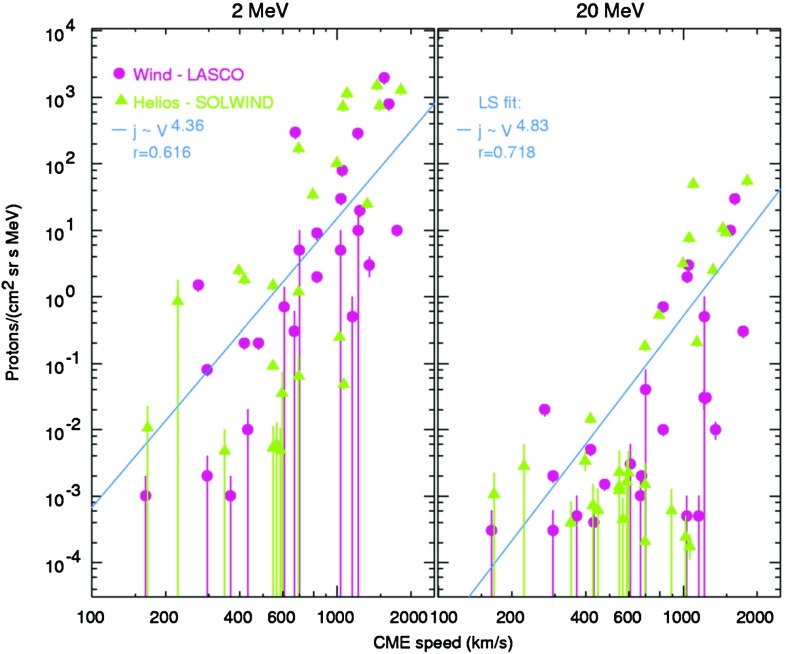
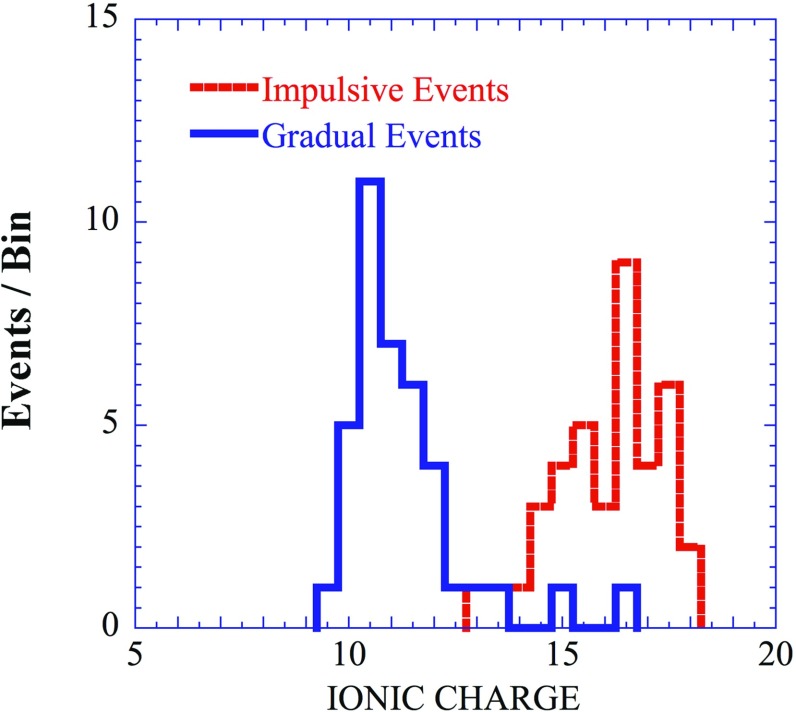
Solar energetic particles, or SEPs, from suprathermal (few keV) up to relativistic ( few GeV) energies are accelerated near the Sun in at least two ways: (1) by magnetic reconnection-driven processes during solar flares resulting in impulsive SEPs, and (2) at fast coronal-mass-ejection-driven shock waves that produce large gradual SEP events. Large gradual SEP events are of particular interest because the accompanying high-energy ( s MeV) protons pose serious radiation threats to human explorers living and working beyond low-Earth orbit and to technological assets such as communications and scientific satellites in space. However, a complete understanding of these large SEP events has eluded us primarily because their properties, as observed in Earth orbit, are smeared due to mixing and contributions from many important physical effects. This paper provides a comprehensive review of the current state of knowledge of these important phenomena, and summarizes some of the key questions that will be addressed by two upcoming missions-NASA's Solar Probe Plus and ESA's Solar Orbiter. Both of these missions are designed to directly and repeatedly sample the near-Sun environments where interplanetary scattering and transport effects are significantly reduced, allowing us to discriminate between different acceleration sites and mechanisms and to isolate the contributions of numerous physical processes occurring during large SEP events.
太阳高能粒子,即SEP,能量范围从超热(几keV)到相对论性(几GeV),在太阳附近至少通过两种方式被加速:(1)在太阳耀斑期间由磁重联驱动的过程导致脉冲式SEP,以及(2)在快速日冕物质抛射驱动的激波处产生大的缓变式SEP事件。大的缓变式SEP事件特别令人关注,因为伴随的高能(数MeV)质子对生活和工作在低地球轨道之外的人类探索者以及对诸如太空中的通信和科学卫星等技术资产构成严重的辐射威胁。然而,我们主要由于在地球轨道上观测到的这些大SEP事件的性质因许多重要物理效应的混合和贡献而被模糊,所以尚未完全理解它们。本文全面回顾了这些重要现象的当前知识状态,并总结了即将开展的两项任务——美国国家航空航天局(NASA)的“帕克太阳探测器”(Solar Probe Plus)和欧洲航天局(ESA)的“太阳轨道器”(Solar Orbiter)将要解决的一些关键问题。这两项任务都旨在直接且反复地对近太阳环境进行采样,在那里行星际散射和传输效应会显著降低,这使我们能够区分不同的加速位置和机制,并分离出在大SEP事件期间发生的众多物理过程的贡献。