Chen Long, Zhong Li
Bioengineering Institute of Chongqing University, 174 Shazheng Street, Chongqing, China.
Genes Dis. 2020 Dec;7(4):542-550. doi: 10.1016/j.gendis.2020.04.002. Epub 2020 Apr 14.
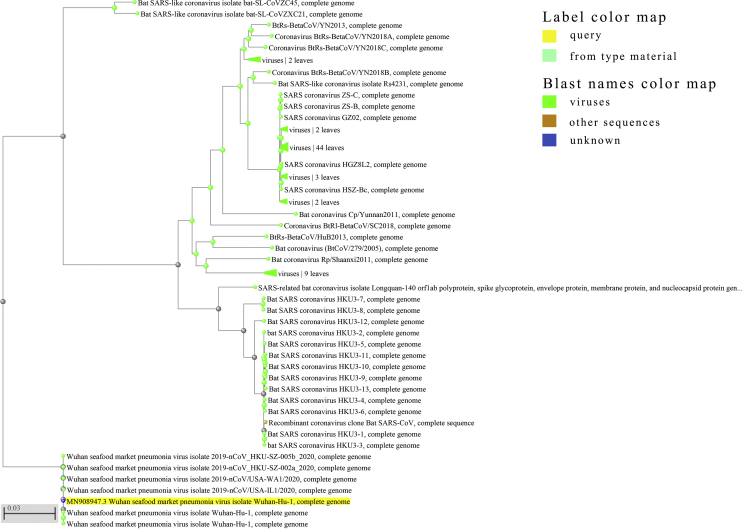
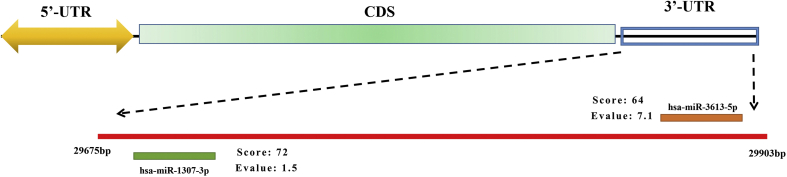
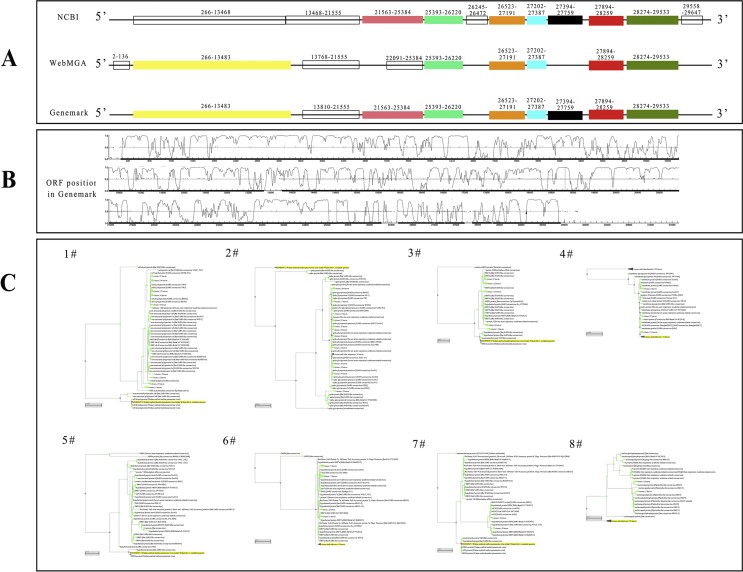
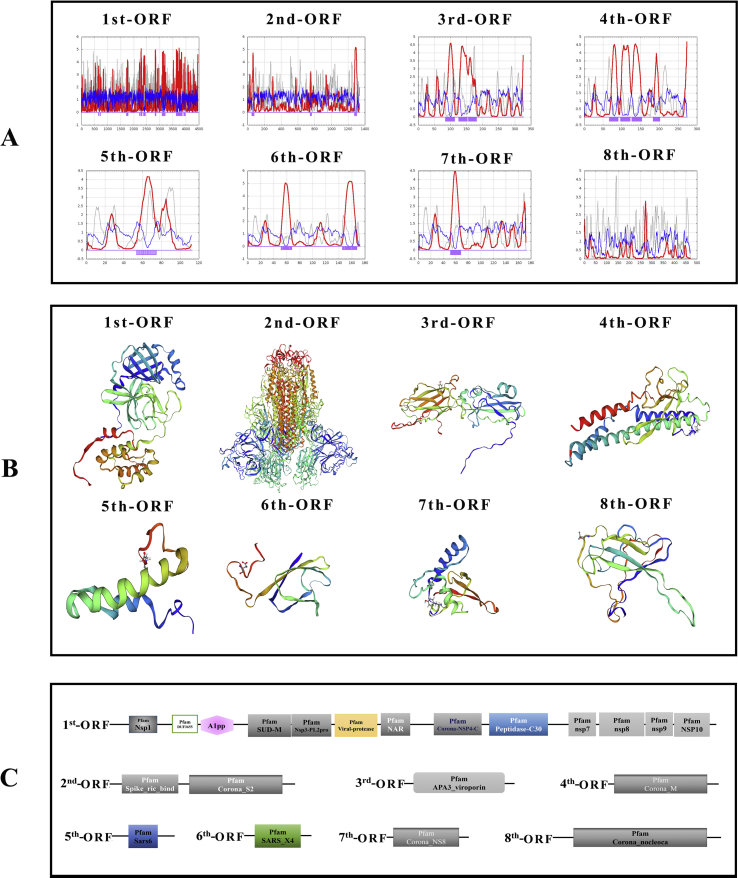
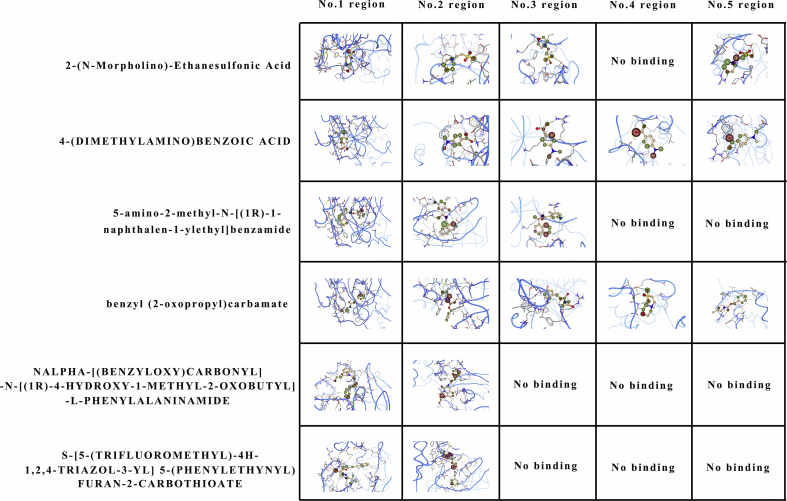
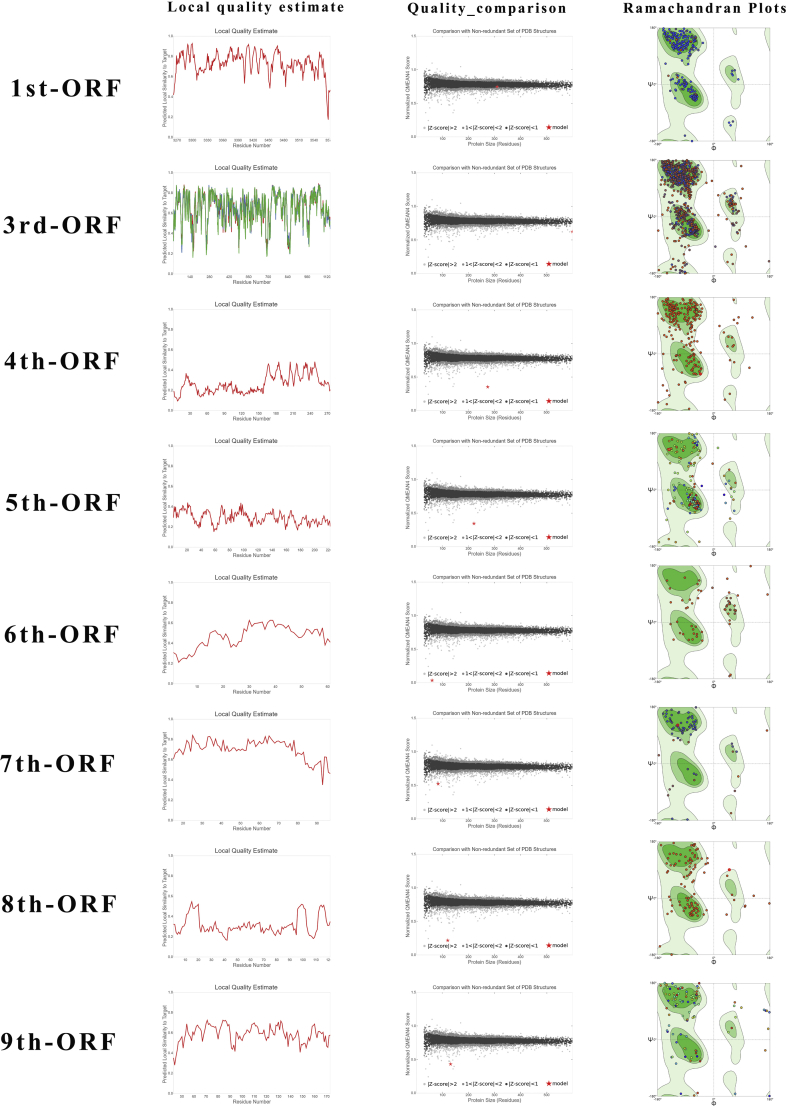
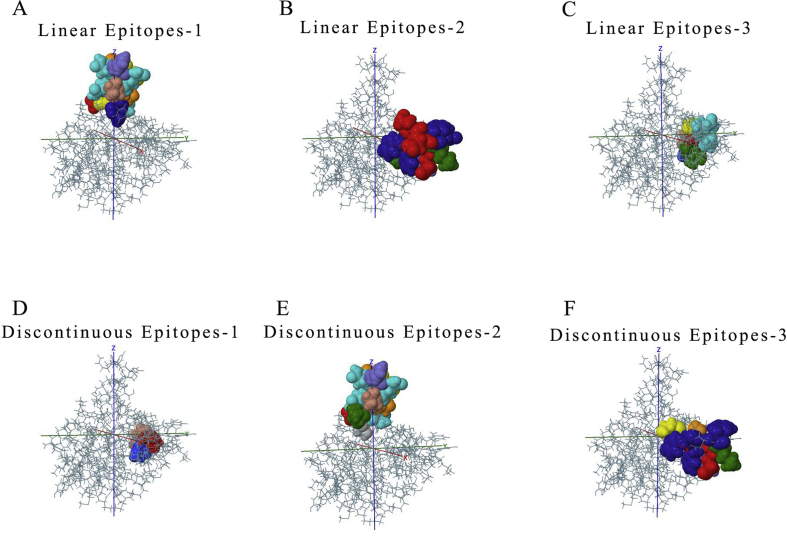
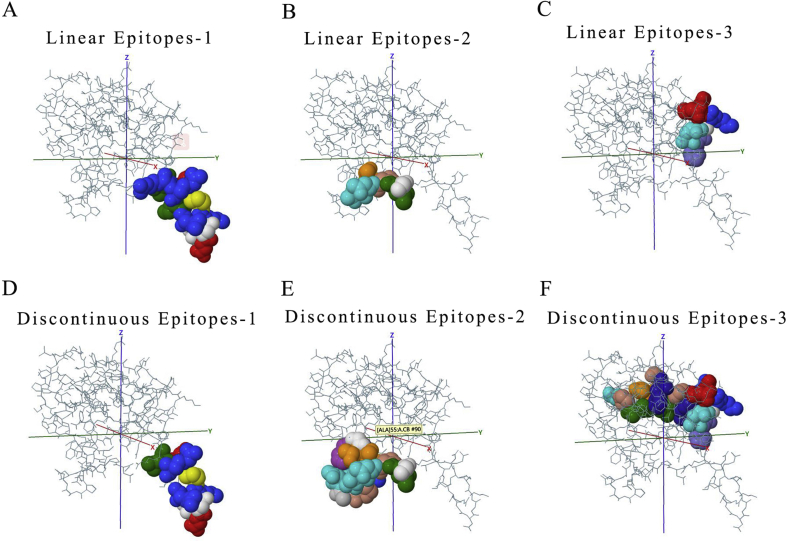
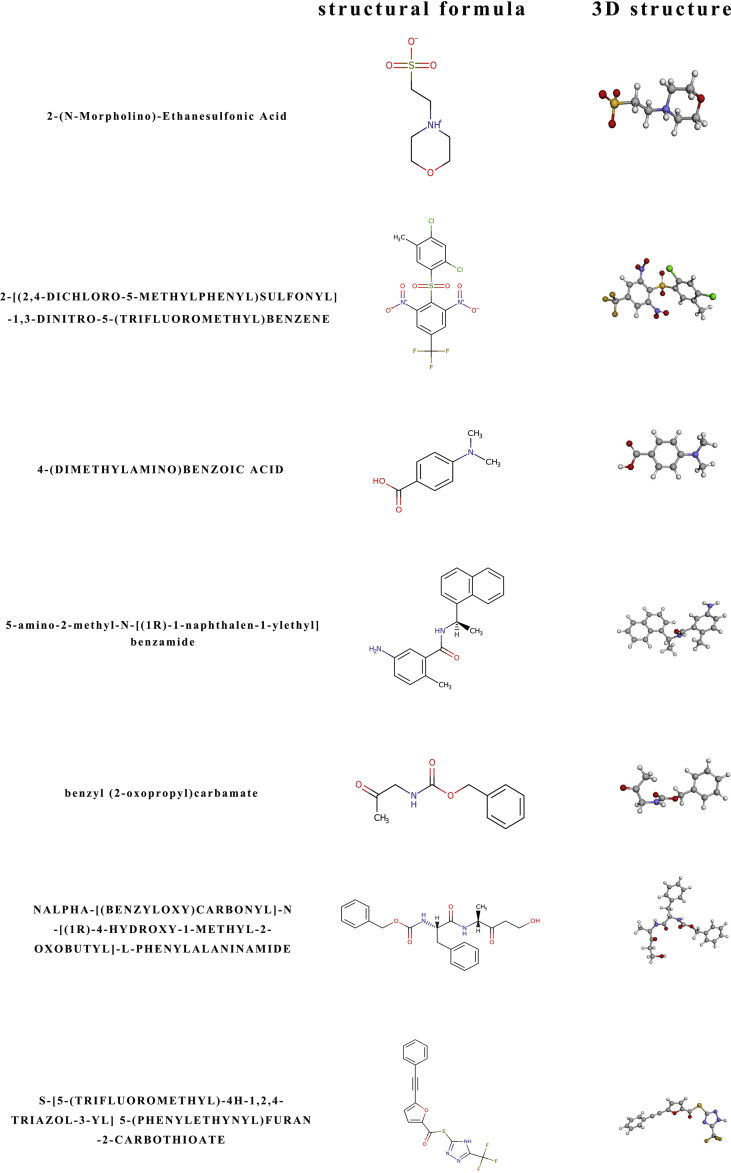
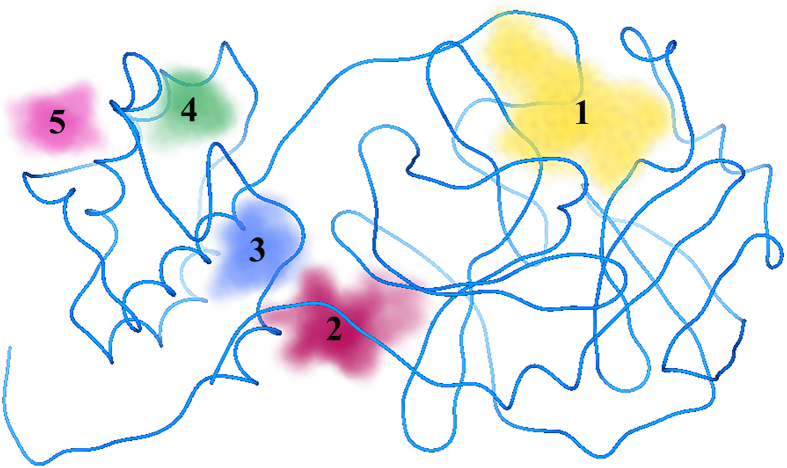
A novel coronavirus appeared in Wuhan, China has led to major outbreaks. Recently, rapid classification of virus species, analysis of genome and screening for effective drugs are the most important tasks. In the present study, through literature review, sequence alignment, ORF identification, motif recognition, secondary and tertiary structure prediction, the whole genome of SARS-CoV-2 were comprehensively analyzed. To find effective drugs, the parameters of binding sites were calculated by SeeSAR. In addition, potential miRNAs were predicted according to RNA base-pairing. After prediction by using NCBI, WebMGA and GeneMark and comparison, a total of 8 credible ORFs were detected. Even the whole genome have great difference with other CoVs, each ORF has high homology with SARS-CoVs (>90%). Furthermore, domain composition in each ORFs was also similar to SARS. In the DrugBank database, only 7 potential drugs were screened based on the sequence search module. Further predicted binding sites between drug and ORFs revealed that 2-(N-Morpholino)-ethanesulfonic acid could bind 1# ORF in 4 different regions ideally. Meanwhile, both benzyl (2-oxopropyl) carbamate and 4-(dimehylamina) benzoic acid have bene demonstrated to inhibit SARS-CoV infection effectively. Interestingly, 2 miRNAs (miR-1307-3p and miR-3613-5p) were predicted to prevent virus replication via targeting 3'-UTR of the genome or as biomarkers. In conclusion, the novel coronavirus may have consanguinity with SARS. Drugs used to treat SARS may also be effective against the novel virus. In addition, altering miRNA expression may become a potential therapeutic schedule.
一种出现在中国武汉的新型冠状病毒已导致大规模疫情爆发。近期,快速进行病毒种类分类、基因组分析以及有效药物筛选是最为重要的任务。在本研究中,通过文献综述、序列比对、开放阅读框(ORF)鉴定、基序识别、二级和三级结构预测,对严重急性呼吸综合征冠状病毒2(SARS-CoV-2)的全基因组进行了全面分析。为找到有效药物,利用SeeSAR计算结合位点参数。此外,根据RNA碱基配对预测潜在的微小RNA(miRNA)。经美国国立生物技术信息中心(NCBI)、WebMGA和基因标记(GeneMark)预测并比较后,共检测到8个可靠的开放阅读框。即便该全基因组与其他冠状病毒有很大差异,但每个开放阅读框与严重急性呼吸综合征冠状病毒(SARS-CoV)具有高度同源性(>90%)。此外,每个开放阅读框中的结构域组成也与SARS相似。在药物银行(DrugBank)数据库中,基于序列搜索模块仅筛选出7种潜在药物。进一步预测药物与开放阅读框之间的结合位点显示,2-(N-吗啉代)乙磺酸可理想地结合1#开放阅读框中的4个不同区域。同时,苄基(2-氧代丙基)氨基甲酸酯和4-(二甲基氨基)苯甲酸均已被证明可有效抑制SARS-CoV感染。有趣的是,预测有2种微小RNA(miR-1307-3p和miR-3613-5p)可通过靶向基因组的3'-非翻译区(3'-UTR)来阻止病毒复制或作为生物标志物。总之,这种新型冠状病毒可能与SARS有亲缘关系。用于治疗SARS的药物可能对这种新型病毒也有效。此外,改变微小RNA表达可能成为一种潜在的治疗方案。