The Wolfson Institute for Biomedical Research, University Street, University College London, London, United Kingdom.
Sainsbury Wellcome Centre, Howland Street, University College London, London, United Kingdom.
Elife. 2020 May 5;9:e55863. doi: 10.7554/eLife.55863.
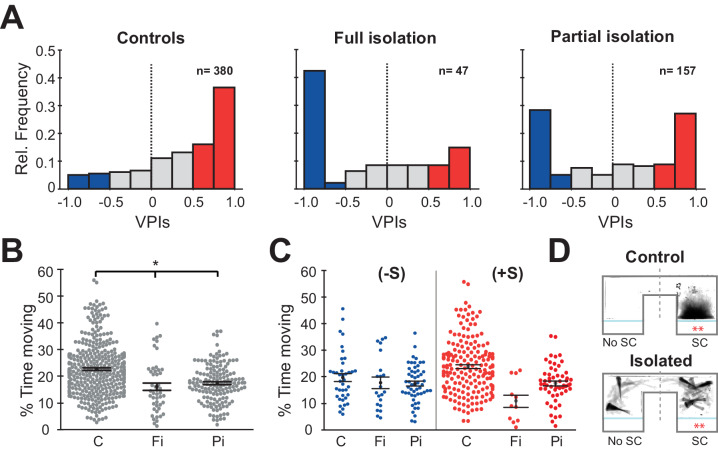
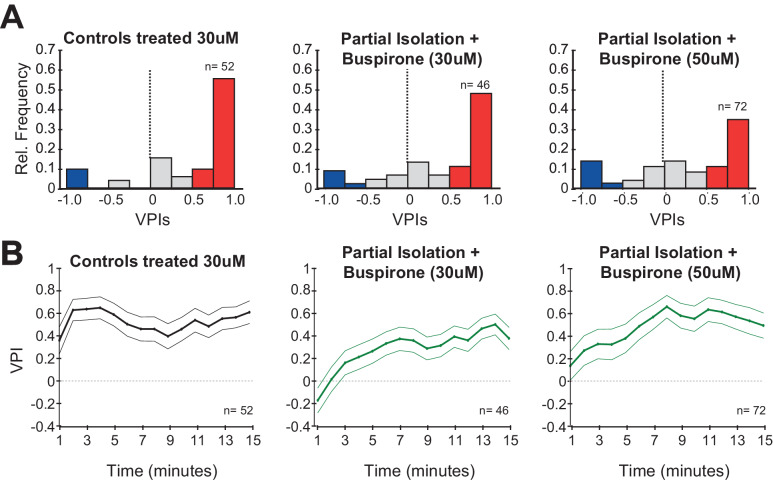
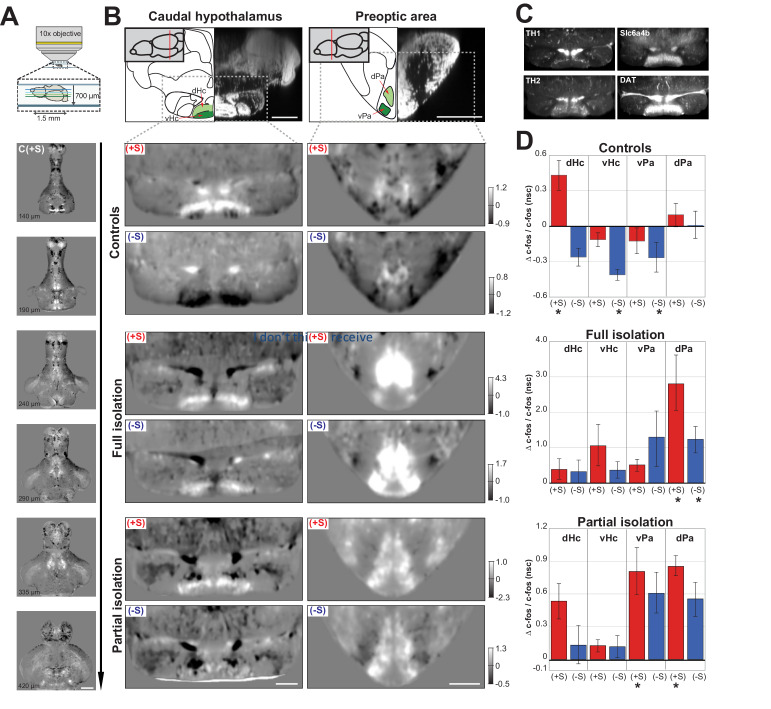
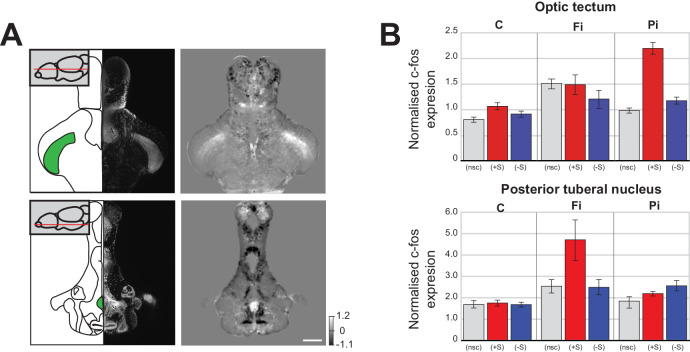
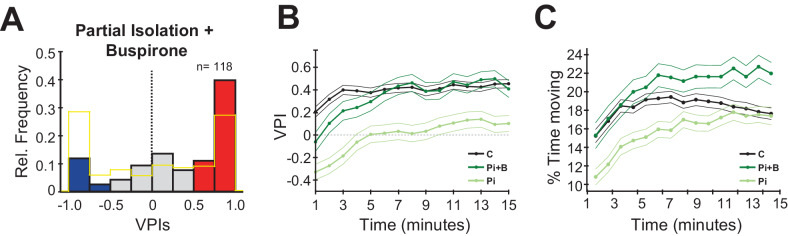
The zebrafish was used to assess the impact of social isolation on behaviour and brain function. As in humans and other social species, early social deprivation reduced social preference in juvenile zebrafish. Whole-brain functional maps of anti-social isolated (lonely) fish were distinct from anti-social (loner) fish found in the normal population. These isolation-induced activity changes revealed profound disruption of neural activity in brain areas linked to social behaviour, social cue processing, and anxiety/stress. Several of the affected regions are modulated by serotonin, and we found that social preference in isolated fish could be rescued by acutely reducing serotonin levels.
斑马鱼被用于评估社交隔离对行为和大脑功能的影响。与人类和其他社会性物种一样,早期的社交剥夺会降低幼年斑马鱼的社交偏好。与正常群体中发现的反社会(孤独)鱼相比,反社会隔离(孤独)鱼的全脑功能图谱是不同的。这些隔离引起的活动变化揭示了与社交行为、社交线索处理和焦虑/压力相关的大脑区域的神经活动受到严重破坏。受影响的区域中有几个是由 5-羟色胺调节的,我们发现通过急性降低 5-羟色胺水平可以挽救孤立鱼的社交偏好。