Institute for Immunology and Immunotherapy, University of Birmingham, Birmingham, B15 2TT, UK.
Division of Experimental Immunology, Institute of Advanced Medical Sciences, University of Tokushima, Tokushima, 770-8503, Japan.
Nat Commun. 2020 May 4;11(1):2198. doi: 10.1038/s41467-020-16041-x.
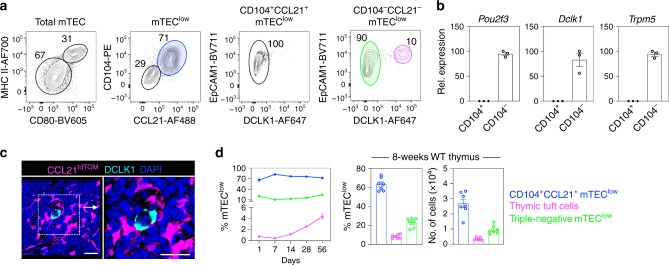
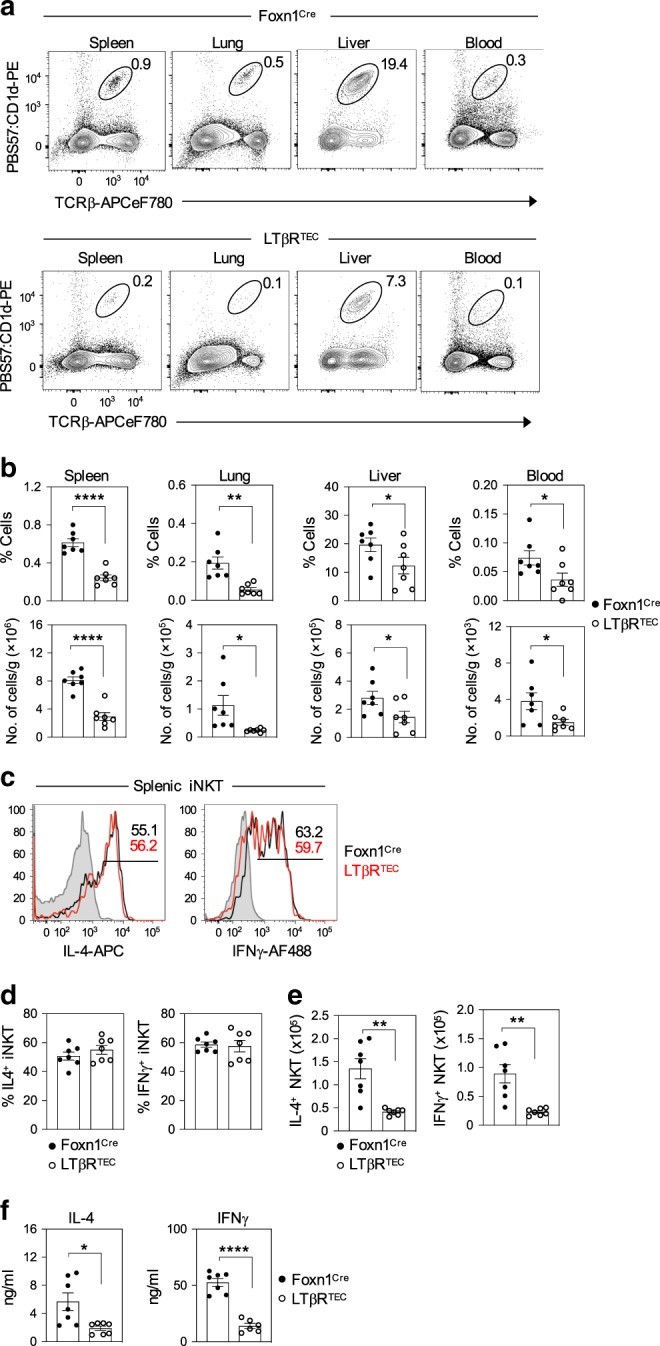
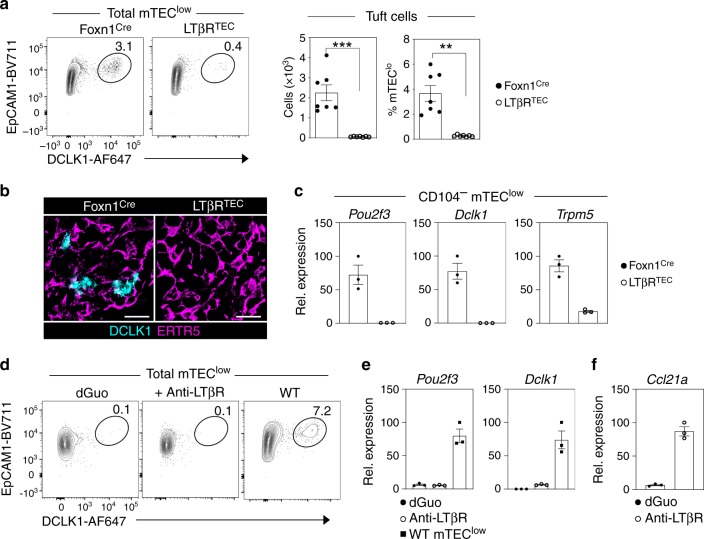
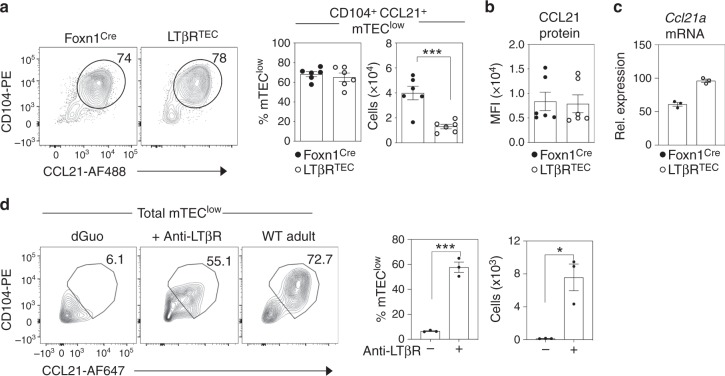
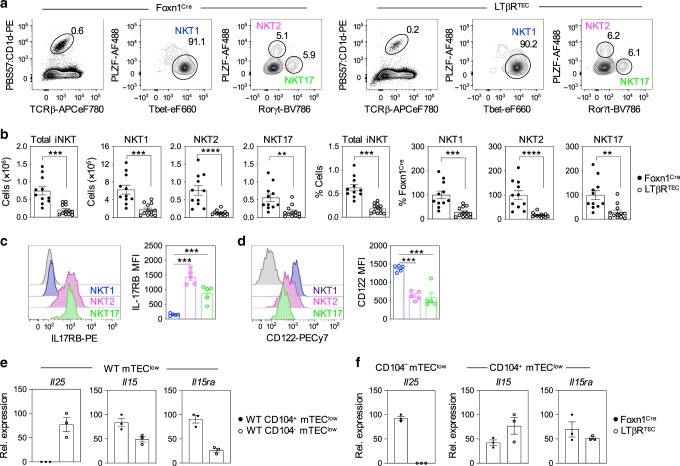
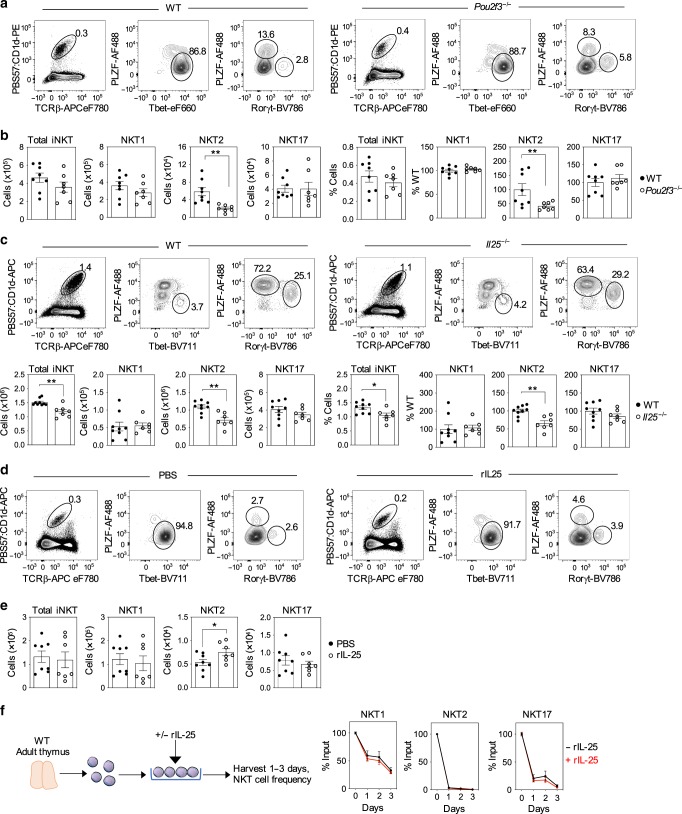
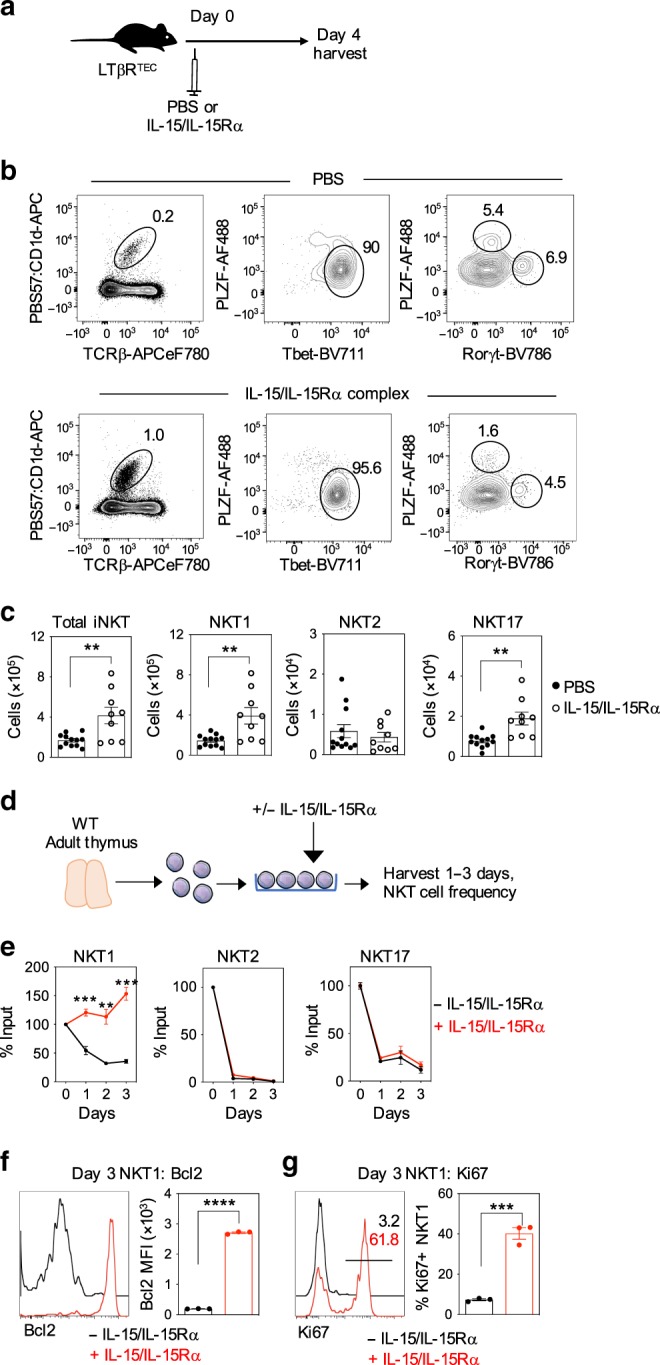
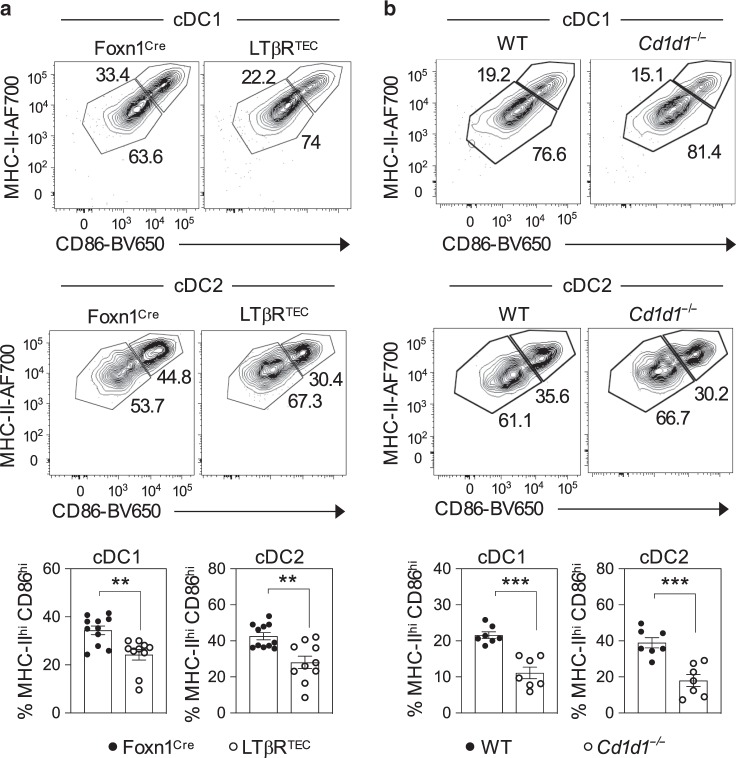
The thymus supports multiple αβ T cell lineages that are functionally distinct, but mechanisms that control this multifaceted development are poorly understood. Here we examine medullary thymic epithelial cell (mTEC) heterogeneity and its influence on CD1d-restricted iNKT cells. We find three distinct mTEC subsets distinguished by surface, intracellular and secreted molecules, and identify LTβR as a cell-autonomous controller of their development. Importantly, this mTEC heterogeneity enables the thymus to differentially control iNKT sublineages possessing distinct effector properties. mTEC expression of LTβR is essential for the development thymic tuft cells which regulate NKT2 via IL-25, while LTβR controls CD104CCL21 mTEC that are capable of IL-15-transpresentation for regulating NKT1 and NKT17. Finally, mTECs regulate both iNKT-mediated activation of thymic dendritic cells, and iNKT availability in extrathymic sites. In conclusion, mTEC specialization controls intrathymic iNKT cell development and function, and determines iNKT pool size in peripheral tissues.
胸腺支持多种功能不同的 αβ T 细胞谱系,但控制这种多方面发育的机制尚不清楚。在这里,我们研究了髓质胸腺上皮细胞 (mTEC) 的异质性及其对 CD1d 限制性 iNKT 细胞的影响。我们发现了三种不同的 mTEC 亚群,它们通过表面、细胞内和分泌分子来区分,并确定 LTβR 是其发育的自主控制器。重要的是,这种 mTEC 异质性使胸腺能够有区别地控制具有不同效应特性的 iNKT 亚群。mTEC 表达 LTβR 对于胸腺簇细胞的发育是必不可少的,这些细胞通过 IL-25 调节 NKT2,而 LTβR 控制 CD104CCL21 mTEC,这些细胞能够进行 IL-15 转染以调节 NKT1 和 NKT17。最后,mTEC 调节胸腺树突状细胞的 iNKT 介导的激活,以及外周组织中 iNKT 的可用性。总之,mTEC 的特化控制了胸腺内 iNKT 细胞的发育和功能,并决定了外周组织中 iNKT 池的大小。