Abramson Family Cancer Research Institute, Perelman School of Medicine, University of Pennsylvania, Philadelphia, PA, USA.
Department of Cancer Biology, Perelman School of Medicine, University of Pennsylvania, Philadelphia, PA, USA.
Nat Cell Biol. 2020 Jun;22(6):728-739. doi: 10.1038/s41556-020-0511-2. Epub 2020 May 4.
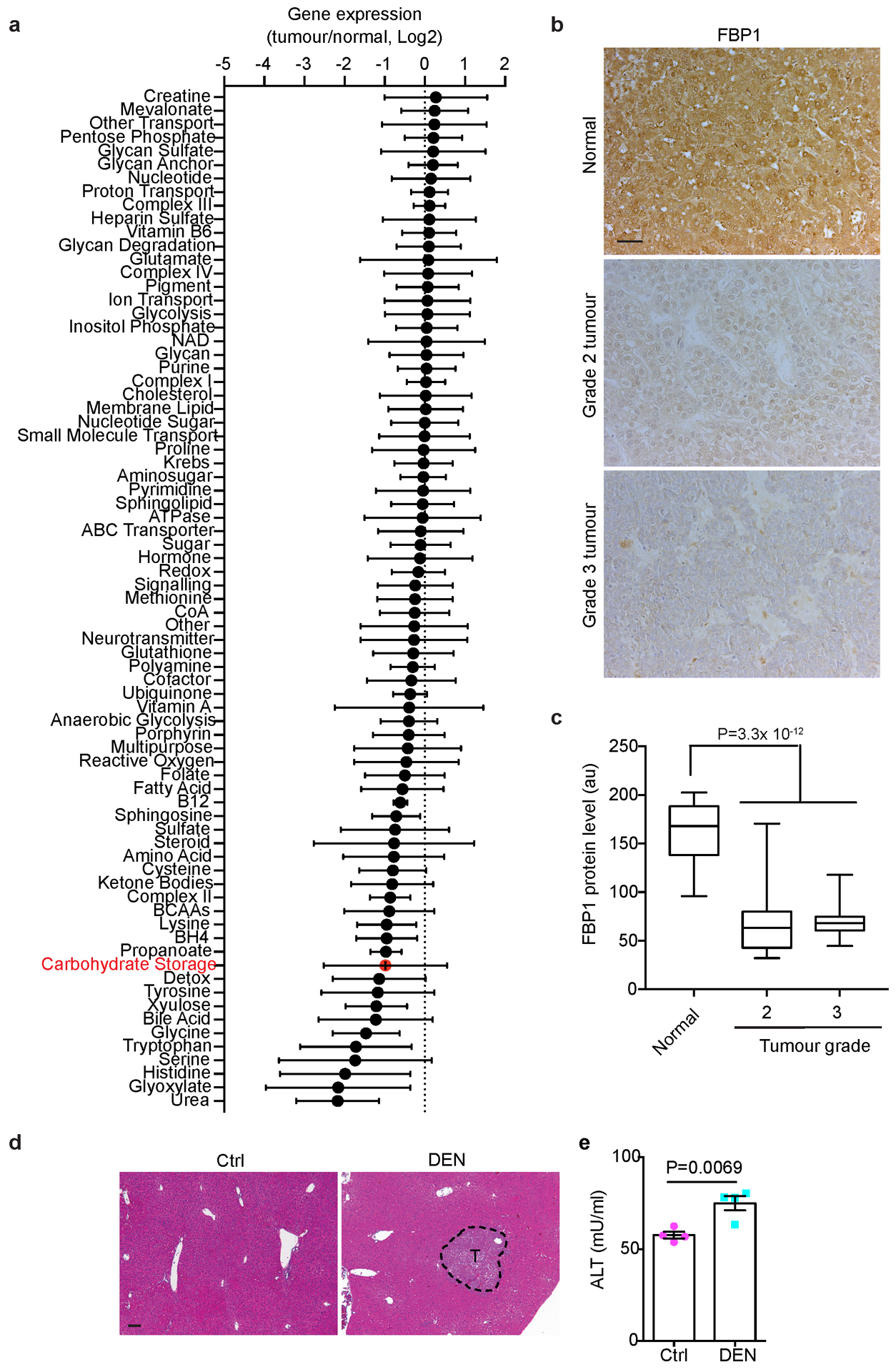
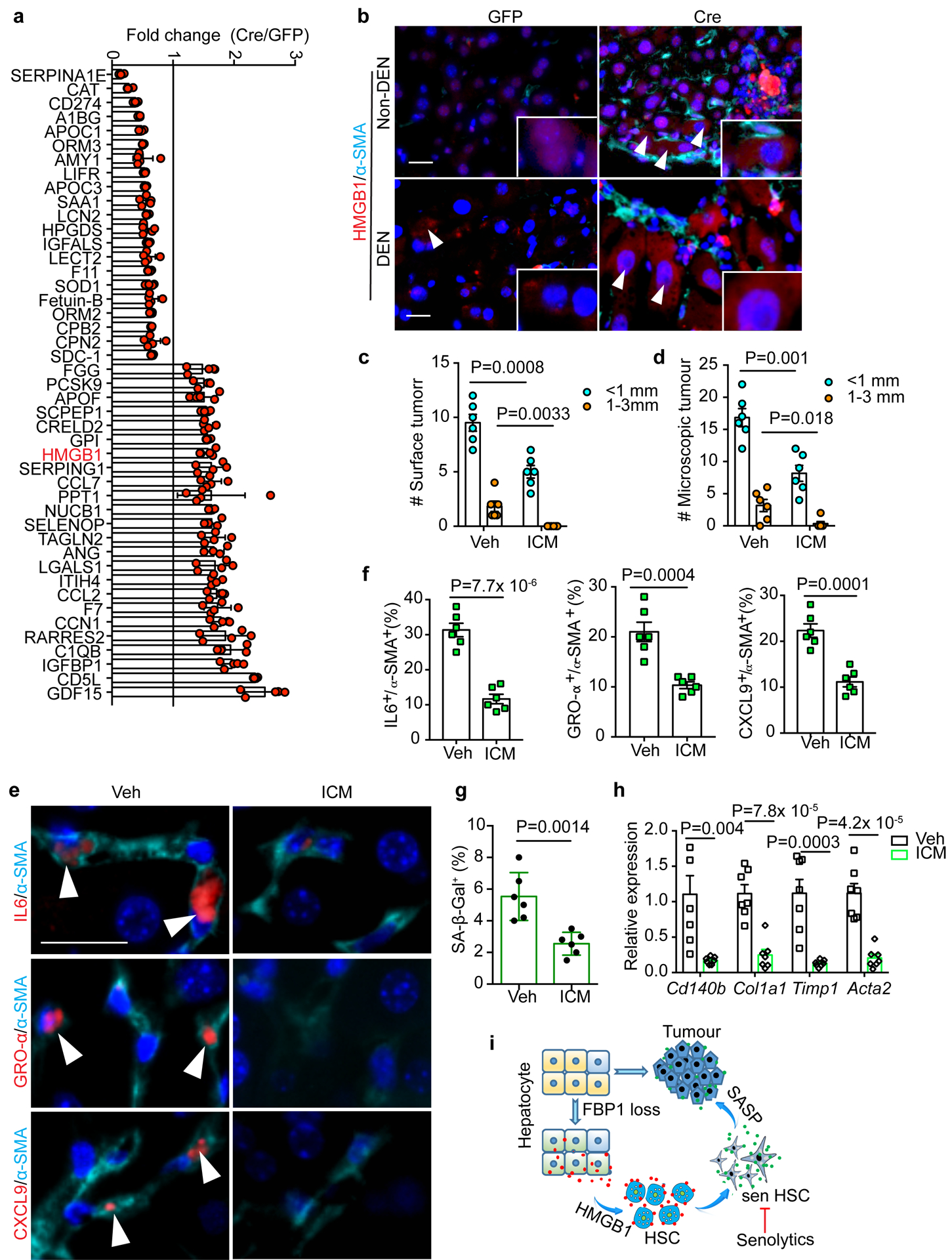
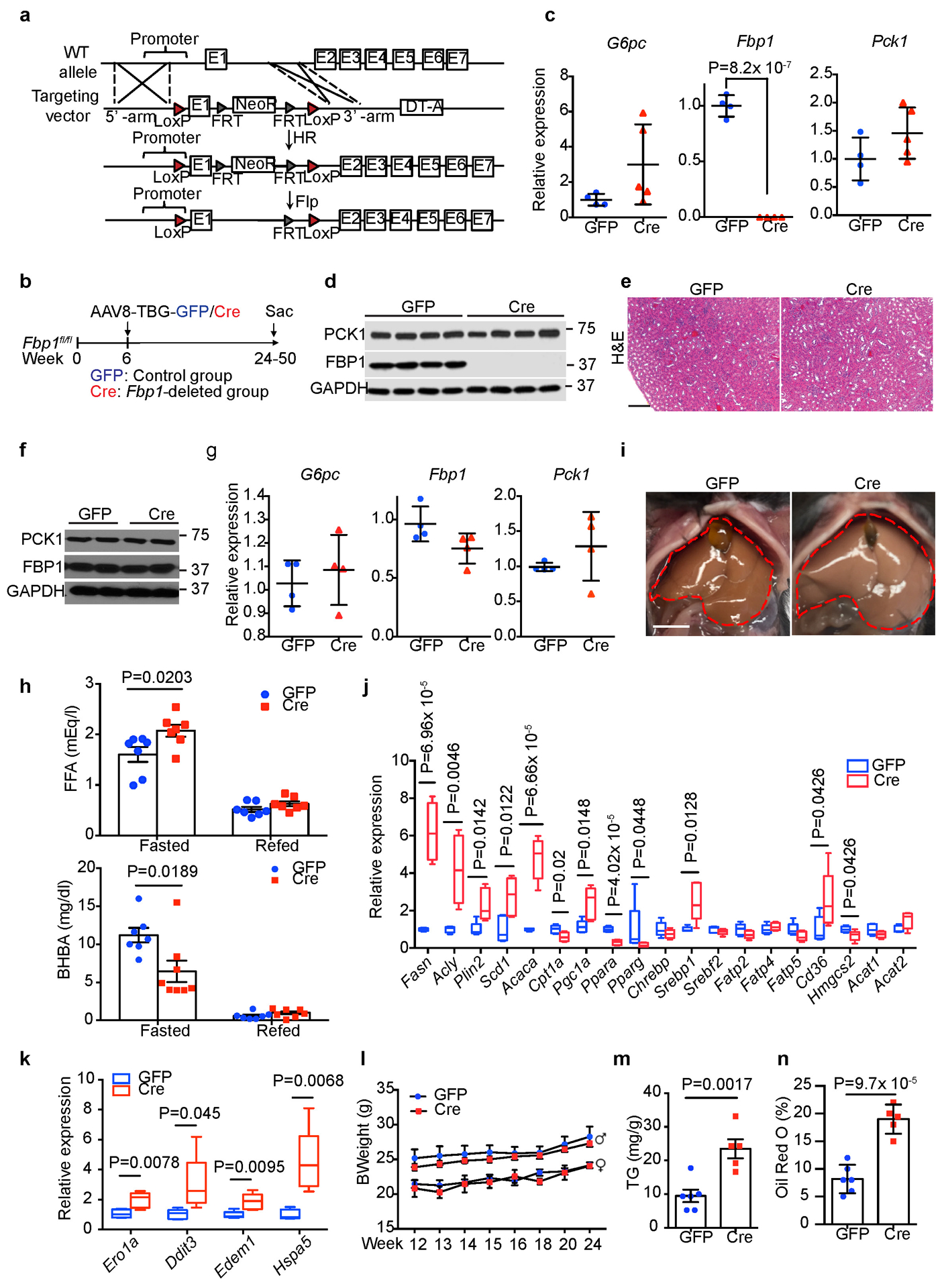
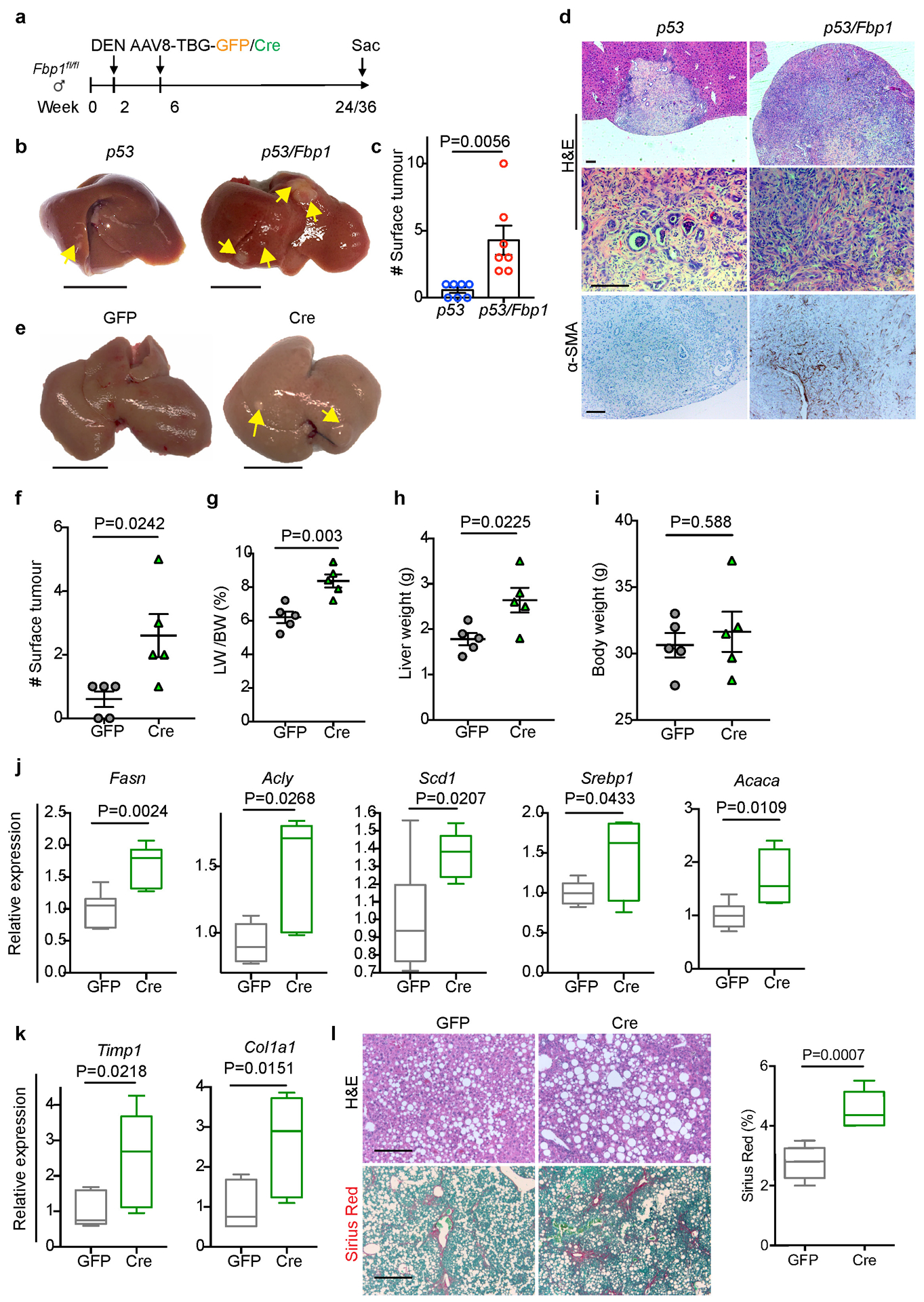
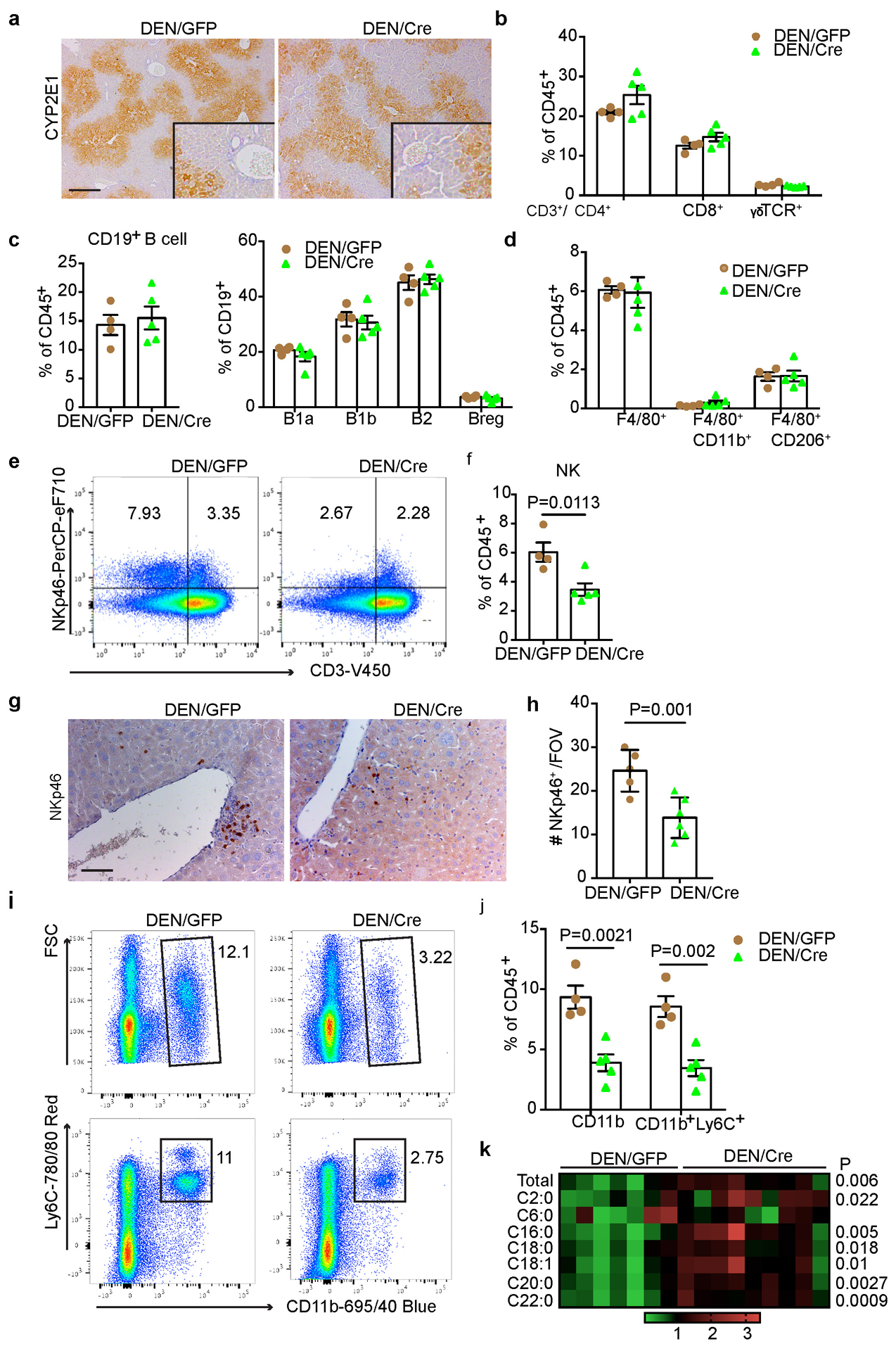
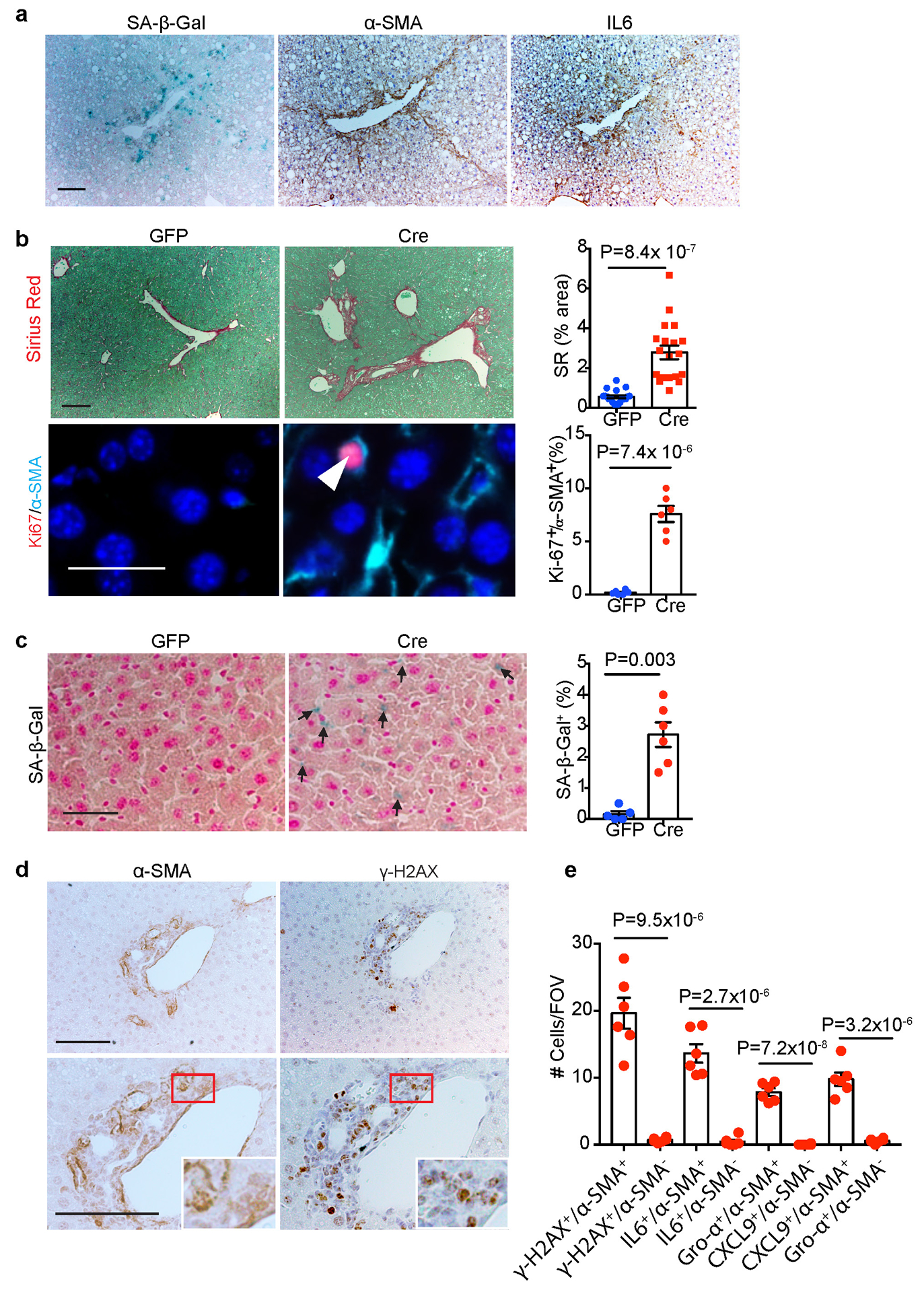
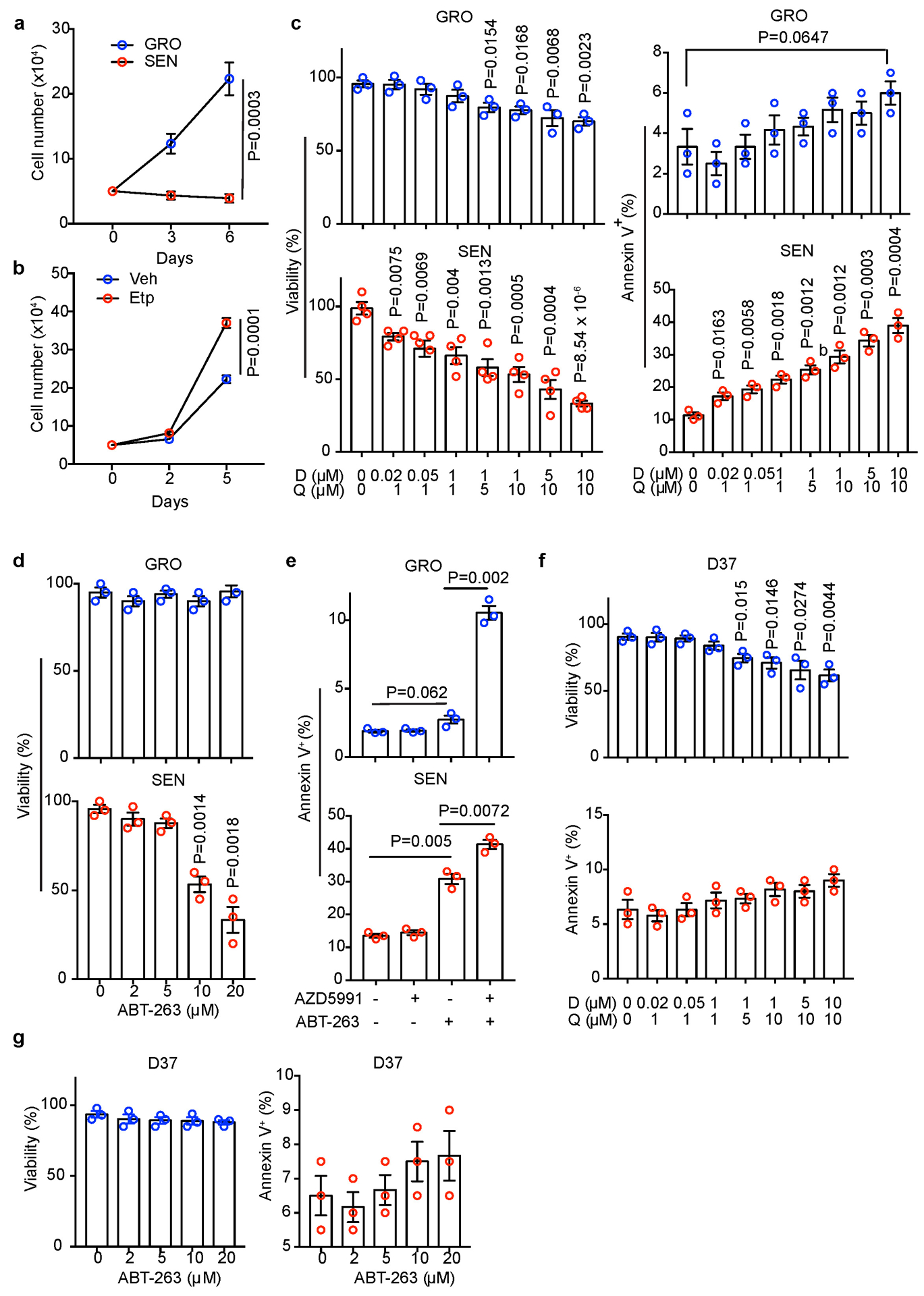
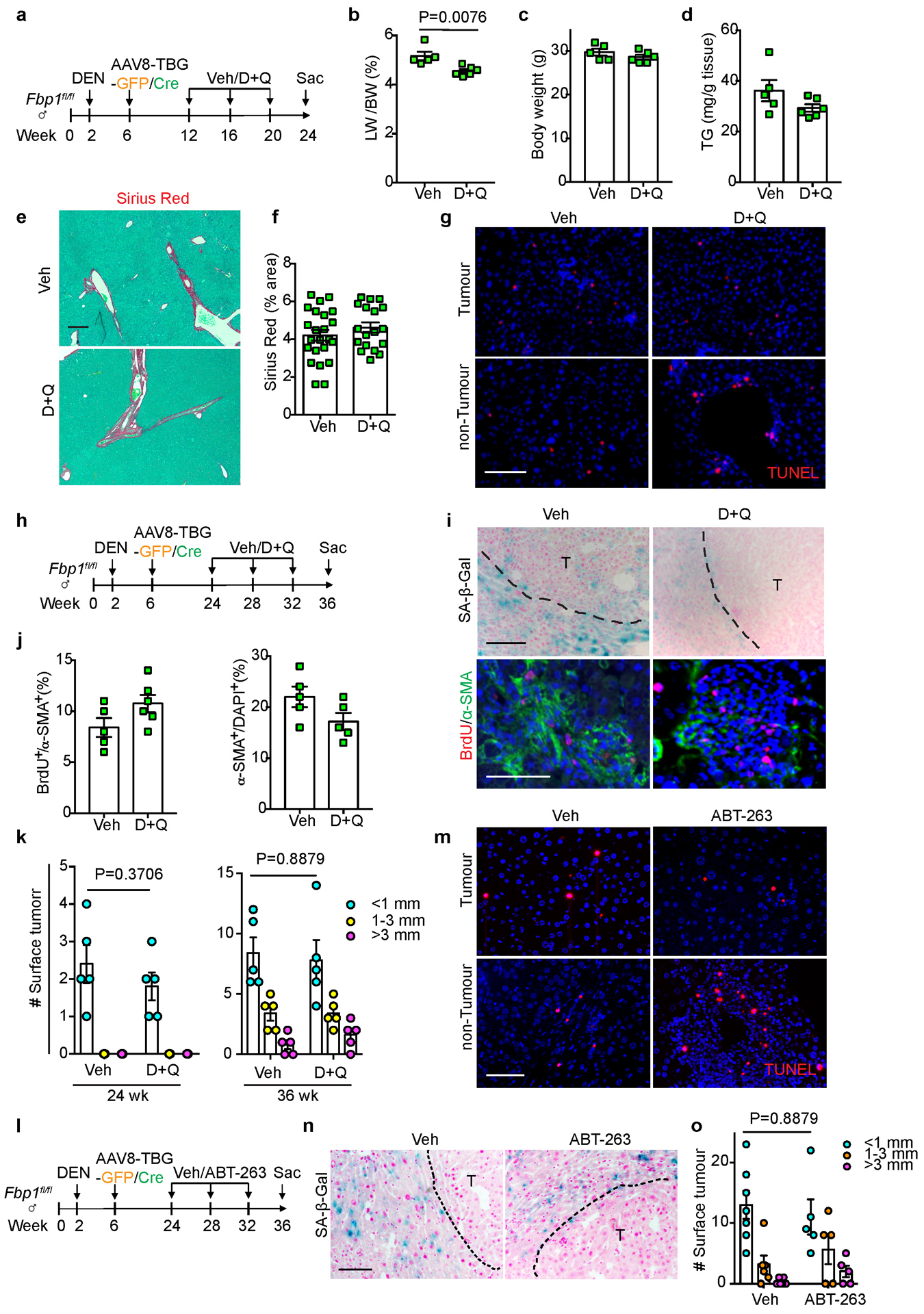
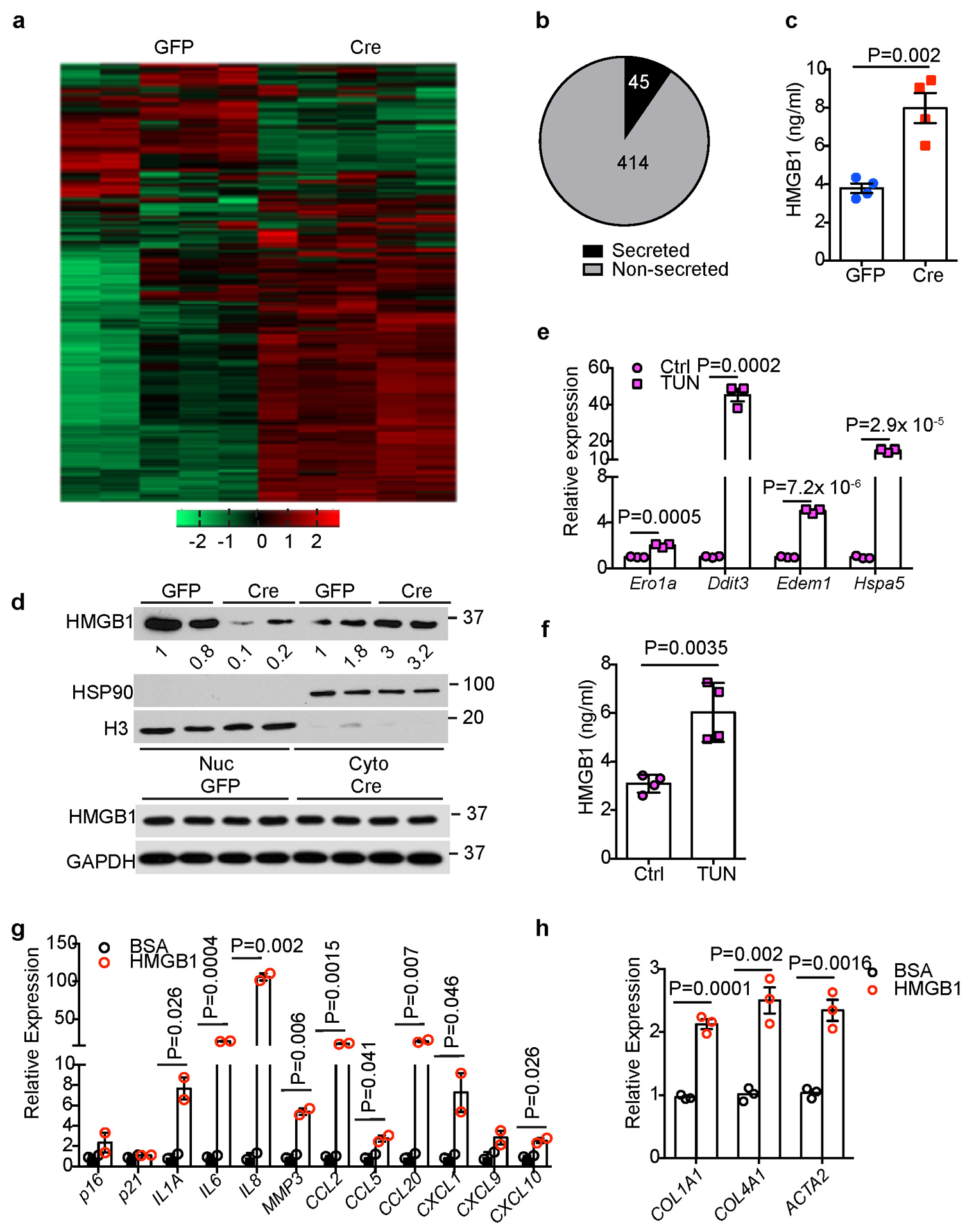
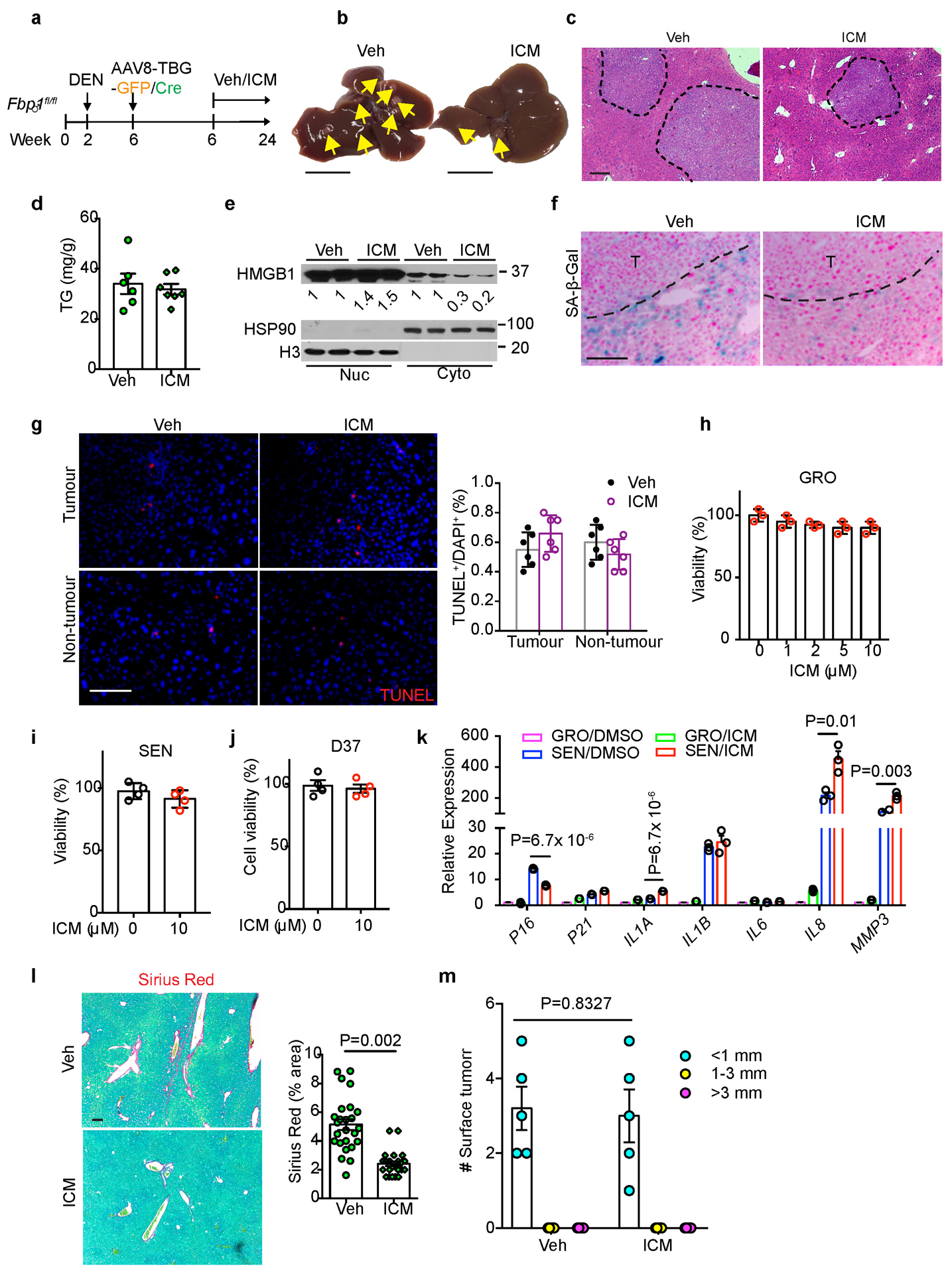
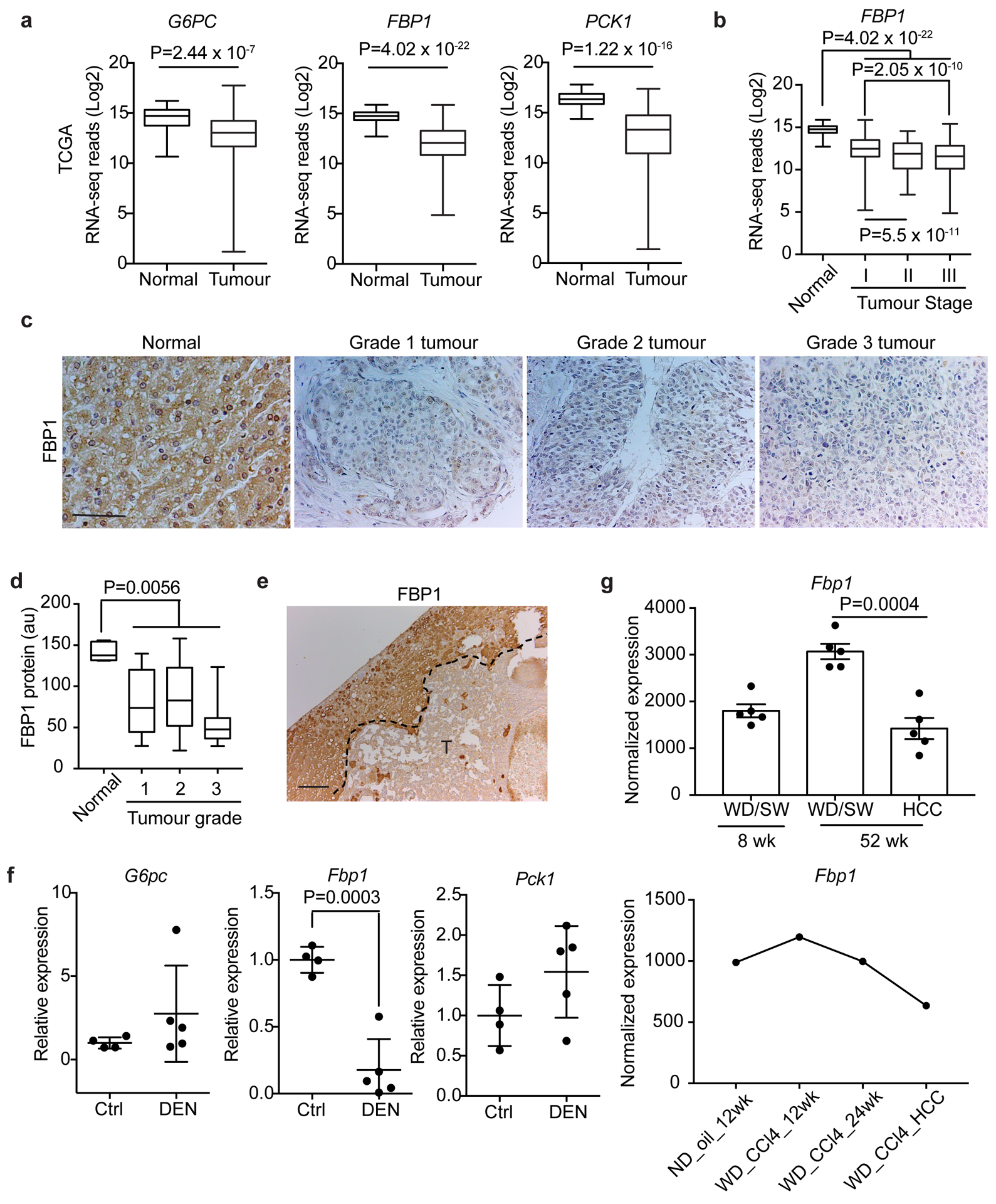
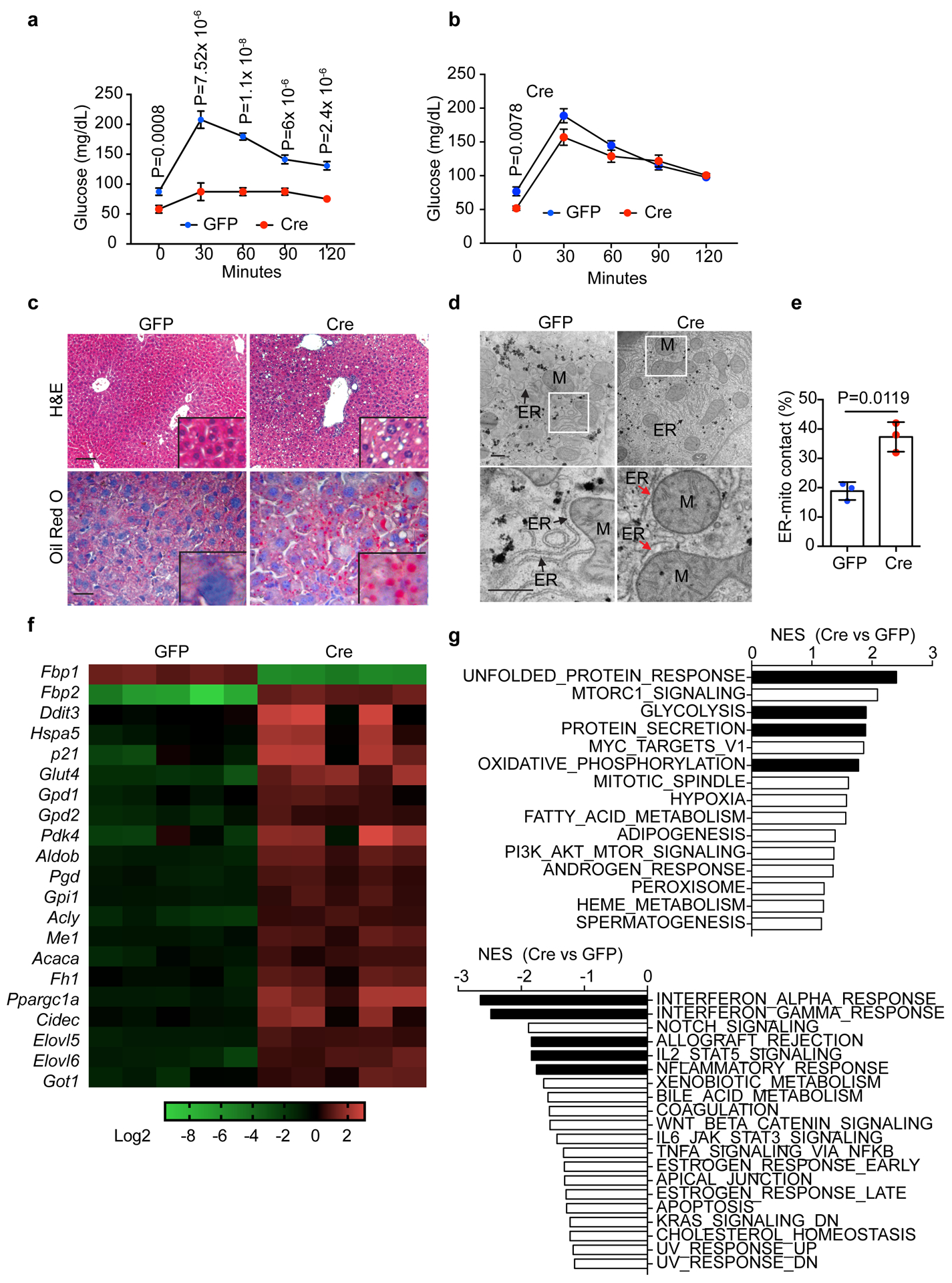
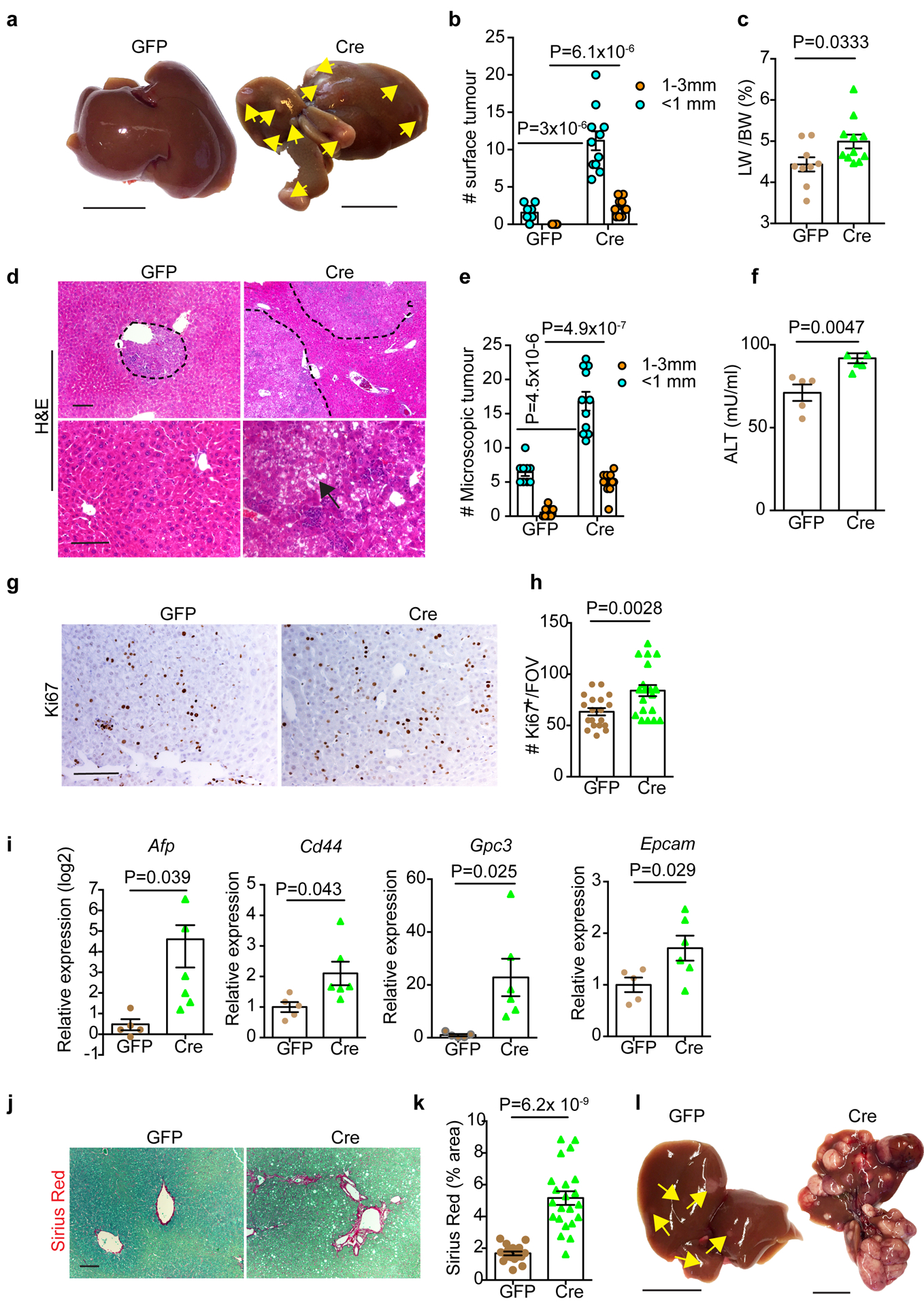
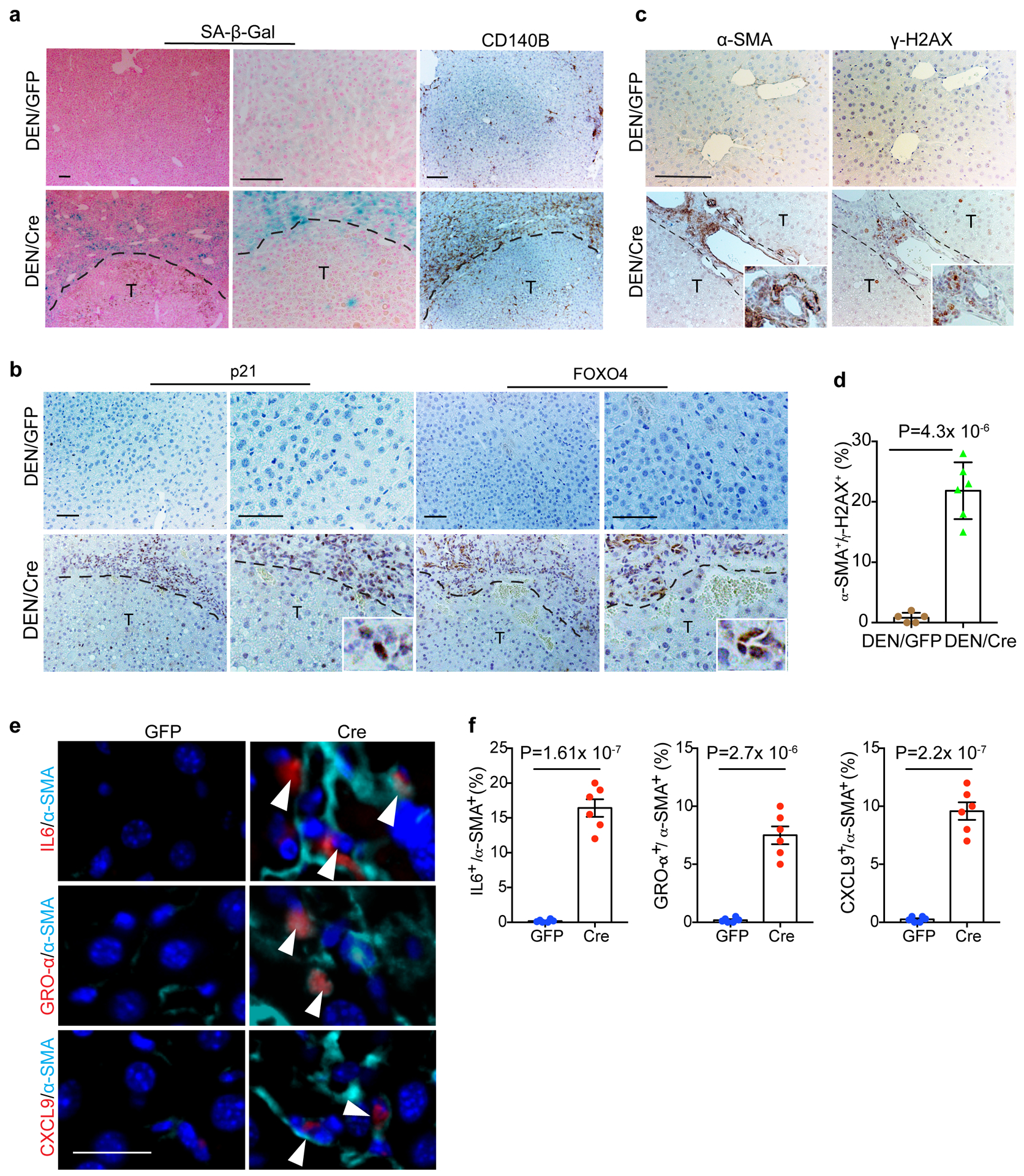
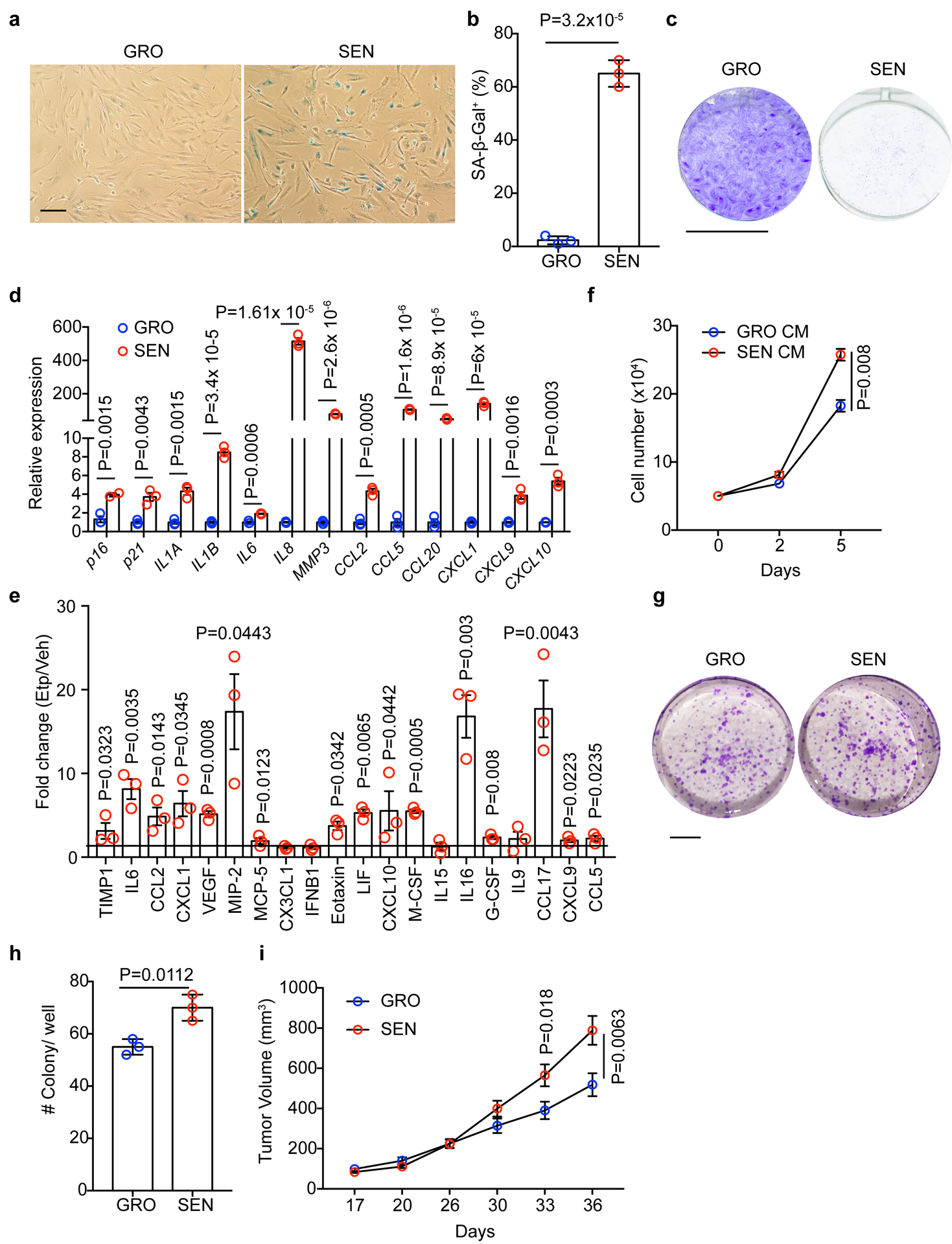
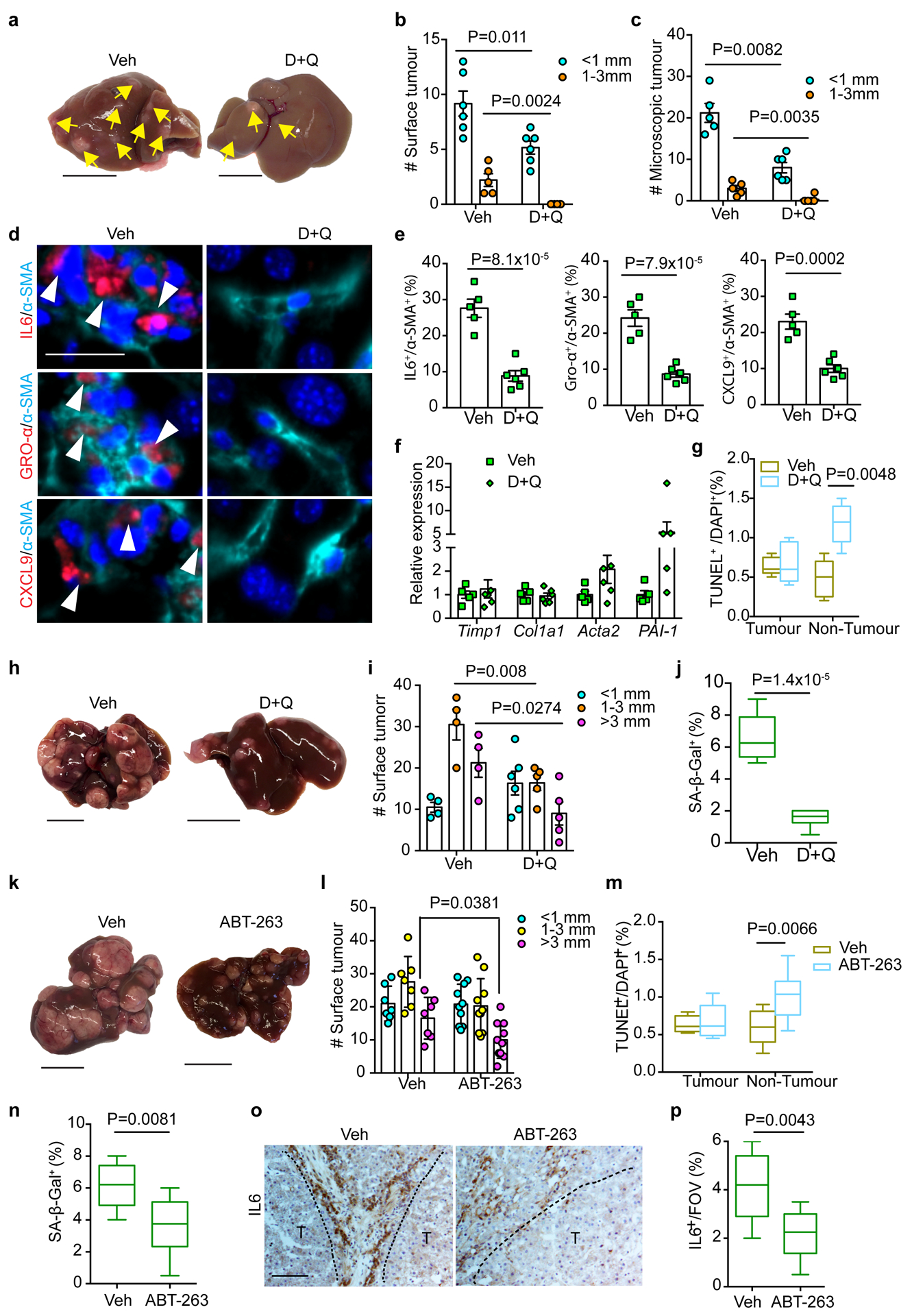
The crosstalk between deregulated hepatocyte metabolism and cells within the tumour microenvironment, as well as the consequent effects on liver tumorigenesis, are not completely understood. We show here that hepatocyte-specific loss of the gluconeogenic enzyme fructose 1,6-bisphosphatase 1 (FBP1) disrupts liver metabolic homeostasis and promotes tumour progression. FBP1 is universally silenced in both human and murine liver tumours. Hepatocyte-specific Fbp1 deletion results in steatosis, concomitant with activation and senescence of hepatic stellate cells (HSCs), exhibiting a senescence-associated secretory phenotype. Depleting senescent HSCs by 'senolytic' treatment with dasatinib/quercetin or ABT-263 inhibits tumour progression. We further demonstrate that FBP1-deficient hepatocytes promote HSC activation by releasing HMGB1; blocking its release with the small molecule inflachromene limits FBP1-dependent HSC activation, the subsequent development of the senescence-associated secretory phenotype and tumour progression. Collectively, these findings provide genetic evidence for FBP1 as a metabolic tumour suppressor in liver cancer and establish a critical crosstalk between hepatocyte metabolism and HSC senescence that promotes tumour growth.
肝细胞代谢失调与肿瘤微环境细胞之间的串扰,以及由此对肝肿瘤发生的影响,目前尚不完全清楚。我们在这里表明,肝实质细胞特异性缺失糖异生酶果糖 1,6-二磷酸酶 1(FBP1)会破坏肝脏代谢稳态并促进肿瘤进展。FBP1 在人类和鼠类肝肿瘤中普遍沉默。肝实质细胞特异性 Fbp1 缺失导致脂肪变性,同时激活和衰老肝星状细胞(HSCs),表现出衰老相关分泌表型。用达沙替尼/槲皮素或 ABT-263 进行“衰老细胞清除”治疗来耗尽衰老的 HSCs 可抑制肿瘤进展。我们进一步证明,FBP1 缺陷的肝细胞通过释放高迁移率族蛋白 B1(HMGB1)促进 HSC 激活;用小分子 inflachromene 阻断其释放可限制 FBP1 依赖性 HSC 激活、随后的衰老相关分泌表型的发展和肿瘤进展。总的来说,这些发现为 FBP1 作为肝癌中的代谢肿瘤抑制因子提供了遗传证据,并确立了肝细胞代谢与 HSC 衰老之间的关键串扰,促进了肿瘤生长。