PMI S&I, Philip Morris International Research Laboratories Pte. Ltd., Science Park II, Singapore, Singapore.
PMI S&I, Philip Morris Products S.A., Quai Jeanrenaud 5, CH-2000, Neuchâtel, Switzerland.
Arch Toxicol. 2020 Jun;94(6):2179-2206. doi: 10.1007/s00204-020-02759-6. Epub 2020 May 5.
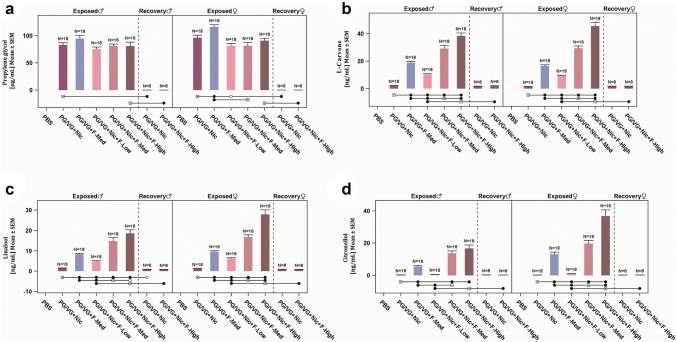
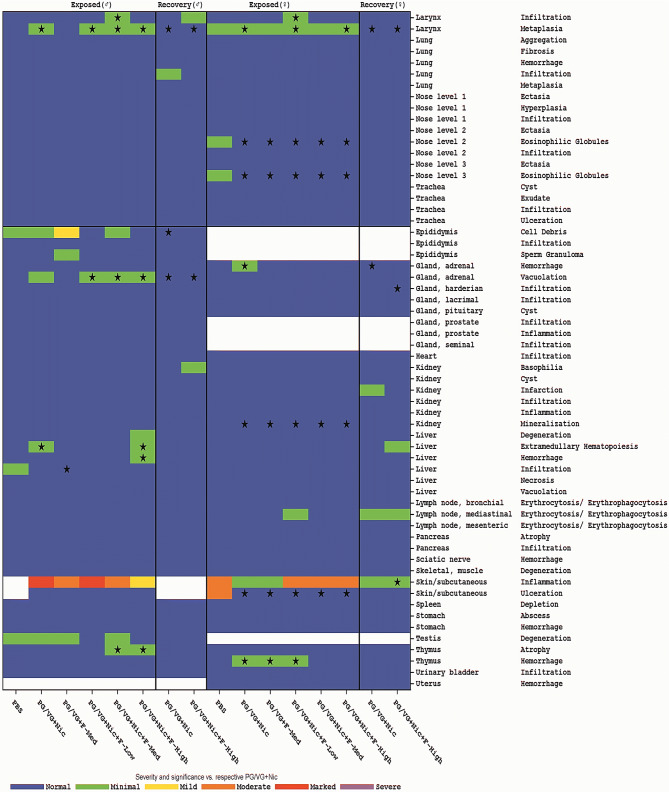
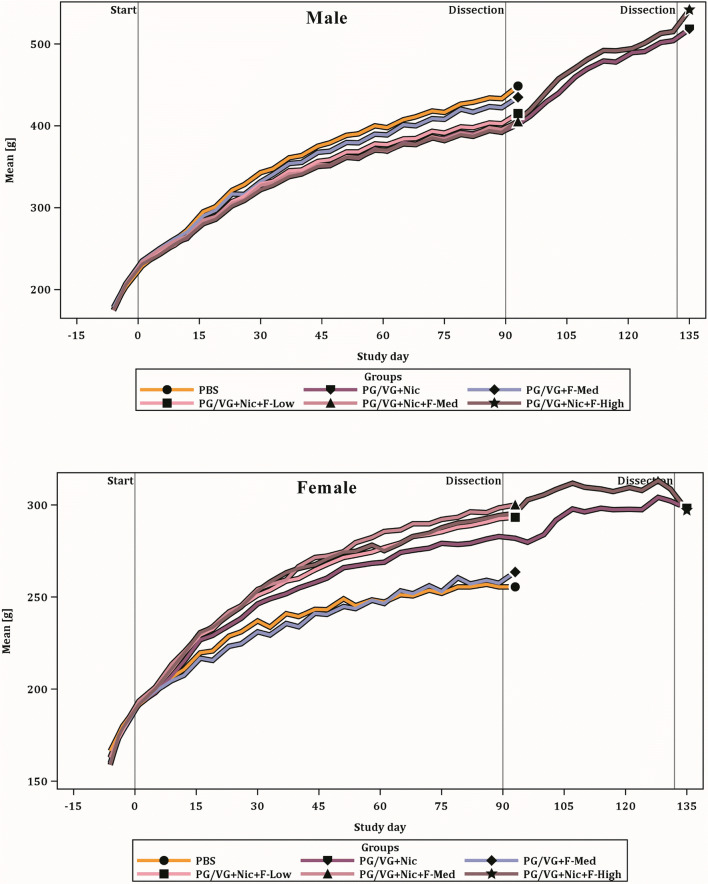
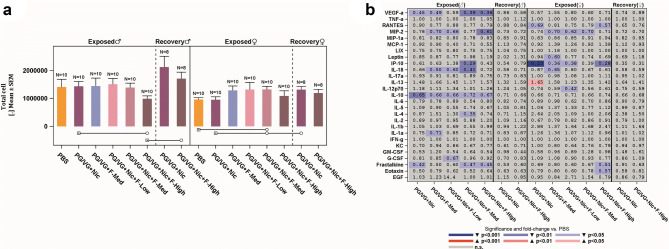
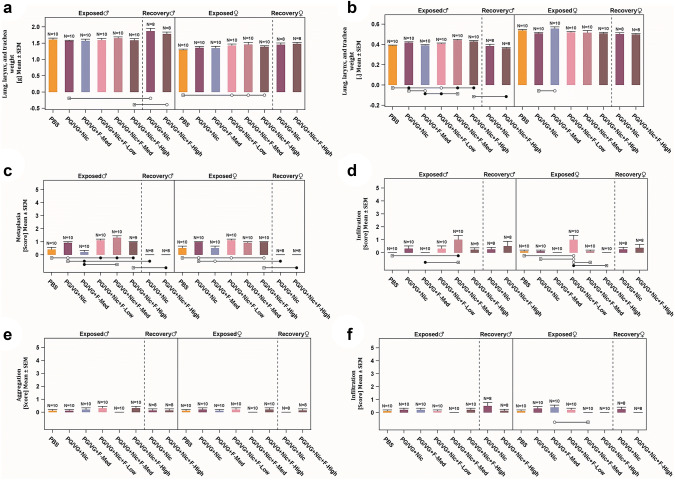
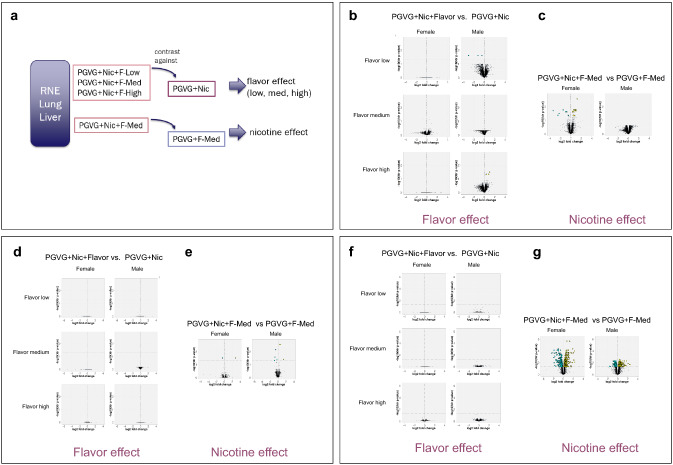
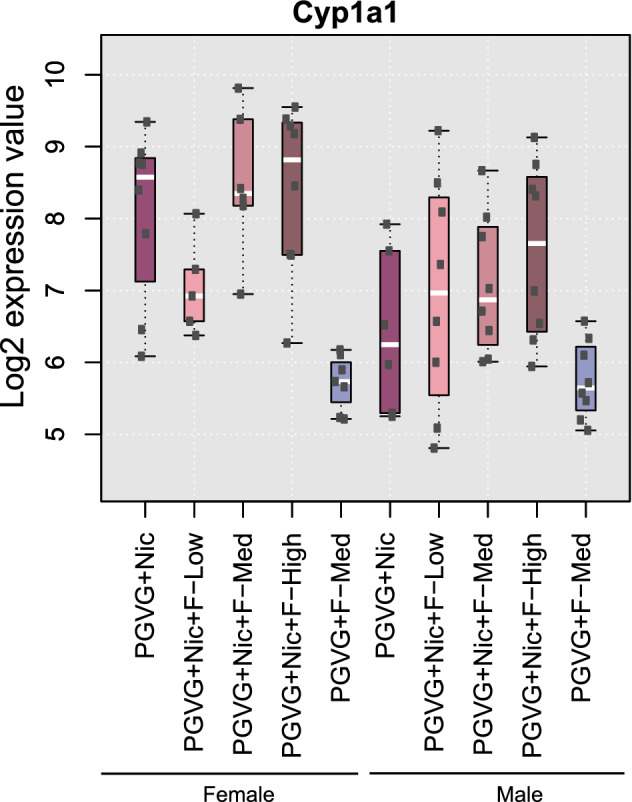
The use of flavoring substances is an important element in the development of reduced-risk products for adult smokers to increase product acceptance and encourage switching from cigarettes. In a first step towards characterizing the sub-chronic inhalation toxicity of neat flavoring substances, a study was conducted using a mixture of the substances in a base solution of e-liquid, where the standard toxicological endpoints of the nebulized aerosols were supplemented with transcriptomics analysis. The flavor mixture was produced by grouping 178 flavors into 26 distinct chemical groups based on structural similarities and potential metabolic and biological effects. Flavoring substances predicted to show the highest toxicological effect from each group were selected as the flavor group representatives (FGR). Following Organization for Economic Cooperation and Development Testing Guideline 413, rats were exposed to three concentrations of the FGR mixture in an e-liquid composed of nicotine (23 µg/L), propylene glycol (1520 µg/L), and vegetable glycerin (1890 µg/L), while non-flavored and no-nicotine mixtures were included as references to identify potential additive or synergistic effects between nicotine and the flavoring substances. The results indicated that the inhalation of an e-liquid containing the mixture of FGRs caused very minimal local and systemic toxic effects. In particular, there were no remarkable clinical (in-life) observations in flavored e-liquid-exposed rats. The biological effects related to exposure to the mixture of neat FGRs were limited and mainly nicotine-mediated, including changes in hematological and blood chemistry parameters and organ weight. These results indicate no significant additive biological changes following inhalation exposure to the nebulized FGR mixture above the nicotine effects measured in this sub-chronic inhalation study. In a subsequent study, e-liquids with FGR mixtures will be aerosolized by thermal treatment and assessed for toxicity.
使用调味物质是开发降低风险的成年吸烟者产品的重要元素,可提高产品接受度并鼓励从香烟转向。为了初步表征纯净调味物质的亚慢性吸入毒性,在电子烟液基础溶液中使用混合物进行了一项研究,其中补充了雾化气溶胶的标准毒理学终点,同时进行了转录组学分析。根据结构相似性和潜在代谢和生物学效应,将 178 种香料分为 26 个不同的化学组,以此来制备香料混合物。从每组中选择预测具有最高毒理学效应的香料物质作为香料组代表(FGR)。根据经济合作与发展组织测试指南 413,用尼古丁(23μg/L)、丙二醇(1520μg/L)和蔬菜甘油(1890μg/L)组成的电子烟液对 FGR 混合物的三个浓度进行了暴露,同时包括非调味和无尼古丁混合物作为参考,以识别尼古丁和调味物质之间可能存在的附加或协同作用。结果表明,吸入含有 FGR 混合物的电子烟液仅引起非常轻微的局部和全身毒性作用。特别是,在接触调味电子烟液的大鼠中,没有明显的临床(生存)观察结果。与接触纯净 FGR 混合物有关的生物学效应有限,主要与尼古丁有关,包括血液学和血液化学参数以及器官重量的变化。这些结果表明,在这项亚慢性吸入研究中,测量到的尼古丁效应之上,吸入雾化 FGR 混合物没有明显的附加生物学变化。在随后的研究中,将通过热处理使含有 FGR 混合物的电子烟液气溶胶化,并评估其毒性。