Bourebaba Lynda, Łyczko Jacek, Alicka Michalina, Bourebaba Nabila, Szumny Antoni, Fal Andrzej M, Marycz Krzysztof
Department of Experimental Biology, Faculty of Biology and Animal Science, Wrocław University of Environmental and Life Sciences, Norwida 27B, 50-375 Wrocław, Poland.
International Institute of Translational Medicine, Jesionowa, 11, Malin, 55-114 Wisznia Mała, Poland.
J Clin Med. 2020 May 1;9(5):1294. doi: 10.3390/jcm9051294.
Non-alcoholic fatty liver disease (NAFLD) is considered a well-known pathology that is determined without using alcohol and has emerged as a growing public health problem. Lipotoxicity is known to promote hepatocyte death, which, in the context of NAFLD, is termed lipoapoptosis. The severity of NAFLD correlates with the degree of hepatocyte lipoapoptosis. Protein-tyrosine phosphatases (PTP) including PTP1B and Low molecular weight PTP (LMPTP), are negative regulators of the insulin signaling pathway and are considered a promising therapeutic target in the treatment of diabetes. In this study, we hypothesized that the inhibition of PTP1B and LMPTP may potentially prevent hepatocyte apoptosis, mitochondrial dysfunction and endoplasmic reticulum (ER) stress onset, following lipotoxicity induced using a free fatty acid (FFA) mixture.
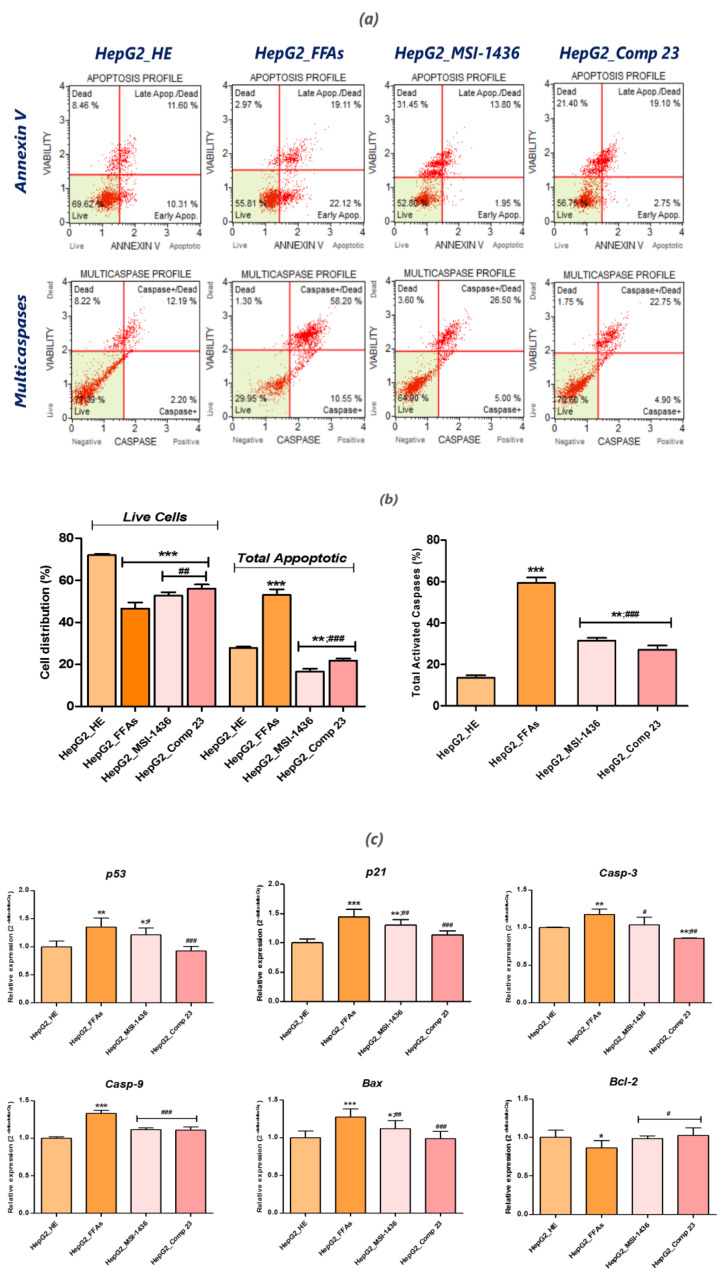
HepG2 cells were cultured in the presence or absence of two PTP inhibitors, namely MSI-1436 and Compound 23, prior to palmitate/oleate overloading. Apoptosis, ER stress, oxidative stress, and mitochondrial dynamics were then evaluated by either MUSE or RT-qPCR analysis.
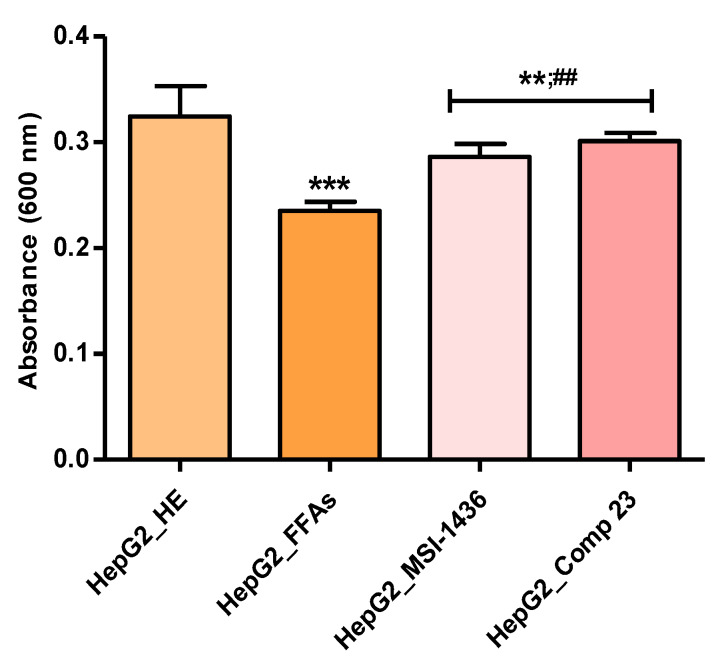
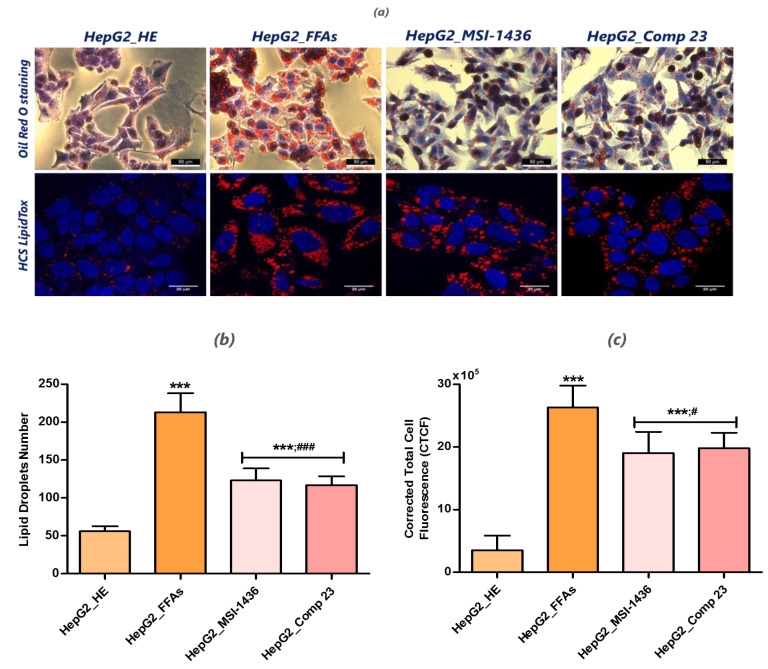
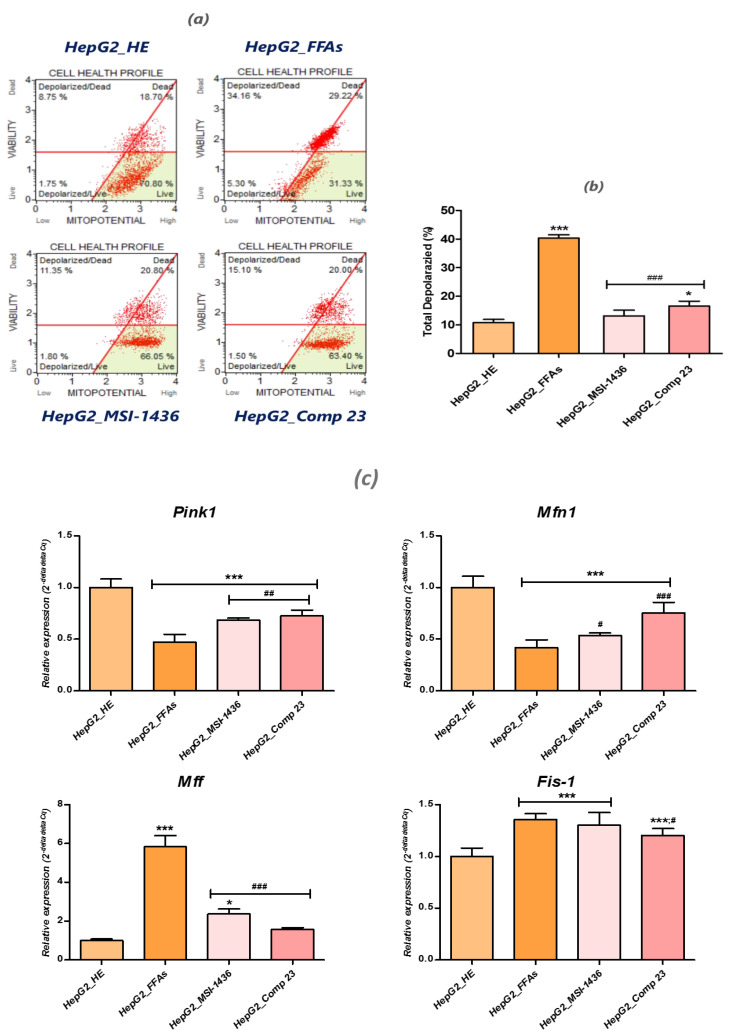
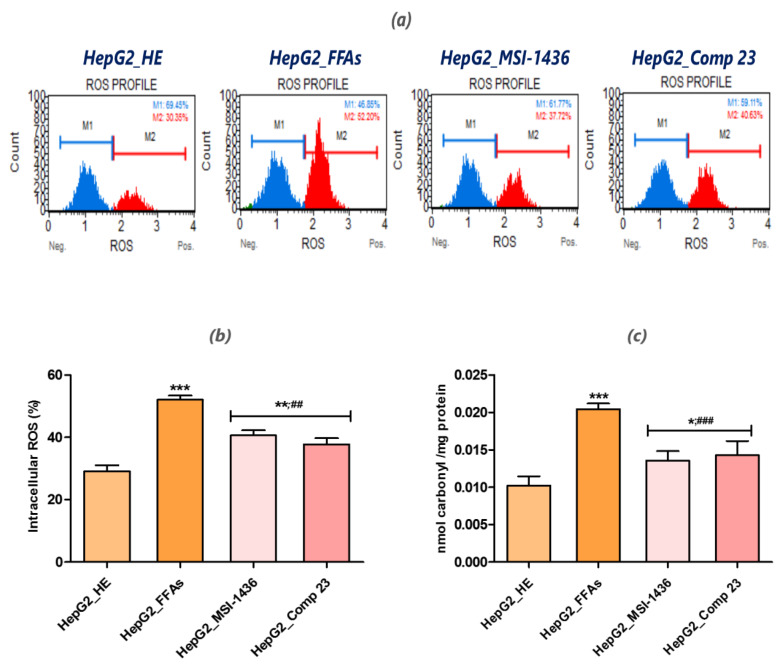
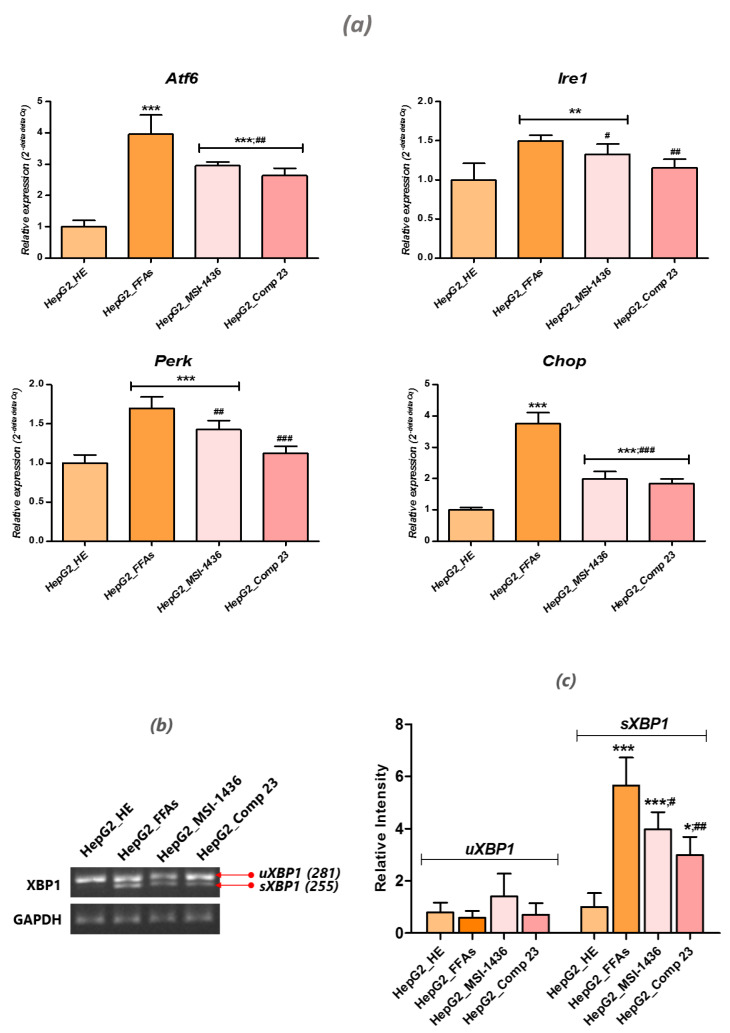
The obtained data demonstrate that the inhibition of PTP1B and LMPTP prevents apoptosis induced by palmitate and oleate in the HepG2 cell line. Moreover, mitochondrial dynamics were positively improved following inhibition of the enzyme, with concomitant oxidative stress reduction and ER stress abrogation.
In conclusion, PTP's inhibitory properties may be a promising therapeutic strategy for the treatment of FFA-induced lipotoxicity in the liver and ultimately in the management of the NAFLD condition.
非酒精性脂肪性肝病(NAFLD)被认为是一种无需饮酒即可确定的常见病理状况,并且已成为一个日益严重的公共卫生问题。已知脂毒性会促进肝细胞死亡,在NAFLD的背景下,这被称为脂凋亡。NAFLD的严重程度与肝细胞脂凋亡的程度相关。包括蛋白酪氨酸磷酸酶1B(PTP1B)和低分子量蛋白酪氨酸磷酸酶(LMPTP)在内的蛋白酪氨酸磷酸酶是胰岛素信号通路的负调节因子,被认为是治疗糖尿病的一个有前景的治疗靶点。在本研究中,我们假设抑制PTP1B和LMPTP可能潜在地预防游离脂肪酸(FFA)混合物诱导的脂毒性后的肝细胞凋亡、线粒体功能障碍和内质网(ER)应激的发生。
在棕榈酸/油酸过载之前,将HepG2细胞在存在或不存在两种PTP抑制剂(即MSI-1436和化合物23)的情况下进行培养。然后通过MUSE或RT-qPCR分析评估细胞凋亡、ER应激、氧化应激和线粒体动力学。
获得的数据表明,抑制PTP1B和LMPTP可预防HepG2细胞系中棕榈酸和油酸诱导的细胞凋亡。此外,抑制该酶后线粒体动力学得到积极改善,同时氧化应激降低且ER应激消除。
总之,PTP的抑制特性可能是治疗肝脏中FFA诱导的脂毒性以及最终管理NAFLD病症的一种有前景的治疗策略。