Department of Neuroscience, Faculty of Medicine, Uppsala University, Uppsala, Sweden.
Department of Psychology, Faculty of Social Science, Lund University, Lund, Sweden.
BMC Psychol. 2020 May 6;8(1):47. doi: 10.1186/s40359-020-00414-4.
Previous studies showed that anger, rather than sadness, created automatic intergroup bias in a minimal group context.
The current research reports a single study (N = 99) aiming to replicate this finding and further to test whether the intergroup bias manifests as ingroup favoritism, outgroup derogation, or both.
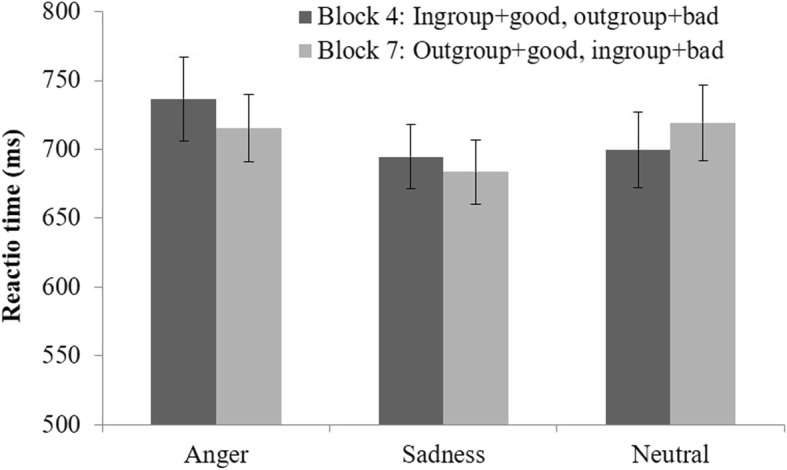
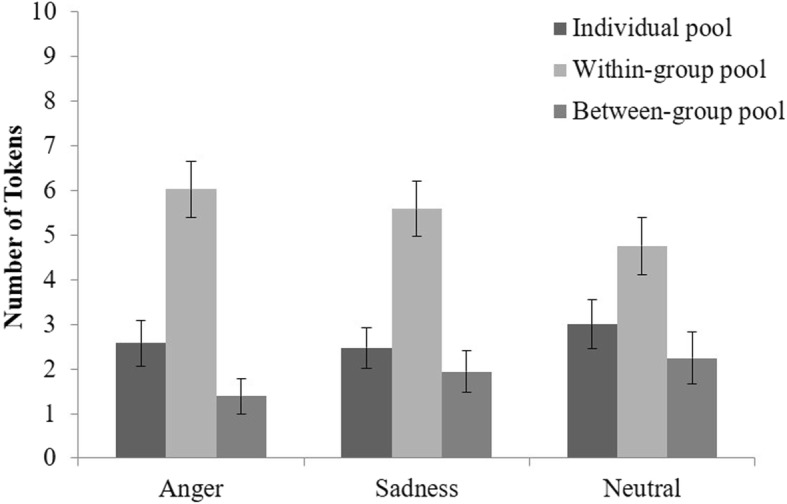
Our results failed to replicate the effect of anger on automatic bias. Intriguingly, participants across all emotion conditions exhibited high level of ingroup favoritism, but there was little evidence of outgroup derogation.
These results suggest that, when there is no competition or conflict between groups, individuals, even in a bad emotional state such as anger, generally show ingroup love rather than outgroup hate.
先前的研究表明,在最小群体情境中,愤怒而非悲伤会产生自动的群体间偏见。
本研究报告了一项旨在复制这一发现的单一研究(N=99),并进一步测试群体间偏见是否表现为内群体偏好、外群体贬低,或两者兼有。
我们的结果未能复制愤怒对自动偏见的影响。有趣的是,在所有情绪条件下的参与者都表现出了高度的内群体偏好,但几乎没有外群体贬低的证据。
这些结果表明,当群体之间没有竞争或冲突时,即使个体处于愤怒等不良情绪状态,通常也会表现出对内群体的喜爱,而不是对外群体的仇恨。