Shandong University of Traditional Chinese Medicine, Jinan, 250355, China; Marine Traditional Chinese Medicine Research Center, Qingdao Academy of Traditional Chinese Medicine, Shandong University of Traditional Chinese Medicine, Qingdao, 266114, China.
Shandong University of Traditional Chinese Medicine, Jinan, 250355, China; Marine Traditional Chinese Medicine Research Center, Qingdao Academy of Traditional Chinese Medicine, Shandong University of Traditional Chinese Medicine, Qingdao, 266114, China; Shandong Engineering and Technology Research Center of Traditional Chinese Medicine, Jinan, 250355, China.
J Ethnopharmacol. 2020 Aug 10;258:112932. doi: 10.1016/j.jep.2020.112932. Epub 2020 May 4.
Traditional Chinese Medicine (TCM) has been widely used as an approach worldwide. Chinese Medicines (CMs) had been used to treat and prevent viral infection pneumonia diseases for thousands of years and had accumulated a large number of clinical experiences and effective prescriptions.
This research aimed to systematically excavate the classical prescriptions of Chinese Medicine (CM), which have been used to prevent and treat Pestilence (Wenbing, Wenyi, Shiyi or Yibing) for long history in China, to obtain the potential prescriptions and ingredients to alternatively treat COVID-19.
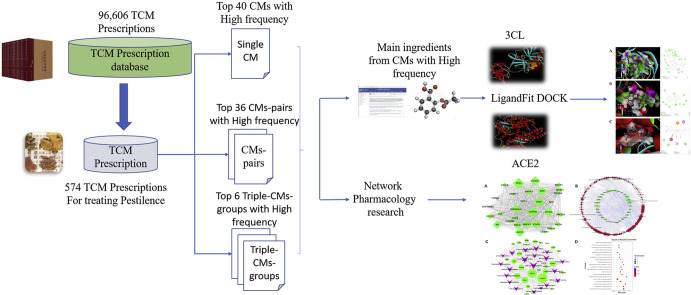
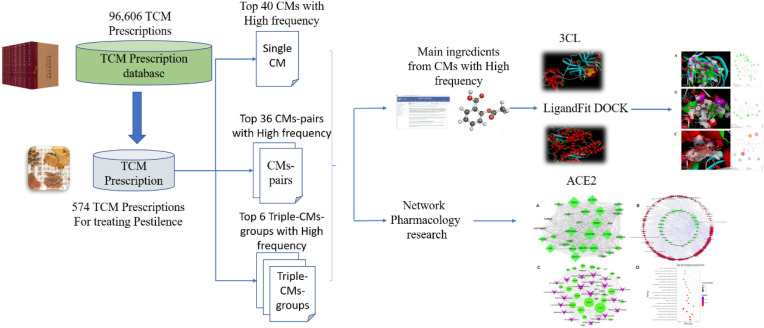
We developed the screening system based on data mining, molecular docking and network pharmacology. Data mining and association network were used to mine the high-frequency herbs and formulas from ancient prescriptions. Virtual screening for the effective components of high frequency CMs and compatibility Chinese Medicine was explored by a molecular docking approach. Furthermore, network pharmacology method was used to preliminarily uncover the molecule mechanism.
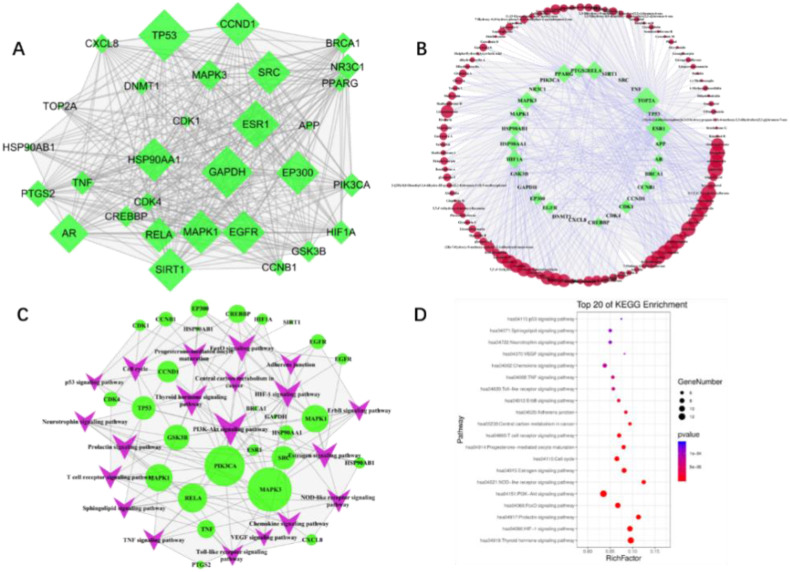
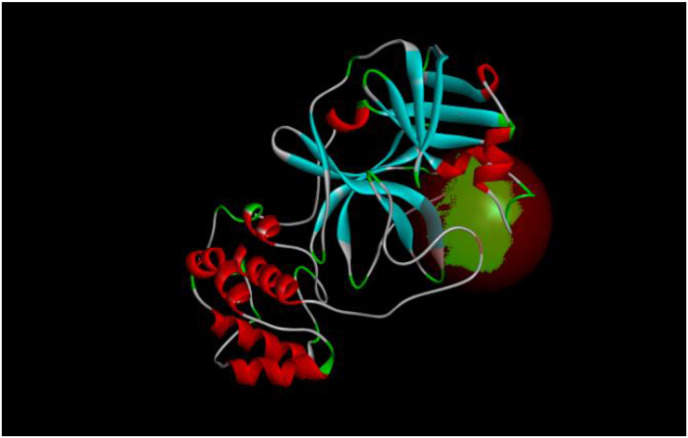
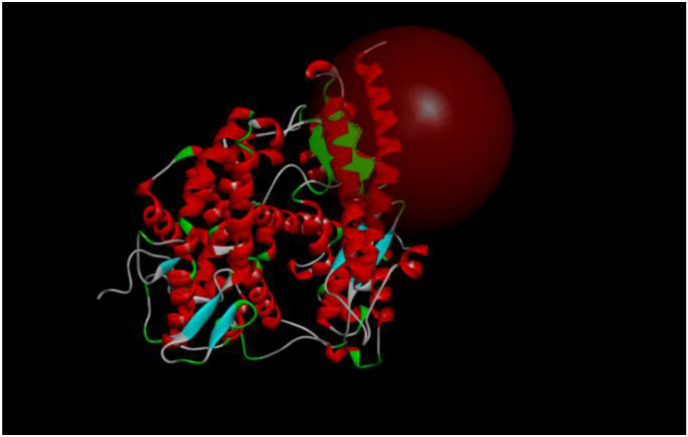
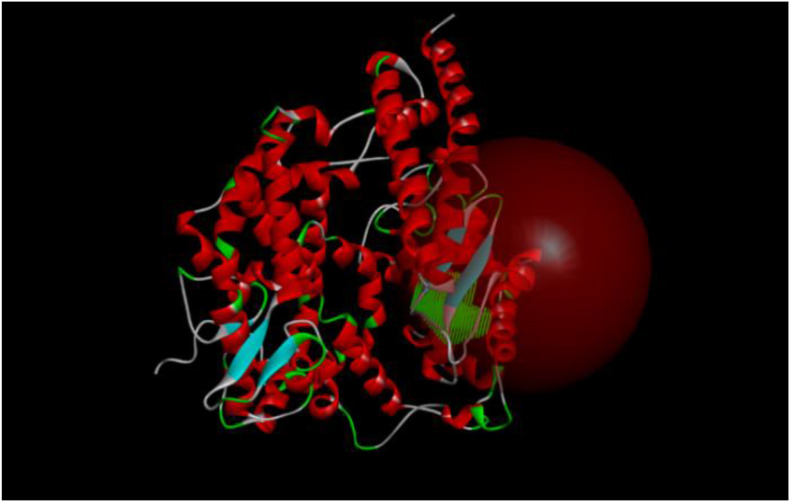
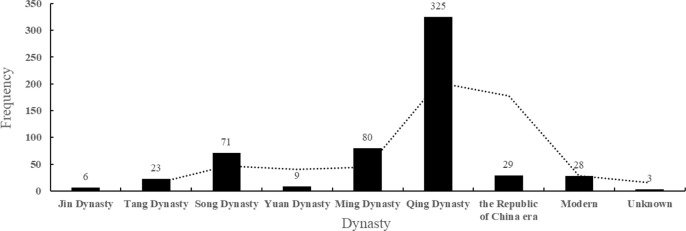
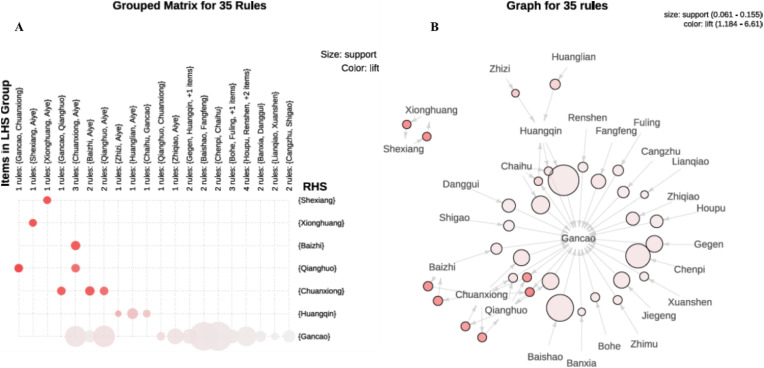
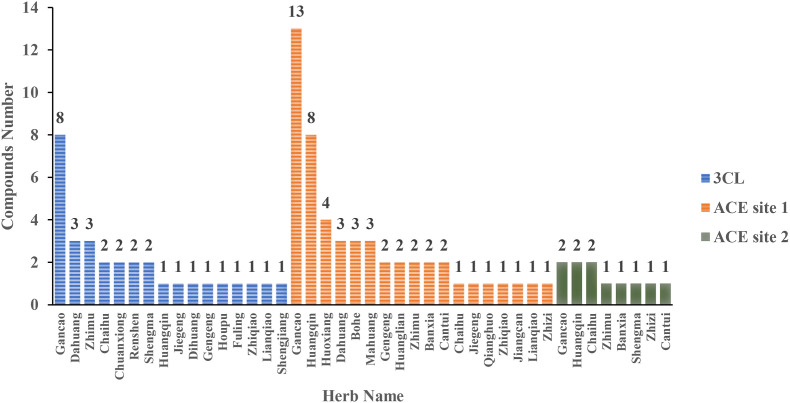
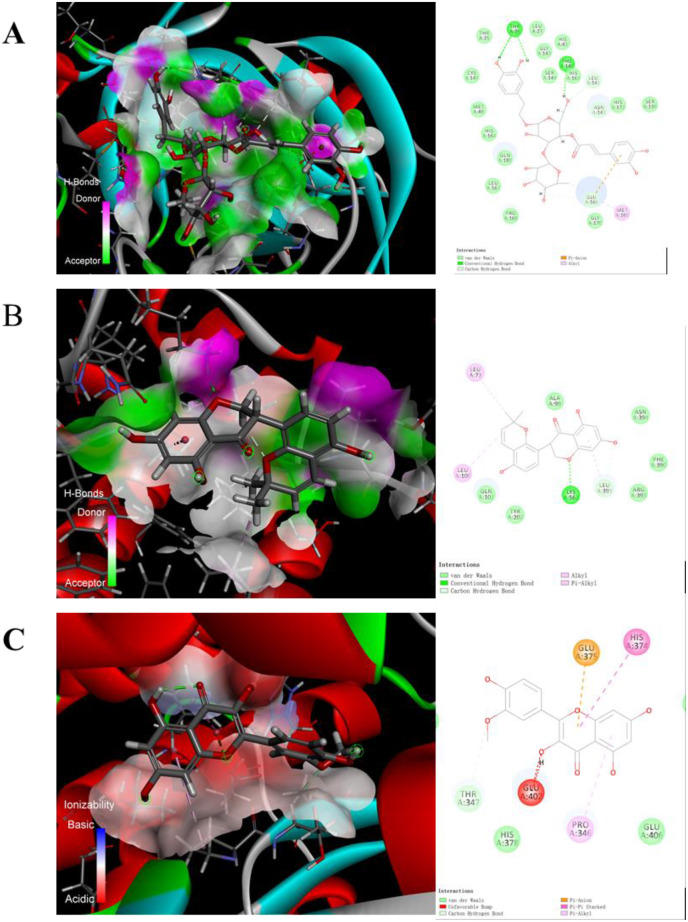
574 prescriptions were obtained from 96,606 classical prescriptions with the key words to treat "Warm diseases (Wenbing)", "Pestilence (Wenyi or Yibing)" or "Epidemic diseases (Shiyi)". Meanwhile, 40 kinds of CMs, 36 CMs-pairs, 6 triple-CMs-groups existed with high frequency among the 574 prescriptions. Additionally, the key targets of SARS-COV-2, namely 3CL hydrolase (Mpro) and angiotensin-converting enzyme 2(ACE2), were used to dock the main ingredients from the 40 kinds by the LigandFitDock method. A total of 66 compounds components with higher frequency were docked with the COVID-19 targets, which were distributed in 26 kinds of CMs, among which Gancao (Glycyrrhizae Radix Et Rhizoma), HuangQin (Scutellariae Radix), Dahuang (Rhei Radix Et Rhizome) and Chaihu (Bupleuri Radix) contain more potential compounds. Network pharmacology results showed that Gancao (Glycyrrhizae Radix Et Rhizoma) and HuangQin (Scutellariae Radix) CMs-pairs could also interact with the targets involving in immune and inflammation diseases.
These results we obtained probably provided potential candidate CMs formulas or active ingredients to overcome COVID-19. Prospectively, animal experiment and rigorous clinic studies are needed to confirm the potential preventive and treat effect of these CMs and compounds.
中药(TCM)已在全球范围内广泛应用。中医药(CMs)数千年来一直用于治疗和预防病毒性肺炎疾病,并积累了大量的临床经验和有效处方。
本研究旨在系统挖掘中国古代防治瘟疫(温病、瘟疫、疫病或疫病)的经典方剂,获得潜在的防治 COVID-19 的方剂和成分。
我们开发了基于数据挖掘、分子对接和网络药理学的筛选系统。数据挖掘和关联网络用于从古代方剂中挖掘高频草药和方剂。通过分子对接方法探索高频 CMs 和配伍中药的有效成分虚拟筛选。此外,网络药理学方法用于初步揭示分子机制。
从 96606 个古典方剂中,以关键词“温病”、“瘟疫”或“疫病”为关键词,共获得 574 个方剂。同时,574 个方剂中存在 40 种 CMs、36 种 CMs 对、6 种三 CMs 组,高频存在。此外,SARS-COV-2 的关键靶点,即 3CL 水解酶(Mpro)和血管紧张素转换酶 2(ACE2),用 LigandFitDock 方法对接 40 种 CMs 中的主要成分。共有 66 种化合物成分以较高的频率与 COVID-19 靶点对接,分布在 26 种 CMs 中,其中甘草(甘草)、黄芩(黄芩)、大黄(大黄)和柴胡(柴胡)含有更多的潜在化合物。网络药理学结果表明,甘草(甘草)和黄芩(黄芩)对 CMs 也可以与涉及免疫和炎症疾病的靶点相互作用。
这些结果可能为克服 COVID-19 提供了潜在的候选 CMs 方剂或活性成分。前瞻性地,需要动物实验和严格的临床研究来证实这些 CMs 和化合物的潜在预防和治疗效果。