Hosnedlova Bozena, Vernerova Katerina, Kizek Rene, Bozzi Riccardo, Kadlec Jaromir, Curn Vladislav, Kouba Frantisek, Fernandez Carlos, Machander Vlastislav, Horna Hana
Veterinary Research Institute, Hudcova 296/70, 621 00 Brno, Czech Republic.
Biotechnological Centre, Faculty of Agriculture, University of South Bohemia in České Budějovice, Studentská 1668, 370 05 České Budějovice, Czech Republic.
Animals (Basel). 2020 May 5;10(5):800. doi: 10.3390/ani10050800.
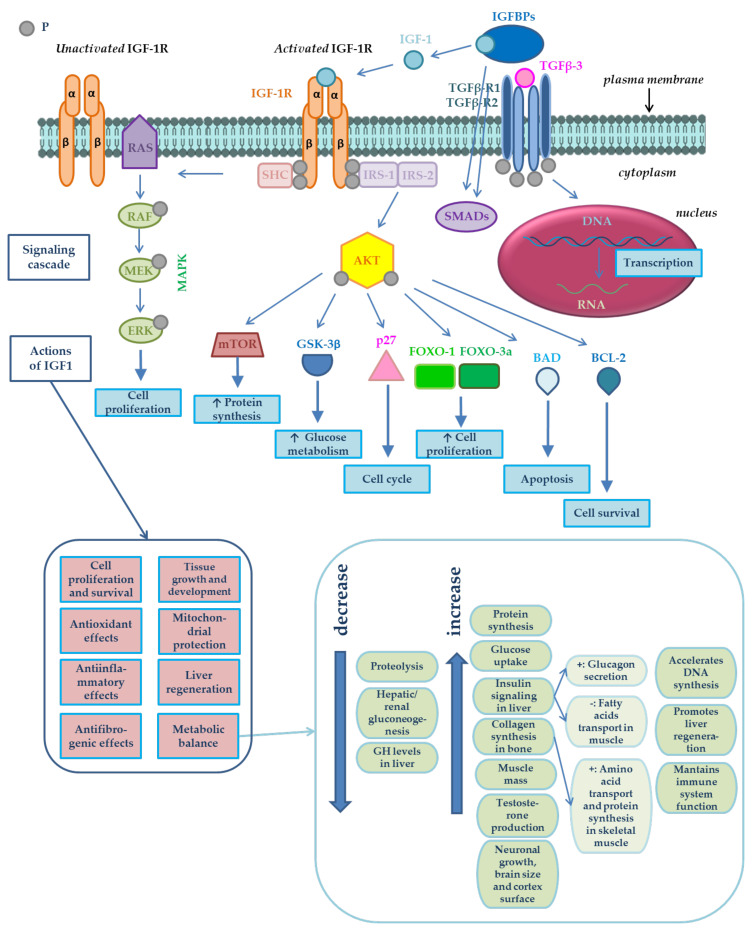
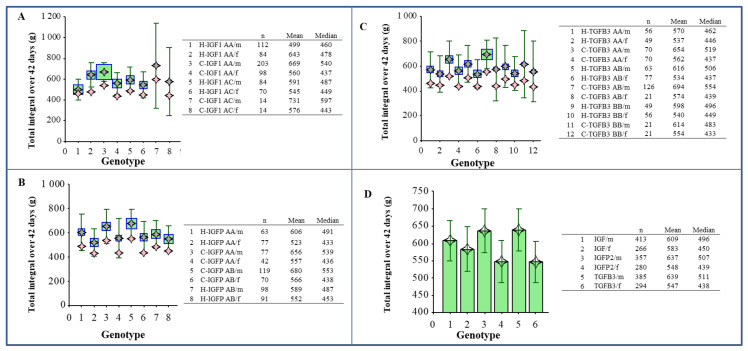
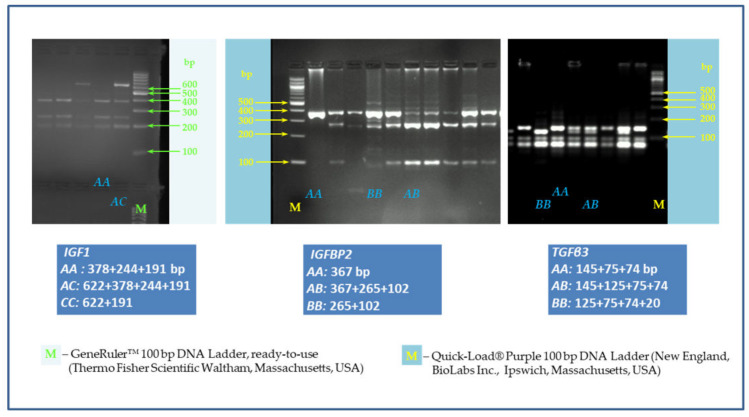
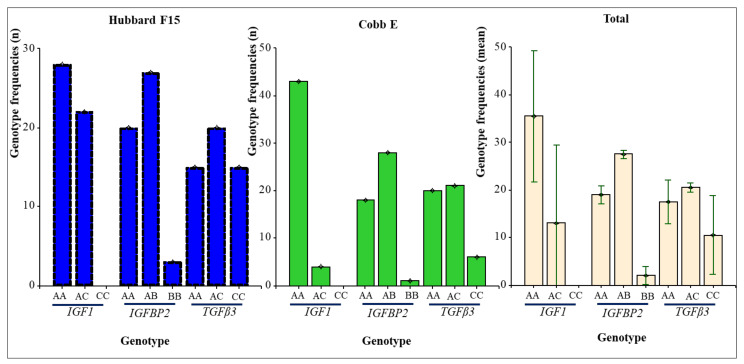
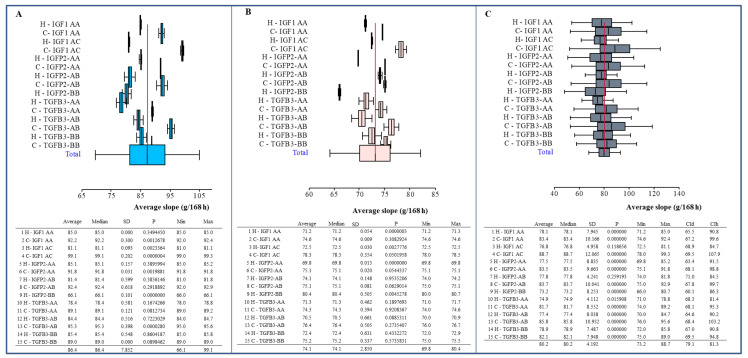
Marker-assisted selection based on fast and accurate molecular analysis of individual genes is considered an acceptable tool in the speed-up of the genetic improvement of production performance in chickens. The objective of this study was to detect the single nucleotide polymorphisms (SNPs) in the and genes, and to investigate their associations with growth performance (body weight (BW) and average daily gain (ADG) at 14, 21, 28, 35 and 42 days of age) and carcass traits in broilers. Performance (carcass) data (weight before slaughter; weights of the trunk, giblets, abdominal fat, breast muscle and thigh muscle; slaughter value and slaughter percentage), as well as blood samples for DNA extraction and SNP analysis, were obtained from 97 chickens belonging to two different lines (Hubbard F15 and Cobb E) equally divided between the two sexes. The genotypes were detected using polymerase chain reaction- restriction fragment length polymorphism (PCR-RFLP) methods with specific primers and restrictase for each gene. The statistical analysis discovered significant associations ( < 0.05) between the SNP and the following parameters: BW at 21, 28 and 35 days, trunk weight and slaughter value. Association analysis of BWs (at 21, 28 and 35 days) and SNPs was always significant for codominant, dominant and overdominant genetic models, showing a possible path for genomic selection in these chicken lines. Slaughter value was significant for codominant, recessive and overdominant patterns, whereas other carcass traits were not influenced by SNPs. Based on the results of this study, we suggested that the TGFβ3 gene could be used as a candidate gene marker for chicken growth traits in the Hubbard F15 and Cobb E population selection programs, whereas for carcass traits further investigation is needed.
基于对单个基因进行快速准确分子分析的标记辅助选择,被认为是加快鸡生产性能遗传改良的一种可接受工具。本研究的目的是检测 基因和 基因中的单核苷酸多态性(SNP),并研究它们与肉鸡生长性能(14、21、28、35和42日龄时的体重(BW)和平均日增重(ADG))以及胴体性状的关联。从97只鸡获取了性能(胴体)数据(屠宰前体重;躯干、内脏、腹脂、胸肌和大腿肌肉的重量;屠宰价值和屠宰率)以及用于DNA提取和SNP分析的血样,这些鸡分属两个不同品系(哈伯德F15和科布E),按性别平均分配。使用聚合酶链反应 - 限制性片段长度多态性(PCR - RFLP)方法,针对每个基因使用特异性引物和限制性内切酶检测基因型。统计分析发现, 基因的SNP与以下参数之间存在显著关联(P < 0.05):21、28和35日龄时的BW、躯干重量和屠宰价值。对于共显性、显性和超显性遗传模型,21、28和35日龄时的BW与SNP的关联分析始终显著,这为这些鸡品系的基因组选择提供了一条可能途径。屠宰价值在共显性、隐性和超显性模式下显著,而其他胴体性状不受SNP影响。基于本研究结果,我们建议在哈伯德F15和科布E群体选择计划中,TGFβ3基因可作为鸡生长性状的候选基因标记,而对于胴体性状则需要进一步研究。