Department of Pharmacy, Ludwig-Maximilians University, Butenandtstrasse 5-13, München D-81377, Germany.
Institute for Organic Chemistry and Macromolecular Chemistry, Friedrich-Schiller-University, Humboldtstrasse 10, Jena D-07743, Germany.
J Am Chem Soc. 2020 May 20;142(20):9240-9249. doi: 10.1021/jacs.9b12898. Epub 2020 May 11.
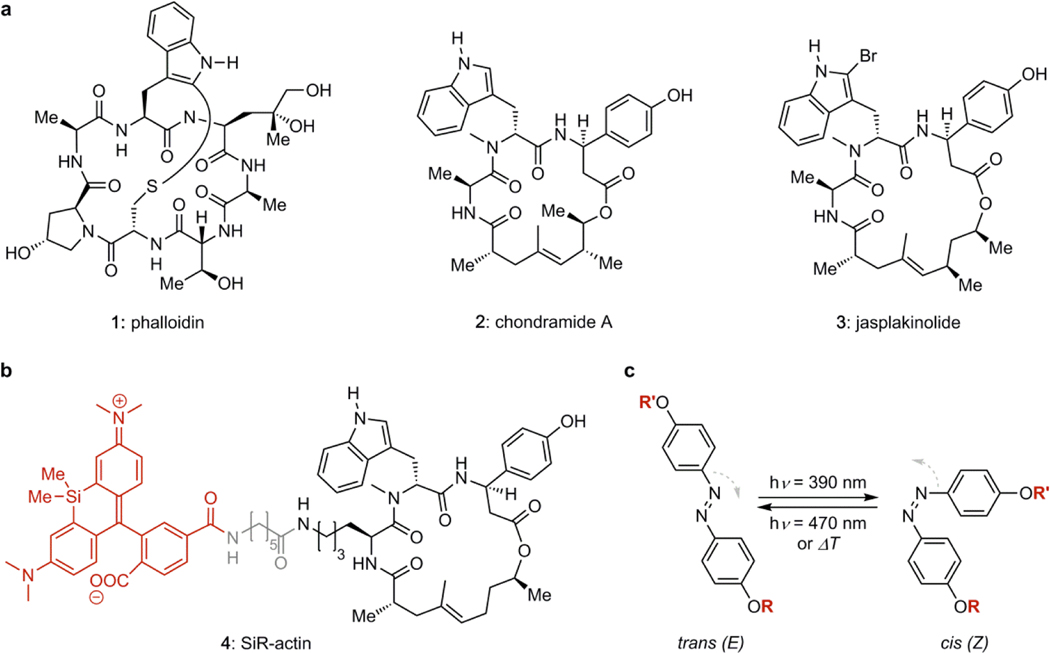
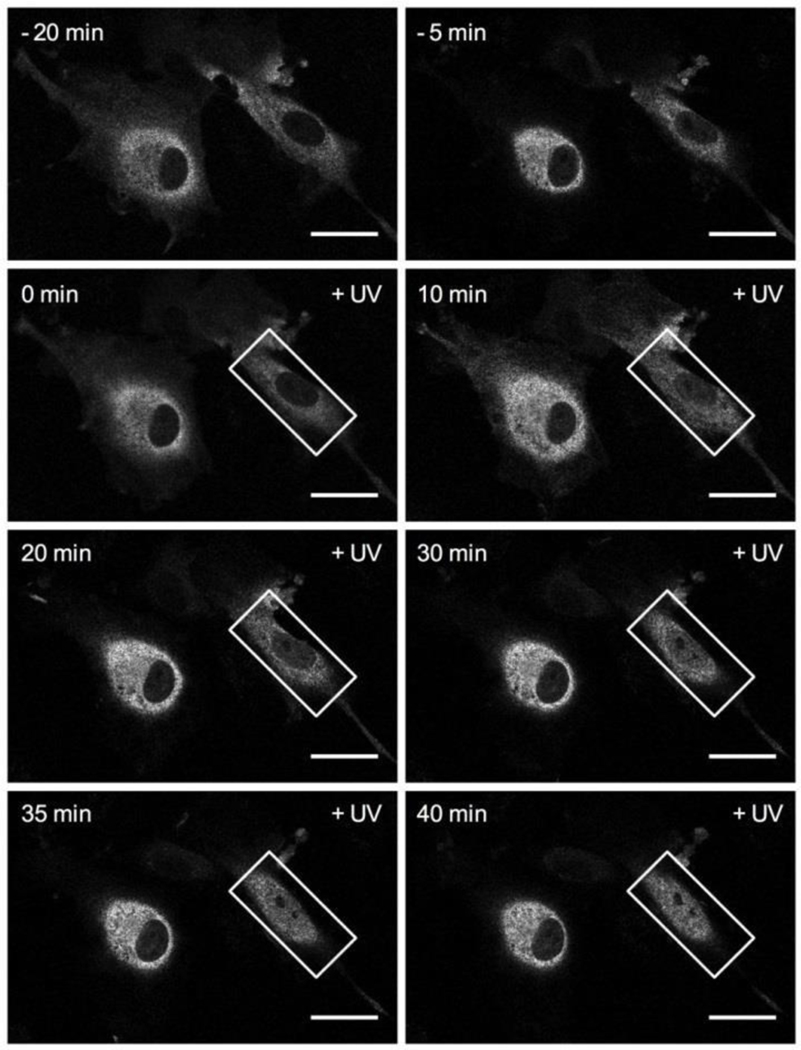
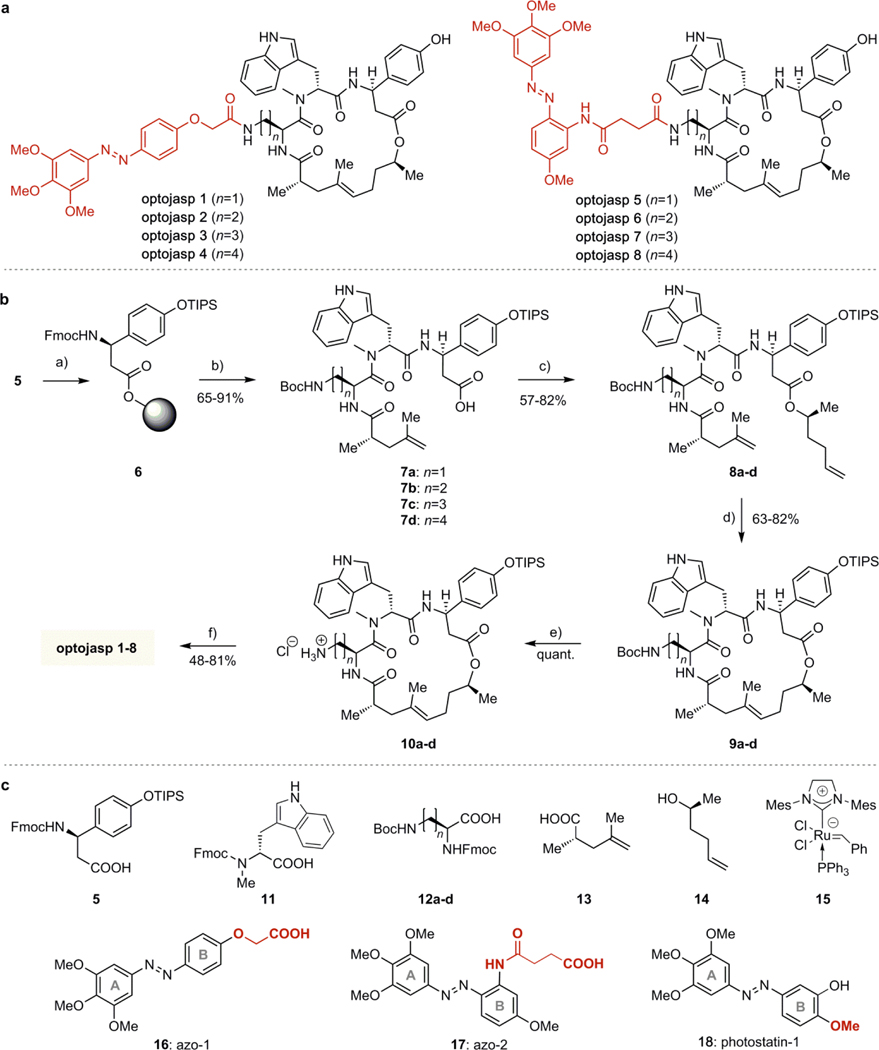
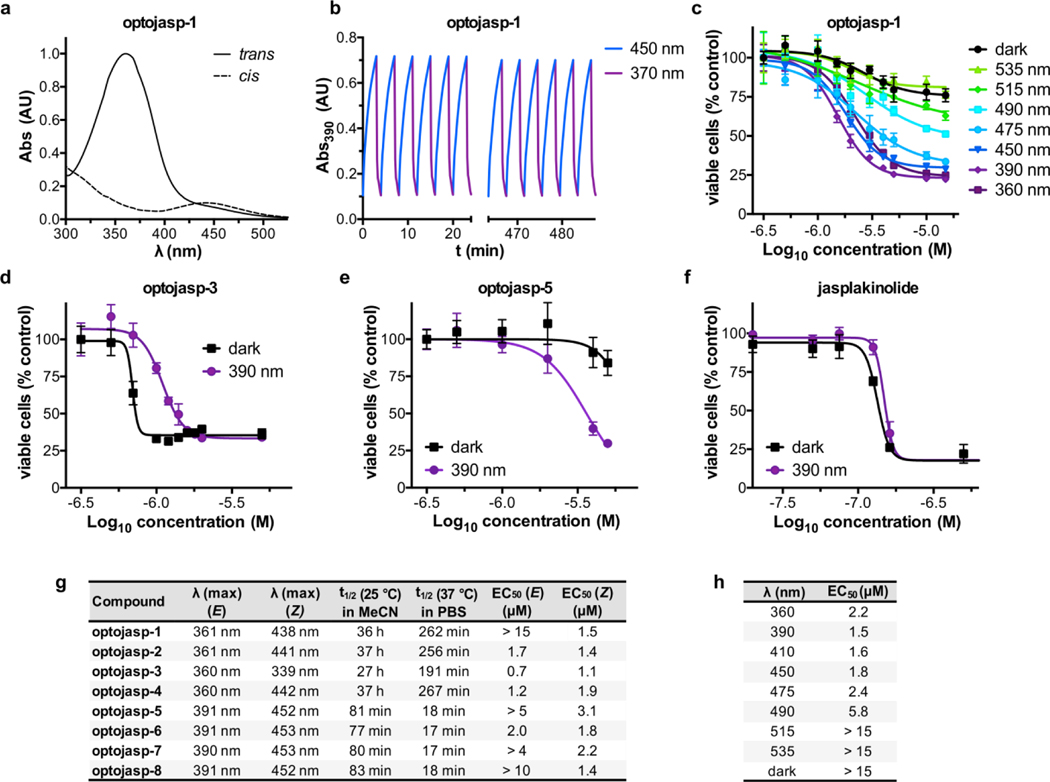
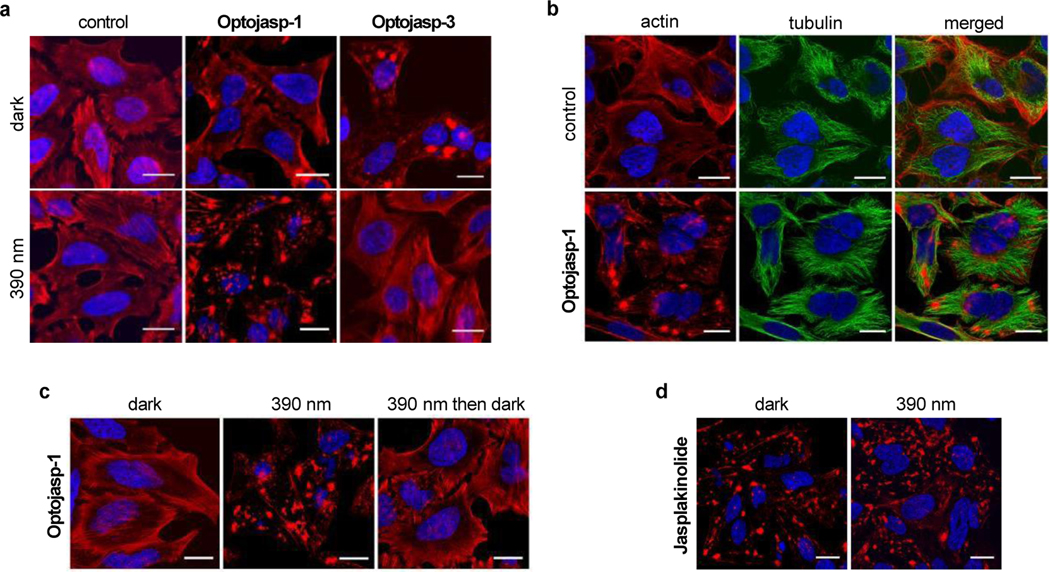
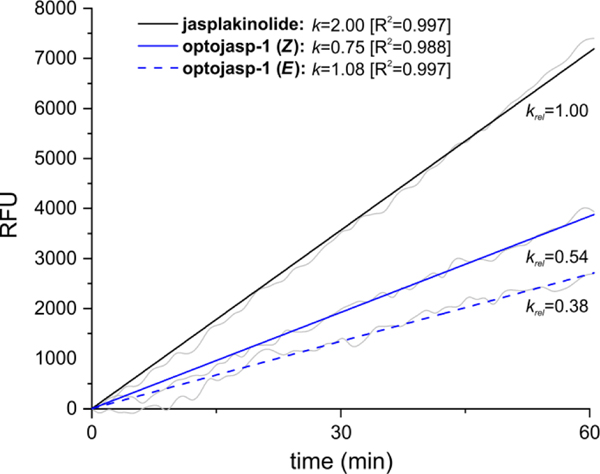
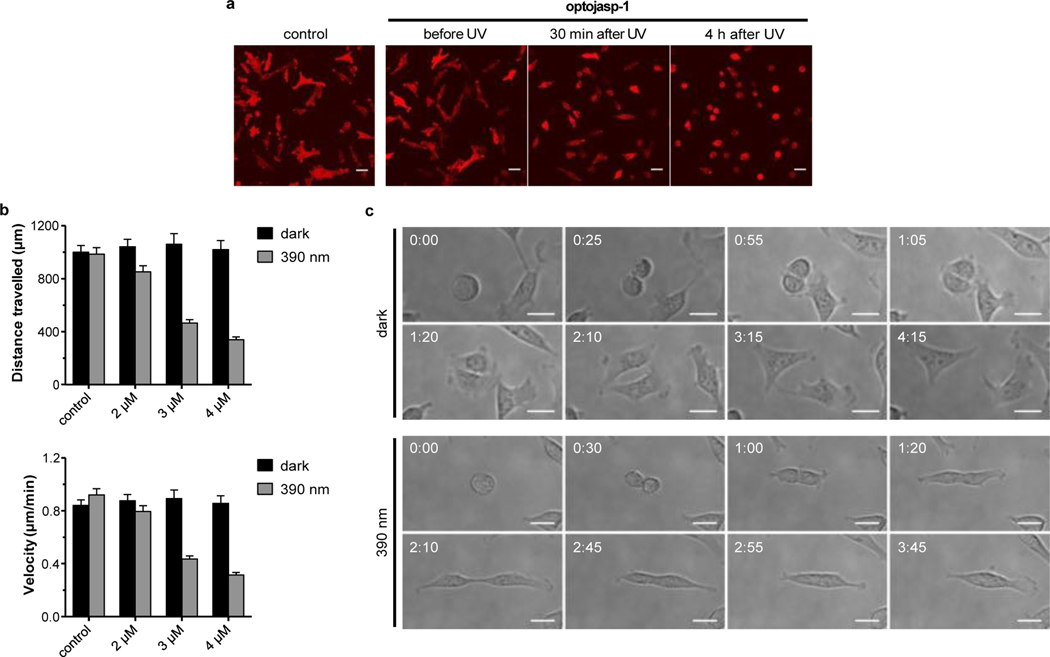
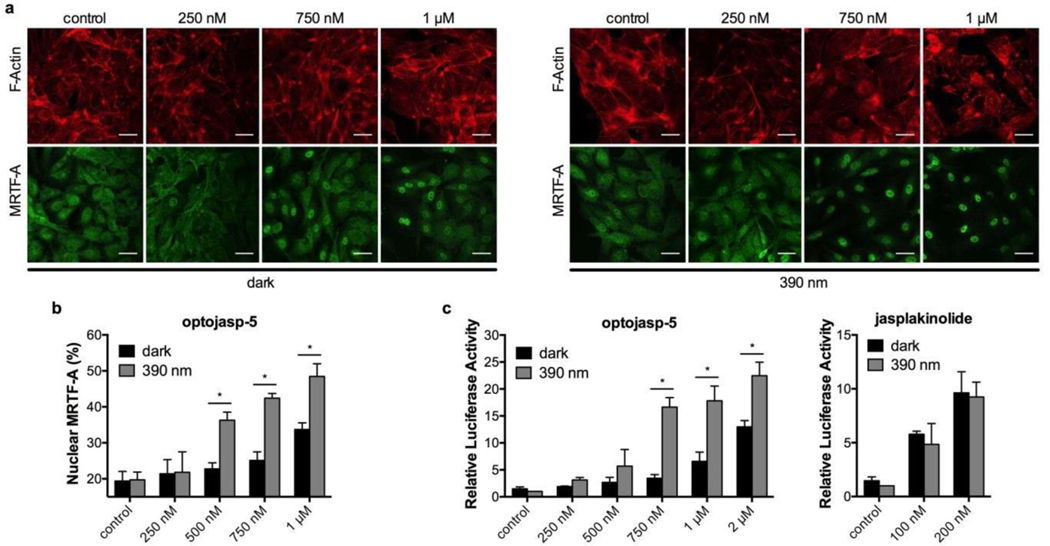
Cell-permeable photoswitchable small molecules, termed , are introduced to optically control the dynamics of the actin cytoskeleton and cellular functions that depend on it. These light-dependent effectors were designed from the F-actin-stabilizing marine depsipeptide jasplakinolide by functionalizing them with azobenzene photoswitches. As demonstrated, can be employed to control cell viability, cell motility, and cytoskeletal signaling with the high spatial and temporal resolution that light affords. can be expected to find applications in diverse areas of cell biological research. They may also provide a template for photopharmacology targeting the ubiquitous actin cytoskeleton with precision control in the micrometer range.
细胞渗透性光致可切换小分子,称为 ,被引入以光学控制肌动蛋白细胞骨架的动力学和依赖于它的细胞功能。这些光依赖性效应器是通过用偶氮苯光开关官能化海洋衍生的 depsipeptide jasplakinolide 来设计的。如所证明的,可以用光赋予的高空间和时间分辨率来控制细胞活力、细胞迁移和细胞骨架信号。可以预期在细胞生物学研究的各个领域得到应用。它们也可能为光药理学提供模板,以在微米范围内精确控制无处不在的肌动蛋白细胞骨架。