Xiao Yanni, Xiang Changcheng, Cheke Robert A, Tang Sanyi
School of Mathematics and Stastics, Xi'an Jiaotong University, Xi'an, 710049, People's Republic of China.
School of Science, Hubei University for Nationalities, Enshi, People's Republic of China.
Bull Math Biol. 2020 May 10;82(5):58. doi: 10.1007/s11538-020-00736-9.
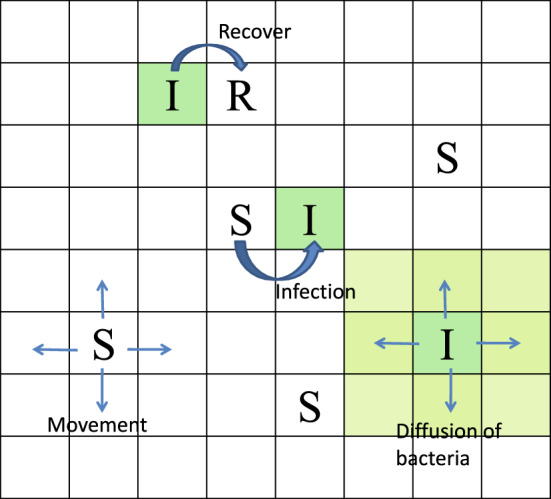
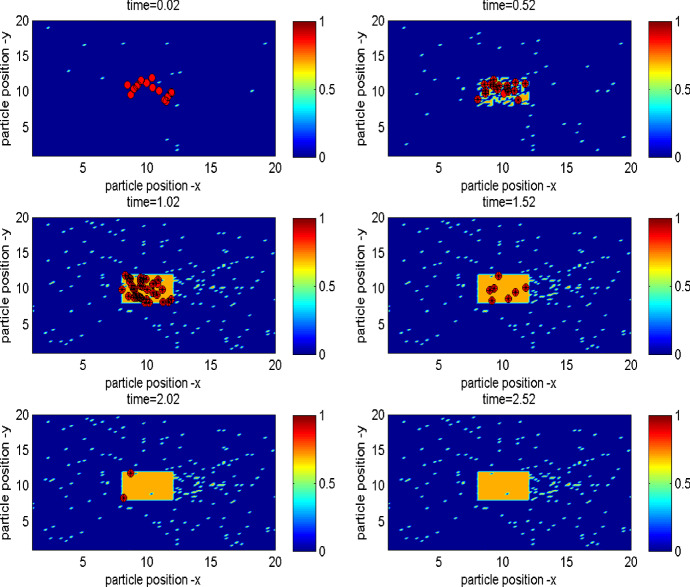
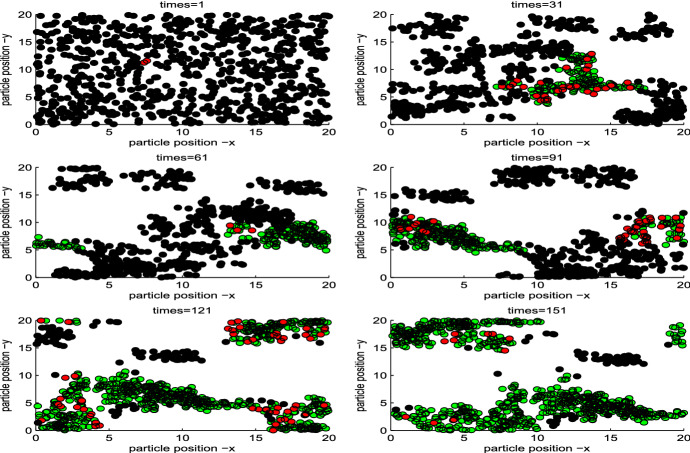
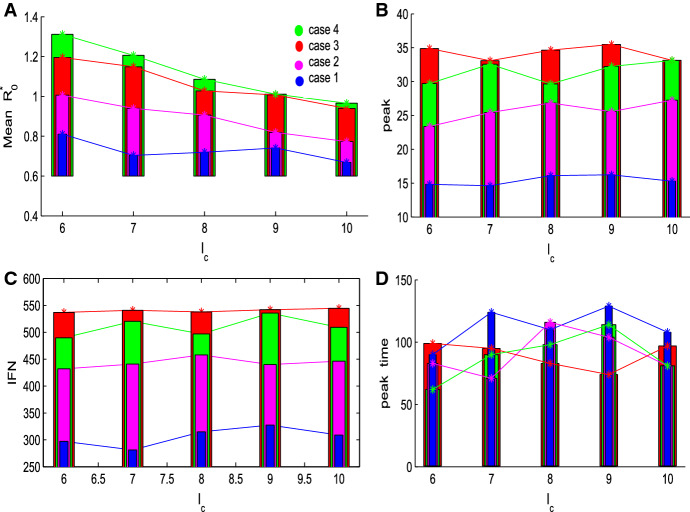
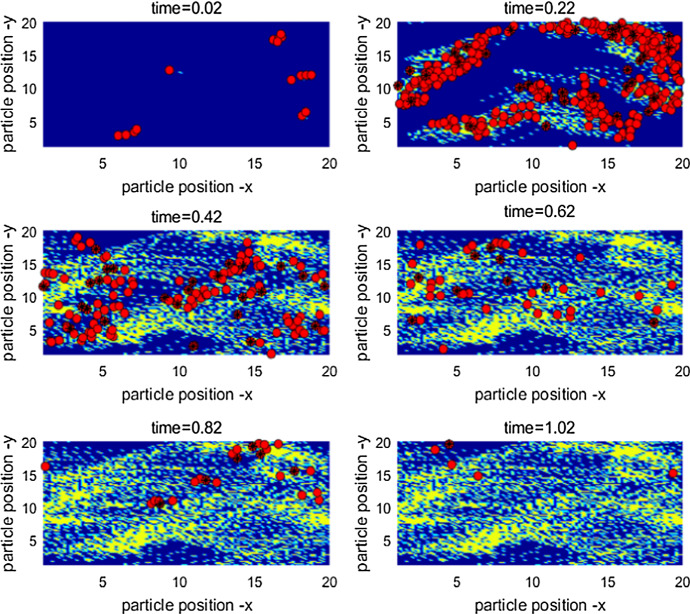
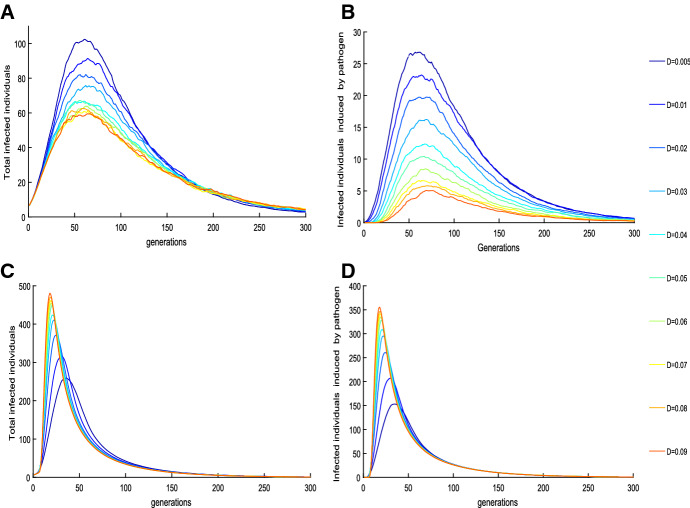
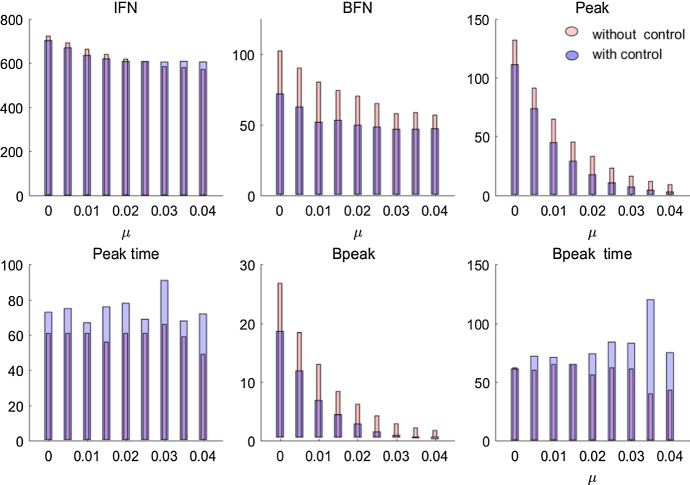
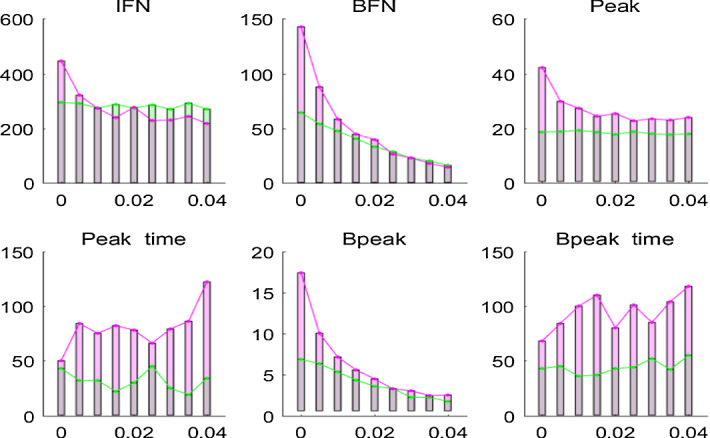
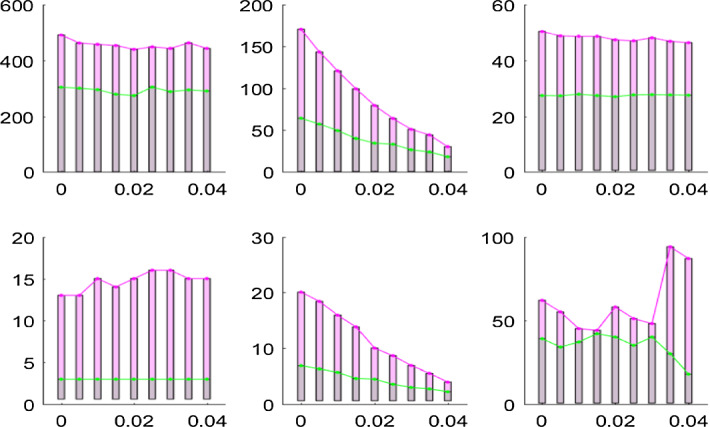
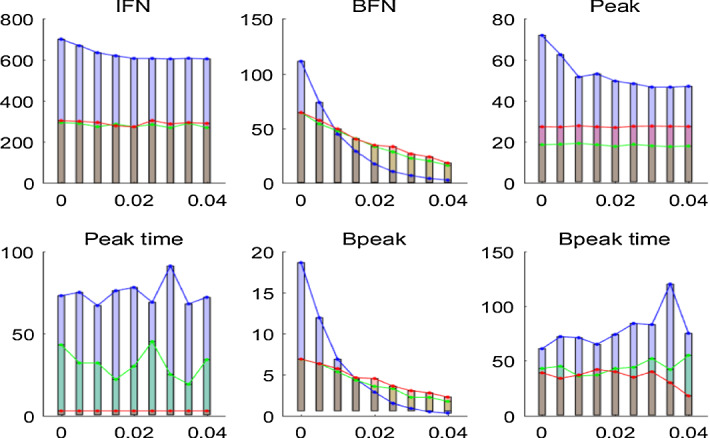
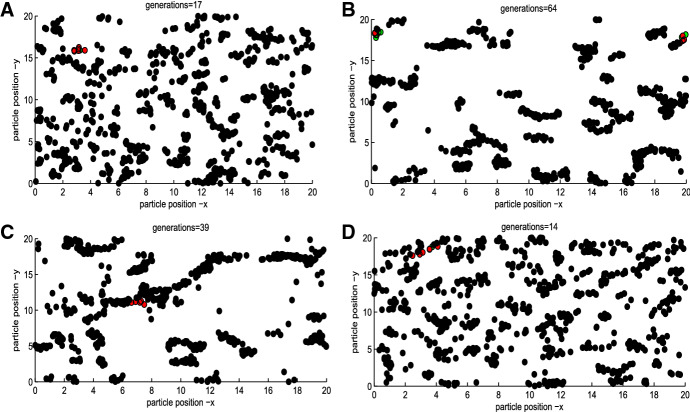
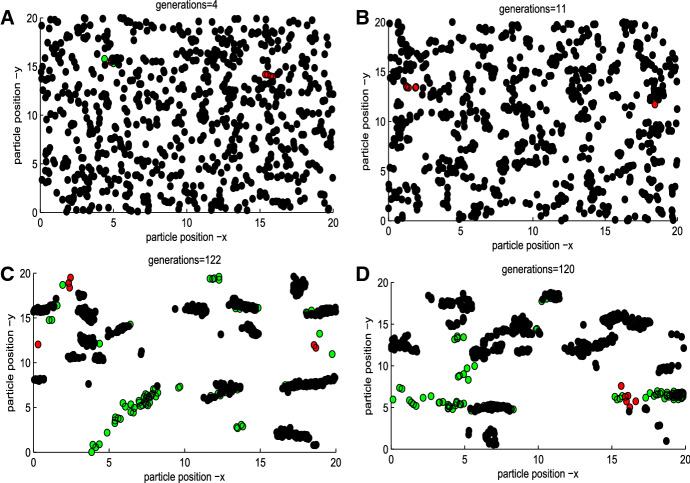
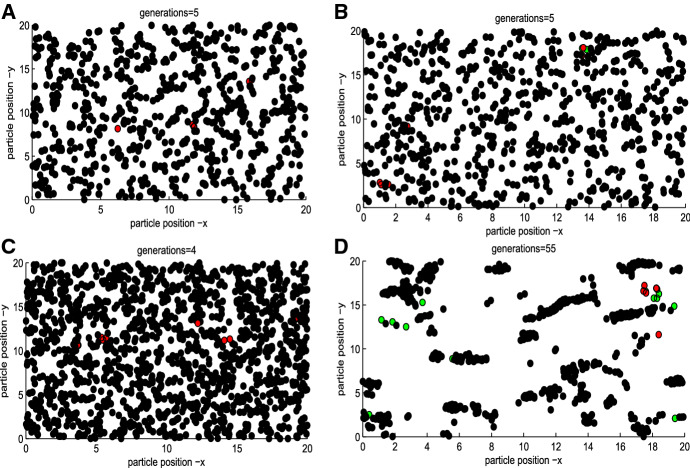
There are many challenges to coupling the macroscale to the microscale in temporal or spatial contexts. In order to examine effects of an individual movement and spatial control measures on a disease outbreak, we developed a multiscale model and extended the semi-stochastic simulation method by linking individual movements to pathogen's diffusion, linking the slow dynamics for disease transmission at the population level to the fast dynamics for pathogen shedding/excretion at the individual level. Numerical simulations indicate that during a disease outbreak individuals with the same infection status show the property of clustering and, in particular, individuals' rapid movements lead to an increase in the average reproduction number [Formula: see text], the final size and the peak value of the outbreak. It is interesting that a high level of aggregation the individuals' movement results in low new infections and a small final size of the infected population. Further, we obtained that either high diffusion rate of the pathogen or frequent environmental clearance lead to a decline in the total number of infected individuals, indicating the need for control measures such as improving air circulation or environmental hygiene. We found that the level of spatial heterogeneity when implementing control greatly affects the control efficacy, and in particular, an uniform isolation strategy leads to low a final size and small peak, compared with local measures, indicating that a large-scale isolation strategy with frequent clearance of the environment is beneficial for disease control.
在时间或空间背景下将宏观尺度与微观尺度耦合存在诸多挑战。为了研究个体移动和空间控制措施对疾病爆发的影响,我们开发了一个多尺度模型,并通过将个体移动与病原体扩散相联系,将人群层面疾病传播的慢动态与个体层面病原体排出/排泄的快动态相联系,扩展了半随机模拟方法。数值模拟表明,在疾病爆发期间,具有相同感染状态的个体呈现聚集特性,特别是个体的快速移动会导致平均繁殖数[公式:见原文]、疫情最终规模和峰值增加。有趣的是,个体移动的高度聚集会导致新感染数量减少以及感染人群的最终规模变小。此外,我们发现病原体的高扩散率或频繁的环境清除会导致感染个体总数下降,这表明需要采取改善空气流通或环境卫生等控制措施。我们发现实施控制时的空间异质性水平极大地影响控制效果,特别是与局部措施相比,统一隔离策略会导致最终规模较小且峰值较低,这表明频繁进行环境清除的大规模隔离策略有利于疾病控制。