Avazzadeh Sahar, O'Farrell Andrea, Flaherty Kate, O'Connell Sandra, ÓLaighin Gearóid, Quinlan Leo R
Physiology, School of Medicine, NUI Galway, University Road, Galway H91 TK33, Ireland.
Electrical & Electronic Engineering, School of Engineering, NUI Galway, University Road, Galway H91 TK33, Ireland.
J Pers Med. 2020 May 7;10(2):36. doi: 10.3390/jpm10020036.
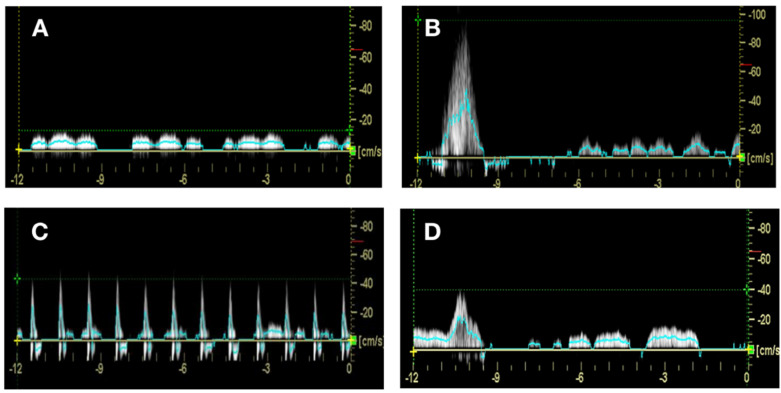
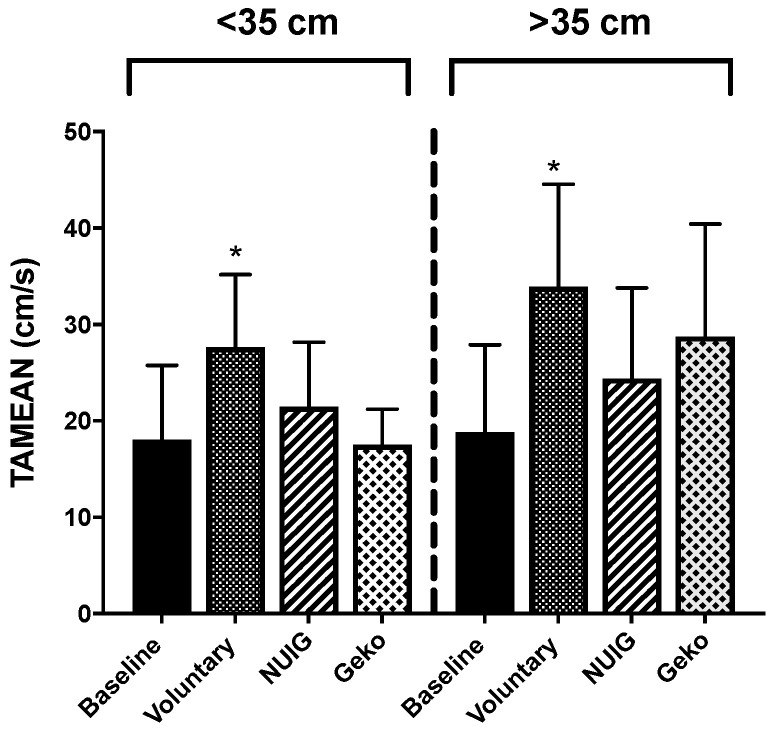
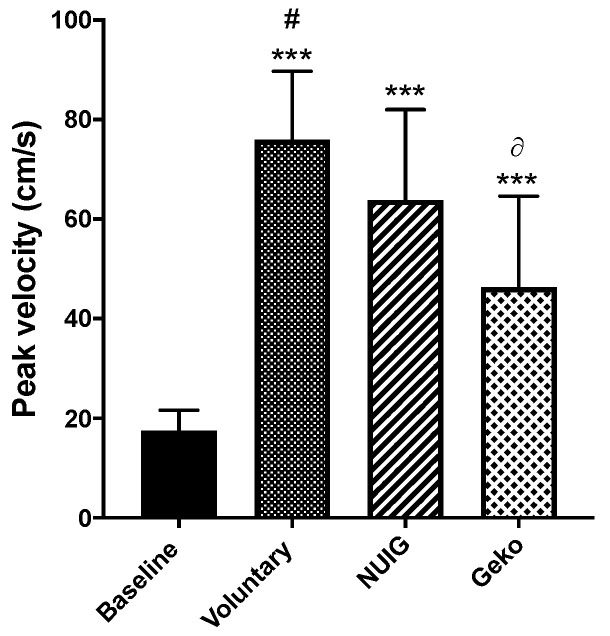
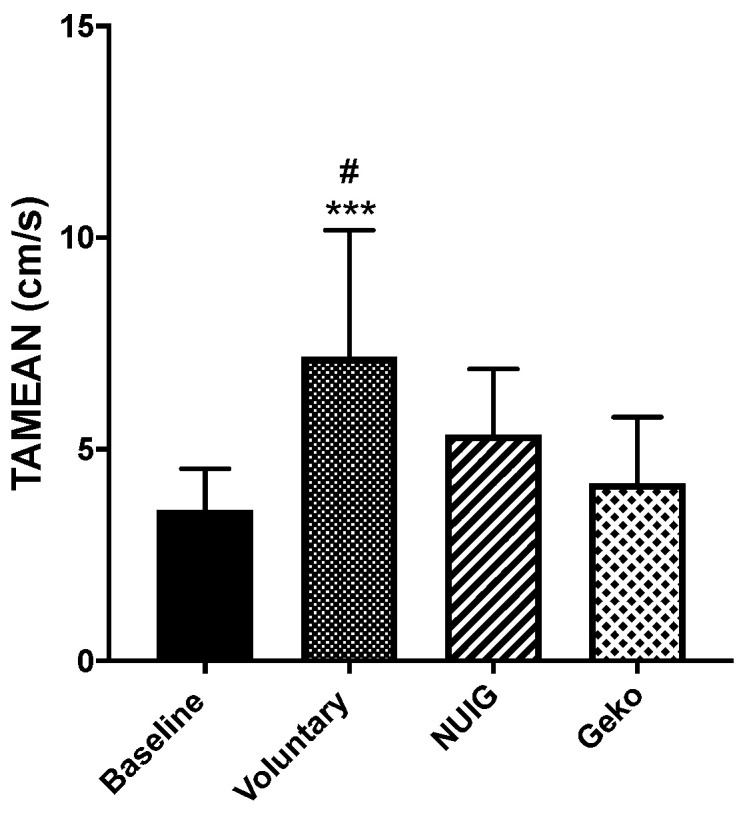
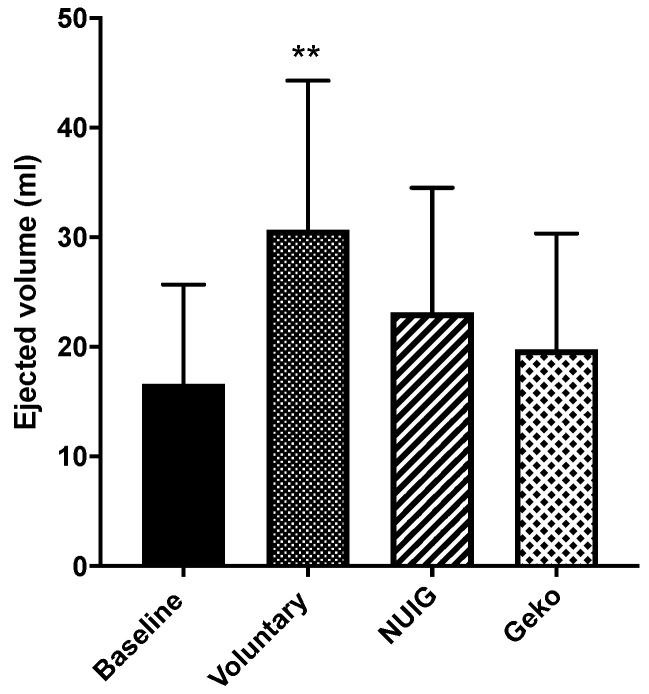
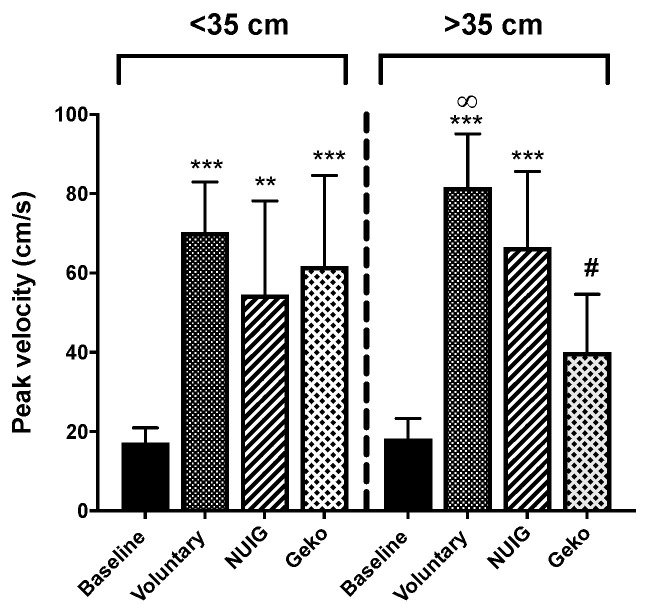
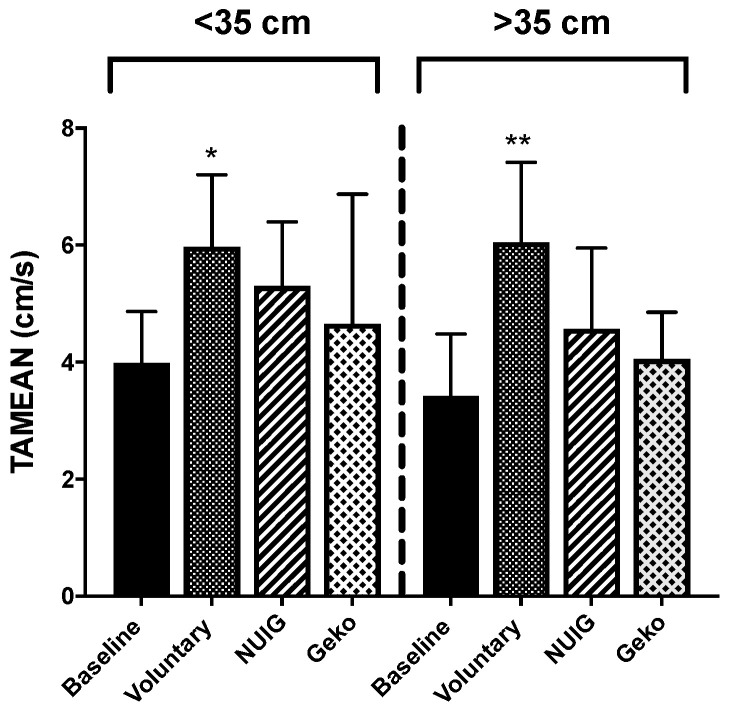
Currently, 1% of the population of the Western world suffers from venous leg ulcers as a result of chronic venous insufficiency. Current treatment involves the use of moist wound healing, compression bandages, and intermittent pneumatic compression. Neuromuscular electrical stimulation is a novel potential new therapeutic method for the promotion of increased lower limb hemodynamics. The aim of this study was to measure the hemodynamic changes in the lower limb with the use of two neuromuscular electrical stimulation devices. Twelve healthy volunteers received two neuromuscular stimulation device interventions. The Geko and National University of Ireland (NUI) Galway neuromuscular electrical stimulation devices were randomized between dominant and non-dominant legs. Hemodynamic measurements of peak venous velocity (cm/s), the time average mean velocity (TAMEAN) (cm/s), and ejected volume (mL) of blood were recorded. Peak venous velocity was significantly increased by the Geko and the NUI Galway device compared to baseline blood flow ( < 0.0001), while only the voluntary contraction produced significant increases in TAMEAN and ejected volume (both < 0.05). Neuromuscular muscular electrical stimulation can produce adequate increases in lower limb hemodynamics sufficient to prevent venous stasis. Greater use of neuromuscular stimulation devices could be considered in the treatment of conditions related to chronic venous insufficiency but requires further research.
目前,西方世界1%的人口因慢性静脉功能不全患有下肢静脉溃疡。目前的治疗方法包括使用湿性伤口愈合、加压绷带和间歇性气动加压。神经肌肉电刺激是一种促进下肢血流动力学增加的新型潜在治疗方法。本研究的目的是使用两种神经肌肉电刺激设备测量下肢的血流动力学变化。12名健康志愿者接受了两种神经肌肉刺激设备干预。Geko和爱尔兰国立大学(NUI)戈尔韦神经肌肉电刺激设备在优势腿和非优势腿之间随机分配。记录了静脉峰值流速(cm/s)、时间平均平均流速(TAMEAN)(cm/s)和血液排出量(mL)的血流动力学测量值。与基线血流相比,Geko和NUI戈尔韦设备使静脉峰值流速显著增加(<0.0001),而只有自主收缩使TAMEAN和排出量显著增加(均<0.05)。神经肌肉电刺激可使下肢血流动力学充分增加,足以防止静脉淤滞。在治疗与慢性静脉功能不全相关的疾病时,可以考虑更多地使用神经肌肉刺激设备,但这需要进一步研究。