Biomedical Research Center (CINBIO), Department of Analytical and Food Chemistry, Campus Universitario de Vigo, University of Vigo, 36310 Vigo, Spain.
Laboratoire Phycotoxines, Ifremer, Rue de l'Île d'Yeu, 44311 Nantes, France.
Toxins (Basel). 2020 May 7;12(5):305. doi: 10.3390/toxins12050305.
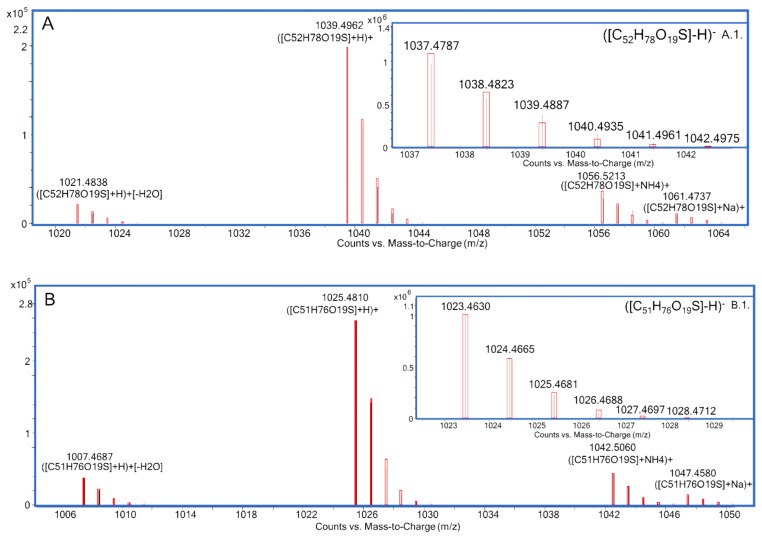
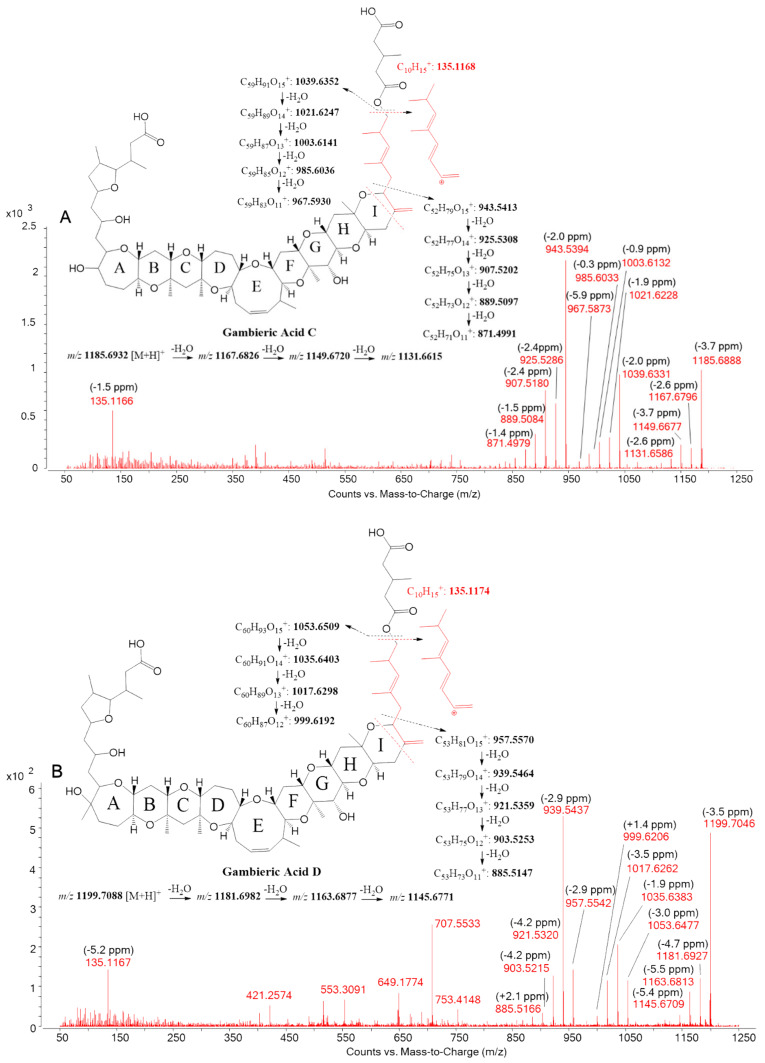
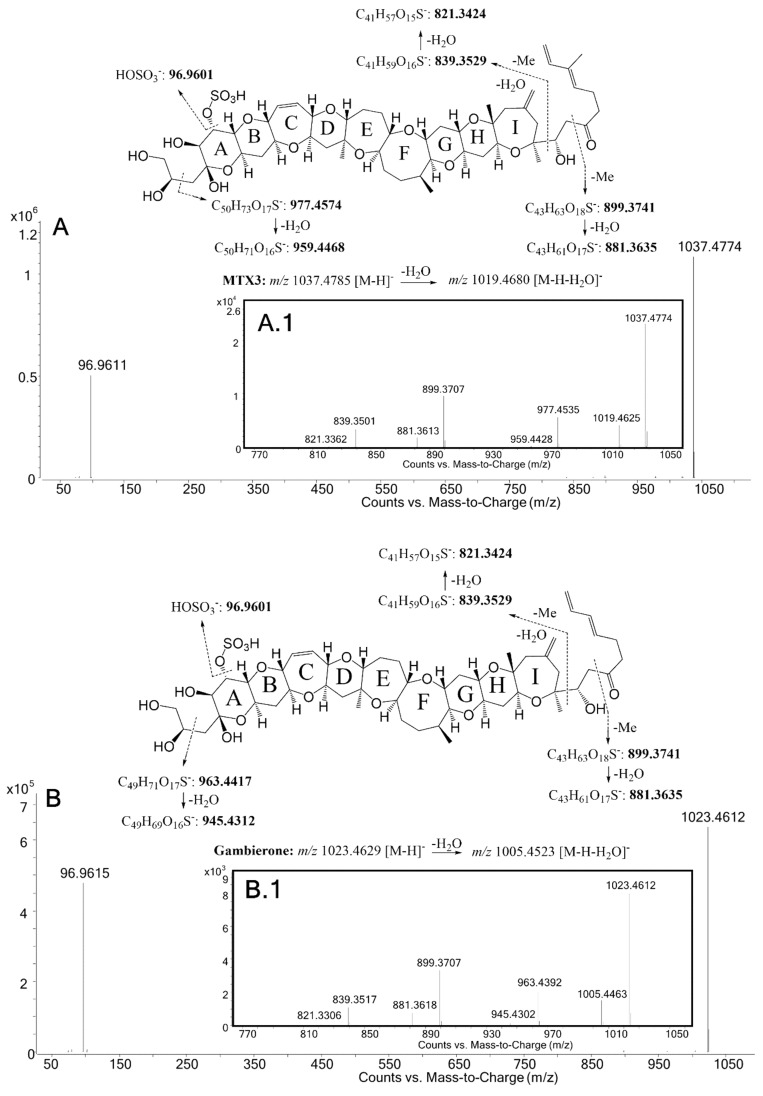
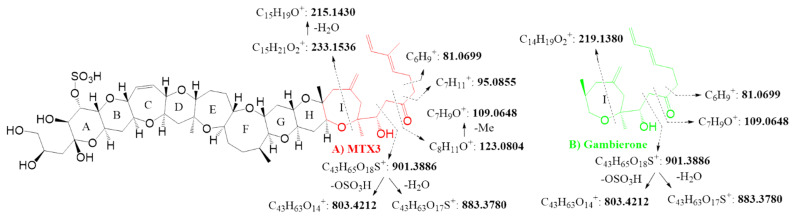
Over the last decade, knowledge has significantly increased on the taxonomic identity and distribution of dinoflagellates of the genera and . Additionally, a number of hitherto unknown bioactive metabolites have been described, while the role of these compounds in ciguatera poisoning (CP) remains to be clarified. Ciguatoxins and maitotoxins are very toxic compounds produced by these dinoflagellates and have been described since the 1980s. Ciguatoxins are generally described as the main contributors to this food intoxication. Recent reports of CP in temperate waters of the Canary Islands (Spain) and the Madeira archipelago (Portugal) triggered the need for isolation and cultivation of dinoflagellates from these areas, and their taxonomic and toxicological characterization. Maitotoxins, and specifically maitotoxin-4, has been described as one of the most toxic compounds produced by these dinoflagellates (e.g., ) in the Canary Islands. Thus, characterization of toxin profiles of species from adjacent regions appears critical. The combination of liquid chromatography coupled to either low- or high-resolution mass spectrometry allowed for characterization of several strains of and from the Mediterranean Sea and the Canary Islands. Maitotoxin-3, two analogues tentatively identified as gambieric acid C and D, a putative gambierone analogue and a putative gambieroxide were detected in all strains from Menorca and Mallorca (Balearic Islands, Spain) while only maitotoxin-3 was present in an strain of the same region. An unidentified species ( sp.2) from Crete (Greece) showed a different toxin profile, detecting both maitotoxin-3 and gambierone, while the availability of a strain from the Canary Islands (Spain) confirmed the presence of maitotoxin-4 in this species. Overall, this study shows that toxin profiles not only appear to be species-specific but probably also specific to larger geographic regions.
在过去的十年中,人们对 和 属中 沟鞭藻类的分类身份和分布有了显著的了解。此外,还描述了一些以前未知的生物活性代谢物,而这些化合物在雪卡鱼中毒(CP)中的作用仍有待澄清。雪卡毒素和鳗草毒素是这些沟鞭藻类产生的非常有毒的化合物,自 20 世纪 80 年代以来就已被描述。雪卡毒素通常被描述为导致这种食物中毒的主要因素。最近在西班牙加那利群岛和葡萄牙马德拉群岛的温带水域报告的 CP 事件引发了从这些地区分离和培养沟鞭藻类及其分类和毒理学特征的需求。鳗草毒素,特别是鳗草毒素-4,被描述为这些沟鞭藻类(例如,)在加那利群岛产生的最有毒化合物之一。因此,毗邻地区 的 种的毒素特征的表征似乎至关重要。液相色谱与低或高分辨率质谱的结合,允许对来自地中海和加那利群岛的 和 几种菌株进行特征描述。在梅诺卡岛和马略卡岛(西班牙巴利阿里群岛)的所有 菌株中都检测到了鳗草毒素-3、两种暂定鉴定为 Gambieric acid C 和 D 的类似物、一种推定的 Gambierone 类似物和一种推定的 Gambieroxide,而同一地区的一种 菌株中只存在鳗草毒素-3。来自克里特岛(希腊)的一种未鉴定的 种(sp.2)显示出不同的毒素特征,同时检测到鳗草毒素-3 和 Gambierone,而来自加那利群岛(西班牙)的一种 菌株的存在证实了该物种中存在鳗草毒素-4。总的来说,这项研究表明,毒素特征不仅似乎是种特异性的,而且可能还与更大的地理区域特异性相关。