Michigan Neuroscience Institute & Department of Molecular and Integrative Physiology, University of Michigan, Ann Arbor, MI, USA.
Mol Psychiatry. 2020 Dec;25(12):3164-3177. doi: 10.1038/s41380-020-0772-y. Epub 2020 May 13.
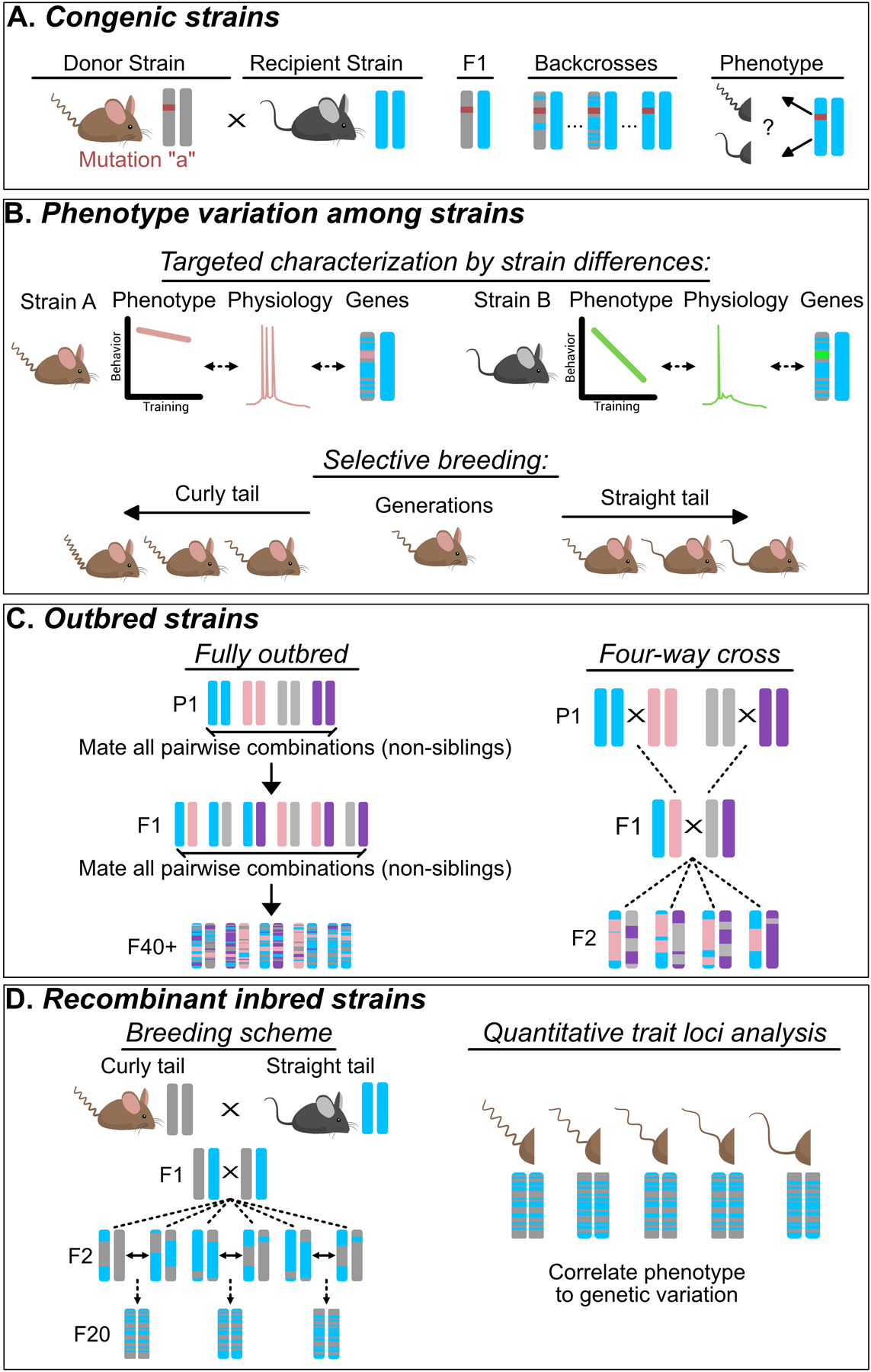
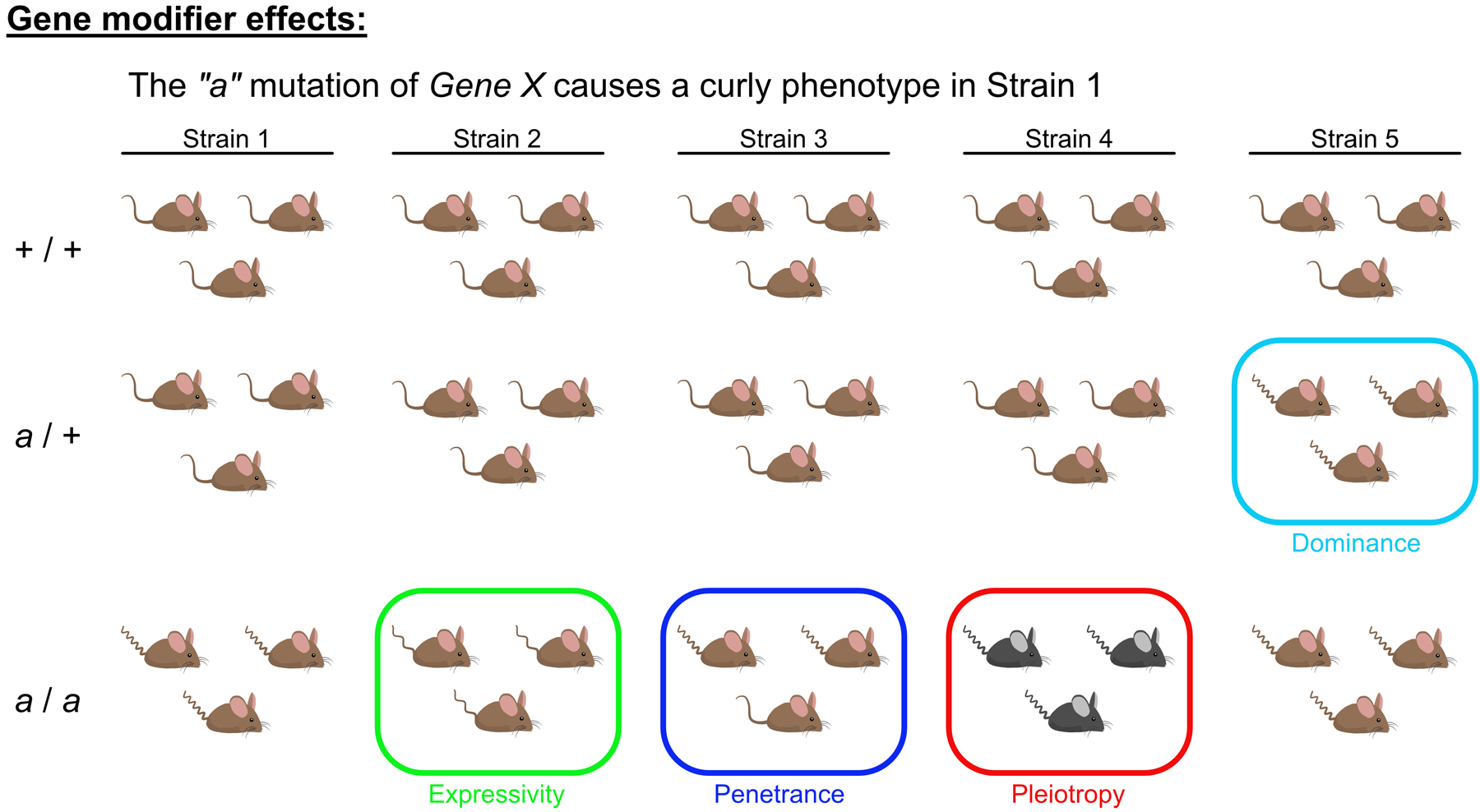
There is a paucity in the development of new mechanistic insights and therapeutic approaches for treating psychiatric disease. One of the major challenges is reflected in the growing consensus that risk for these diseases is not determined by a single gene, but rather is polygenic, arising from the action and interaction of multiple genes. Canonically, experimental models in mice have been designed to ascertain the relative contribution of a single gene to a disease by systematic manipulation (e.g., mutation or deletion) of a known candidate gene. Because these studies have been largely carried out using inbred isogenic mouse strains, in which there is no (or very little) genetic diversity among subjects, it is difficult to identify unique allelic variants, gene modifiers, and epigenetic factors that strongly affect the nature and severity of these diseases. Here, we review various methods that take advantage of existing genetic diversity or that increase genetic variance in mouse models to (1) strengthen conclusions of single-gene function; (2) model diversity among human populations; and (3) dissect complex phenotypes that arise from the actions of multiple genes.
在开发治疗精神疾病的新机制见解和治疗方法方面,我们的进展十分有限。其中一个主要挑战体现在人们越来越达成共识,即这些疾病的风险不是由单个基因决定的,而是多基因的,是由多个基因的作用和相互作用产生的。传统上,通过对已知候选基因的系统操作(例如突变或缺失),设计小鼠的实验模型来确定单个基因对疾病的相对贡献。由于这些研究主要使用近交同基因小鼠品系进行,这些品系中个体之间没有(或很少)遗传多样性,因此很难确定强烈影响这些疾病性质和严重程度的独特等位基因变异、基因修饰因子和表观遗传因素。在这里,我们综述了各种利用现有遗传多样性或增加小鼠模型遗传方差的方法,以:(1) 加强单基因功能的结论;(2) 模拟人类群体之间的多样性;和 (3) 剖析由多个基因作用产生的复杂表型。