Key Laboratory of High-Efficiency and Clean Mechanical Manufacture of MOE, National Demonstration Center for Experimental Mechanical Engineering Education, School of Mechanical Engineering, Shandong University, Jinan 250061, China.
Institute of Neurology, Shandong University, Jinan, China.
Comput Intell Neurosci. 2020 Jan 10;2020:6925107. doi: 10.1155/2020/6925107. eCollection 2020.
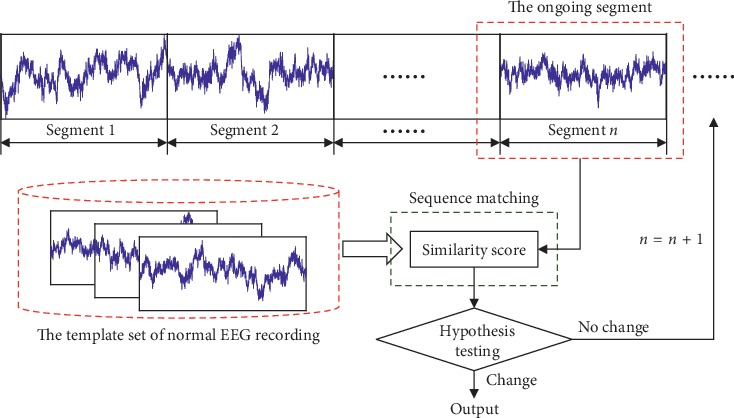
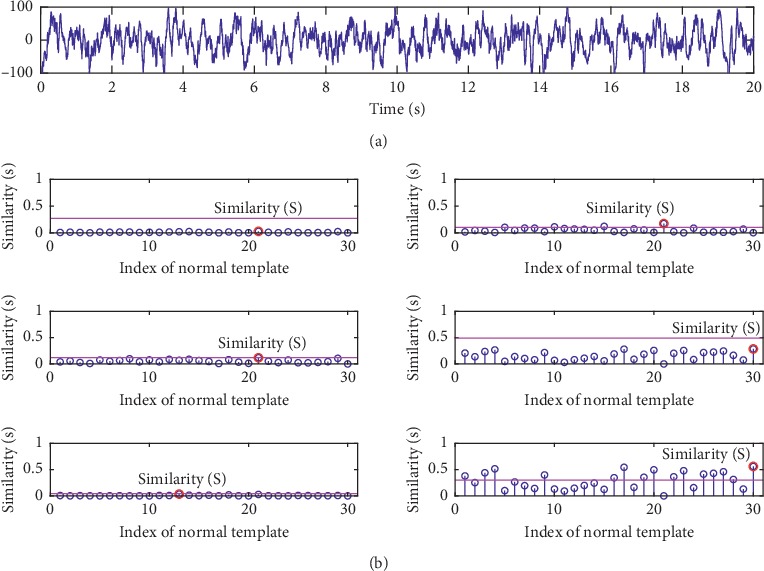
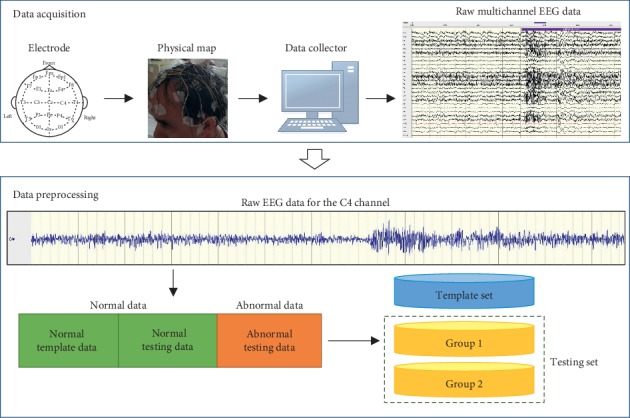
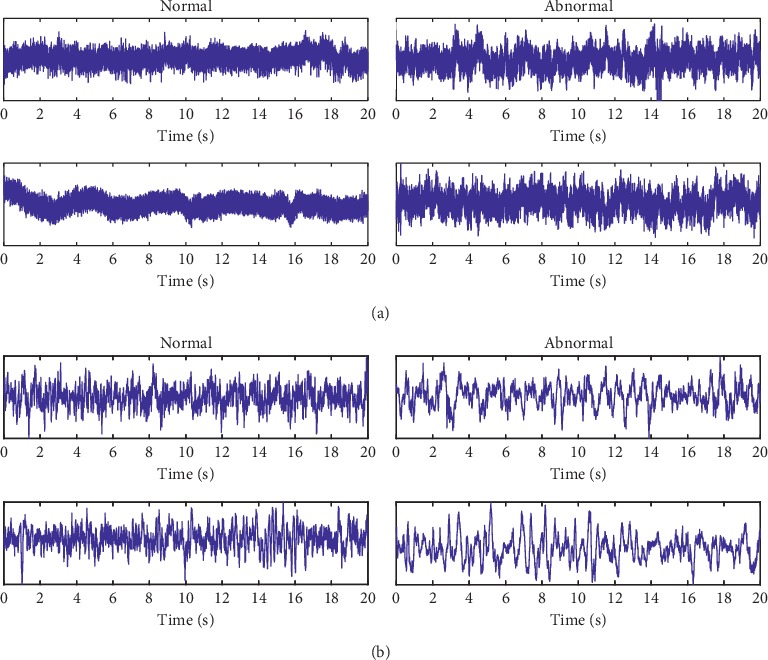
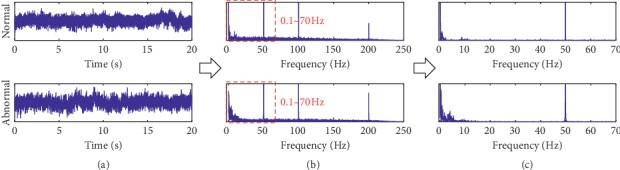
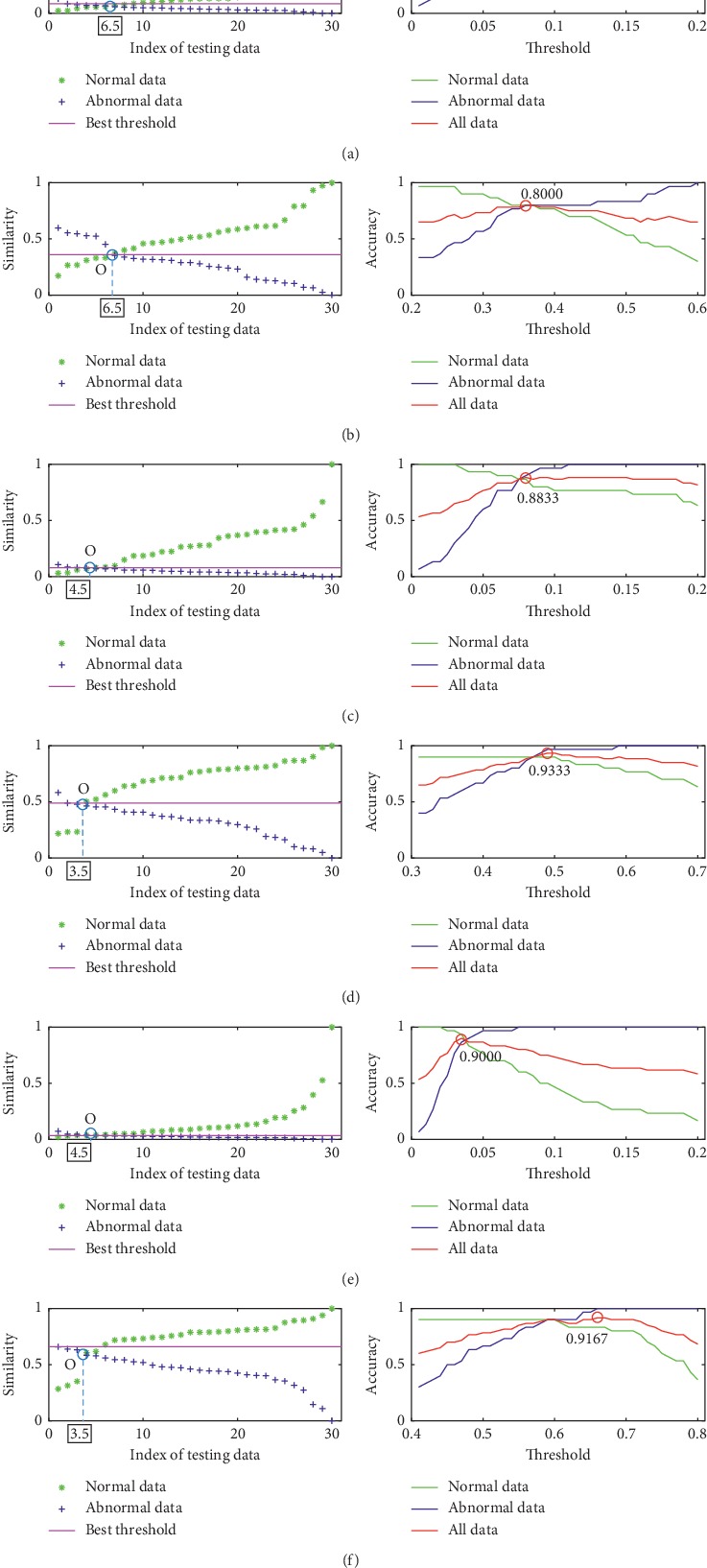
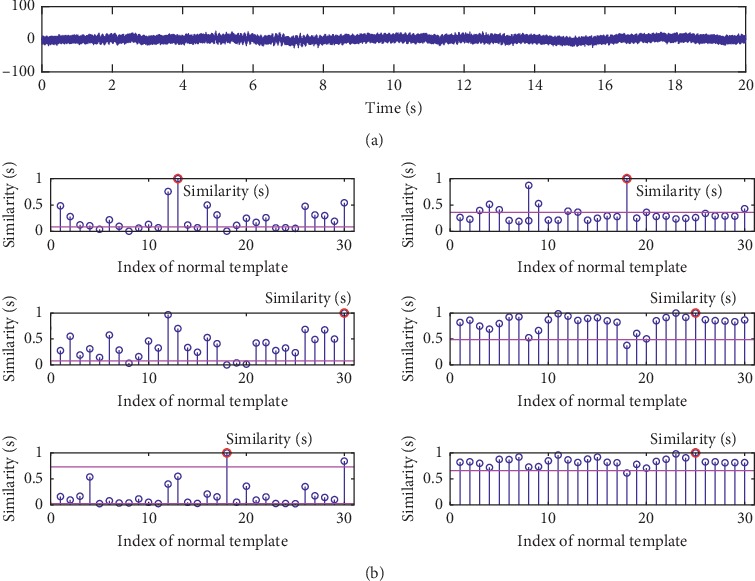
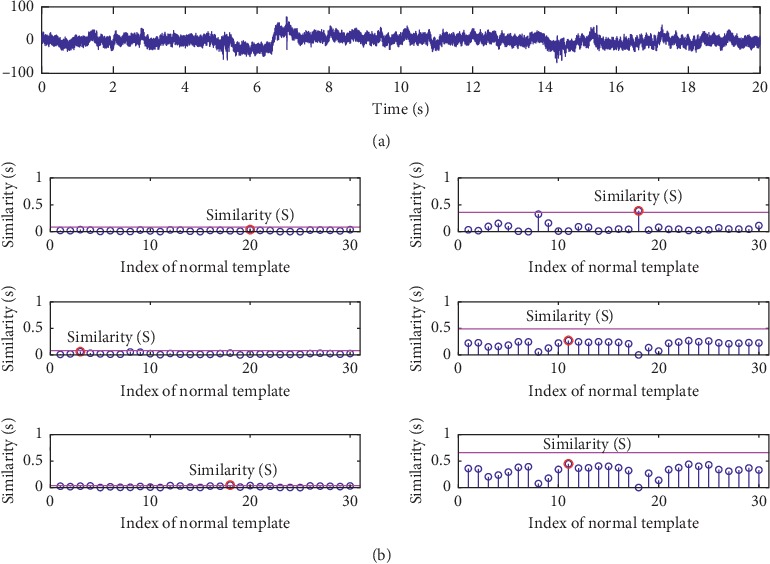
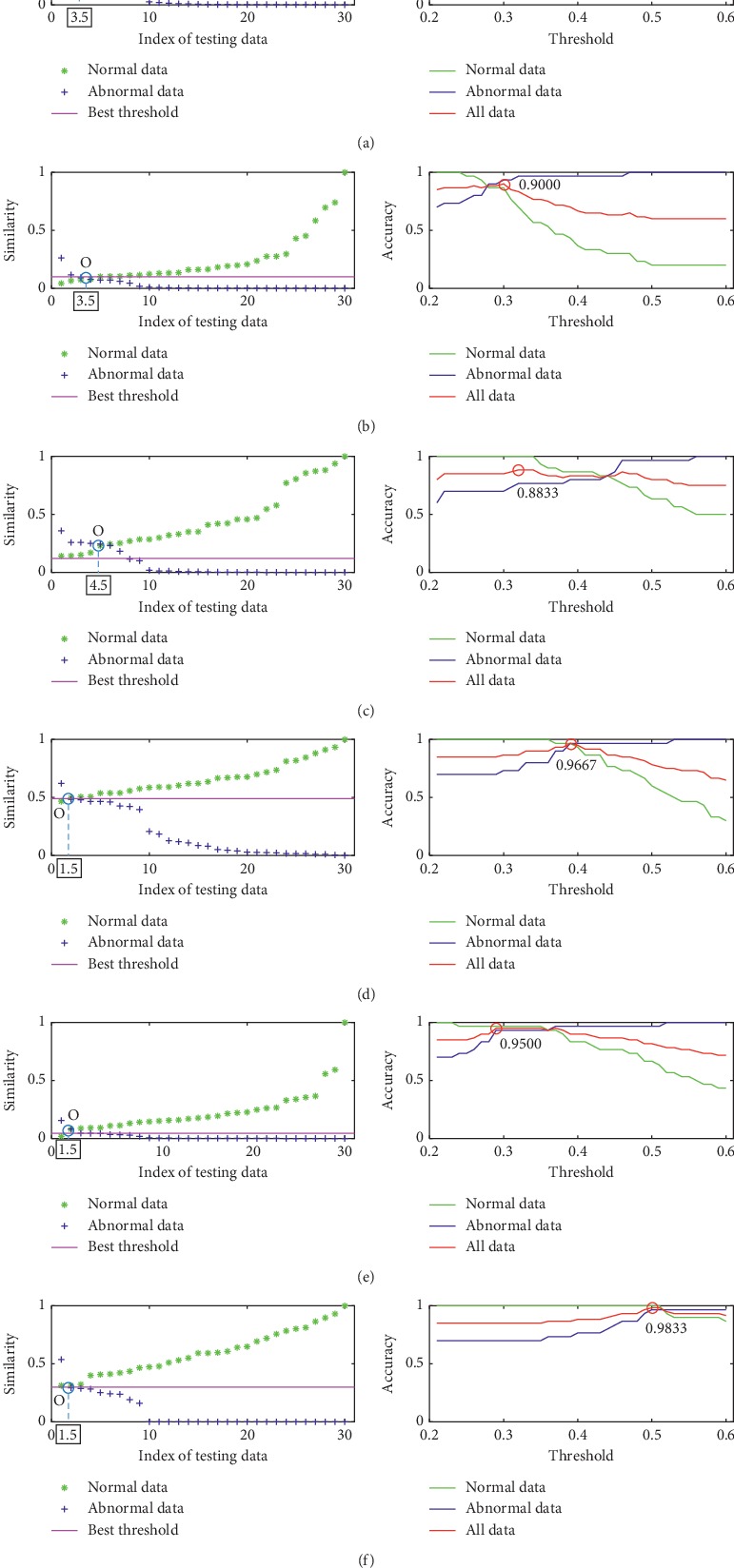
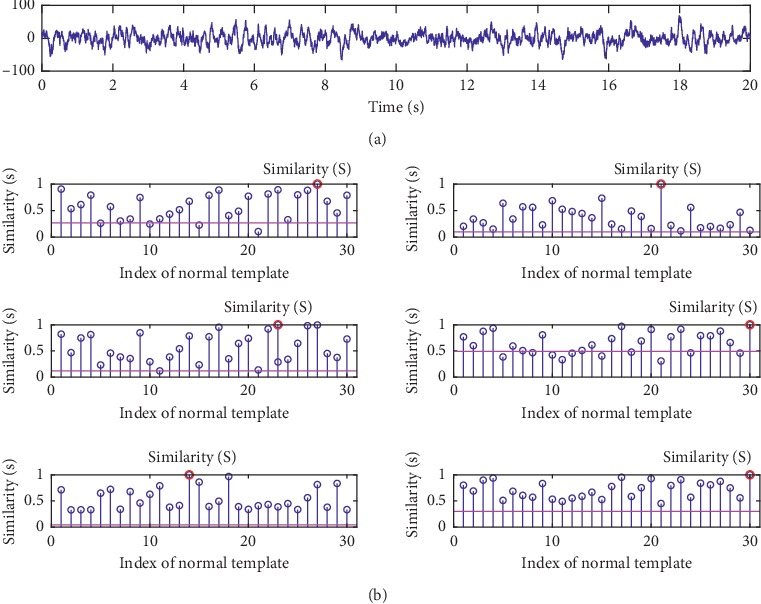
. Anomaly EEG detection is a long-standing problem in analysis of EEG signals. The basic premise of this problem is consideration of the similarity between two nonstationary EEG recordings. A well-established scheme is based on sequence matching, typically including three steps: feature extraction, similarity measure, and decision-making. Current approaches mainly focus on EEG feature extraction and decision-making, and few of them involve the similarity measure/quantification. Generally, to design an appropriate similarity metric, that is compatible with the considered problem/data, is also an important issue in the design of such detection systems. It is however impossible to directly apply those existing metrics to anomaly EEG detection without any consideration of domain specificity. . The main objective of this work is to investigate the impacts of different similarity metrics on anomaly EEG detection. A few metrics that are potentially available for the EEG analysis have been collected from other areas by a careful review of related works. The so-called power spectrum is extracted as features of EEG signals, and a null hypothesis testing is employed to make the final decision. Two indicators have been used to evaluate the detection performance. One is to reflect the level of measured similarity between two compared EEG signals, and the other is to quantify the detection accuracy. . Experiments were conducted on two data sets, respectively. The results demonstrate the positive impacts of different similarity metrics on anomaly EEG detection. The Hellinger distance (HD) and Bhattacharyya distance (BD) metrics show excellent performances: an accuracy of 0.9167 for our data set and an accuracy of 0.9667 for the Bern-Barcelona EEG data set. Both of HD and BD metrics are constructed based on the Bhattacharyya coefficient, implying the priority of the Bhattacharyya coefficient when dealing with the highly noisy EEG signals. In future work, we will exploit an integrated metric that combines HD and BD for the similarity measure of EEG signals.
脑电信号分析中的异常脑电检测是一个长期存在的问题。该问题的基本前提是考虑两个非平稳脑电记录之间的相似性。一种成熟的方案基于序列匹配,通常包括三个步骤:特征提取、相似度度量和决策。当前的方法主要集中在脑电特征提取和决策上,很少涉及相似度测量/量化。通常,设计一个与所考虑的问题/数据相兼容的合适相似度度量也是这种检测系统设计中的一个重要问题。然而,如果不考虑领域特异性,就不可能直接将这些现有的度量标准应用于异常脑电检测。
本工作的主要目的是研究不同相似度度量标准对异常脑电检测的影响。通过对相关文献的仔细回顾,从其他领域收集了一些可能用于脑电分析的度量标准。将所谓的功率谱作为脑电信号的特征提取出来,并采用零假设检验来做出最终决策。使用了两个指标来评估检测性能。一个指标反映两个比较脑电信号之间的测量相似度水平,另一个指标则量化检测的准确性。
在两个数据集上进行了实验。结果表明,不同的相似度度量标准对异常脑电检测有积极的影响。Hellinger 距离(HD)和 Bhattacharyya 距离(BD)度量标准表现出色:我们数据集的准确率为 0.9167,Bern-Barcelona EEG 数据集的准确率为 0.9667。HD 和 BD 度量标准都是基于 Bhattacharyya 系数构建的,这意味着在处理高度噪声的脑电信号时,Bhattacharyya 系数具有优先级。在未来的工作中,我们将利用 HD 和 BD 的集成度量来进行脑电信号的相似度测量。