Department of Economics, Hong Kong University of Science and Technology, Hong Kong, Hong Kong.
Department of Economics, Cornell University, Ithaca, New York, United States of America.
PLoS One. 2020 May 14;15(5):e0232652. doi: 10.1371/journal.pone.0232652. eCollection 2020.
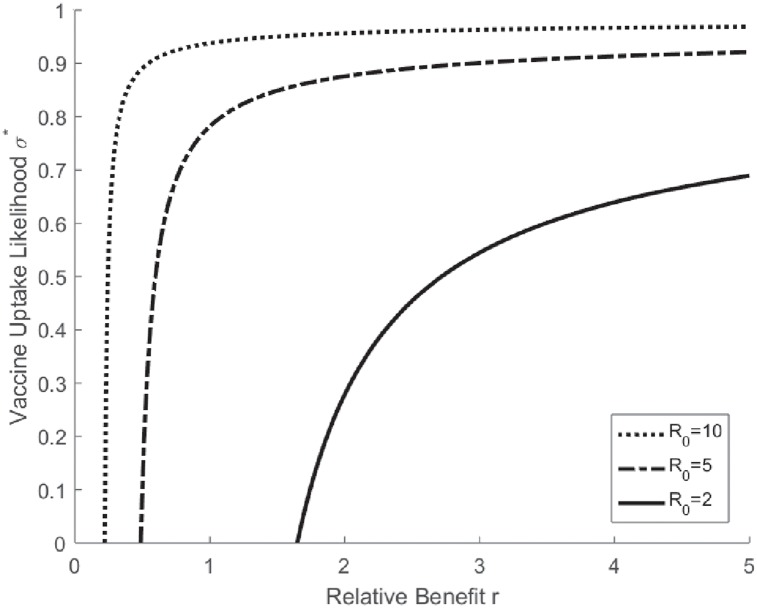
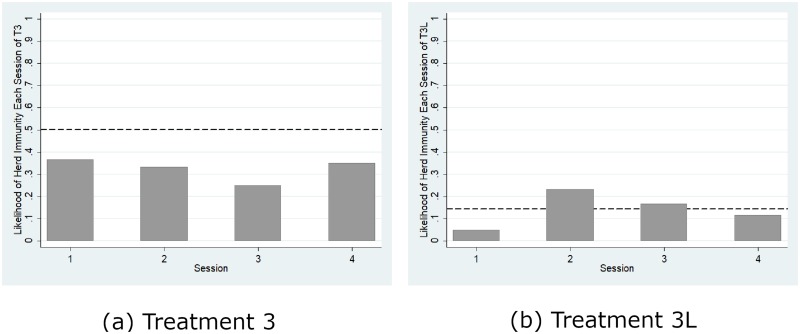
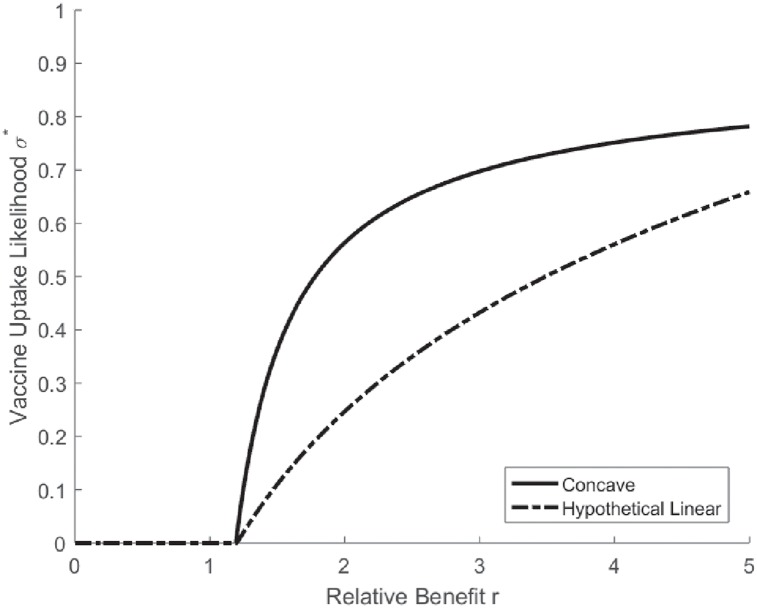
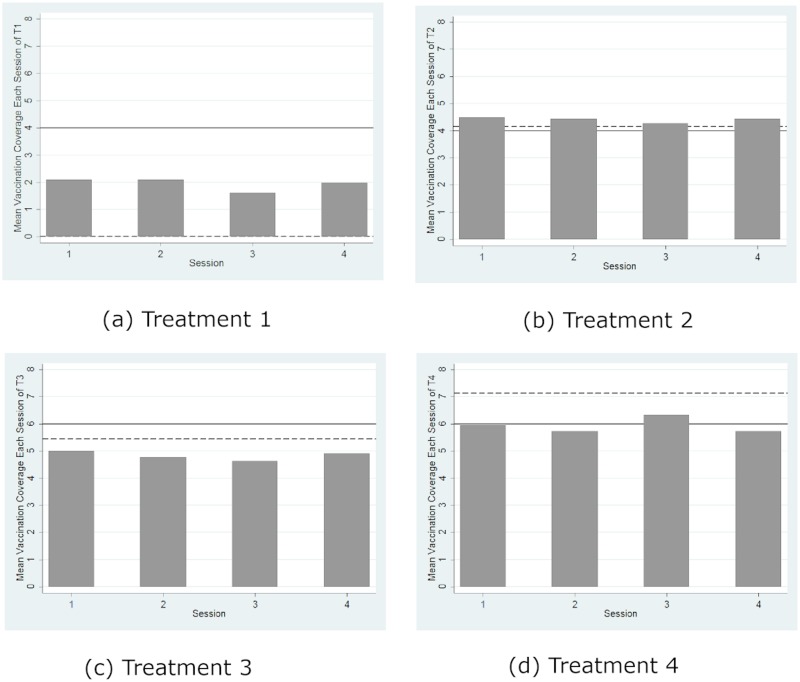
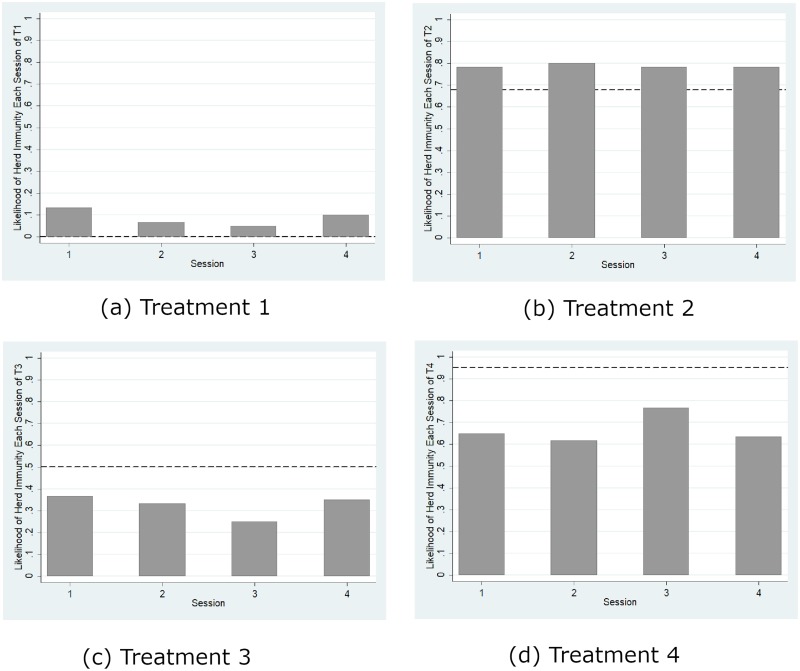
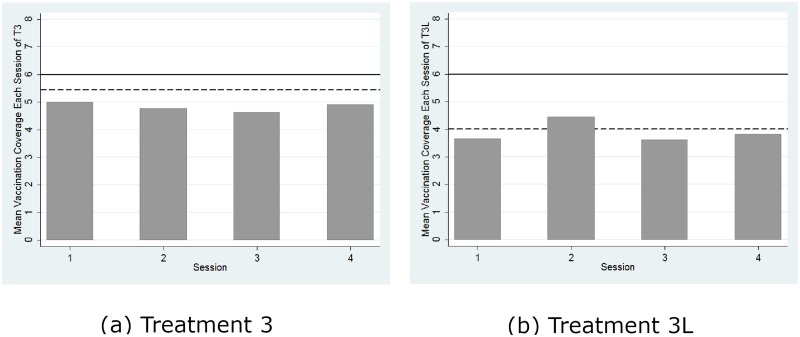
Would the affected communities voluntarily obtain herd immunity if a cure for COVID-19 was available? This paper experimentally investigates people's vaccination choices in the context of a nonlinear public good game. A "vaccination game" is defined in which costly commitments (vaccination) are required of a fraction of the population to reach the critical level needed for herd immunity, without which defectors are punished by the natural contagion of epidemics. Our experimental implementation of a vaccination game in a controlled laboratory setting reveals that endogenous epidemic punishment is a credible threat, resulting in voluntary vaccination to obtain herd immunity, for which the orthodox principle of positive externalities fails to account. The concave nature of the infection probability plays a key role in facilitating the elimination of an epidemic.
如果有治疗 COVID-19 的方法,受影响的社区会自愿获得群体免疫吗?本文在非线性公共物品博弈的背景下,通过实验研究了人们的疫苗接种选择。定义了一个“疫苗接种游戏”,其中需要一部分人付出代价(接种疫苗)来达到达到群体免疫所需的关键水平,如果不这样做,未接种疫苗的人将受到传染病自然传播的惩罚。我们在受控实验室环境中对疫苗接种游戏的实验实施表明,内生传染病惩罚是一种可信的威胁,导致人们自愿接种疫苗以获得群体免疫,而这一点无法用正统的正外部性原则来解释。感染概率的凹性在促进传染病的消除方面起着关键作用。