Bozza Matthias, Green Edward W, Espinet Elisa, De Roia Alice, Klein Corinna, Vogel Vanessa, Offringa Rienk, Williams James A, Sprick Martin, Harbottle Richard P
DNA Vector Research, German Cancer Research Center (DKFZ), Im Neuenheimer Feld 242, 69120 Heidelberg, Germany.
Neuroimmunology and Brain Tumor Immunology, German Cancer Research Center (DKFZ), Im Neuenheimer Feld 280, 69120 Heidelberg, Germany.
Mol Ther Methods Clin Dev. 2020 Apr 25;17:957-968. doi: 10.1016/j.omtm.2020.04.017. eCollection 2020 Jun 12.
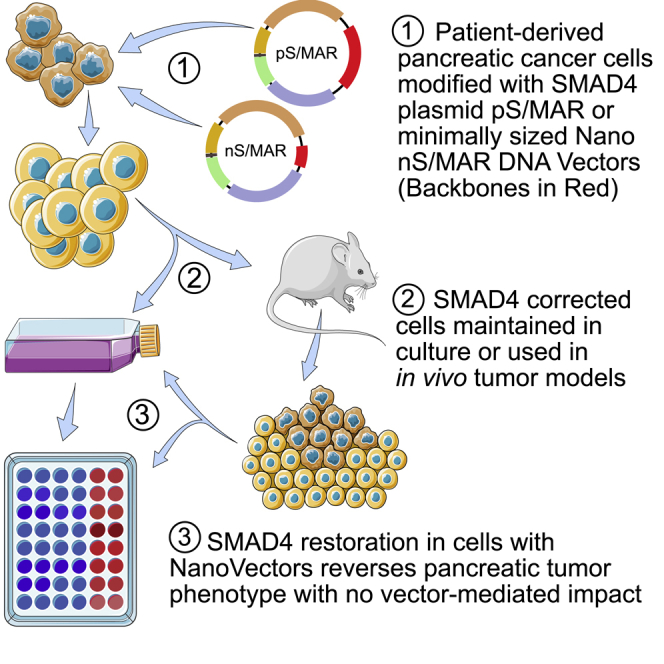
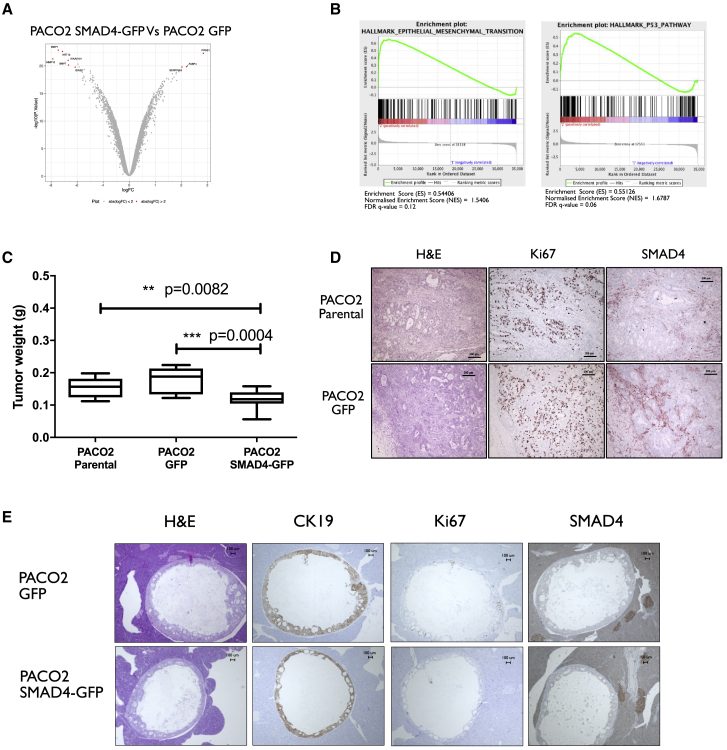
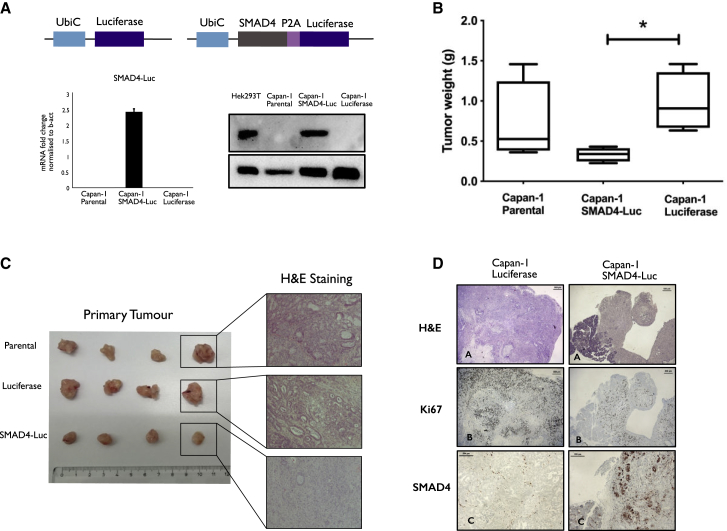
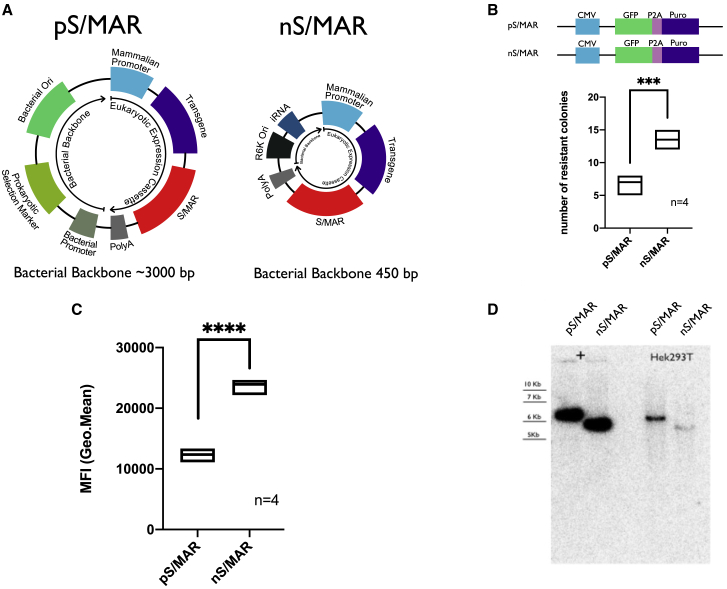
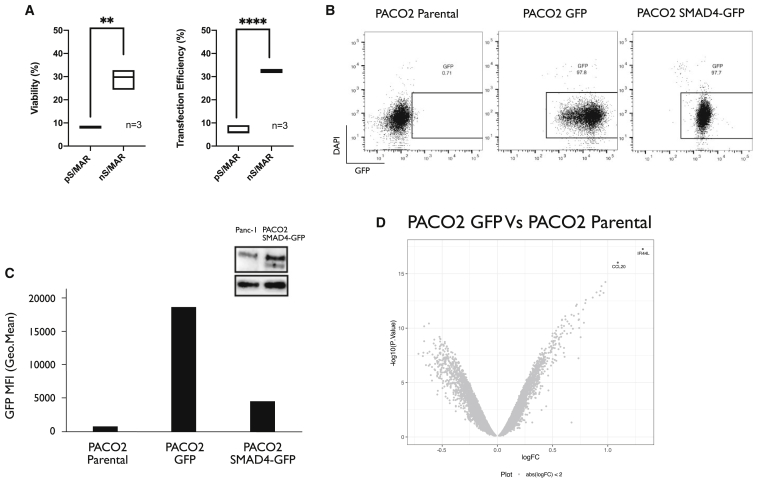
We describe herein non-integrating minimally sized nano-S/MAR DNA vectors, which can be used to genetically modify dividing cells in place of integrating vectors. They represent a unique genetic tool, which avoids vector-mediated damage. Previous work has shown that DNA vectors comprising a mammalian S/MAR element can provide persistent mitotic stability over hundreds of cell divisions, resisting epigenetic silencing and thereby allowing sustained transgene expression. The composition of the original S/MAR vectors does present some inherent limitations that can provoke cellular toxicity. Herein, we present a new system, the nano-S/MAR, which drives higher transgene expression and has improved efficiency of establishment, minimal impact on cellular processes and perturbation of the endogenous transcriptome. We show that these features enable the hitherto challenging genetic modification of patient-derived cells to stably restore the tumor suppressor gene SMAD4 to a patient-derived knockout pancreatic cancer line. Nano-S/MAR modification does not alter the molecular or phenotypic integrity of the patient-derived cells in cell culture and xenograft mouse models. In conclusion, we show that these DNA vectors can be used to persistently modify a range of cells, providing sustained transgene expression while avoiding the risks of insertional mutagenesis and other vector-mediated toxicity.
我们在此描述了非整合型极小尺寸的纳米S/MAR DNA载体,其可用于对分裂细胞进行基因改造,以替代整合型载体。它们代表了一种独特的基因工具,可避免载体介导的损伤。先前的研究表明,包含哺乳动物S/MAR元件的DNA载体可在数百次细胞分裂中提供持久的有丝分裂稳定性,抵抗表观遗传沉默,从而实现持续的转基因表达。原始S/MAR载体的组成确实存在一些可能引发细胞毒性的固有局限性。在此,我们提出了一种新系统——纳米S/MAR,其可驱动更高的转基因表达,具有更高的建立效率,对细胞过程的影响最小,对内源转录组的干扰也最小。我们表明,这些特性使得对患者来源的细胞进行迄今为止具有挑战性的基因改造成为可能,从而将肿瘤抑制基因SMAD4稳定地恢复到患者来源的敲除型胰腺癌系中。在细胞培养和异种移植小鼠模型中,纳米S/MAR修饰不会改变患者来源细胞的分子或表型完整性。总之,我们表明这些DNA载体可用于对一系列细胞进行持久改造,在避免插入诱变风险和其他载体介导的毒性的同时提供持续的转基因表达。