Castro-Muñoz Roberto
Tecnologico de Monterrey, Campus Toluca. Avenida Eduardo Monroy Cárdenas 2000 San Antonio Buenavista, 50110 Toluca de Lerdo, Mexico.
Membranes (Basel). 2020 May 14;10(5):101. doi: 10.3390/membranes10050101.
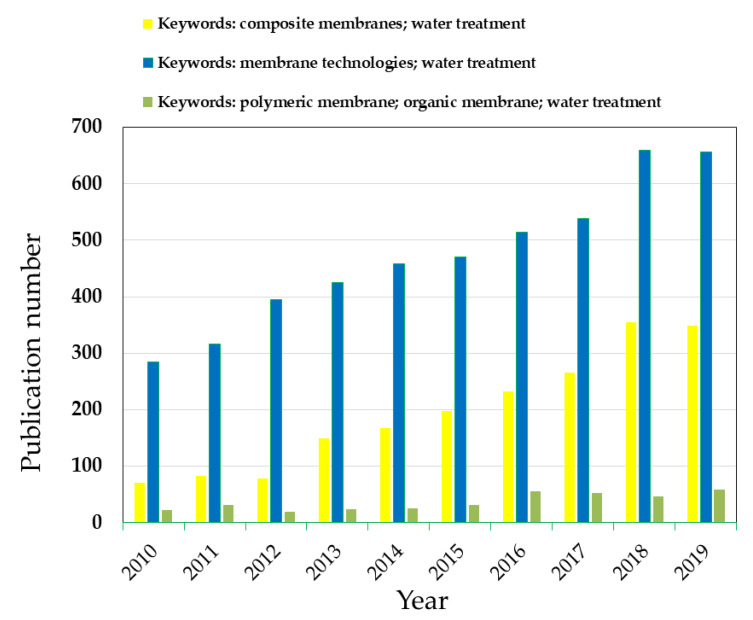
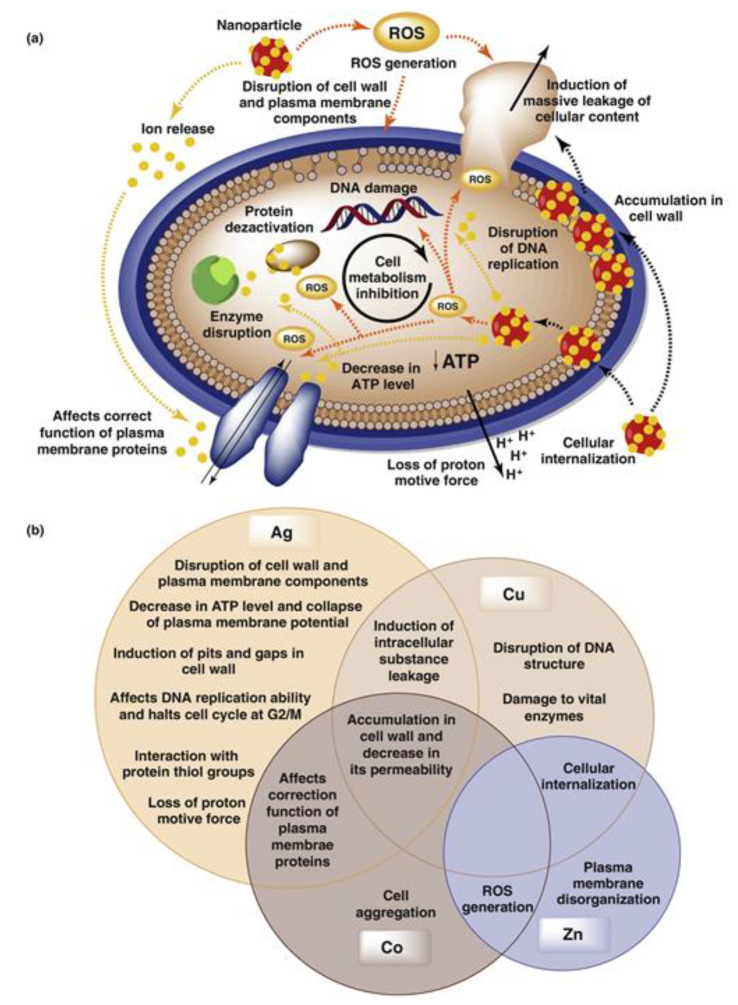
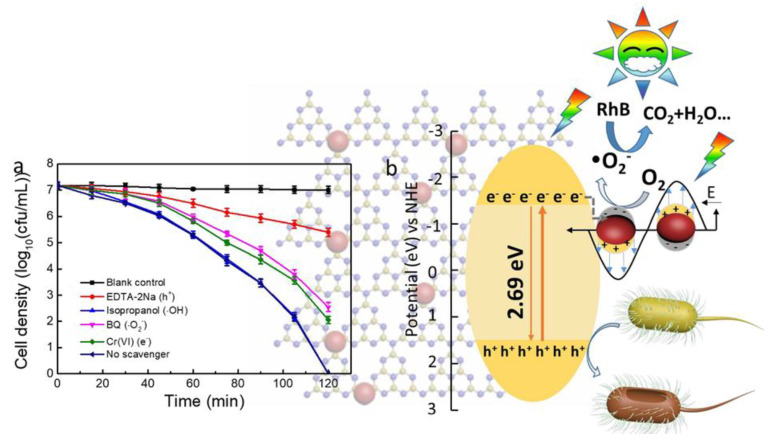
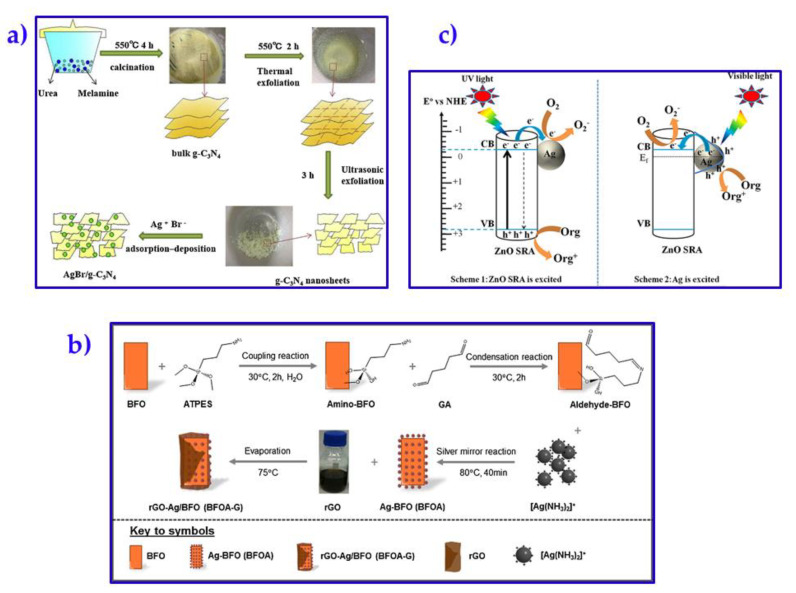
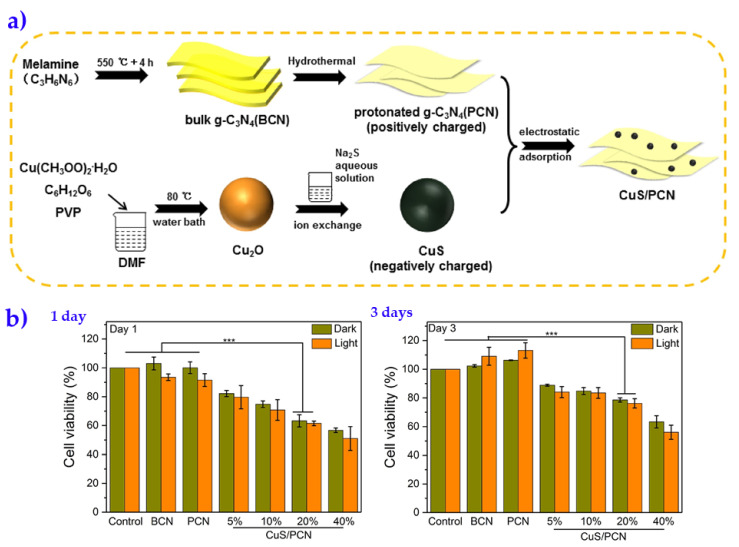
Today, there is an increasing interest in improving the physicochemical properties of polymeric membranes by merging the membranes with different inorganic materials. These so-called composite membranes have been implemented in different membrane-based technologies (e.g., microfiltration, ultrafiltration, nanofiltration, membrane bioreactors, among others) for water treatment and disinfection. This is because such inorganic materials (such as TiO-, ZnO-, Ag-, and Cu-based nanoparticles, carbon-based materials, to mention just a few) can improve the separation performance of membranes and also some other properties, such as antifouling, mechanical, thermal, and physical and chemical stability. Moreover, such materials display specific biological activity towards viruses, bacteria, and protozoa, showing enhanced water disinfection properties. Therefore, the aim of this review is to collect the latest advances (in the last five years) in using composite membranes and new hybrid materials for water disinfection, paying particular emphasis on relevant results and new hydride composites together with their preparation protocols. Moreover, this review addresses the main mechanism of action of different conventional and novel inorganic materials toward biologically active matter.
如今,通过将聚合物膜与不同的无机材料结合来改善其物理化学性质的研究兴趣日益浓厚。这些所谓的复合膜已被应用于不同的基于膜的技术(如微滤、超滤、纳滤、膜生物反应器等)中用于水处理和消毒。这是因为这类无机材料(如仅举几例的TiO-、ZnO-、Ag-和Cu基纳米颗粒、碳基材料)可以提高膜的分离性能以及其他一些性能,如抗污染性、机械性能、热稳定性以及物理和化学稳定性。此外,这类材料对病毒、细菌和原生动物具有特定的生物活性,展现出增强的水消毒性能。因此,本综述的目的是收集(过去五年中)使用复合膜和新型混合材料进行水消毒的最新进展,特别强调相关结果以及新的氢化物复合材料及其制备方案。此外,本综述还探讨了不同传统和新型无机材料对生物活性物质的主要作用机制。