Ruian Center of the Chinese-American Institute for Diabetic Complications, the Third Affiliated Hospital of Wenzhou Medical University, Wenzhou, China.
Cancer Center, the First Hospital of Jilin University, Changchun, China.
Diabetes Metab J. 2020 Aug;44(4):566-580. doi: 10.4093/dmj.2019.0089. Epub 2020 May 15.
Fibroblast growth factor 21 (FGF21) has been only reported to prevent type 1 diabetic nephropathy (DN) in the streptozotocin-induced type 1 diabetes mellitus (T1DM) mouse model. However, the FVB (Cg)-Tg (Cryaa-Tag, Ins2-CALM1) 26OVE/PneJ (OVE26) transgenic mouse is a widely recommended mouse model to recapture the most important features of T1DM nephropathy that often occurs in diabetic patients. In addition, most previous studies focused on exploring the preventive effect of FGF21 on the development of DN. However, in clinic, development of therapeutic strategy has much more realistic value compared with preventive strategy since the onset time of DN is difficult to be accurately predicted. Therefore, in the present study OVE26 mice were used to investigate the potential therapeutic effects of FGF21 on DN.
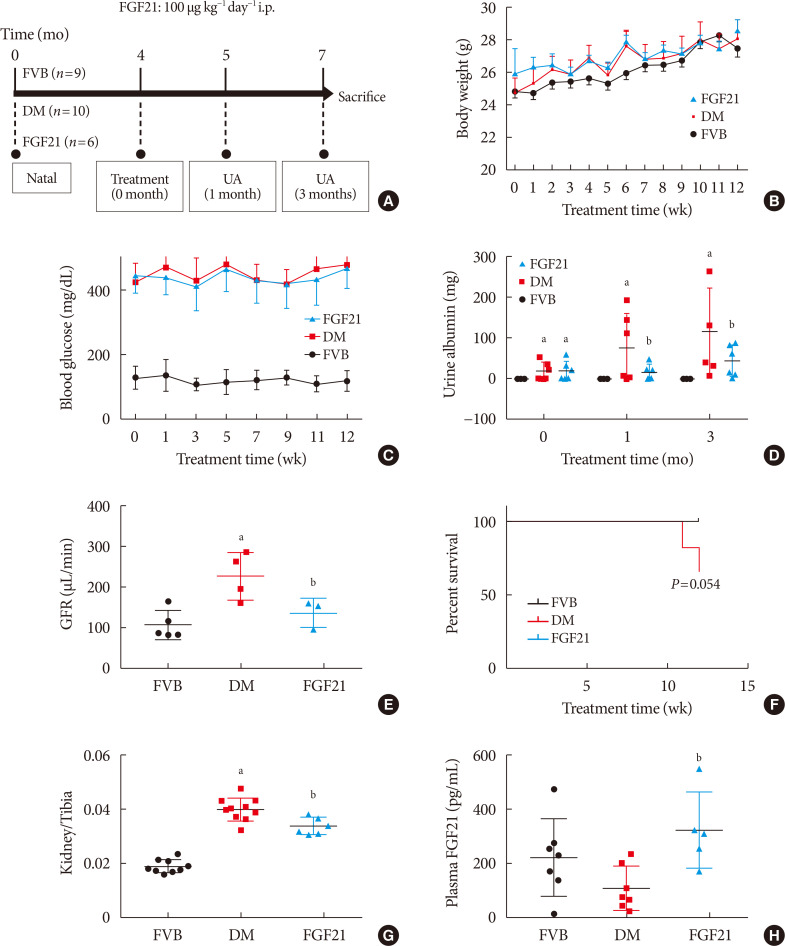
Four-month-old female OVE26 mice were intraperitoneally treated with recombinant FGF21 at a dose of 100 μg/kg/day for 3 months. The diabetic and non-diabetic control mice were treated with phosphate-buffered saline at the same volume. Renal functions, pathological changes, inflammation, apoptosis, oxidative stress and fibrosis were examined in mice of all groups.
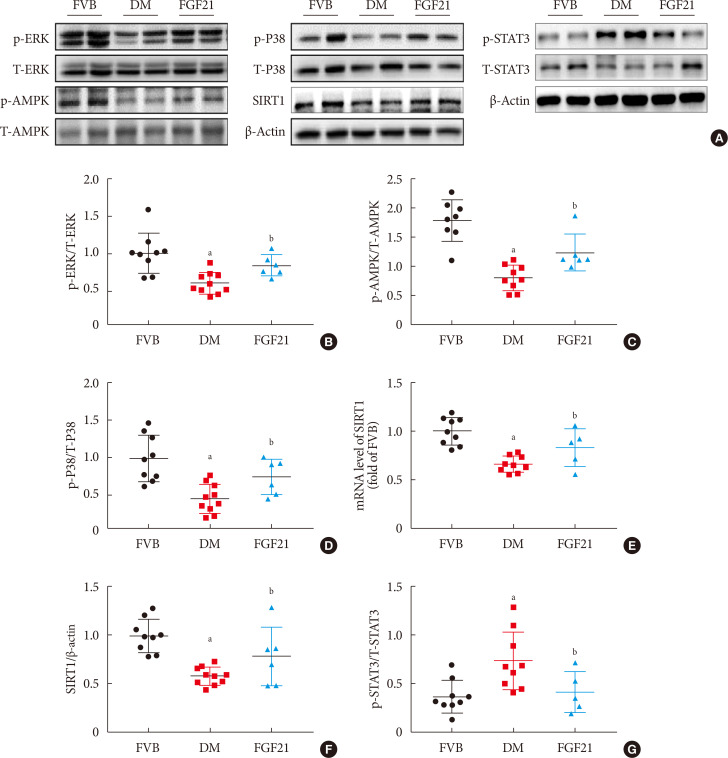
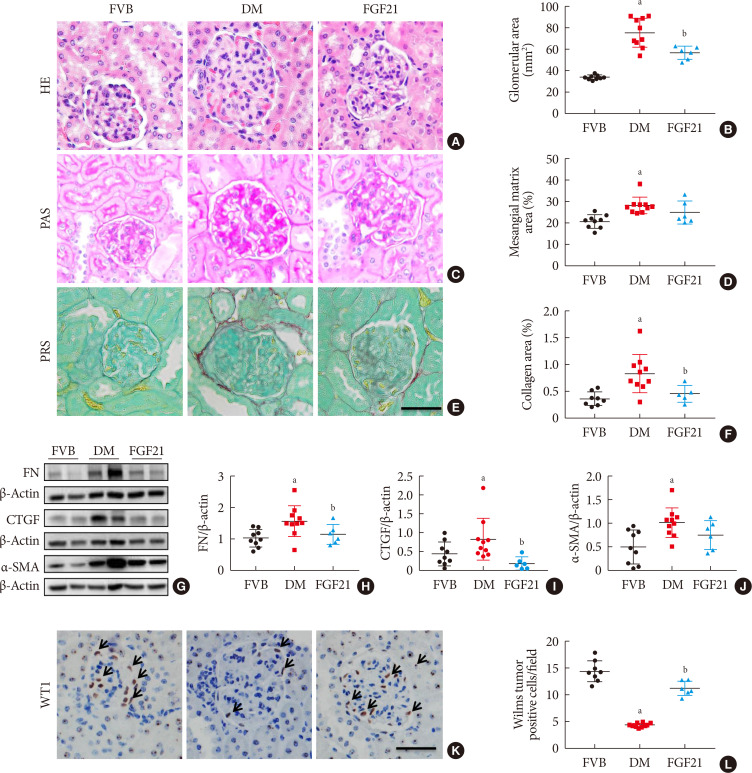
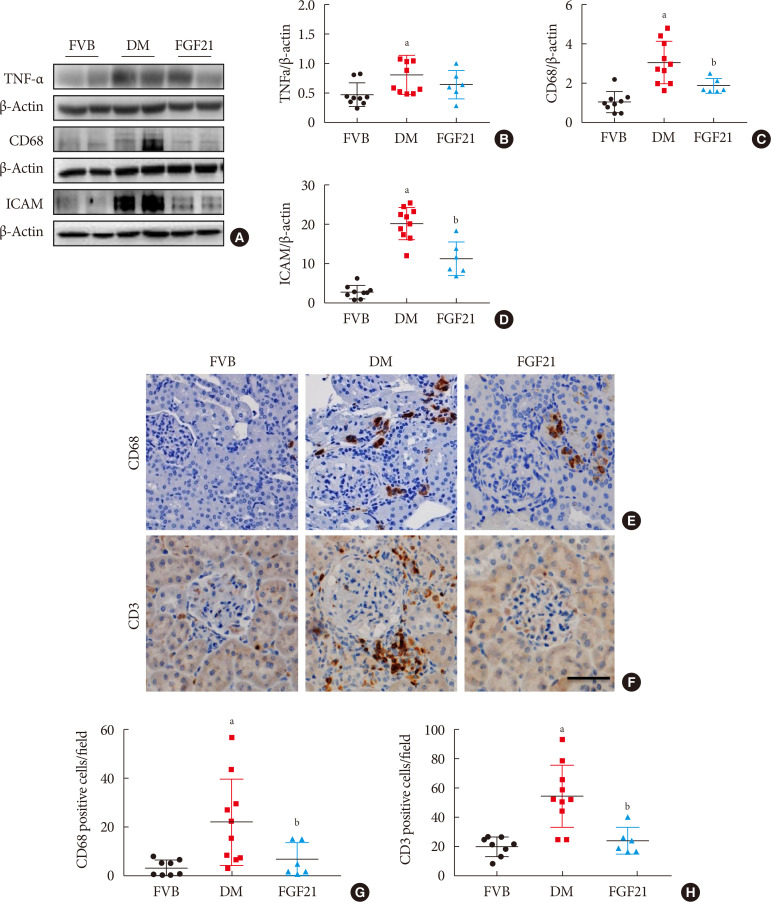
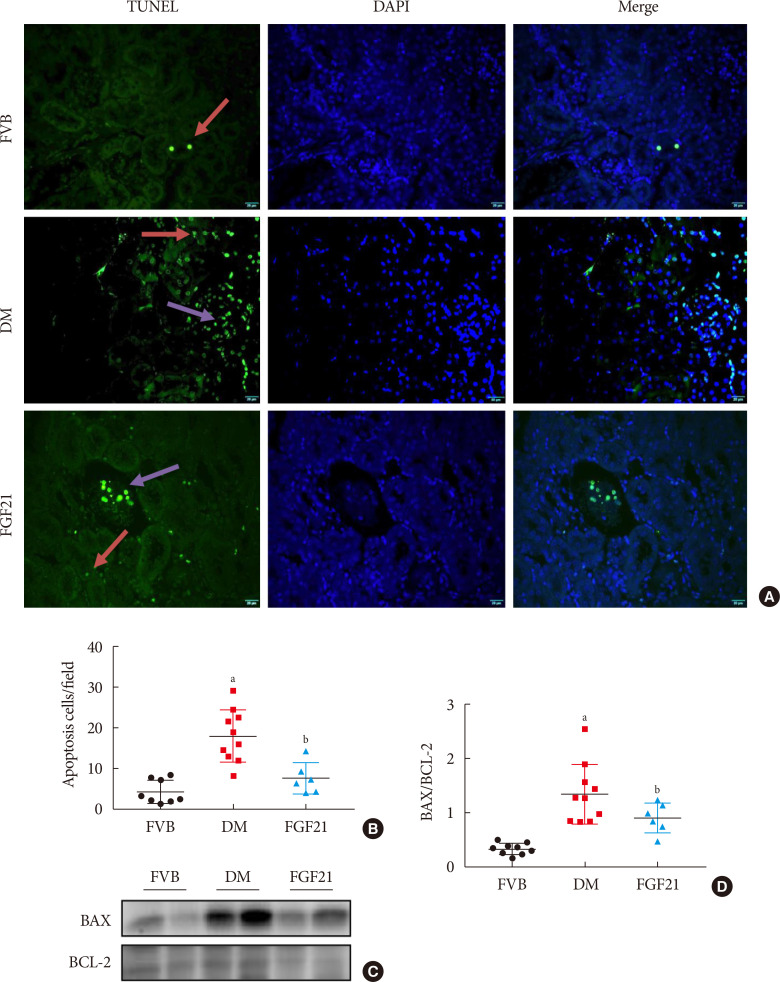
The results showed that severe renal dysfunction, morphological changes, inflammation, apoptosis, and fibrosis were observed in OVE26 mice. However, all the renal abnormalities above in OVE26 mice were significantly attenuated by 3-month FGF21 treatment associated with improvement of renal adenosine 5'-monophosphate (AMP)-activated protein kinase (AMPK) activity and sirtuin 1 (SIRT1) expression.
Therefore, this study demonstrated that FGF21 might exert therapeutic effects on DN through AMPK-SIRT1 pathway.
成纤维细胞生长因子 21(FGF21)仅被报道可预防链脲佐菌素诱导的 1 型糖尿病(T1DM)小鼠模型中的 1 型糖尿病肾病(DN)。然而,FVB(Cg)-Tg(Cryaa-Tag,Ins2-CALM1)26OVE/PneJ(OVE26)转基因小鼠是一种广泛推荐的小鼠模型,可重现糖尿病患者中常发生的 1 型糖尿病肾病的最重要特征。此外,大多数先前的研究侧重于探索 FGF21 对 DN 发展的预防作用。然而,在临床上,与预防策略相比,开发治疗策略具有更现实的价值,因为 DN 的发病时间很难准确预测。因此,在本研究中,使用 OVE26 小鼠来研究 FGF21 对 DN 的潜在治疗作用。
4 月龄雌性 OVE26 小鼠每天腹腔内给予重组 FGF21 100μg/kg 治疗 3 个月。糖尿病和非糖尿病对照组小鼠用相同体积的磷酸盐缓冲液处理。检查所有组小鼠的肾功能、病理变化、炎症、细胞凋亡、氧化应激和纤维化。
结果显示,OVE26 小鼠出现严重的肾功能障碍、形态学改变、炎症、细胞凋亡和纤维化。然而,通过 3 个月的 FGF21 治疗,所有上述 OVE26 小鼠的肾脏异常均显著减轻,同时伴有腺苷 5'-单磷酸(AMP)激活的蛋白激酶(AMPK)活性和沉默调节蛋白 1(SIRT1)表达的改善。
因此,本研究表明,FGF21 可能通过 AMPK-SIRT1 通路对 DN 发挥治疗作用。