Zhang Mingwei, Wang Xuezhen, Chen Xiaoping, Guo Feibao, Hong Jinsheng
Department of Radiation Oncology, The First Affiliated Hospital of Fujian Medical University, Fuzhou, China.
Institute of Immunotherapy, Fujian Medical University, Fuzhou, China.
Front Genet. 2020 May 5;11:441. doi: 10.3389/fgene.2020.00441. eCollection 2020.
As a prevalent and infiltrative cancer type of the central nervous system, the prognosis of lower-grade glioma (LGG) in adults is highly heterogeneous. Recent evidence has demonstrated the prognostic value of the mRNA expression-based stemness index (mRNAsi) in LGG. Our aim was to develop a stemness index-based signature (SI-signature) for risk stratification and survival prediction.
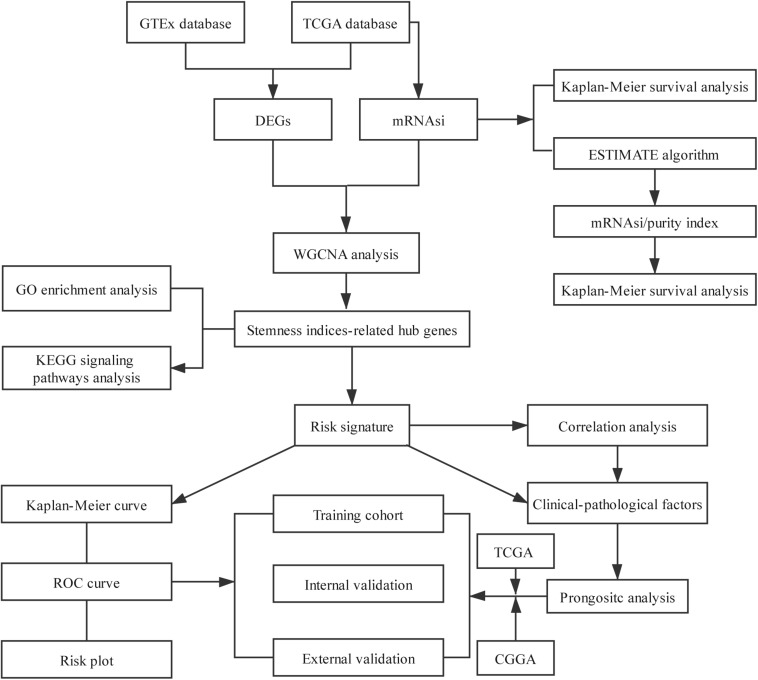
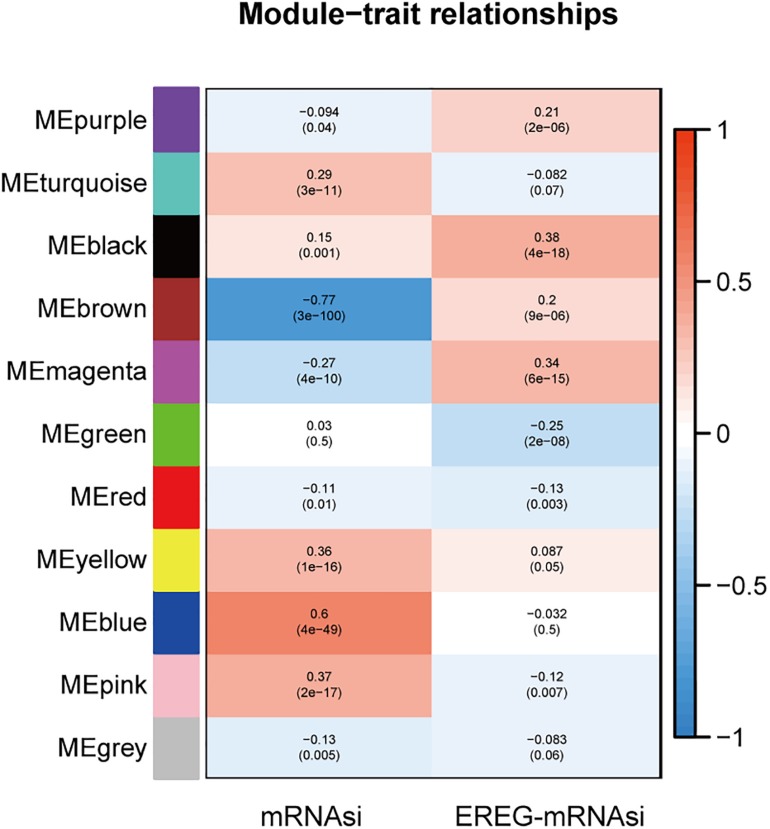
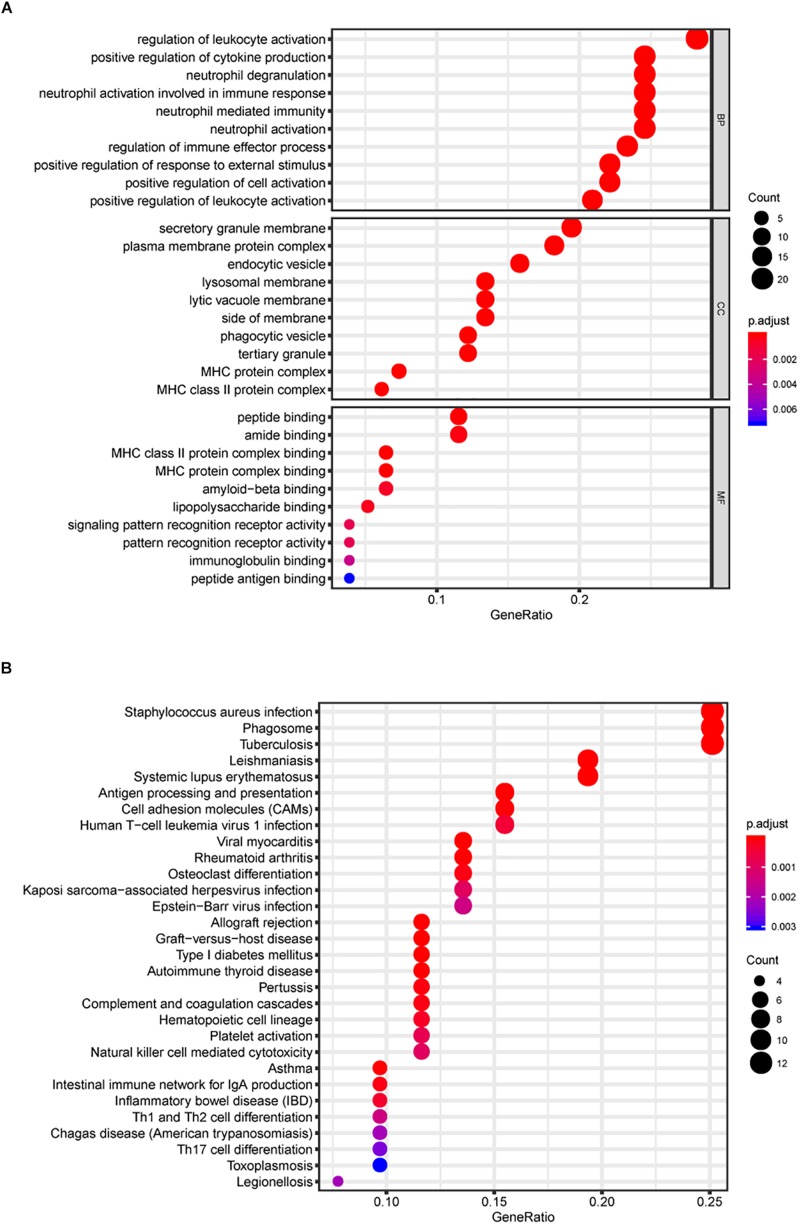
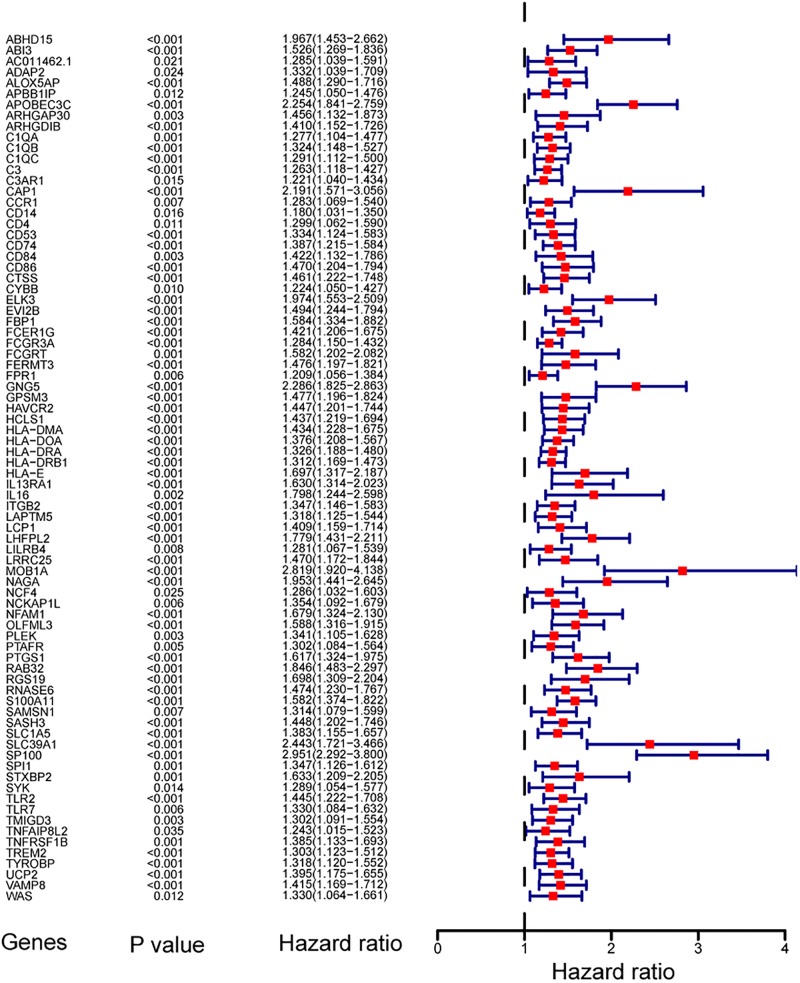
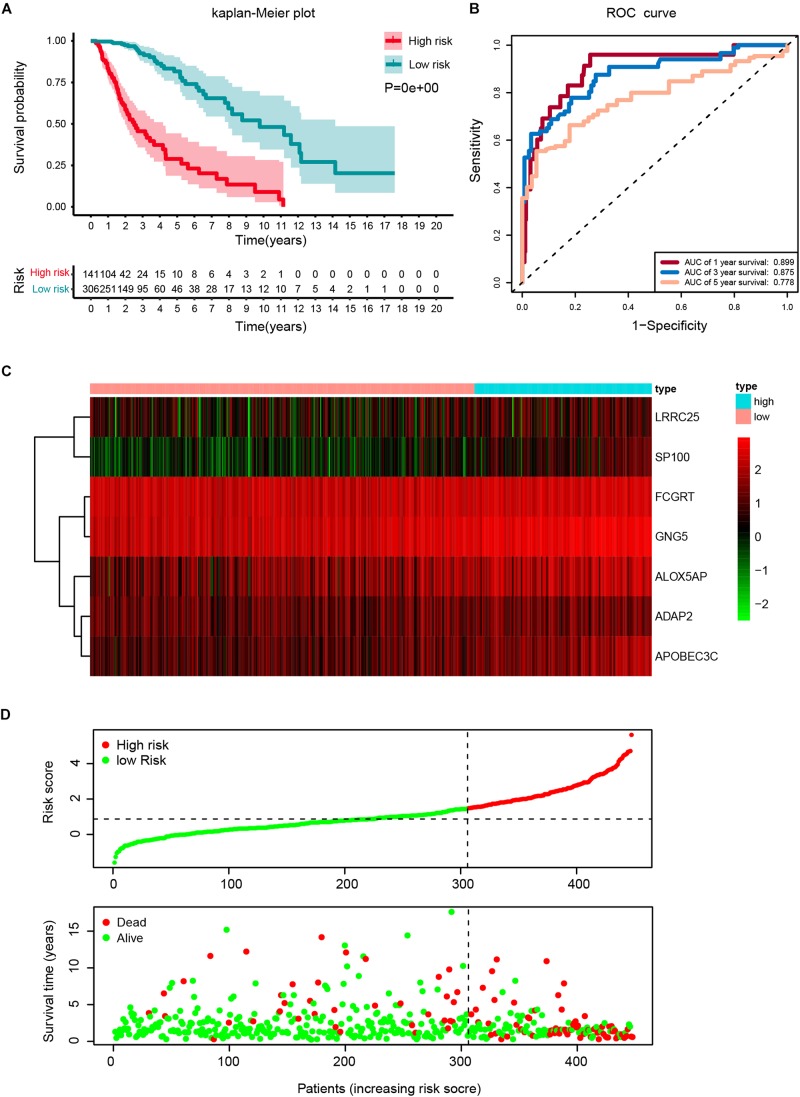
Differentially expressed genes (DEGs) between LGG in the Cancer Genome Atlas (TCGA) and normal brain tissue samples from the Genotype-Tissue Expression (GTEx) project were screened out, and the weighted gene correlation network analysis (WGCNA) was employed to identify the mRNAsi-related gene sets. Meanwhile, the Gene Ontology and Kyoto Encyclopedia of Genes and Genomes enrichment analyses were performed for the functional annotation of the key genes. ESTIMATE was used to calculate tumor purity for acquiring the correct mRNAsi. Differences in overall survival (OS) between the high and low mRNAsi (corrected mRNAsi) groups were compared using the Kaplan Meier analysis. By combining the Lasso regression with univariate and multivariate Cox regression, the SI-signature was constructed and validated using the Chinese Glioma Genome Atlas (CGGA).
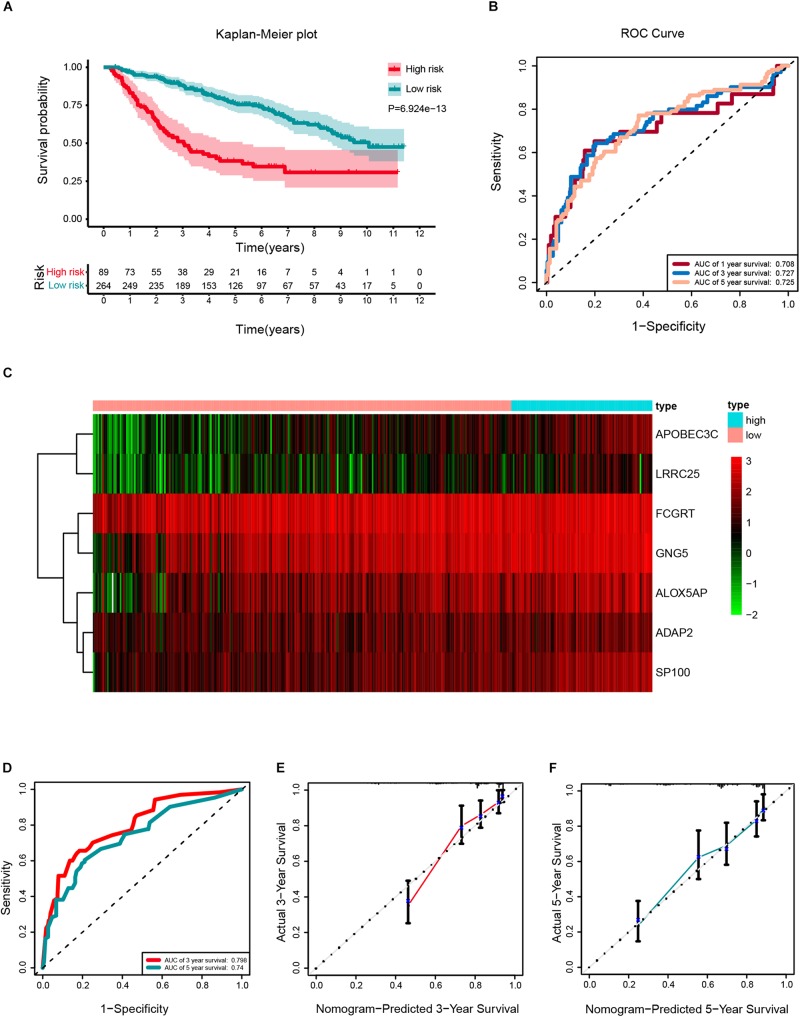
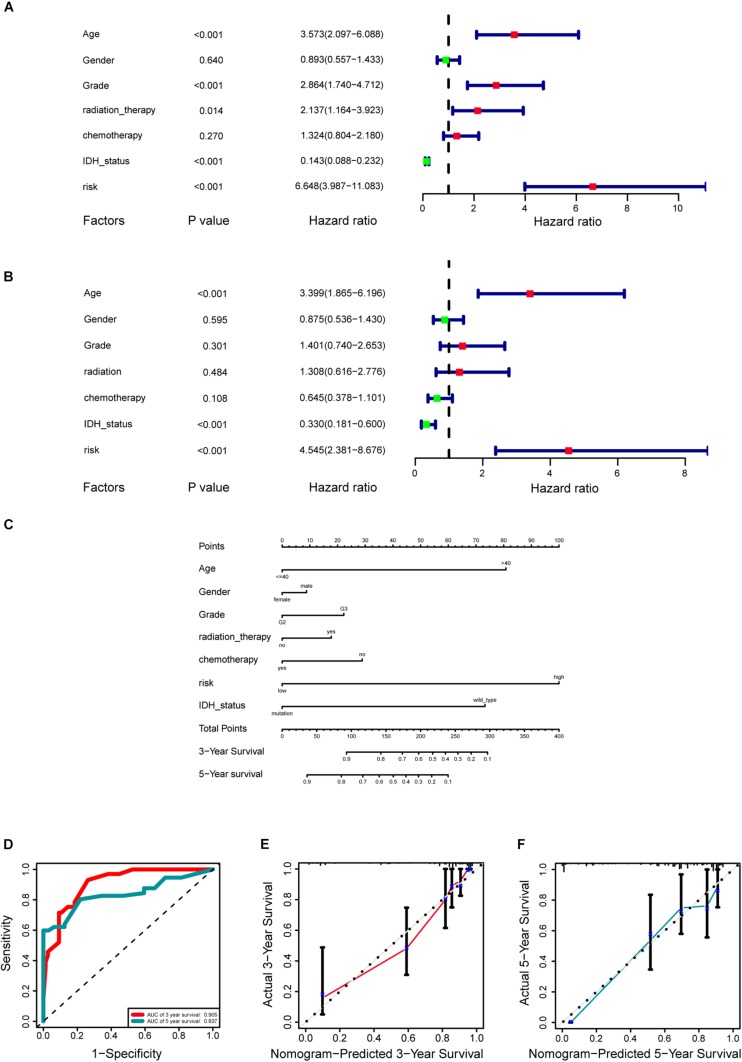
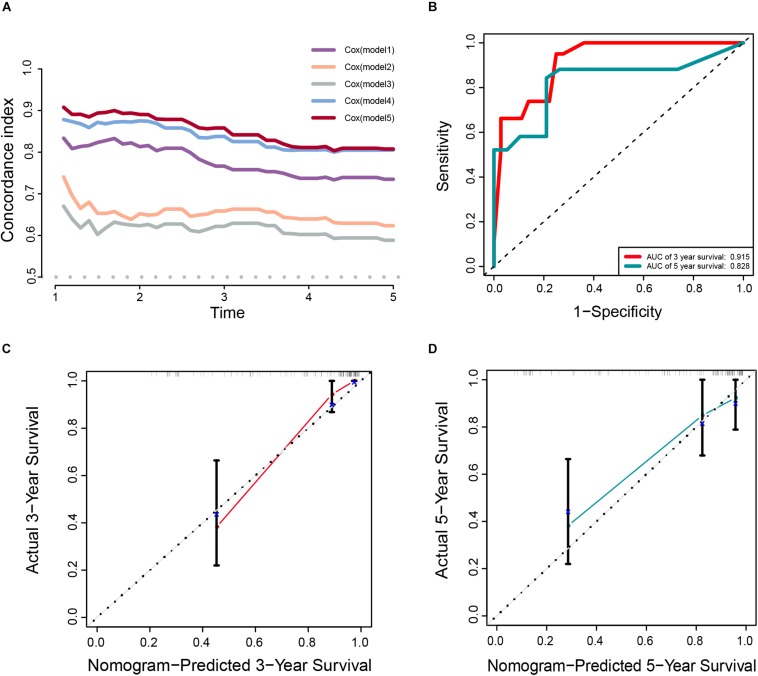
There was a significant difference in OS between the high and low mRNAsi groups, which was also observed in the two corrected mRNAsi groups. Based on threshold limits, 86 DEGs were most significantly associated with mRNAsi via WGCNA. Seven genes (, , , , , , and ) were selected to establish a risk signature for primary LGG. The ROC curves showed a fair performance in survival prediction in both the TCGA and the CGGA validation cohorts. Univariate and multivariate Cox regression revealed that the risk group was an independent prognostic factor in primary LGG. The nomogram was developed based on clinical parameters integrated with the risk signature, and its accuracy for predicting 3- and 5-years survival was assessed by the concordance index, the area under the curve of the time-dependent receiver operating characteristics curve, and calibration curves.
The SI-signature with seven genes could serve as an independent predictor, and suggests the importance of stemness features in risk stratification and survival prediction in primary LGG.
作为中枢神经系统一种常见的浸润性癌症类型,成人低级别胶质瘤(LGG)的预后具有高度异质性。最近的证据表明基于mRNA表达的干性指数(mRNAsi)在LGG中具有预后价值。我们的目的是开发一种基于干性指数的特征(SI特征)用于风险分层和生存预测。
筛选出癌症基因组图谱(TCGA)中的LGG与基因型-组织表达(GTEx)项目的正常脑组织样本之间的差异表达基因(DEG),并采用加权基因共表达网络分析(WGCNA)来识别与mRNAsi相关的基因集。同时,对关键基因进行基因本体论和京都基因与基因组百科全书富集分析以进行功能注释。使用ESTIMATE计算肿瘤纯度以获得正确的mRNAsi。采用Kaplan-Meier分析比较高mRNAsi(校正后的mRNAsi)组和低mRNAsi组之间的总生存期(OS)差异。通过将Lasso回归与单变量和多变量Cox回归相结合,构建SI特征并使用中国胶质瘤基因组图谱(CGGA)进行验证。
高mRNAsi组和低mRNAsi组之间的OS存在显著差异,在两个校正后的mRNAsi组中也观察到了这种差异。基于阈值限制,86个DEG通过WGCNA与mRNAsi最显著相关。选择7个基因(,,,,,,和)来建立原发性LGG的风险特征。ROC曲线在TCGA和CGGA验证队列的生存预测中表现良好。单变量和多变量Cox回归显示风险组是原发性LGG的独立预后因素。基于与风险特征相结合的临床参数绘制列线图,并通过一致性指数、时间依赖性受试者工作特征曲线下面积和校准曲线评估其预测3年和5年生存的准确性。
具有7个基因的SI特征可作为独立预测指标,并提示干性特征在原发性LGG风险分层和生存预测中的重要性。