Zhang Shan, Wu Shu, Shen Yiru, Xiao Yunqi, Gao Lizeng, Shi Shourong
Poultry Institute, Chinese Academy of Agricultural Sciences, Yangzhou, Jiangsu 225125, People's Republic of China.
Institute of Biophysics, Chinese Academy of Science, CAS Engineering Laboratory for Nanozyme, Institute of Biophysics, CAS, Beijing 100101, China.
R Soc Open Sci. 2020 Apr 8;7(4):191561. doi: 10.1098/rsos.191561. eCollection 2020 Apr.
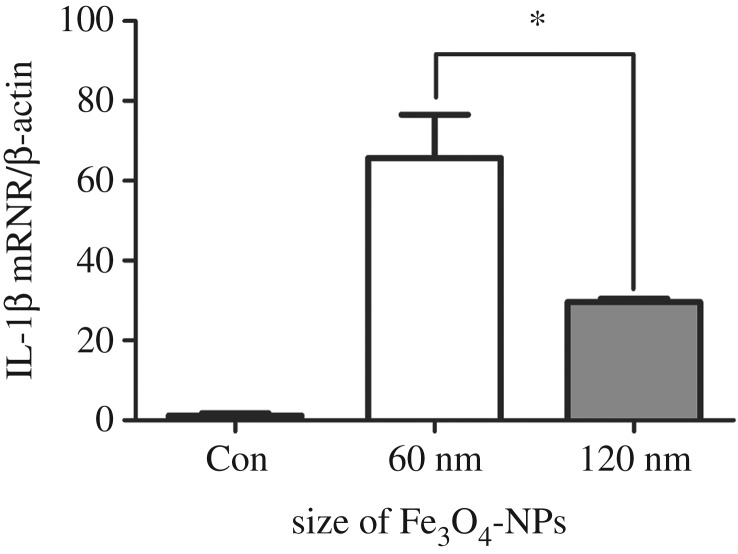
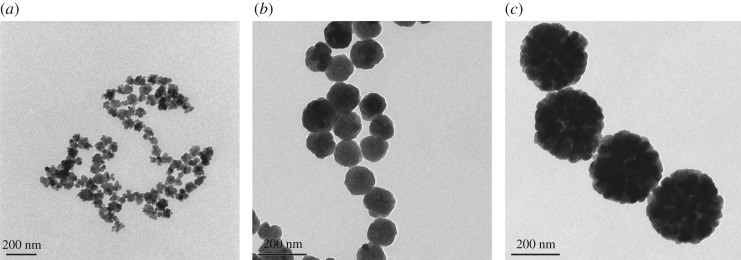
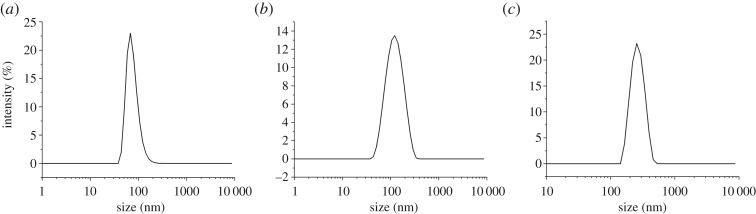
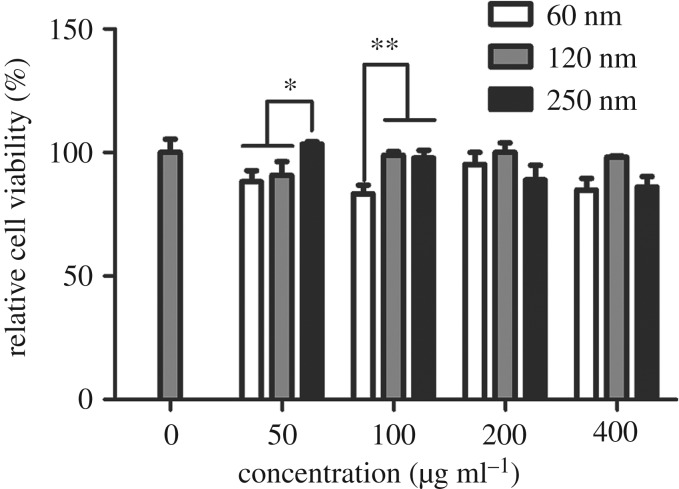
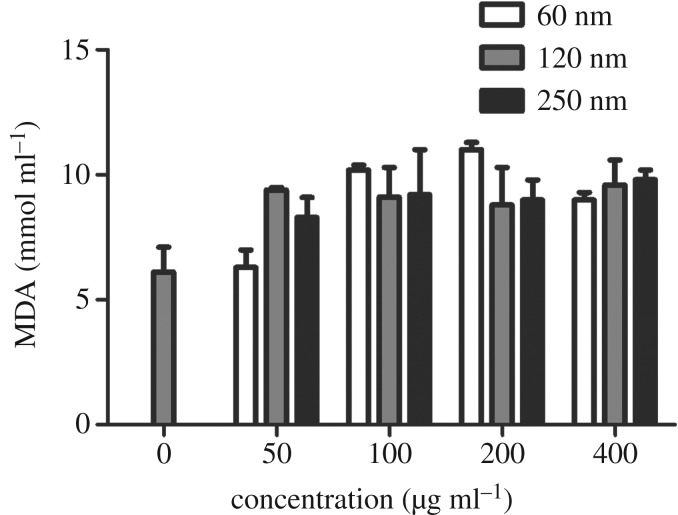
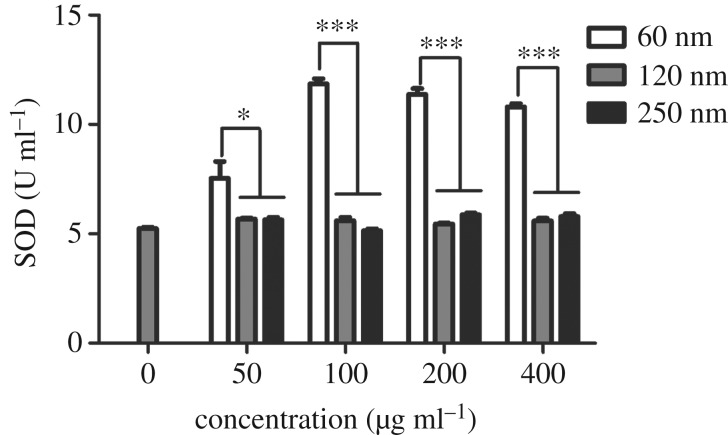
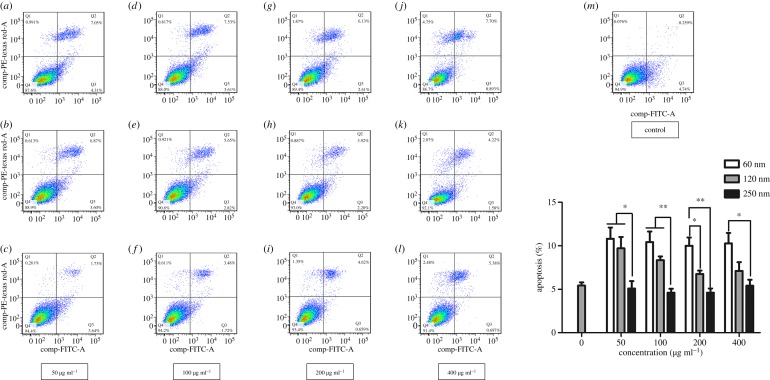
Magnetic FeO nanoparticles (FeO-NPs) have been widely investigated for their biomedical applications. The main purpose of this study was to evaluate the cytotoxic effects of different sizes of FeO-NPs in chicken macrophage cells (HD11). Experimental groups based on three sizes of FeO-NPs (60, 120 and 250 nm) were created, and the FeO-NPs were added to the cells at different doses according to the experimental group. The cell activity, oxidative index (malondialdehyde (MDA), superoxide dismutase (SOD) and reactive oxygen species (ROS)), apoptosis and pro-inflammatory cytokine secretion level were detected to analyse the cytotoxic effects of FeO-NPs of different sizes in HD11 cells. The results revealed that the cell viability of the 60 nm FeO-NPs group was lower than those of the 120 and 250 nm groups when the same concentration of FeO-NPs was added. No significant difference in MDA was observed among the three FeO-NP groups. The SOD level and ROS production of the 60 nm group were significantly greater than those of the 120 and 250 nm groups. Furthermore, the highest levels of apoptosis and pro-inflammatory cytokine secretion were caused by the 60 nm FeO-NPs. In conclusion, the smaller FeO-NPs produced stronger cytotoxicity in chicken macrophage cells, and the cytotoxic effects may be related to the oxidative stress and apoptosis induced by increased ROS production as well as the increased expression of pro-inflammatory cytokines.
磁性FeO纳米颗粒(FeO-NPs)因其生物医学应用而受到广泛研究。本研究的主要目的是评估不同尺寸的FeO-NPs对鸡巨噬细胞(HD11)的细胞毒性作用。根据三种尺寸的FeO-NPs(60、120和250纳米)创建了实验组,并根据实验组将不同剂量的FeO-NPs添加到细胞中。检测细胞活性、氧化指标(丙二醛(MDA)、超氧化物歧化酶(SOD)和活性氧(ROS))、细胞凋亡和促炎细胞因子分泌水平,以分析不同尺寸的FeO-NPs对HD11细胞的细胞毒性作用。结果显示,当添加相同浓度的FeO-NPs时,60纳米FeO-NPs组的细胞活力低于120纳米和250纳米组。在三个FeO-NP组中,MDA未观察到显著差异。60纳米组的SOD水平和ROS产生量显著高于120纳米和250纳米组。此外,60纳米的FeO-NPs导致了最高水平的细胞凋亡和促炎细胞因子分泌。总之,较小尺寸的FeO-NPs在鸡巨噬细胞中产生了更强的细胞毒性,且细胞毒性作用可能与ROS产生增加所诱导的氧化应激和细胞凋亡以及促炎细胞因子表达增加有关。