Pinto Maíra Siqueira, Paolella Roberto, Billiet Thibo, Van Dyck Pieter, Guns Pieter-Jan, Jeurissen Ben, Ribbens Annemie, den Dekker Arnold J, Sijbers Jan
Department of Radiology, Antwerp University Hospital, University of Antwerp, Antwerp, Belgium.
imec-Vision Lab, University of Antwerp, Antwerp, Belgium.
Front Neurosci. 2020 May 6;14:396. doi: 10.3389/fnins.2020.00396. eCollection 2020.
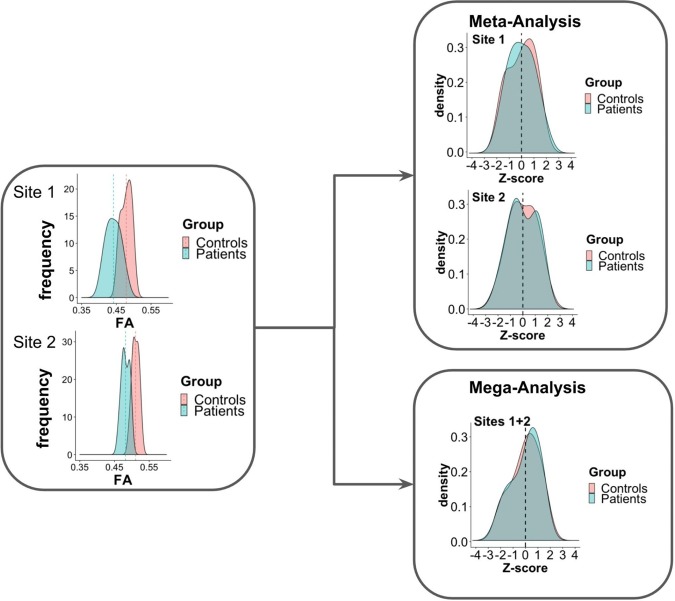
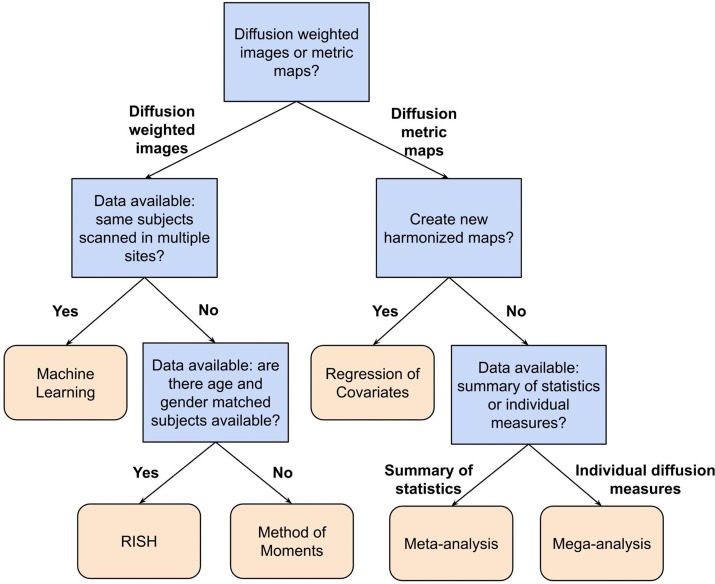
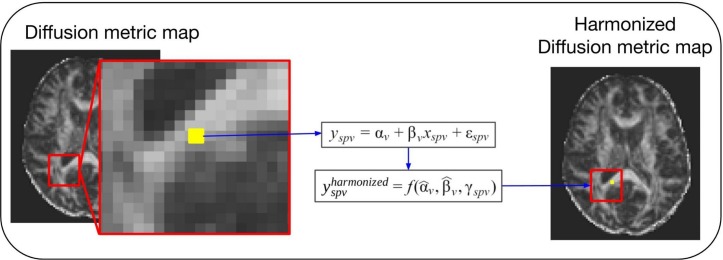
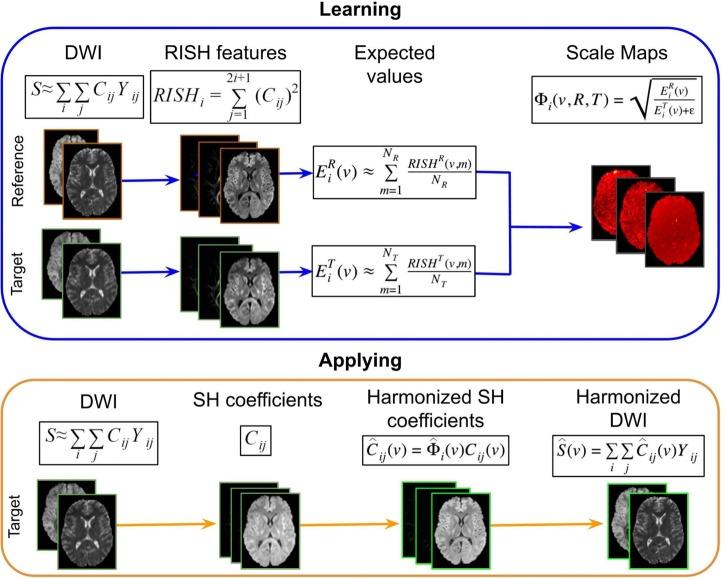
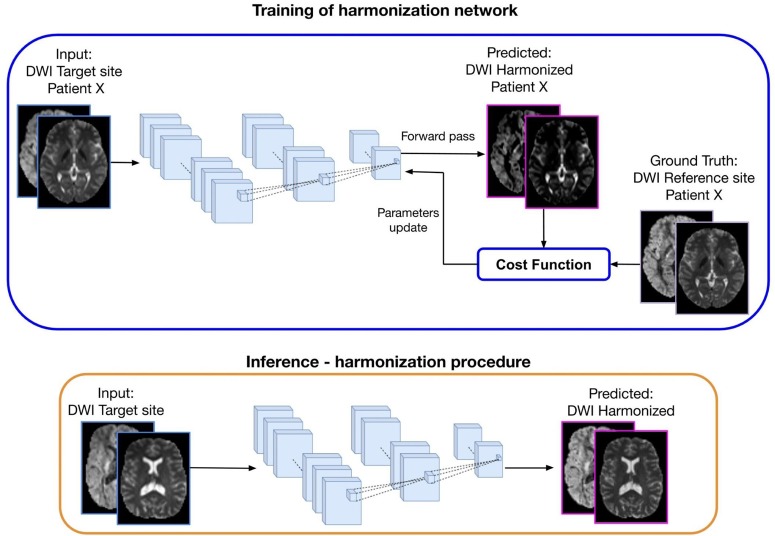
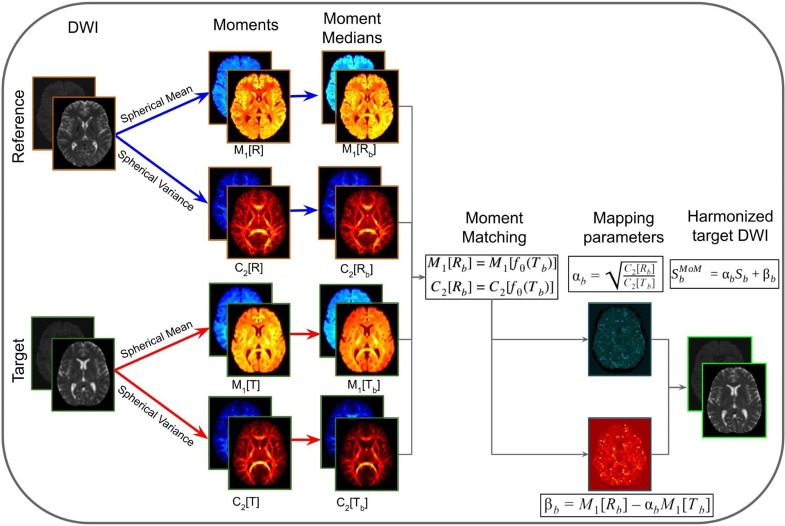
MRI diffusion data suffers from significant inter- and intra-site variability, which hinders multi-site and/or longitudinal diffusion studies. This variability may arise from a range of factors, such as hardware, reconstruction algorithms and acquisition settings. To allow a reliable comparison and joint analysis of diffusion data across sites and over time, there is a clear need for robust data harmonization methods. This review article provides a comprehensive overview of diffusion data harmonization concepts and methods, and their limitations. Overall, the methods for the harmonization of multi-site diffusion images can be categorized in two main groups: diffusion parametric map harmonization (DPMH) and diffusion weighted image harmonization (DWIH). Whereas DPMH harmonizes the diffusion parametric maps (e.g., FA, MD, and MK), DWIH harmonizes the diffusion-weighted images. Defining a gold standard harmonization technique for dMRI data is still an ongoing challenge. Nevertheless, in this paper we provide two classification tools, namely a feature table and a flowchart, which aim to guide the readers in selecting an appropriate harmonization method for their study.
MRI扩散数据存在显著的站点间和站点内变异性,这阻碍了多站点和/或纵向扩散研究。这种变异性可能源于一系列因素,如硬件、重建算法和采集设置。为了能够对不同站点和不同时间的扩散数据进行可靠的比较和联合分析,显然需要强大的数据协调方法。这篇综述文章全面概述了扩散数据协调的概念和方法及其局限性。总体而言,多站点扩散图像的协调方法可分为两大类:扩散参数图协调(DPMH)和扩散加权图像协调(DWIH)。DPMH协调扩散参数图(如FA、MD和MK),而DWIH协调扩散加权图像。为磁共振扩散加权成像(dMRI)数据定义一个金标准协调技术仍然是一个持续的挑战。尽管如此,在本文中我们提供了两种分类工具,即特征表和流程图,旨在指导读者为其研究选择合适的协调方法。