Psychiatry Neuroimaging Laboratory, Brigham and Women's Hospital and Harvard Medical School, USA.
Psychiatry Neuroimaging Laboratory, Brigham and Women's Hospital and Harvard Medical School, USA.
Neuroimage. 2019 Jan 1;184:180-200. doi: 10.1016/j.neuroimage.2018.08.073. Epub 2018 Sep 8.
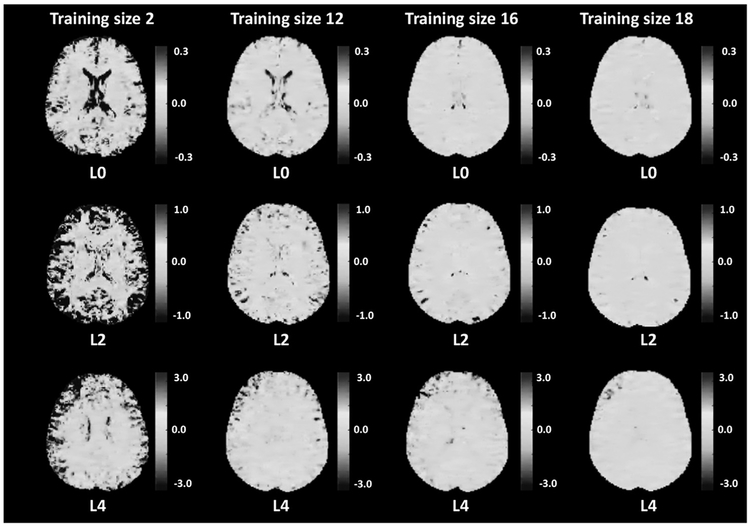
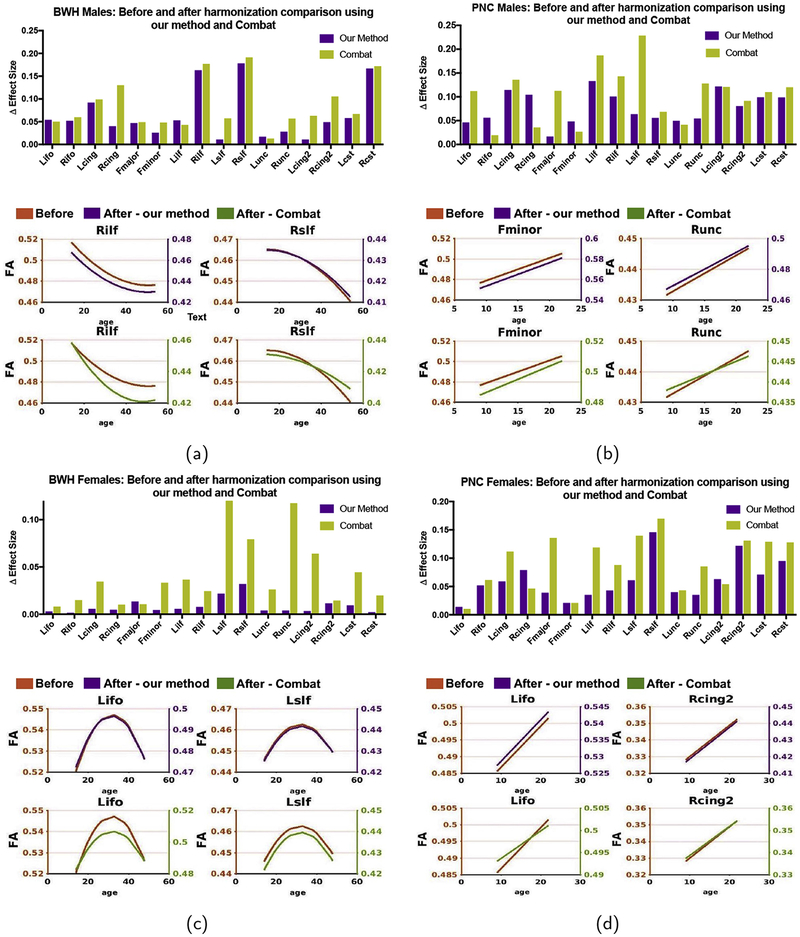
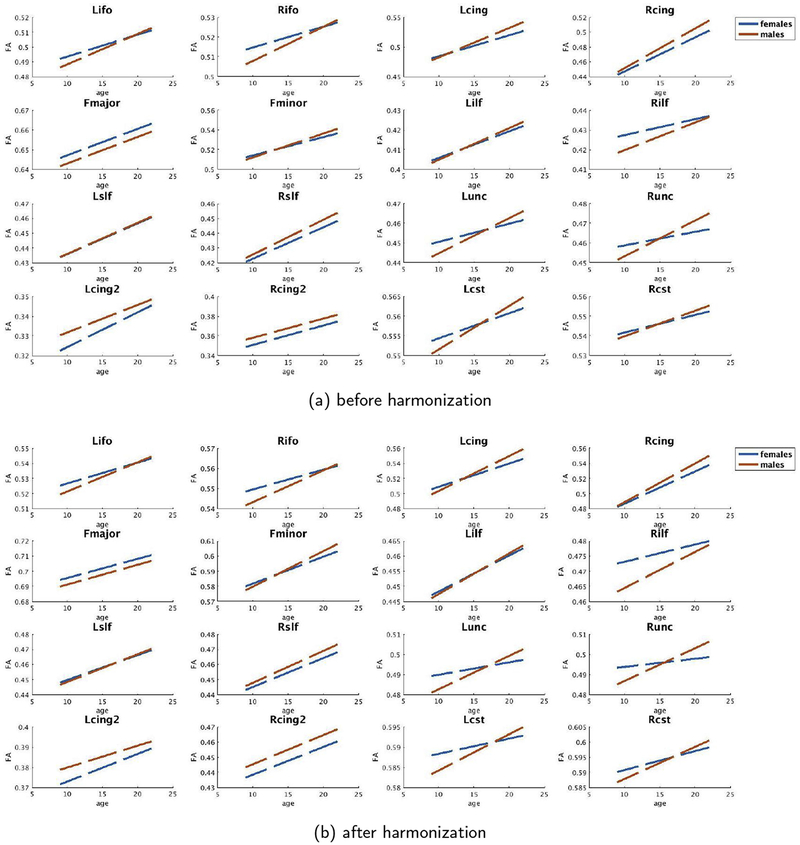
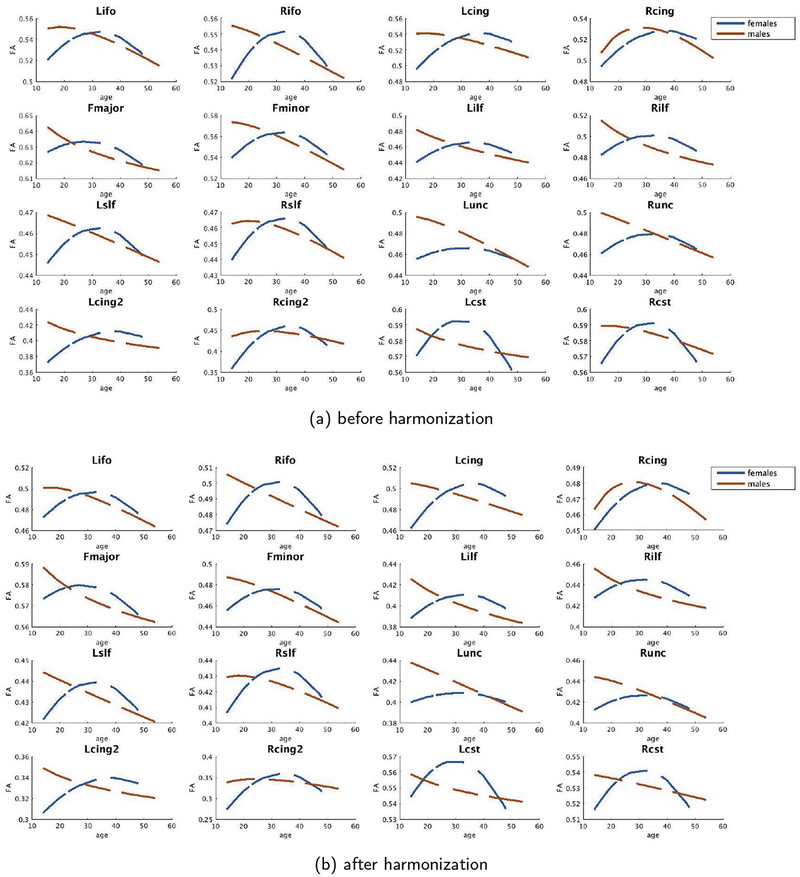
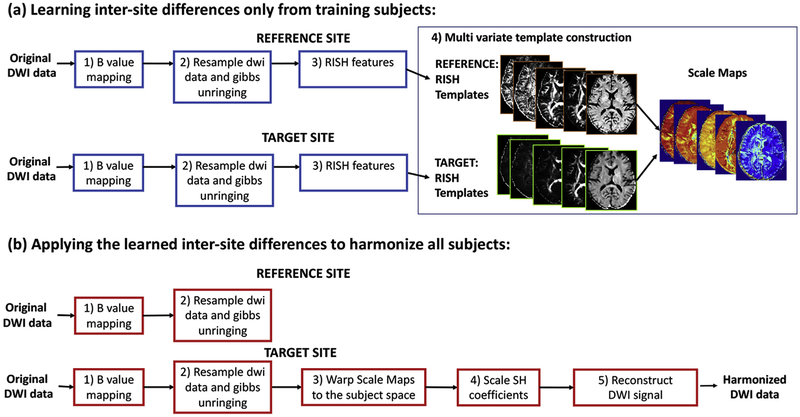
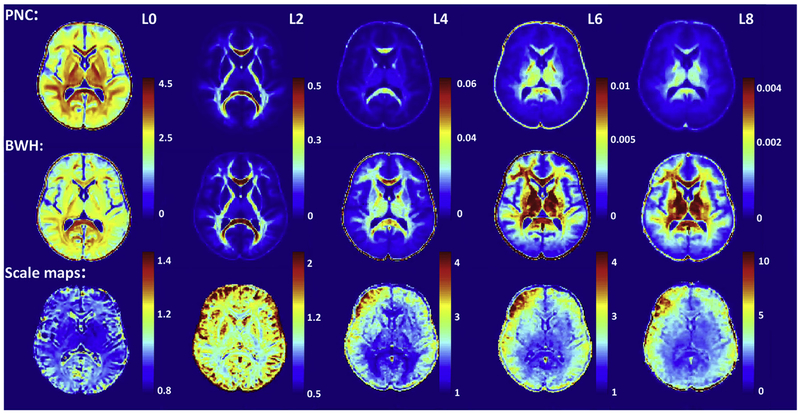
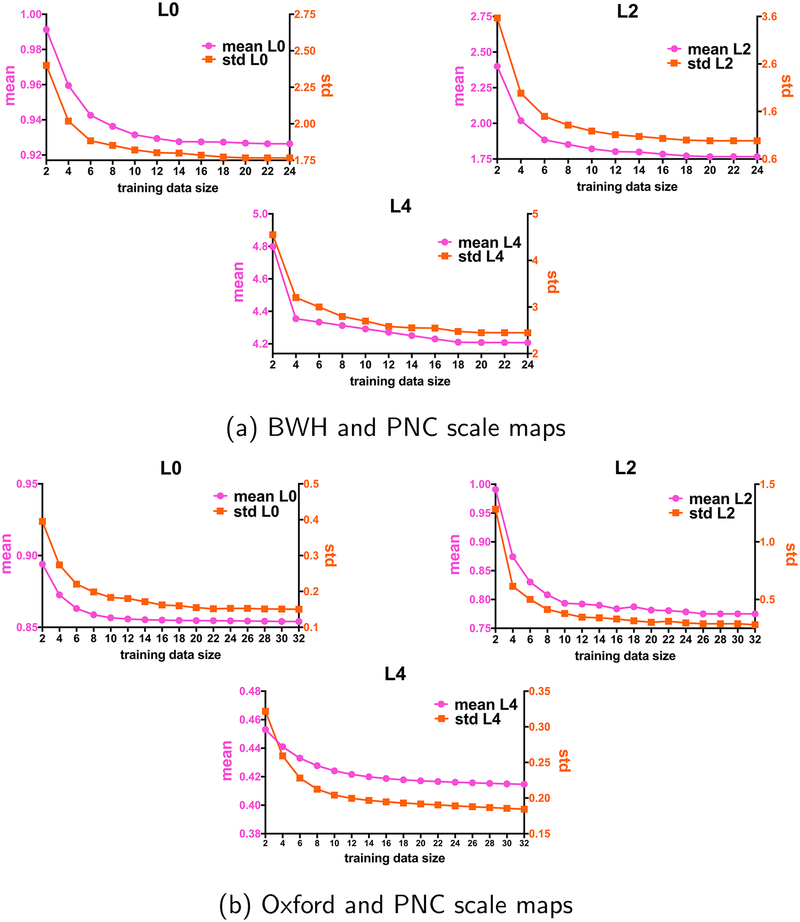
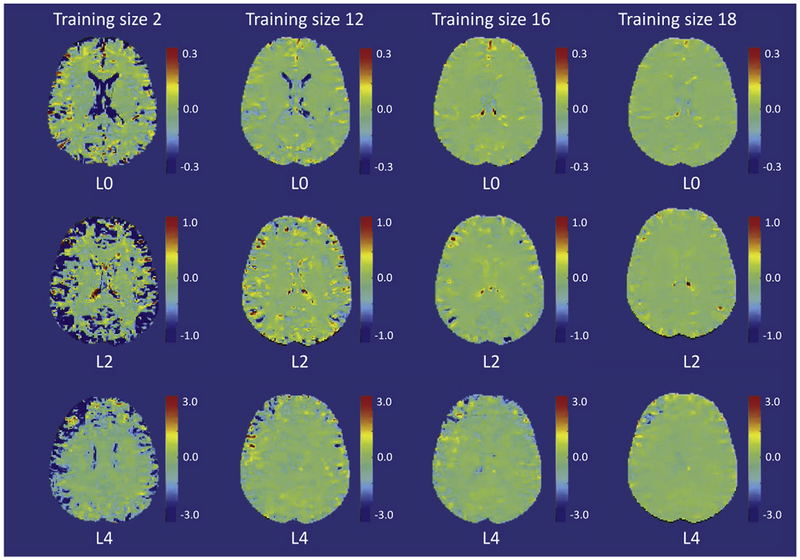
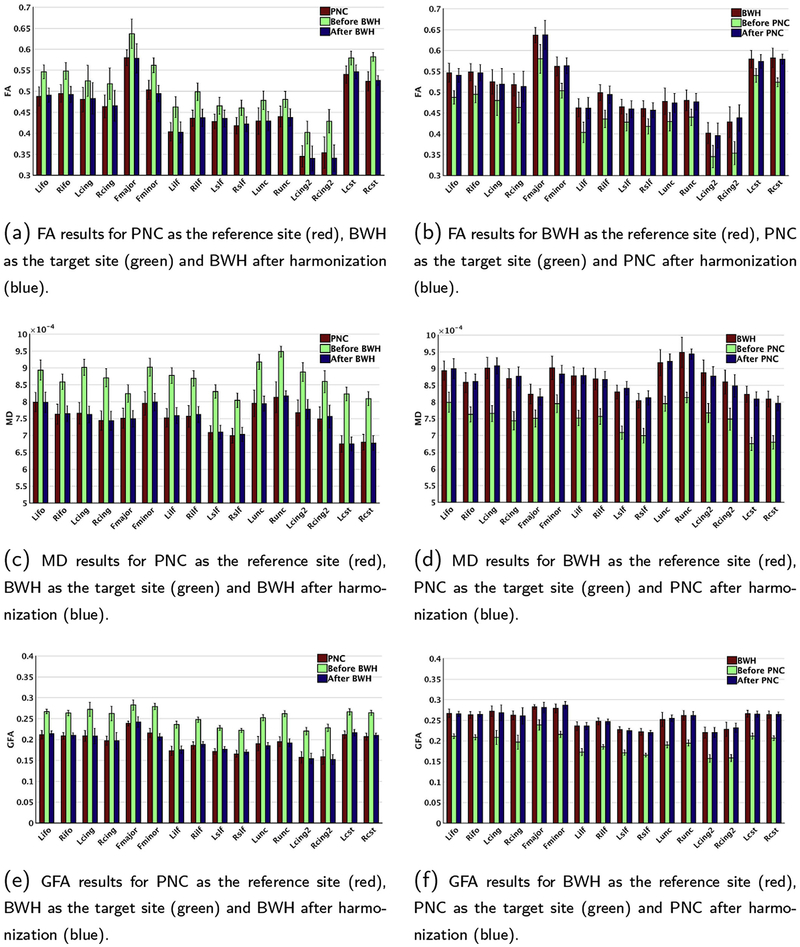
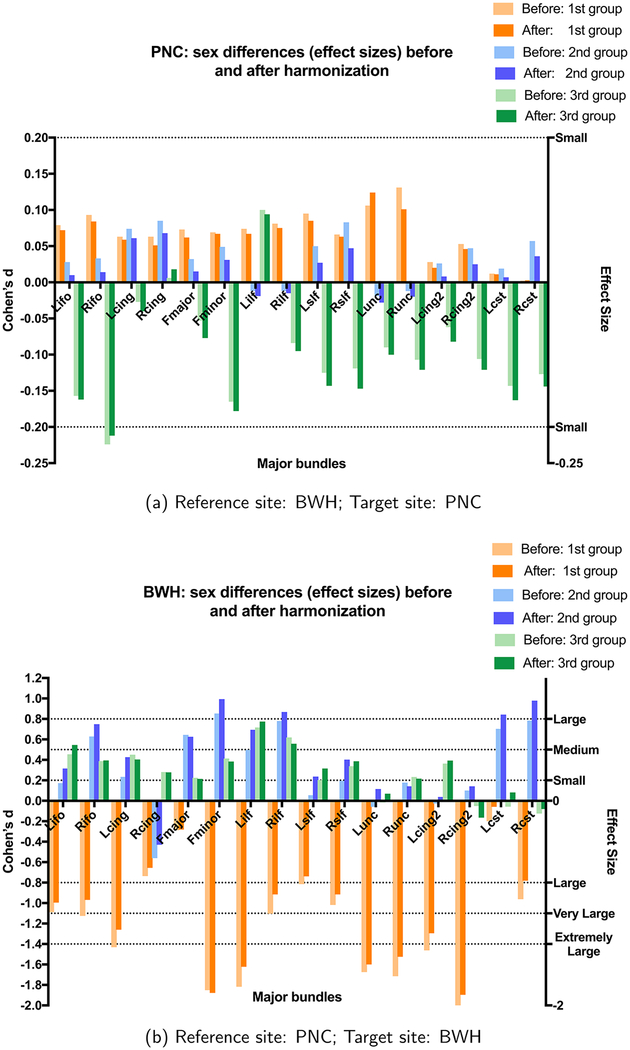
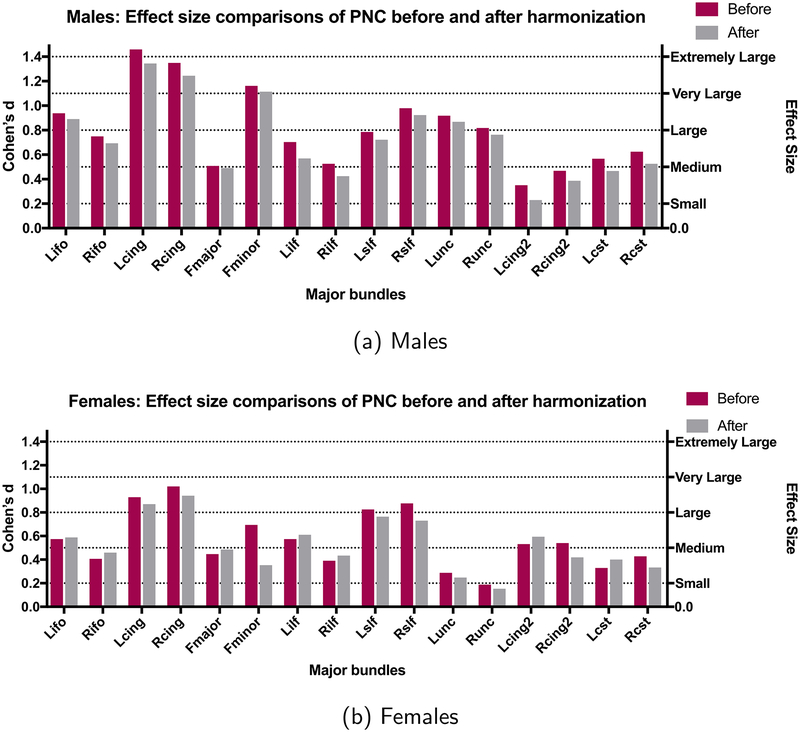
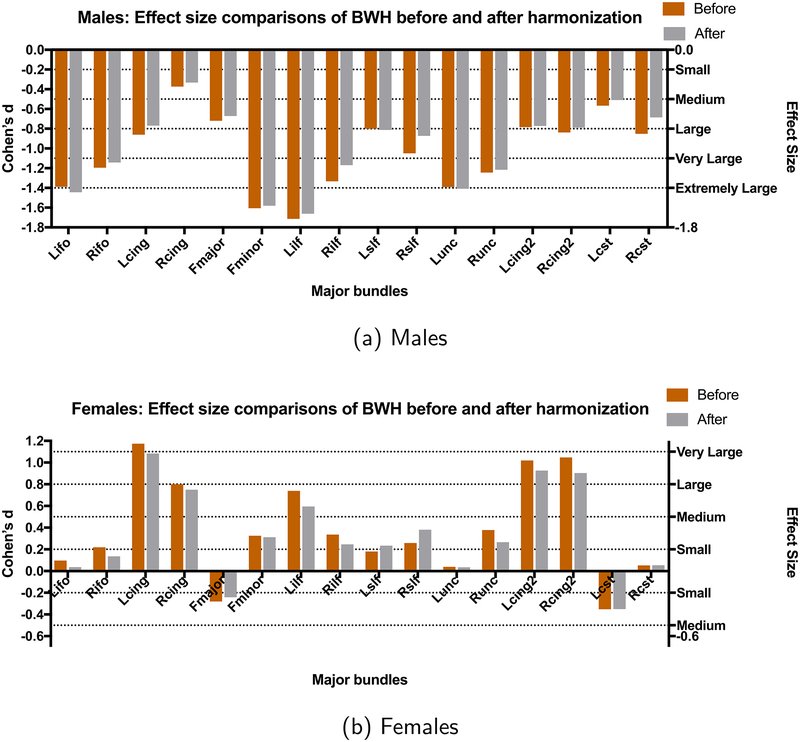
A joint and integrated analysis of multi-site diffusion MRI (dMRI) datasets can dramatically increase the statistical power of neuroimaging studies and enable comparative studies pertaining to several brain disorders. However, dMRI data sets acquired on multiple scanners cannot be naively pooled for joint analysis due to scanner specific nonlinear effects as well as differences in acquisition parameters. Consequently, for joint analysis, the dMRI data has to be harmonized, which involves removing scanner-specific differences from the raw dMRI signal. In this work, we propose a dMRI harmonization method that is capable of removing scanner-specific effects, while accounting for minor differences in acquisition parameters such as b-value, spatial resolution and number of gradient directions. We validate our algorithm on dMRI data acquired from two sites: Philadelphia Neurodevelopmental Cohort (PNC) with 800 healthy adolescents (ages 8-22 years) and Brigham and Women's Hospital (BWH) with 70 healthy subjects (ages 14-54 years). In particular, we show that gender and age-related maturation differences in different age groups are preserved after harmonization, as measured using effect sizes (small, medium and large), irrespective of the test sample size. Since we use matched control subjects from different scanners to estimate scanner-specific effects, our goal in this work is also to determine the minimum number of well-matched subjects needed from each site to achieve best harmonization results. Our results indicate that at-least 16 to 18 well-matched healthy controls from each site are needed to reliably capture scanner related differences. The proposed method can thus be used for retrospective harmonization of raw dMRI data across sites despite differences in acquisition parameters, while preserving inter-subject anatomical variability.
对多地点扩散磁共振成像(dMRI)数据集进行联合和综合分析,可以极大地提高神经影像学研究的统计能力,并实现与多种脑疾病相关的比较研究。然而,由于扫描仪特定的非线性效应以及采集参数的差异,不能直接对来自多个扫描仪的 dMRI 数据集进行联合分析。因此,为了进行联合分析,必须对 dMRI 数据进行协调,这涉及从原始 dMRI 信号中去除扫描仪特定的差异。在这项工作中,我们提出了一种 dMRI 协调方法,能够去除扫描仪特定的影响,同时考虑到采集参数的微小差异,如 b 值、空间分辨率和梯度方向数。我们在从两个地点采集的 dMRI 数据上验证了我们的算法:费城神经发育队列(PNC)的 800 名健康青少年(8-22 岁)和布里格姆妇女医院(BWH)的 70 名健康受试者(14-54 岁)。特别是,我们表明,在协调后,不同年龄组的性别和年龄相关成熟差异仍然存在,这是通过效应大小(小、中、大)来衡量的,而与测试样本量无关。由于我们使用来自不同扫描仪的匹配对照来估计扫描仪特定的影响,因此我们在这项工作中的目标也是确定从每个地点获得最佳协调结果所需的最小数量的匹配对照。我们的结果表明,每个地点至少需要 16 到 18 个匹配良好的健康对照,才能可靠地捕捉到扫描仪相关的差异。因此,该方法可用于在存在采集参数差异的情况下,对来自不同地点的原始 dMRI 数据进行回顾性协调,同时保留受试者之间的解剖学变异性。