Department of Drug Radiation Research, National Center for Radiation Research and Technology (NCRRT), Egyptian Atomic Energy Authority (EAEA), Cairo 11765, Egypt.
Medicinal, Aromatic and Poisonous Plants Research Center (MAPPRC), College of Pharmacy, King Saud University, Riyadh 11451, Saudi Arabia.
Int J Nanomedicine. 2020 May 5;15:3161-3180. doi: 10.2147/IJN.S241433. eCollection 2020.
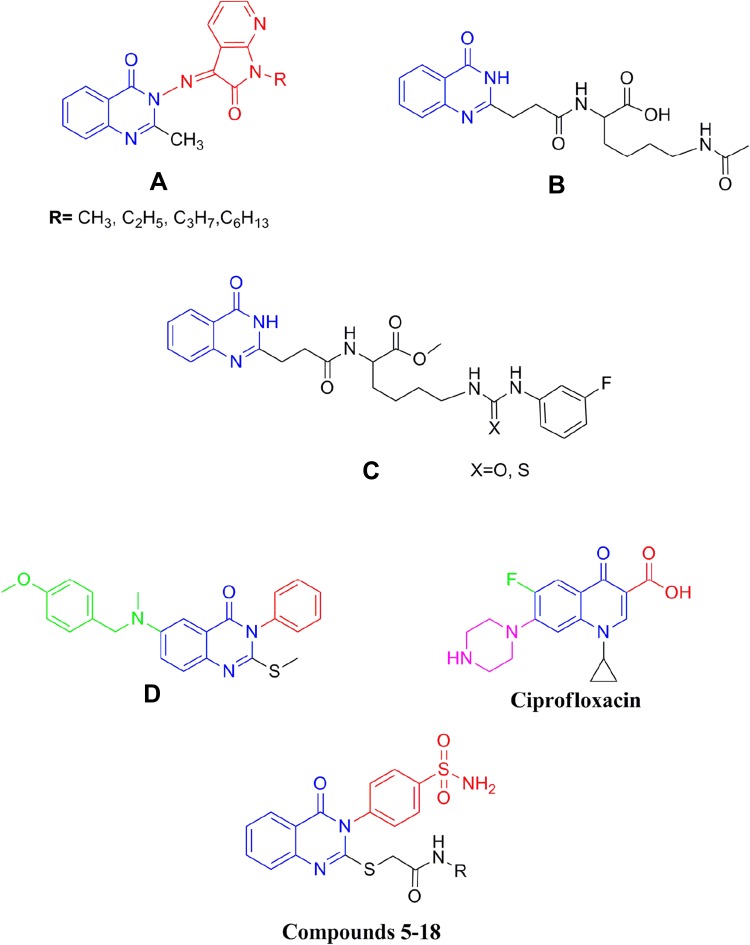
With the rapid emergence of antibiotic resistance, efforts are being made to obtain new selective antimicrobial agents. Hybridization between quinazolinone and benzenesulfonamide can provide new antimicrobial candidates. Also, the use of nanoparticles can help boost drug efficacy and lower side effects.
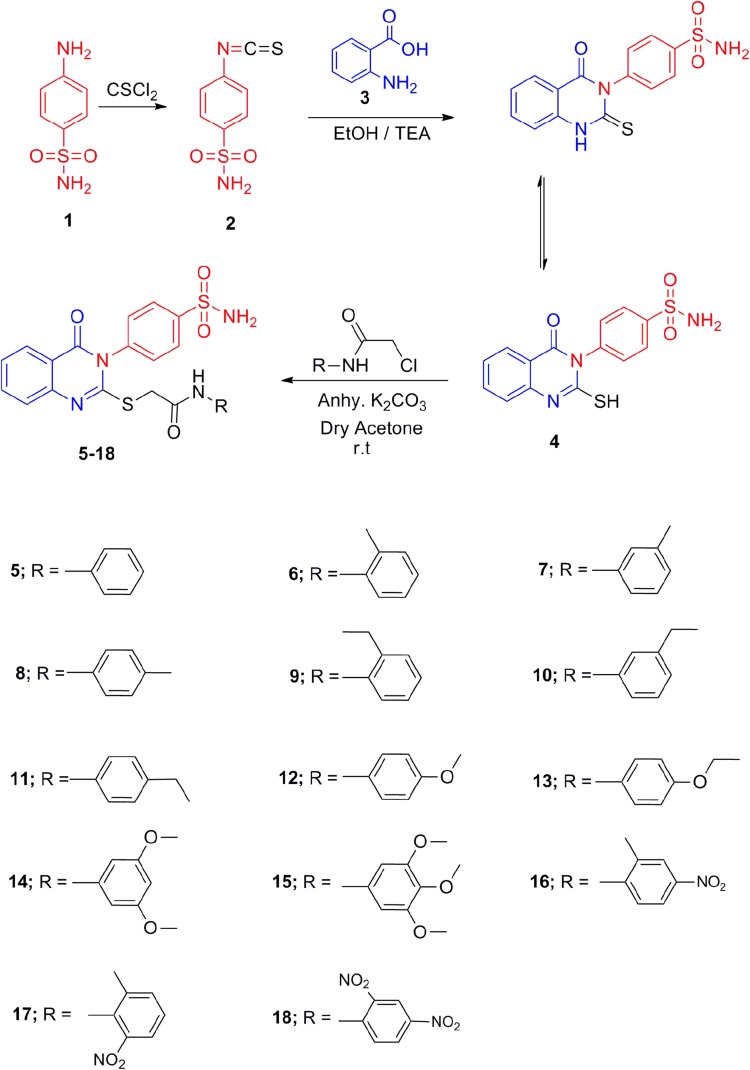
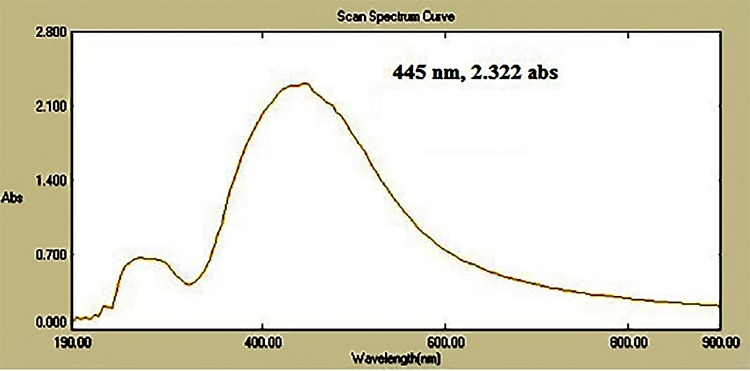
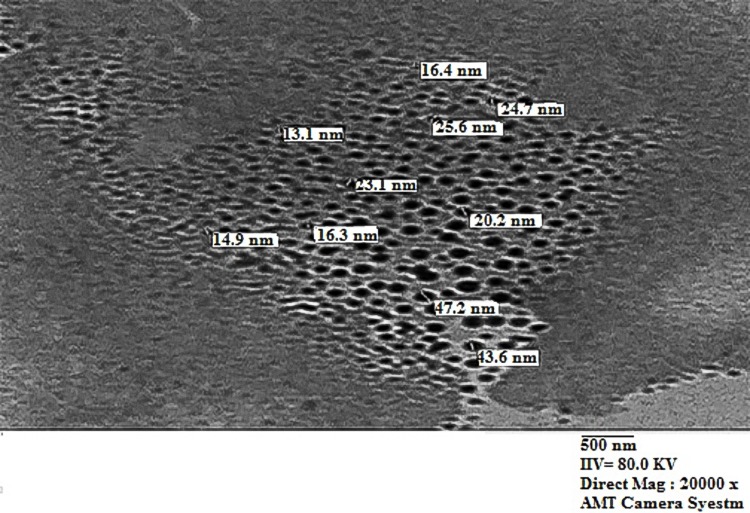
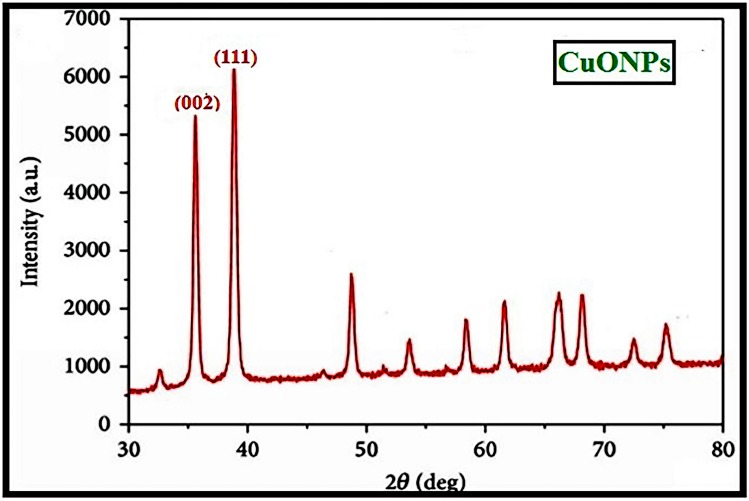
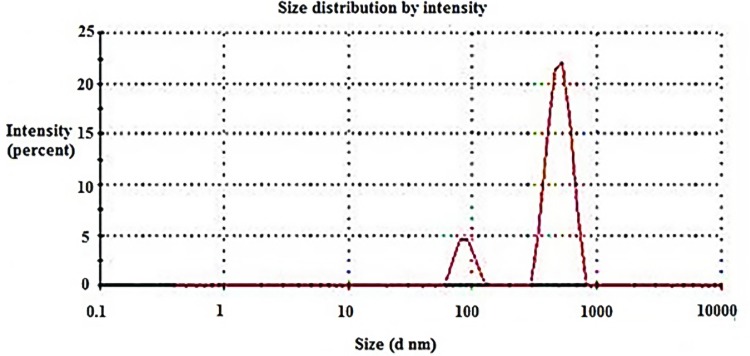
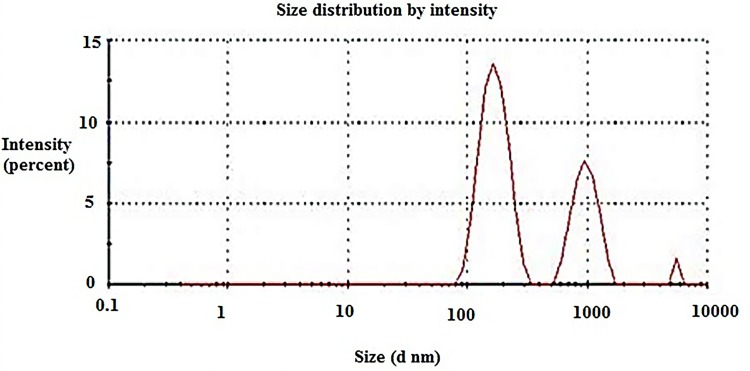
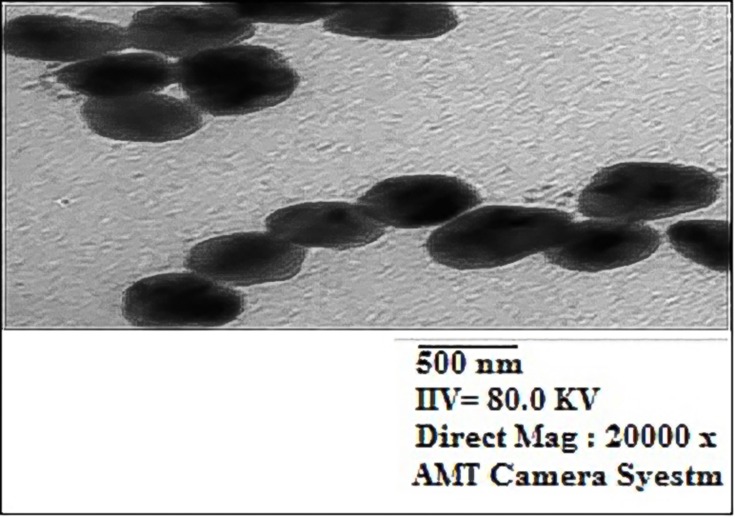
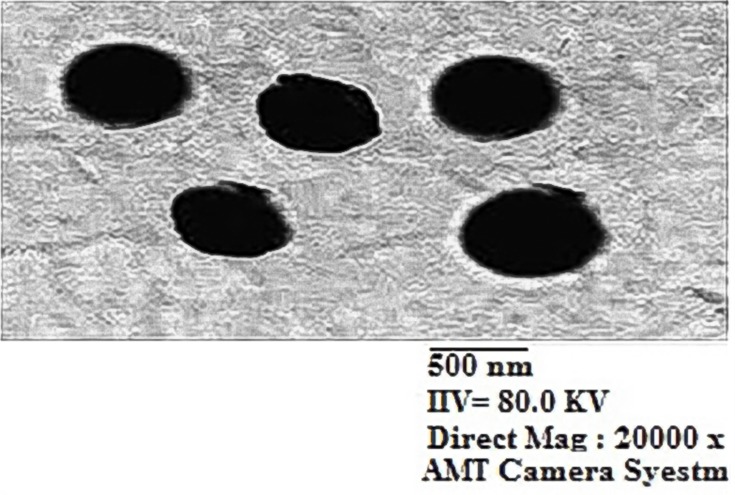
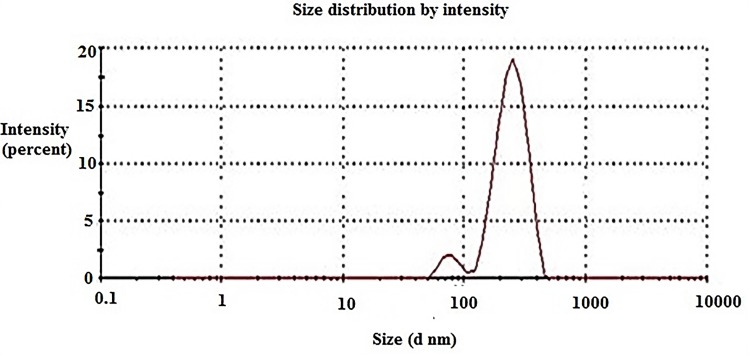
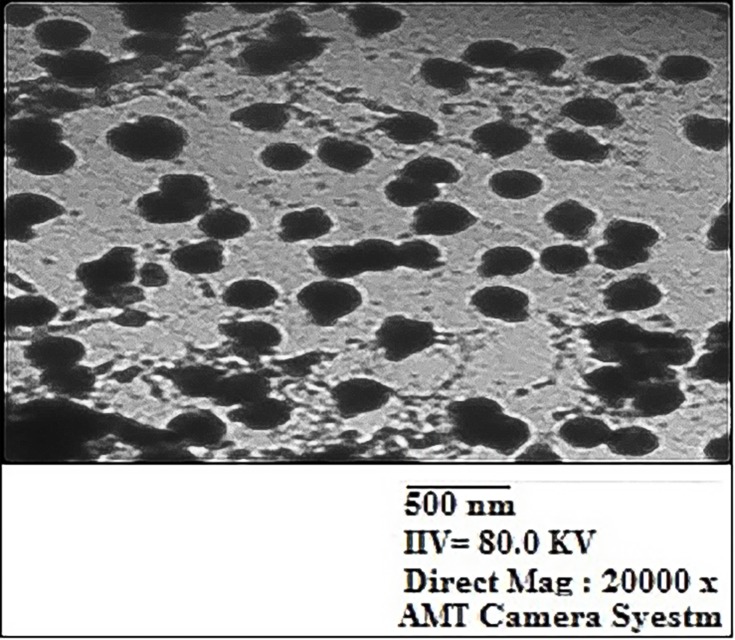
Novel quinazolinone-benzenesulfonamide derivatives were synthesized and screened for their antimicrobial activity against Gram-positive bacteria, Gram-negative bacteria, MRSA and yeast. The most potent compound was conjugated with copper oxide nanoparticles 16-CuONPs by gamma irradiation (4.5 KGy). Characterization was performed using UV-Visible, TEM examination, XRD patterns and DLS. Moreover, compound was used to synthesize two nanoformulations: 16-CNPs by loading in chitosan nanoparticles and the nanocomposites 16-CuONPs-CNPs. Characterization of these nanoformulations was performed using TEM and zeta potential. Besides, the inhibitory profile against DNA gyrase was assayed. Cytotoxic evaluation of , 16-CNPs and 16-CuONPs-CNPs on normal VERO cell line was carried out to determine its relative safety. Molecular docking of was performed inside the active site of DNA gyrase.
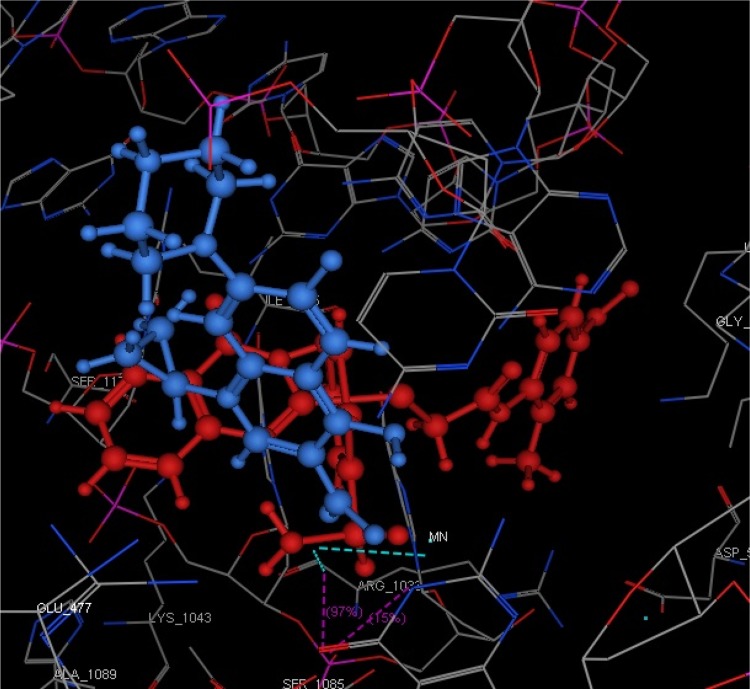
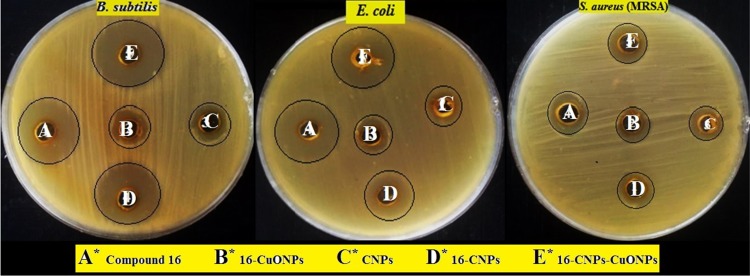
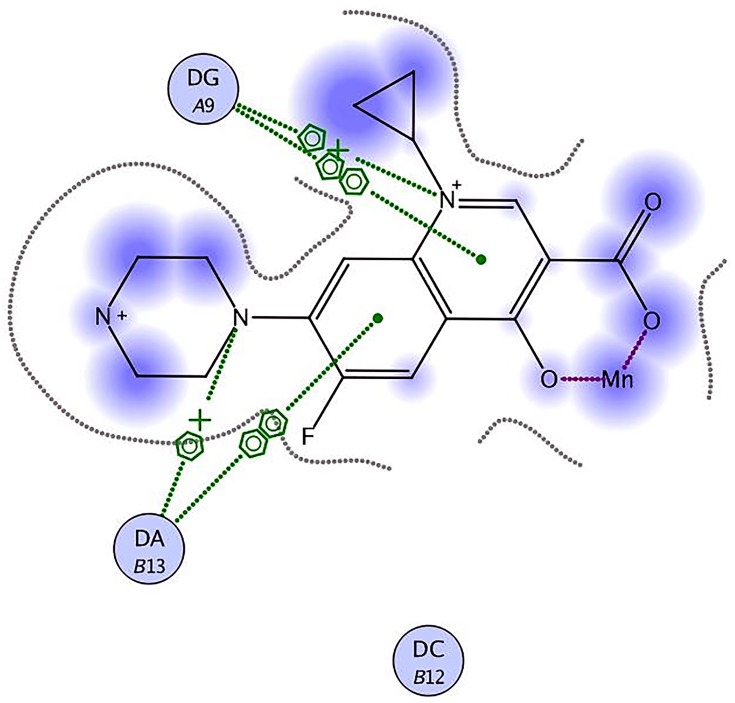
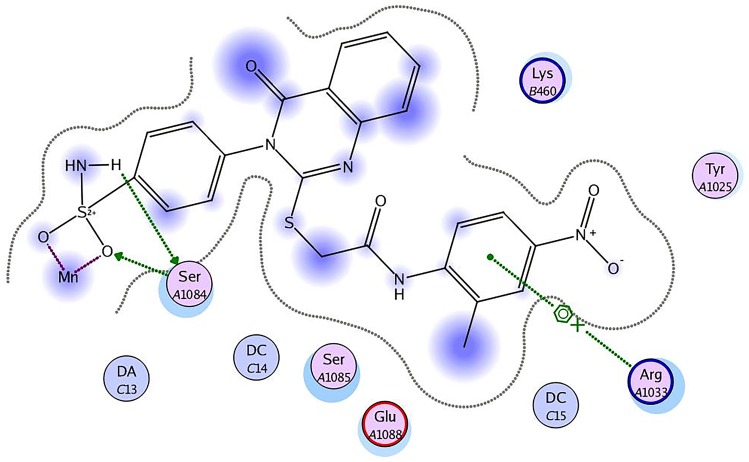
Compound was the most active in this series against all the tested strains and showed inhibition zones and MICs in the ranges of 25-36 mm and 0.31-5.0 µg/mL, respectively. The antimicrobial screening of the synthesized nanoformulations revealed that 16-CuONPs-CNPs displayed the most potent activity. The MBCs of and the nanoformulations were measured and proved their bactericidal mode of action. The inhibitory profile against DNA gyrase showed IC ranging from 10.57 to 27.32 µM. Cytotoxic evaluation of , 16-CNPs and 16-CuONPs-CNPs against normal VERO cell lines proved its relative safety (IC= 927, 543 and 637 µg/mL, respectively). Molecular docking of inside the active site of DNA gyrase showed that it binds in the same manner as that of the co-crystallized ligand, ciprofloxacin.
Compound could be considered as a new antimicrobial lead candidate with enhanced activity upon nanoformulation.
随着抗生素耐药性的迅速出现,人们正在努力寻找新的选择性抗菌剂。将喹唑啉酮和苯磺酰胺杂交可以提供新的抗菌候选物。此外,使用纳米粒子可以帮助提高药物疗效并降低副作用。
合成了新型的喹唑啉酮-苯磺酰胺衍生物,并对其进行了革兰氏阳性菌、革兰氏阴性菌、MRSA 和酵母的抗菌活性筛选。最有效的化合物 与氧化铜纳米粒子 16-CuONPs 通过伽马辐照(4.5 KGy)进行偶联。使用 UV-可见光谱、TEM 检查、XRD 图谱和 DLS 对其进行了表征。此外,化合物 被用于合成两种纳米制剂:通过将 负载在壳聚糖纳米粒子中的 16-CNPs 和纳米复合材料 16-CuONPs-CNPs。使用 TEM 和 ζ 电位对这些纳米制剂进行了表征。此外,还测定了对 DNA 拓扑异构酶的抑制谱。在正常的 VERO 细胞系上对 、16-CNPs 和 16-CuONPs-CNPs 进行细胞毒性评估,以确定其相对安全性。将 进行了分子对接,使其进入 DNA 拓扑异构酶的活性部位。
在该系列中,化合物 对所有测试菌株的活性最高,其抑菌圈和 MIC 分别在 25-36mm 和 0.31-5.0μg/ml 范围内。所合成的纳米制剂的抗菌筛选表明,16-CuONPs-CNPs 显示出最强的活性。测定了 和纳米制剂的 MBC,并证明其具有杀菌作用模式。对 DNA 拓扑异构酶的抑制谱显示 IC 范围为 10.57-27.32μM。对正常 VERO 细胞系的 、16-CNPs 和 16-CuONPs-CNPs 的细胞毒性评估证明其相对安全(IC=927、543 和 637μg/ml)。将 分子对接进入 DNA 拓扑异构酶的活性部位表明,它以与共结晶配体环丙沙星相同的方式结合。
化合物 可以被认为是一种新的抗菌先导候选物,纳米制剂可以提高其活性。