Krenzien Felix, Katou Shadi, Papa Alba, Sinn Bruno, Benzing Christian, Feldbrügge Linda, Kamali Can, Brunnbauer Philipp, Splith Katrin, Lorenz Ralf Roland, Ritschl Paul, Wiering Leke, Öllinger Robert, Schöning Wenzel, Pratschke Johann, Schmelzle Moritz
Department of Surgery, Campus Charité Mitte and Campus Virchow-Klinikum, Charité-Universitätsmedizin, Corporate Member of Freie Universität Berlin, Humboldt-Universität zu Berlin, 13353 Berlin, Germany.
Berlin Institute of Health (BIH), 10178 Berlin, Germany.
J Clin Med. 2020 May 20;9(5):1543. doi: 10.3390/jcm9051543.
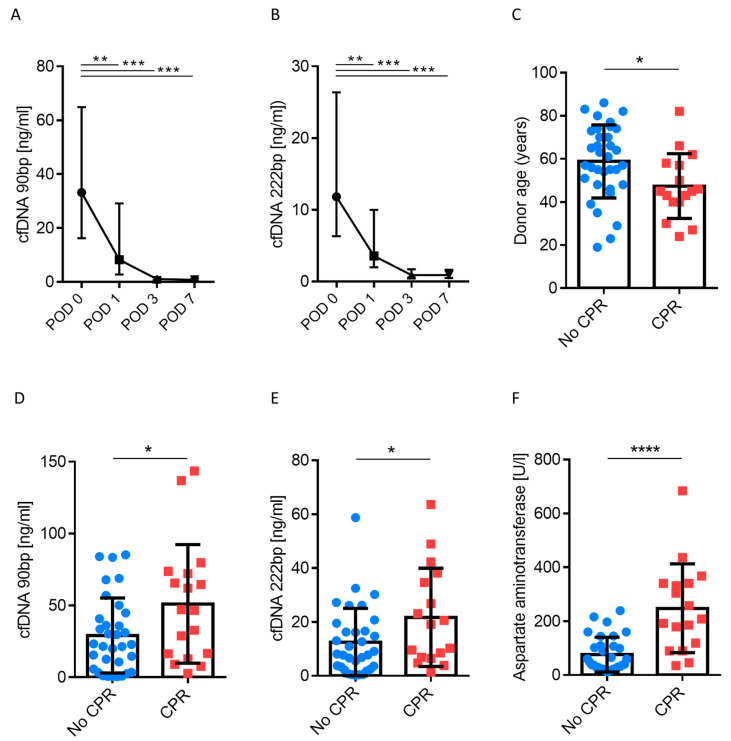
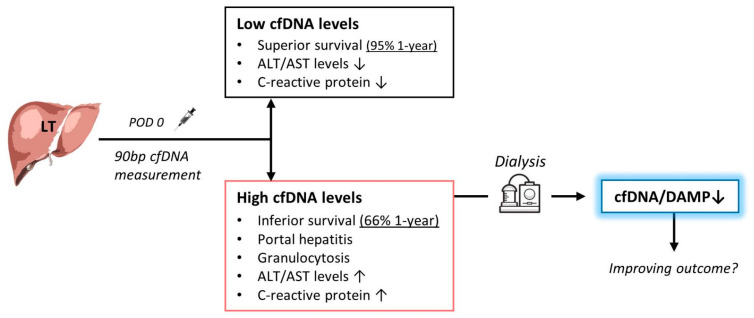
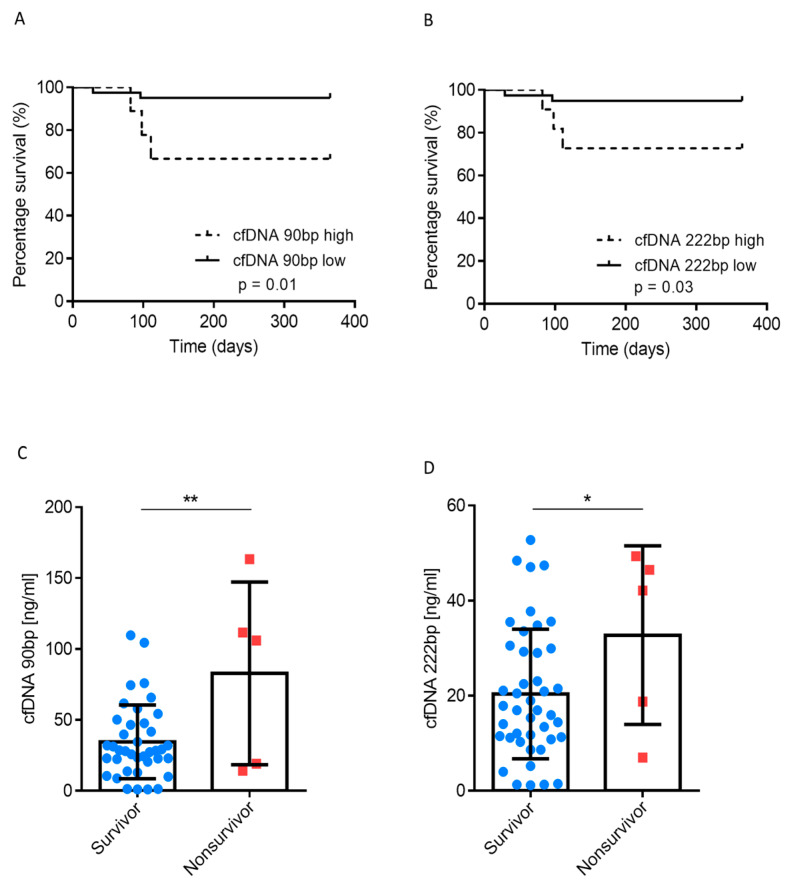
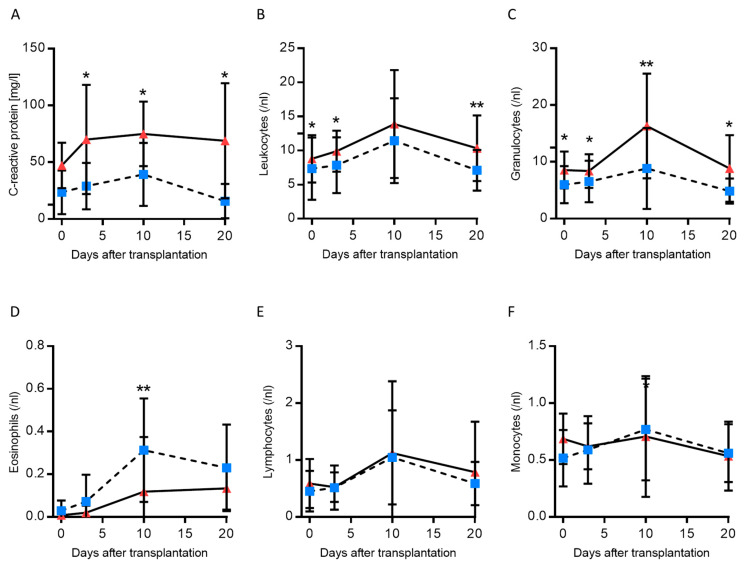
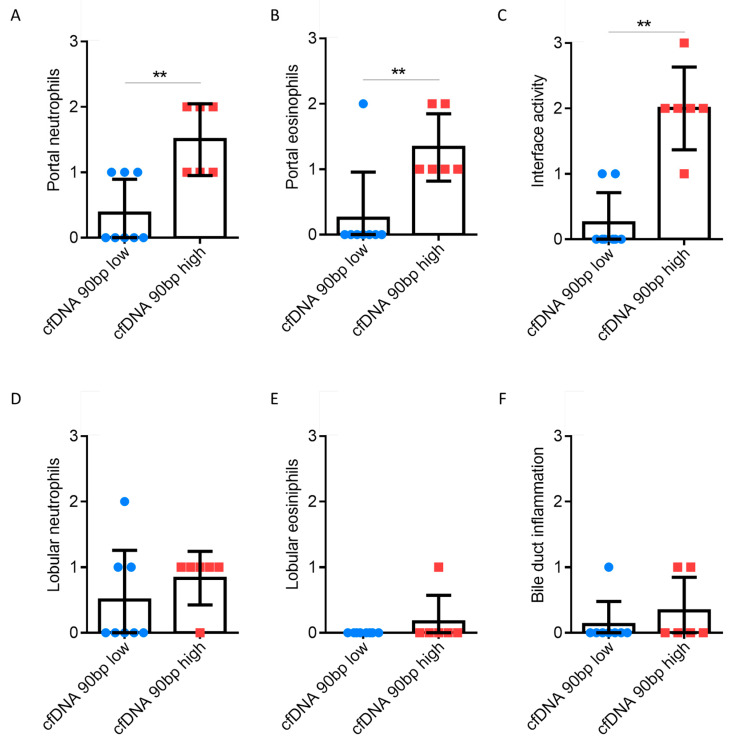
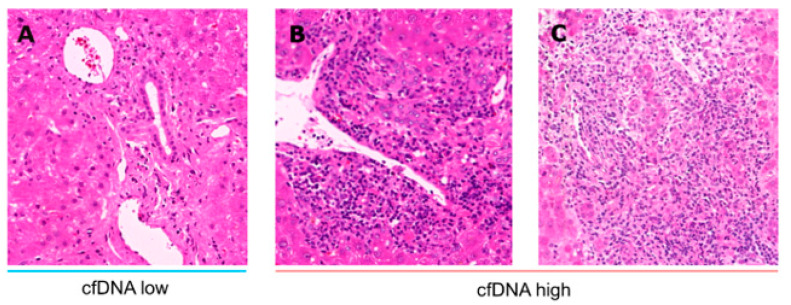
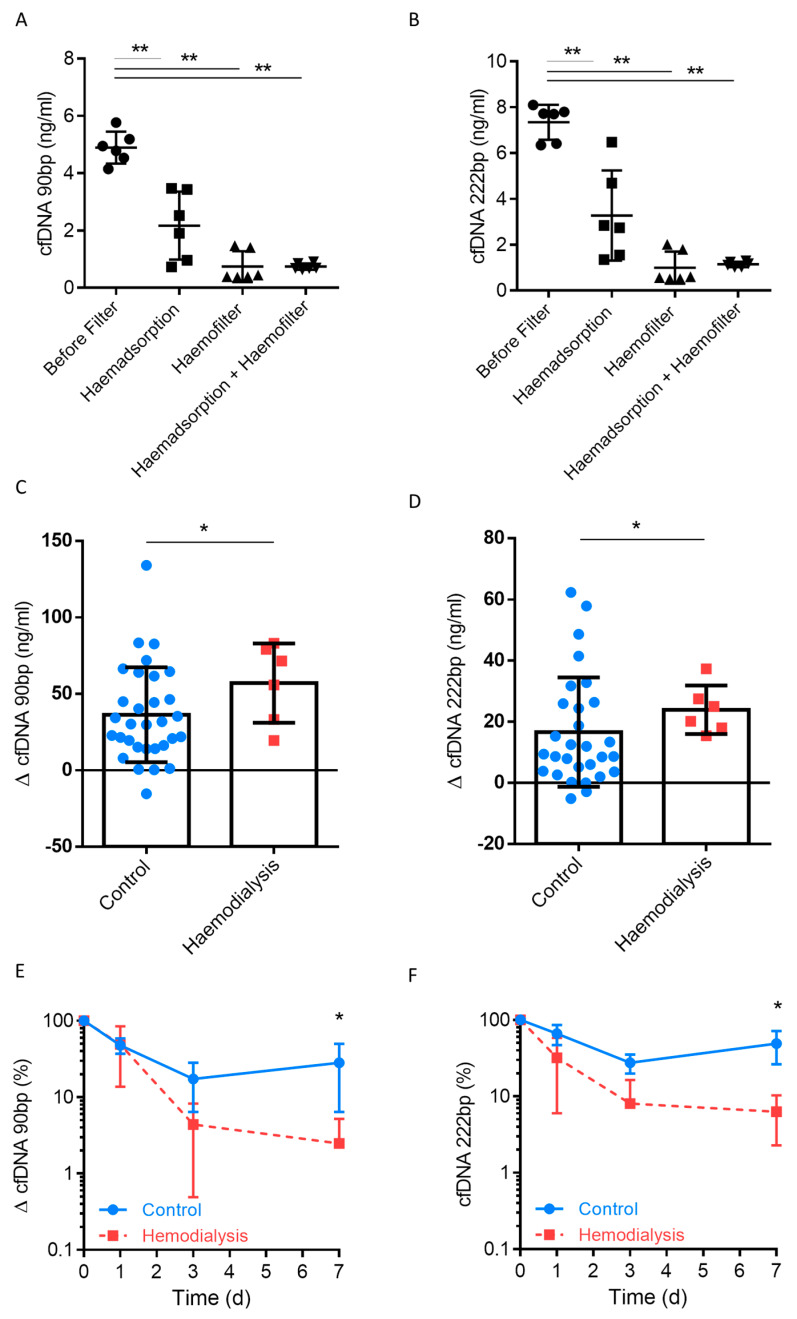
Donor organ quality is crucial for transplant survival and long-term survival of patients after liver transplantation. Besides bacterial and viral infections, endogenous damage-associated molecular patterns (DAMPs) can stimulate immune responses. Cell-free DNA (cfDNA) is one such DAMP that exhibits highly proinflammatory effects via DNA sensors. Herein, we measured cfDNA after liver transplantation and found elevated levels when organs from resuscitated donors were transplanted. High levels of cfDNA were associated with high C-reactive protein, leukocytosis as well as granulocytosis in the recipient. In addition to increased systemic immune responses, portal hepatitis was observed, which was associated with increased interface activity and a higher numbers of infiltrating neutrophils and eosinophils in the graft. In fact, the cfDNA was an independent significant factor in multivariate analysis and increased concentration of cfDNA was associated with inferior 1-year survival. Moreover, cfDNA levels were found to be decreased significantly during the postoperative course when patients underwent continuous veno-venous haemofiltration. In conclusion, patients receiving livers from resuscitated donors were characterised by high postoperative cfDNA levels. Those patients showed pronounced portal hepatitis and systemic inflammatory responses in the short term leading to a high mortality. Further studies are needed to evaluate the clinical relevance of cfDNA clearance by haemoadsorption and haemofiltration in vitro and in vivo.
供体器官质量对于肝移植后移植器官存活及患者长期存活至关重要。除细菌和病毒感染外,内源性损伤相关分子模式(DAMPs)可刺激免疫反应。游离DNA(cfDNA)就是这样一种通过DNA传感器表现出高度促炎作用的DAMP。在此,我们检测了肝移植后的cfDNA,发现移植复苏供体的器官时cfDNA水平升高。高水平的cfDNA与受体中高C反应蛋白、白细胞增多以及粒细胞增多相关。除全身免疫反应增强外,还观察到门静脉肝炎,其与移植物中界面活性增加以及浸润的中性粒细胞和嗜酸性粒细胞数量增多有关。事实上,在多变量分析中cfDNA是一个独立的显著因素,cfDNA浓度升高与1年生存率较低相关。此外,当患者接受持续静脉-静脉血液滤过时,术后过程中cfDNA水平显著降低。总之,接受复苏供体肝脏的患者术后cfDNA水平较高。这些患者在短期内表现出明显的门静脉肝炎和全身炎症反应,导致高死亡率。需要进一步研究来评估血液吸附和血液滤过在体外和体内清除cfDNA的临床相关性。