Division of Allergy and Immunology, Cincinnati Children's Hospital Medical Center, Cincinnati, Ohio.
Division of Pharmacy, Cincinnati Children's Hospital Medical Center, Cincinnati, Ohio.
J Allergy Clin Immunol. 2020 Jul;146(1):23-34. doi: 10.1016/j.jaci.2020.05.012. Epub 2020 May 20.
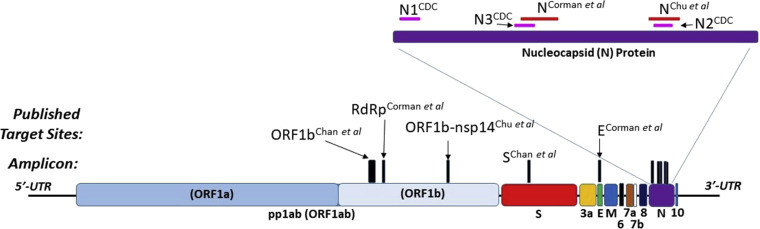
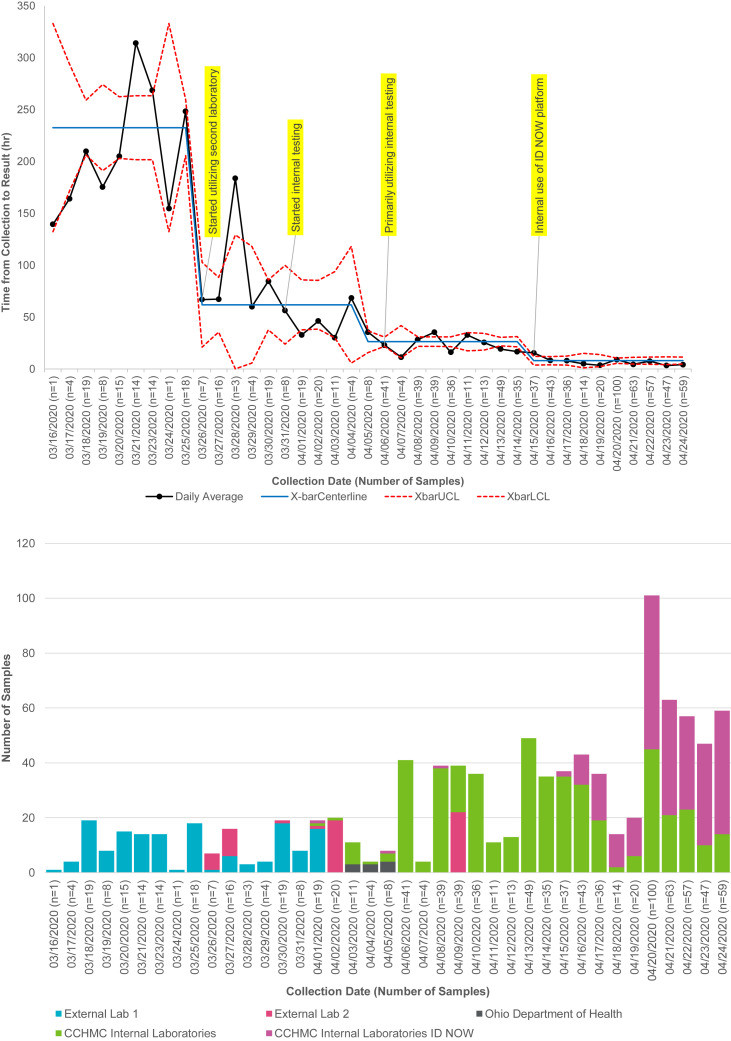
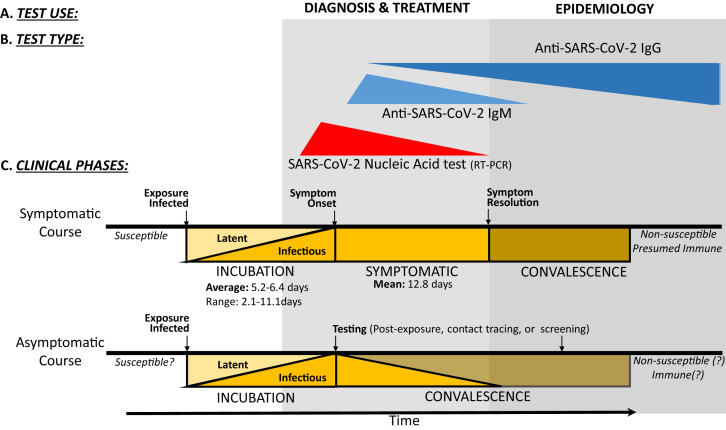
As the novel coronavirus severe acute respiratory syndrome coronavirus 2 caused coronavirus disease 2019 cases in the United States, the initial test was developed and performed at the Centers for Disease Control and Prevention. As the number of cases increased, the demand for tests multiplied, leading the Centers for Disease Control and Prevention to use the Emergency Utilization Authorization to allow clinical and commercial laboratories to develop tests to detect the presence of the virus. Many nucleic acid tests based on RT-PCR were developed, each with different techniques, specifications, and turnaround time. As the illnesses turned into a pandemic, testing became more crucial. The test supply became inadequate to meet the need and so it had to be prioritized according to guidance. For surveillance, the need for serologic tests emerged. Here, we review the timeline of test development, the turnaround times, and the various approved tests, and compare them as regards the genes they detect. We concentrate on the point-of-care tests and discuss the basis for new serologic tests. We discuss the testing guidance for prioritization and their application in a hospital setting.
随着新型冠状病毒(SARS-CoV-2)引发的 2019 冠状病毒病(COVID-19)病例在美国出现,最初的检测是在美国疾病控制与预防中心(Centers for Disease Control and Prevention)开发和进行的。随着病例数量的增加,检测需求呈指数级增长,这促使疾病控制与预防中心(Centers for Disease Control and Prevention)利用紧急使用授权(Emergency Use Authorization)允许临床和商业实验室开发检测病毒存在的检测方法。许多基于 RT-PCR 的核酸检测方法相继开发,每种方法都有不同的技术、规格和周转时间。随着疾病演变成大流行,检测变得更加重要。检测供应不足以满足需求,因此必须根据指南进行优先排序。为了进行监测,出现了对血清学检测的需求。在这里,我们回顾了检测方法的开发时间、周转时间和各种已批准的检测方法,并比较了它们所检测的基因。我们专注于即时检测,并讨论了新的血清学检测的基础。我们还讨论了用于优先级排序的检测指导及其在医院环境中的应用。