Department of Nutrition Science, Purdue University, West Lafayette, Indiana, USA.
Department of Food Science and Technology, 258 Food Innovation Center, University of Nebraska, Lincoln, Nebraska, USA.
Nutr Rev. 2021 Apr 7;79(5):599-614. doi: 10.1093/nutrit/nuaa013.
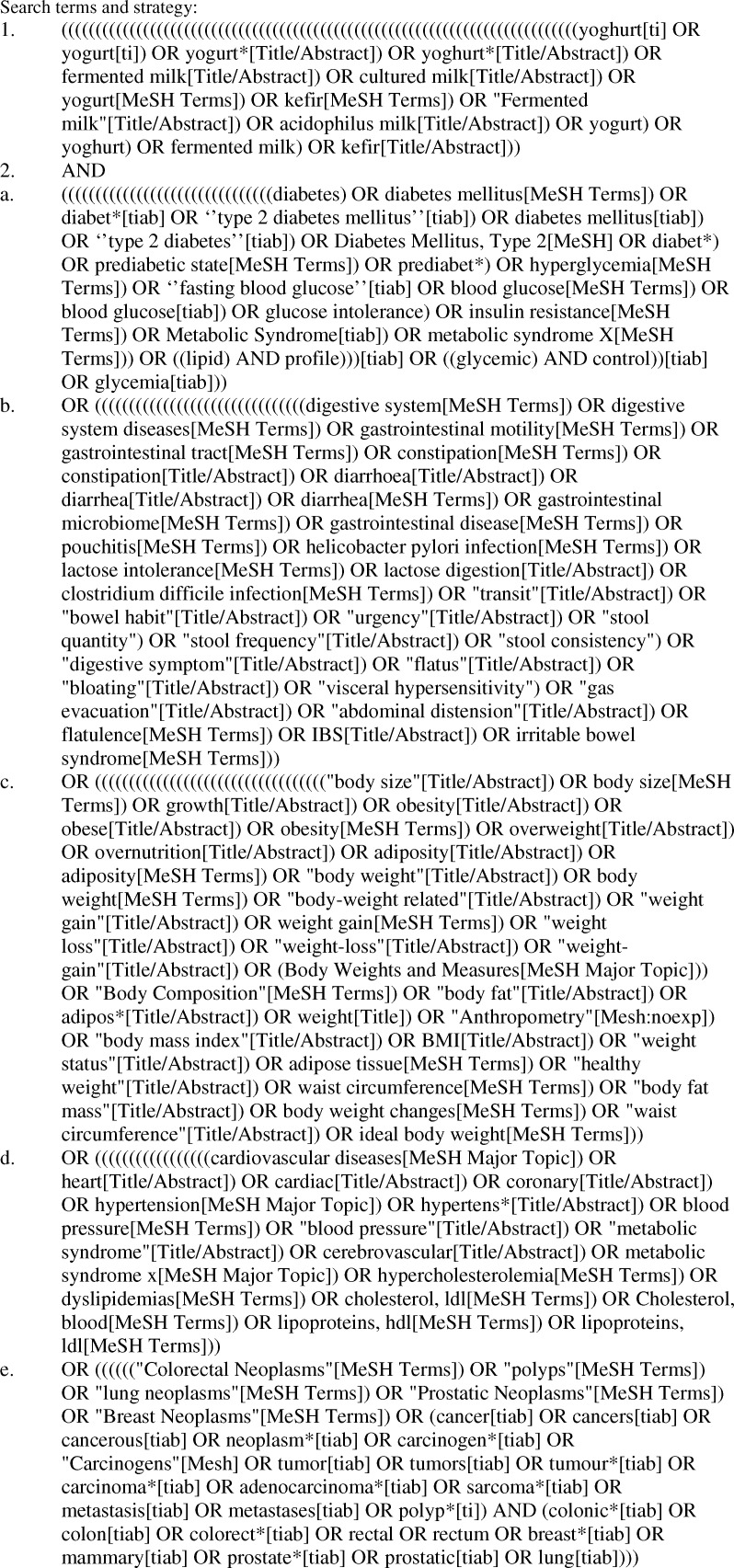
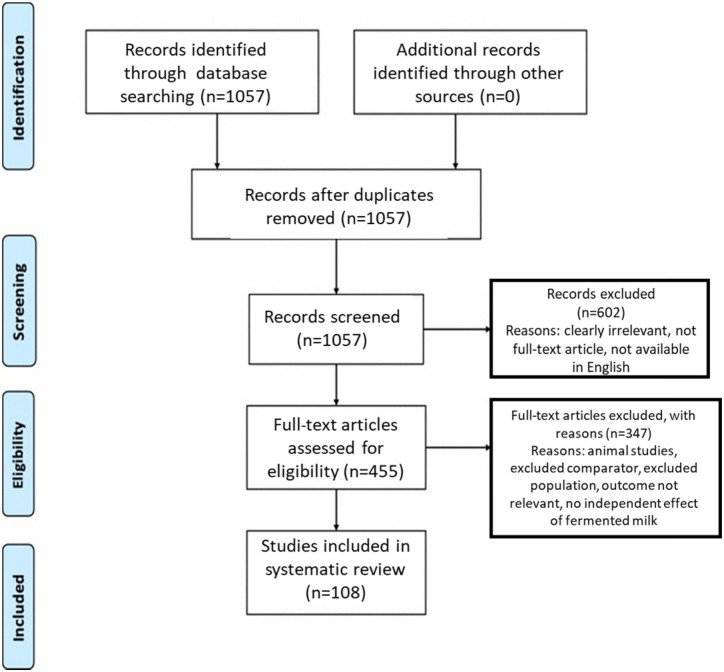
Consumption of yogurt and other fermented products is associated with improved health outcomes. Although dairy consumption is included in most dietary guidelines, there have been few specific recommendations for yogurt and cultured dairy products. A qualitative systematic review was conducted to determine the effect of consumption of fermented milk products on gastrointestinal and cardiovascular health, cancer risk, weight management, diabetes and metabolic health, and bone density using PRISMA guidelines. English language papers in PubMed were searched, with no date restrictions. In total, 1057 abstracts were screened, of which 602 were excluded owing to lack of appropriate controls, potential biases, and experimental design issues. The remaining 455 papers were independently reviewed by both authors and 108 studies were included in the final review. The authors met regularly to concur, through consensus, on relevance, methods, findings, quality, and conclusions. The included studies were published between 1979 and 2017. From the 108 included studies, 76 reported a favorable outcome of fermented milks on health and 67 of these were considered to be positive or neutral quality according to the Academy of Nutrition and Dietetics' Quality Criteria Checklist. Of the 32 remaining studies, the study outcomes were either not significant (28) or unfavorable (4), and most studies (18) were of neutral quality. A causal relationship exists between lactose digestion and tolerance and yogurt consumption, and consistent associations exist between fermented milk consumption and reduced risk of breast and colorectal cancer and type 2 diabetes, improved weight maintenance, and improved cardiovascular, bone, and gastrointestinal health. Further, an association exists between prostate cancer occurrence and dairy product consumption in general, with no difference between fermented and unfermented products. This article argues that yogurt and other fermented milk products provide favorable health outcomes beyond the milk from which these products are made and that consumption of these products should be encouraged as part of national dietary guidelines. Systematic review registration: PROSPERO registration no. CRD42017068953.
食用酸奶和其他发酵产品与改善健康结果有关。虽然乳制品的摄入量包含在大多数饮食指南中,但对于酸奶和培养乳制品的摄入量几乎没有具体的建议。本研究采用 PRISMA 指南,进行了一项定性系统综述,以确定食用发酵乳产品对胃肠道和心血管健康、癌症风险、体重管理、糖尿病和代谢健康以及骨密度的影响。在 PubMed 中搜索英文文献,无日期限制。共筛选出 1057 篇摘要,其中 602 篇因缺乏适当对照、潜在偏倚和实验设计问题而被排除。其余 455 篇论文由两位作者独立进行了审查,最终有 108 项研究被纳入最终审查。作者定期开会,通过协商一致,对相关性、方法、结果、质量和结论达成共识。纳入的研究发表于 1979 年至 2017 年。在纳入的 108 项研究中,有 76 项报告称发酵乳对健康有有利影响,其中 67 项根据营养与饮食学会的质量标准检查表被认为是阳性或中性质量。在其余 32 项研究中,研究结果要么没有意义(28 项),要么不利(4 项),而且大多数研究(18 项)的质量为中性。乳糖消化和耐受性与酸奶消费之间存在因果关系,经常食用发酵乳与降低乳腺癌和结直肠癌以及 2 型糖尿病的风险、保持体重、改善心血管、骨骼和胃肠道健康有关。此外,前列腺癌的发生与乳制品的摄入一般存在相关性,发酵和未发酵产品之间没有差异。本文认为,酸奶和其他发酵乳产品除了提供乳制品本身的健康益处外,还能提供有利的健康结果,应该鼓励消费这些产品,作为国家饮食指南的一部分。系统评价注册:PROSPERO 注册号 CRD42017068953。