Ruan Xuelei, Zheng Jian, Liu Xiaobai, Liu Yunhui, Liu Libo, Ma Jun, He Qianru, Yang Chunqing, Wang Di, Cai Heng, Li Zhen, Liu Jing, Xue Yixue
Department of Neurobiology, School of Life Sciences, China Medical University, Shenyang 110122, China; Key Laboratory of Cell Biology, Ministry of Public Health of China, China Medical University, Shenyang 110122, China; Key Laboratory of Medical Cell Biology, Ministry of Education of China, China Medical University, Shenyang 110122, China.
Department of Neurosurgery, Shengjing Hospital of China Medical University, Shenyang 110004, China; Liaoning Clinical Medical Research Center in Nervous System Disease, Shenyang 110004, China; Key Laboratory of Neuro-oncology in Liaoning Province, Shenyang 110004, China.
Mol Ther Nucleic Acids. 2020 Jun 5;20:823-840. doi: 10.1016/j.omtn.2020.05.003. Epub 2020 May 8.
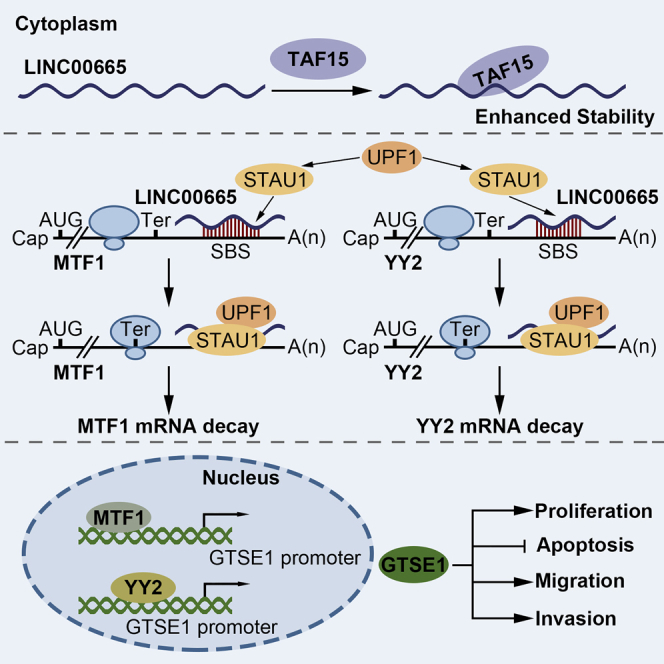
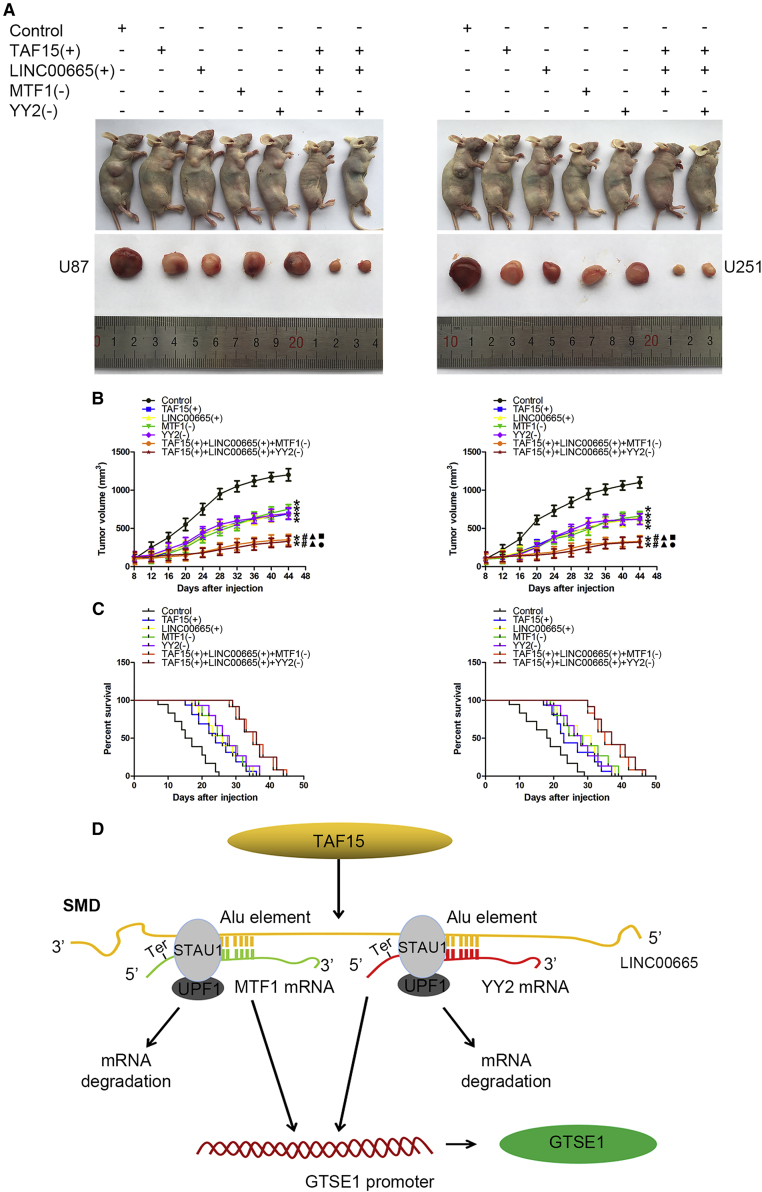
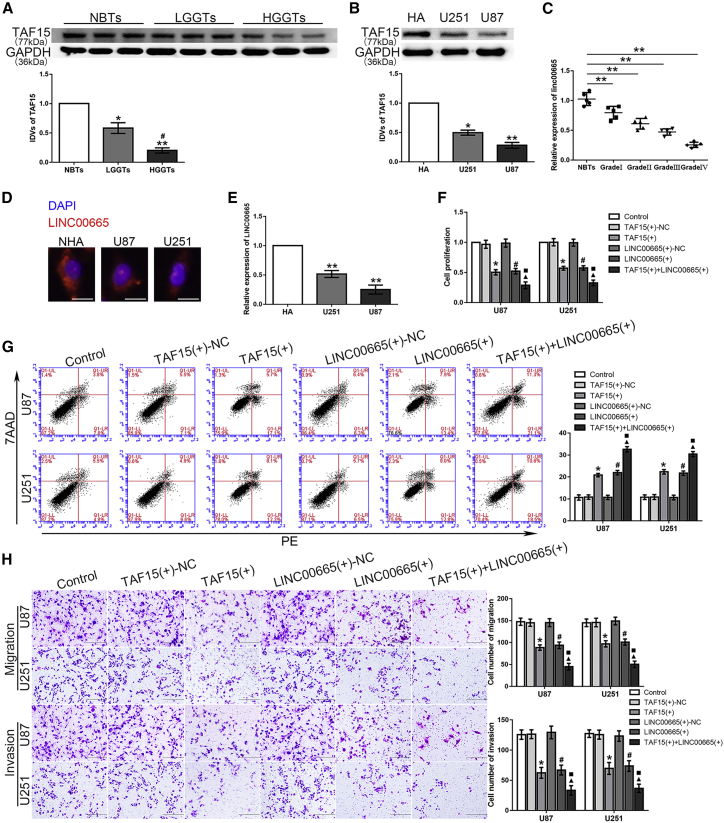
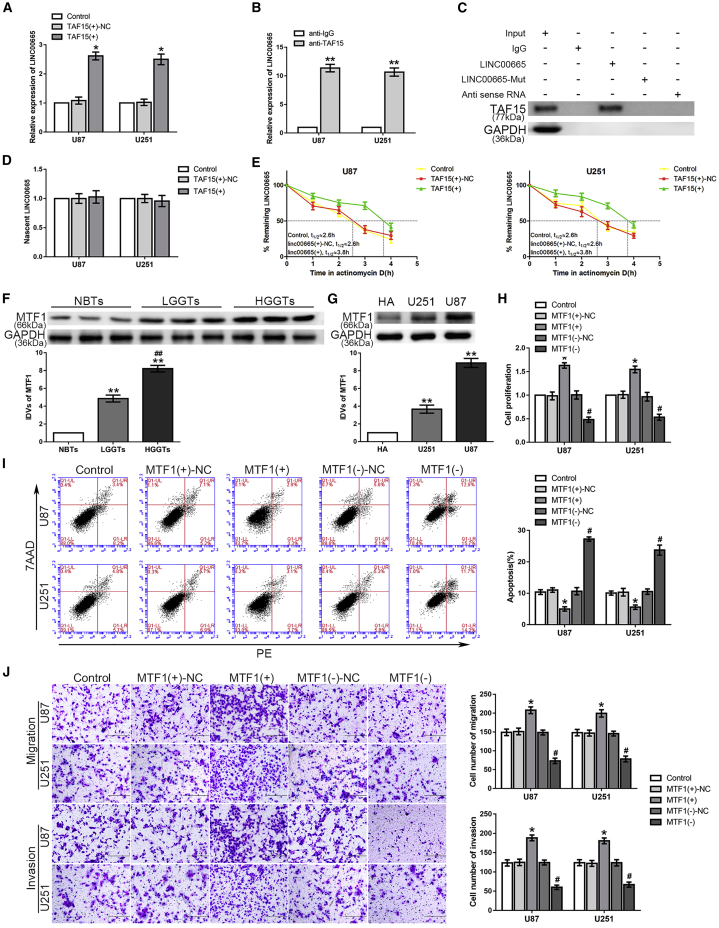
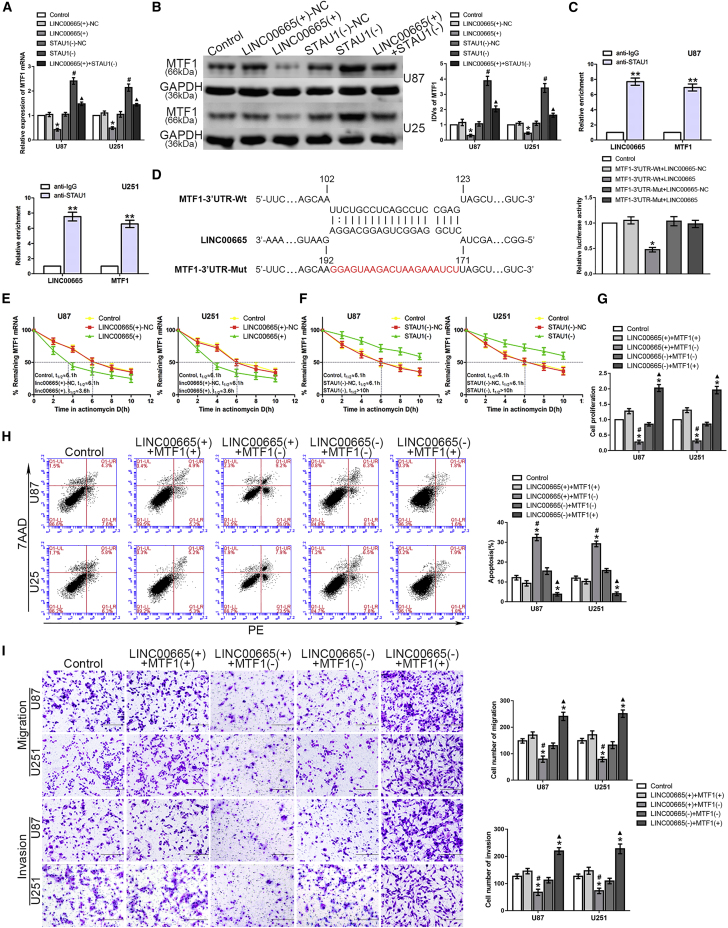
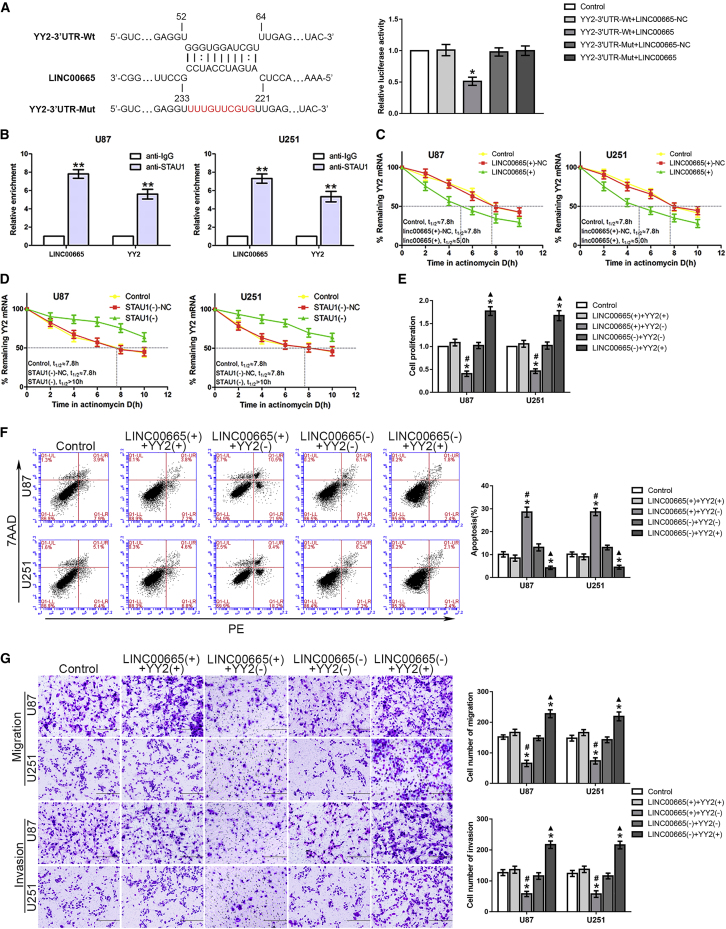
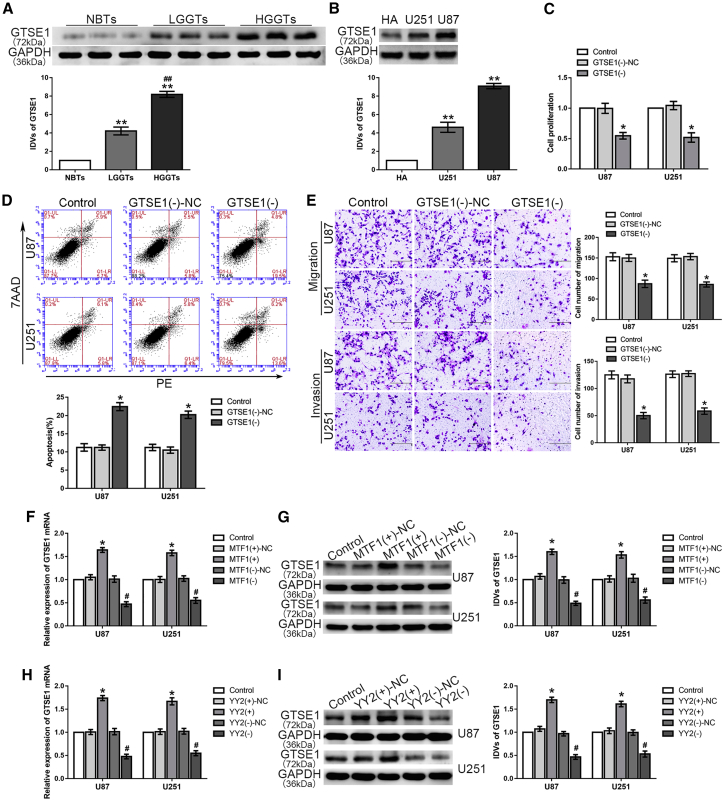
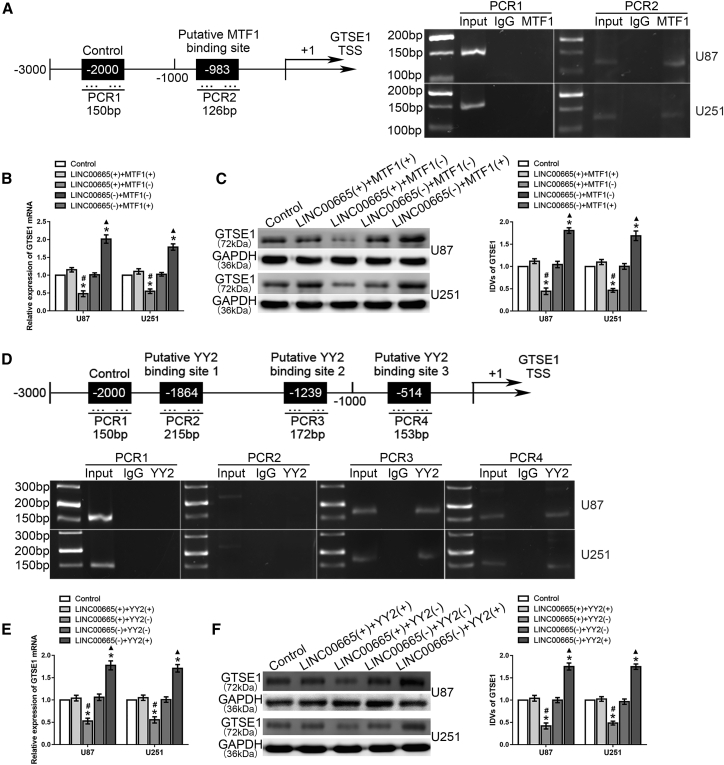
Glioma is a brain cancer characterized by strong invasiveness with limited treatment options and poor prognosis. Recently, dysregulation of long non-coding RNAs (lncRNAs) has emerged as an important component in cellular processes and tumorigenesis. In this study, we demonstrated that TATA-box binding protein associated factor 15 (TAF15) and long intergenic non-protein coding RNA 665 (LINC00665) were both downregulated in glioma tissues and cells. TAF15 overexpression enhanced the stability of LINC00665, inhibiting malignant biological behaviors of glioma cells. Both metal regulatory transcription factor 1 (MTF1) and YY2 transcription factor (YY2) showed high expression levels in glioma tissues and cells, and their knockdown inhibited malignant progression. Mechanistically, overexpression of LINC00665 was confirmed to destabilize MTF1 and YY2 mRNA by interacting with STAU1, and knockdown of STAU1 could rescue the MTF1 and YY2 mRNA degradation caused by LINC00665 overexpression. G and S-phase expressed 1 (GTSE1) was identified as an oncogene in glioma, and knockdown of MTF1 or YY2 decreased the mRNA and protein expression levels of GTSE1 through direct binding to the GTSE1 promoter region. Our study highlights a key role of the TAF15/LINC00665/MTF1(YY2)/GTSE1 axis in modulating the malignant biological behaviors of glioma cells, suggesting novel mechanisms by which lncRNAs affect STAU1-mediated mRNA stability, which can inform new molecular therapies for glioma.
胶质瘤是一种脑癌,其特征是具有很强的侵袭性,治疗选择有限且预后较差。最近,长链非编码RNA(lncRNA)的失调已成为细胞过程和肿瘤发生的重要组成部分。在本研究中,我们证明了TATA盒结合蛋白相关因子15(TAF15)和长链基因间非编码RNA 665(LINC00665)在胶质瘤组织和细胞中均下调。TAF15的过表达增强了LINC00665的稳定性,抑制了胶质瘤细胞的恶性生物学行为。金属调节转录因子1(MTF1)和YY2转录因子(YY2)在胶质瘤组织和细胞中均表现出高表达水平,它们的敲低抑制了恶性进展。机制上,通过与STAU1相互作用,证实LINC00665的过表达会使MTF1和YY2 mRNA不稳定,敲低STAU1可挽救由LINC00665过表达引起的MTF1和YY2 mRNA降解。G和S期表达1(GTSE1)被鉴定为胶质瘤中的一种癌基因,敲低MTF1或YY2通过直接结合GTSE1启动子区域降低了GTSE1的mRNA和蛋白表达水平。我们的研究突出了TAF15/LINC00665/MTF1(YY2)/GTSE1轴在调节胶质瘤细胞恶性生物学行为中的关键作用,提示了lncRNAs影响STAU1介导的mRNA稳定性的新机制,可为胶质瘤的新分子治疗提供依据。