Department of Clinical Physiology, Medical University of Lodz, 92-215 Lodz, Poland.
Department of Neurology and Stroke, Medical University of Lodz, 90-549 Lodz, Poland.
Nutrients. 2020 May 25;12(5):1531. doi: 10.3390/nu12051531.
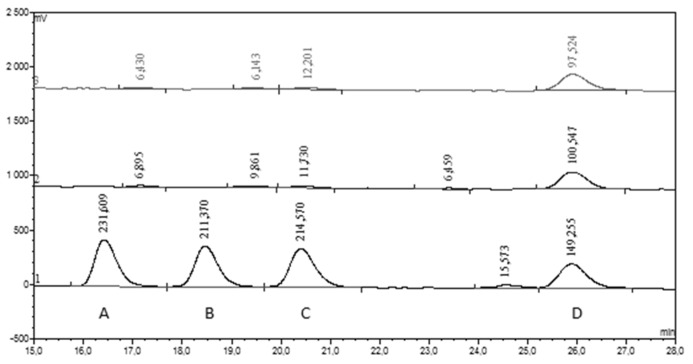
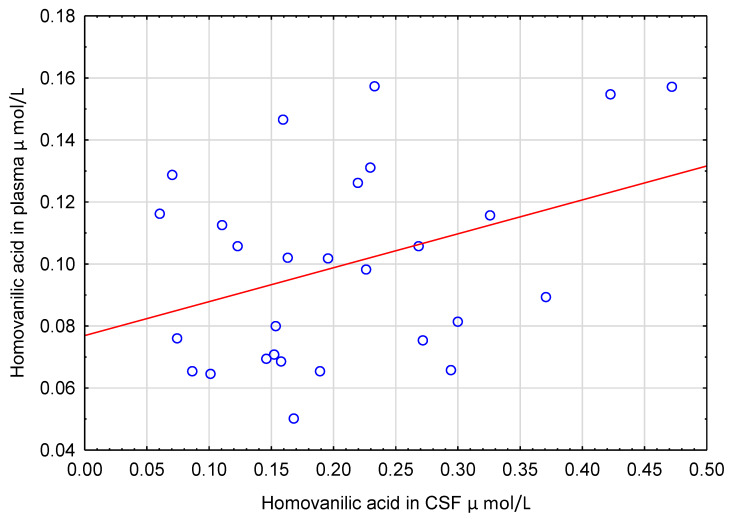
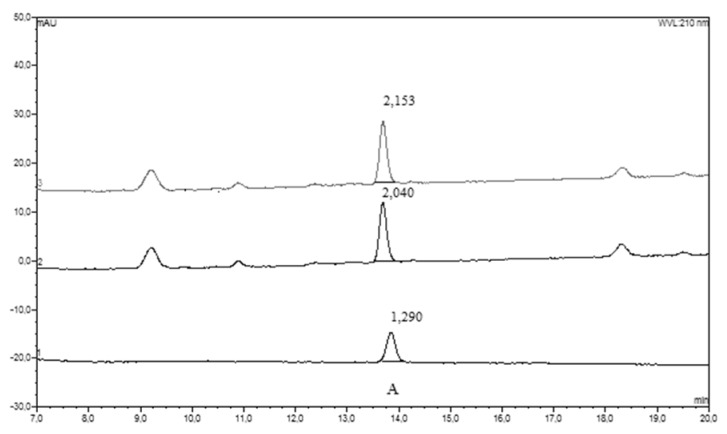
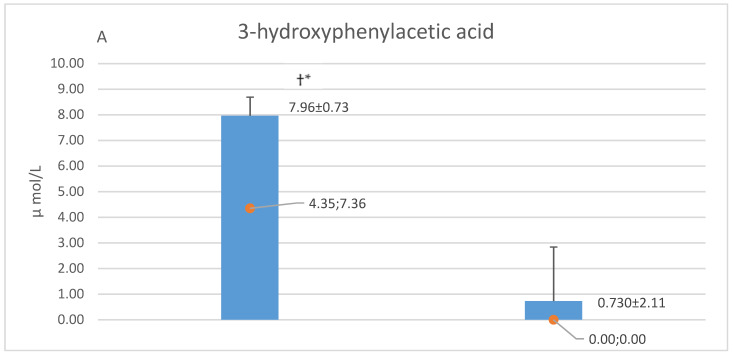
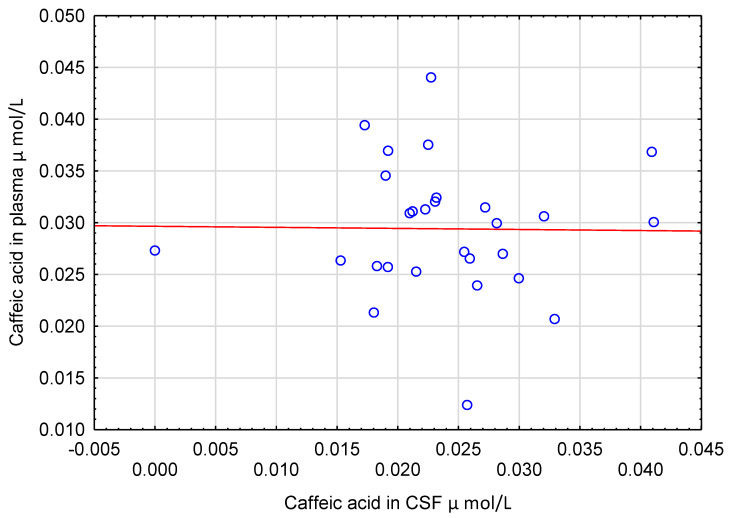
Epidemiological data indicate that a diet rich in plant polyphenols has a positive effect on brain functions, improving memory and cognition in humans. Direct activity of ingested phenolics on brain neurons may be one of plausible mechanisms explaining these data. This also suggests that some phenolics can cross the blood-brain barrier and be present in the brain or cerebrospinal fluid. We measured 12 phenolics (a combination of the solid-phase extraction technique with high-performance liquid chromatography) in cerebrospinal fluid and matched plasma samples from 28 patients undergoing diagnostic lumbar puncture due to neurological disorders. Homovanillic acid, 3-hydroxyphenyl acetic acid and caffeic acid were detectable in cerebrospinal fluid reaching concentrations (median; interquartile range) 0.18; 0.14 µmol/L, 4.35; 7.36 µmol/L and 0.02; 0.01 µmol/L, respectively. Plasma concentrations of caffeic acid (0.03; 0.01 µmol/L) did not correlate with those in cerebrospinal fluid (ρ = -0.109, = 0.58). Because food (fruits and vegetables) is the only source of caffeic acid in human body fluids, our results indicate that the same dietary phenolics can cross blood-brain barrier in humans, and that transportation of caffeic acid through this barrier is not the result of simple or facilitated diffusion.
流行病学数据表明,富含植物多酚的饮食对大脑功能有积极影响,可改善人类的记忆力和认知能力。摄入的酚类物质对大脑神经元的直接作用可能是解释这些数据的一种合理机制。这也表明,一些酚类物质可以穿过血脑屏障,存在于大脑或脑脊液中。我们测量了 28 例因神经疾病接受诊断性腰椎穿刺的患者脑脊液和匹配血浆样本中的 12 种酚类物质(固相萃取技术与高效液相色谱法的组合)。在脑脊液中可检测到高香草酸、3-羟基苯乙酸和咖啡酸,其浓度(中位数;四分位距)分别为 0.18;0.14 µmol/L、4.35;7.36 µmol/L 和 0.02;0.01 µmol/L。咖啡酸的血浆浓度(0.03;0.01 µmol/L)与脑脊液中的浓度无相关性(ρ=-0.109,=0.58)。由于食物(水果和蔬菜)是人体液中咖啡酸的唯一来源,我们的结果表明,相同的膳食多酚类物质可以穿过血脑屏障,而咖啡酸通过该屏障的转运不是简单或易化扩散的结果。