Laboratory of Muscle Pathology, Fragility and Aging, Department of Biological Sciences, Faculty of Life Sciences, Universidad Andres Bello, Santiago 8370146, Chile.
Millennium Institute on Immunology and Immunotherapy, Santiago 8370146, Chile.
Int J Mol Sci. 2020 May 29;21(11):3891. doi: 10.3390/ijms21113891.
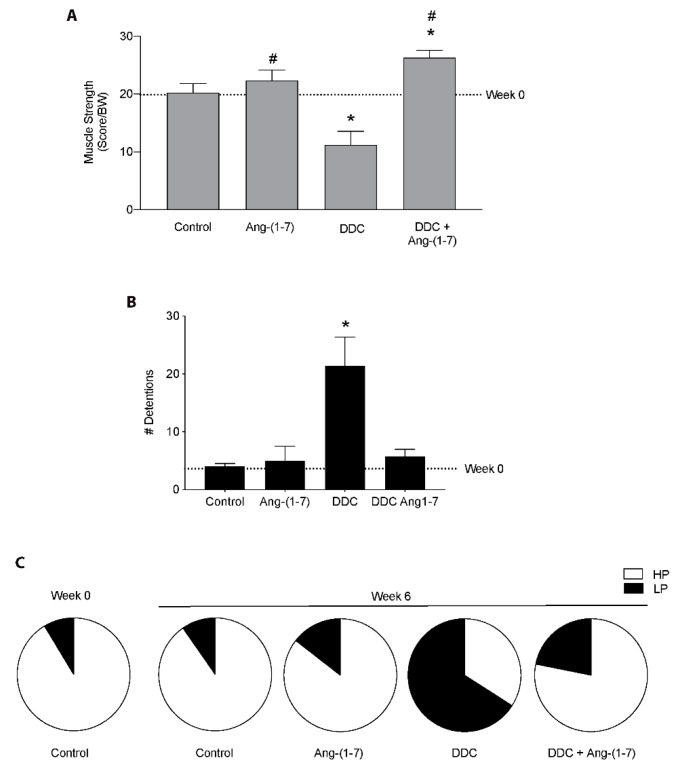
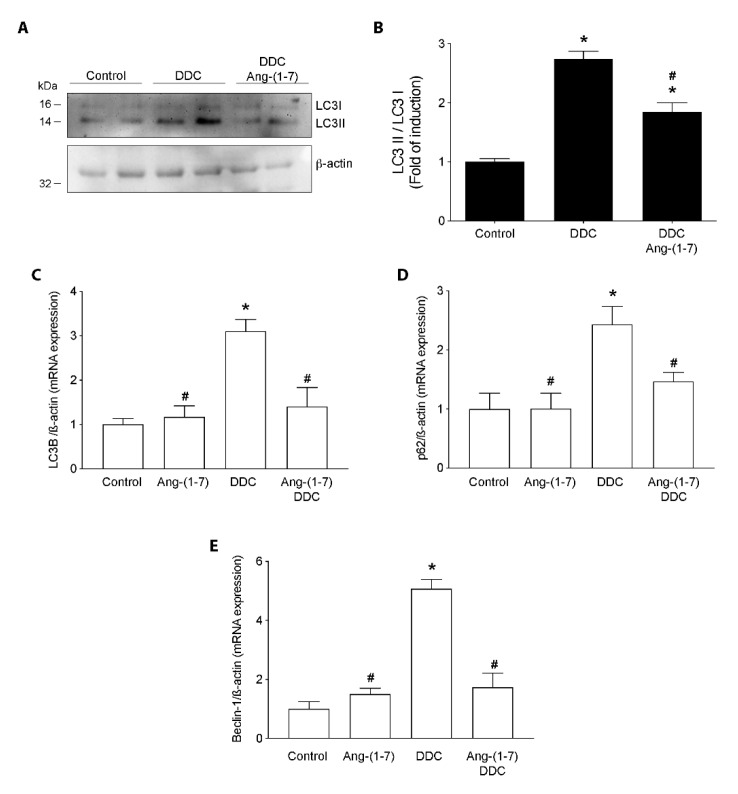
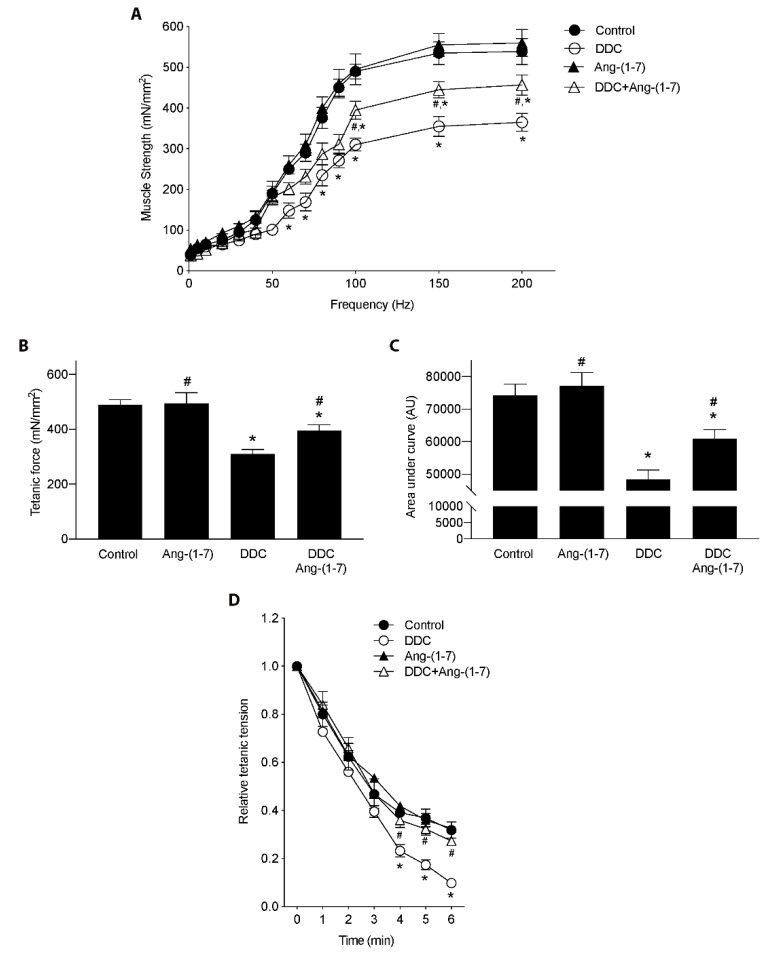
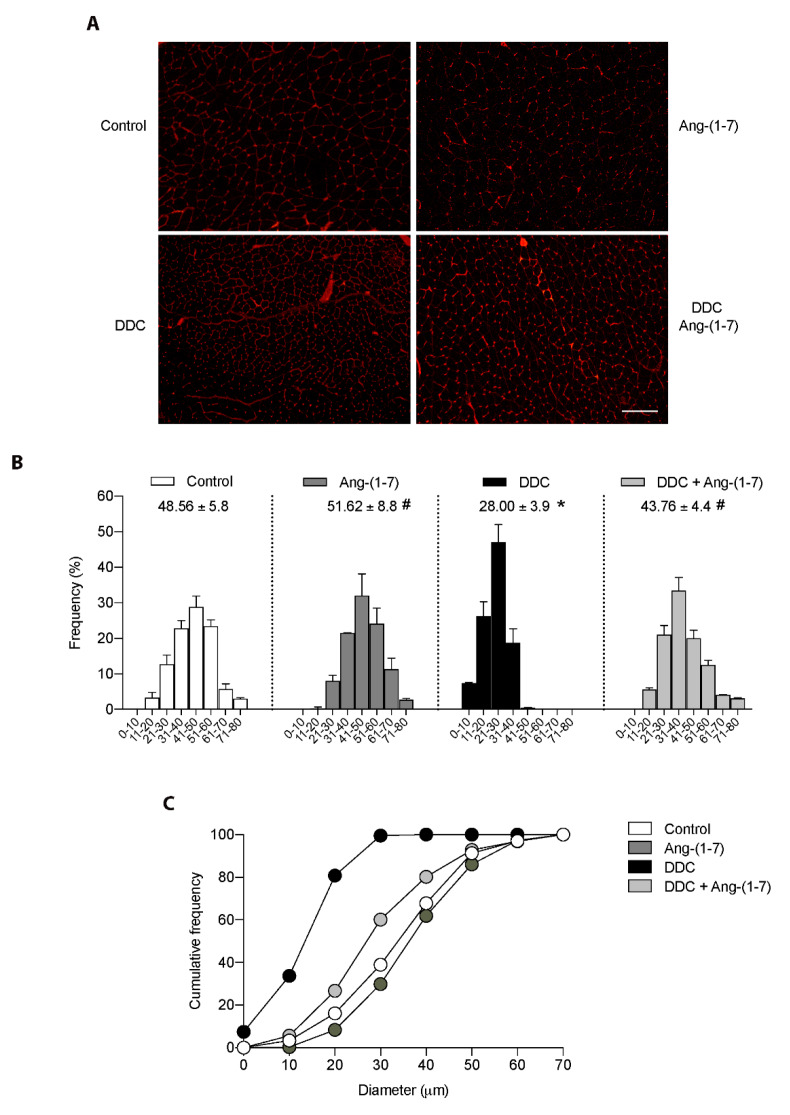
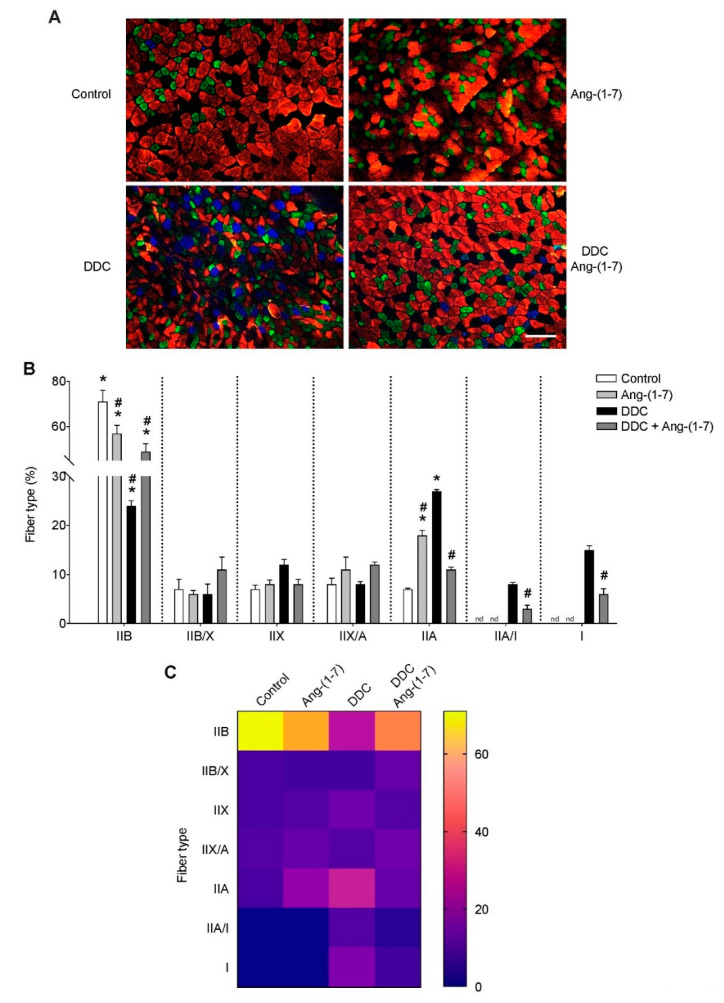
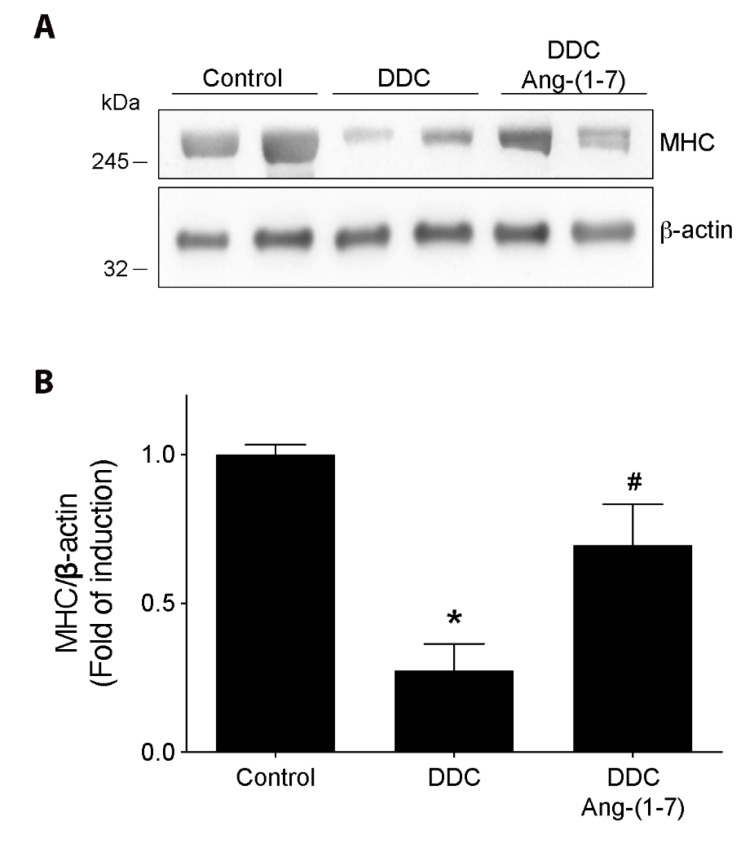
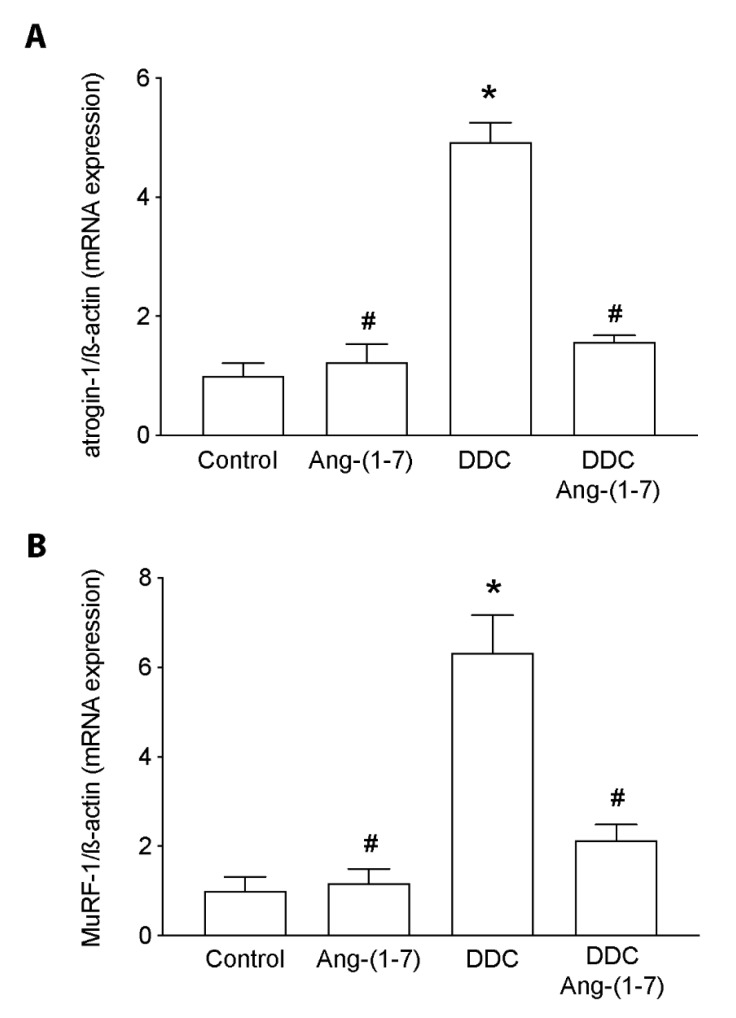
Sarcopenia associated with chronic liver disease (CLD) is one of the more common extrahepatic features in patients with these pathologies. Among the cellular alterations observed in the muscle tissue under CLD is the decline in the muscle strength and function, as well as the increased fatigue. Morphological changes, such as a decrease in the fiber diameter and transition in the fiber type, are also reported. At the molecular level, sarcopenia for CLD is characterized by: i) a decrease in the sarcomeric protein, such as myosin heavy chain (MHC); ii) an increase in the ubiquitin-proteasome system markers, such as atrogin-1/MAFbx1 and MuRF-1/TRIM63; iii) an increase in autophagy markers, such as LC3II/LC3I ratio. Among the regulators of muscle mass is the renin-angiotensin system (RAS). The non-classical axis of RAS includes the Angiotensin 1-7 [Ang-(1-7)] peptide and its receptor Mas, which in skeletal muscle has anti-atrophic effect in models of muscle wasting induced by immobilization, lipopolysaccharide, myostatin or angiotensin II. In this paper, we evaluated the effect of Ang-(1-7) on the sarcopenia by CLD in a murine model induced by the 5-diethoxycarbonyl-1,4-dihydrocollidine (DDC) hepatotoxin administered through diet. Our results show that Ang-(1-7) administration prevented the decline of the function and strength of muscle and increased the fatigue detected in the DDC-fed mice. Besides, we observed that the decreased fiber diameter and MHC levels, as well as the transition of fiber types, were all abolished by Ang-(1-7) in mice fed with DDC. Finally, Ang-(1-7) can decrease the atrogin-1 and MuRF-1 expression as well as the autophagy marker in mice treated with DDC. Together, our data support the protective role of Ang-(1-7) on the sarcopenia by CLD in mice.
与慢性肝病(CLD)相关的肌肉减少症是这些病理患者中较为常见的肝外特征之一。在 CLD 下的肌肉组织中观察到的细胞变化包括肌肉力量和功能下降以及疲劳增加。还报道了形态学变化,例如纤维直径减小和纤维类型转变。在分子水平上,CLD 的肌肉减少症的特征在于:i)肌球蛋白重链(MHC)等肌节蛋白减少;ii)泛素-蛋白酶体系统标志物增加,如atrogin-1/MAFbx1 和 MuRF-1/TRIM63;iii)自噬标志物增加,如 LC3II/LC3I 比值。肌肉质量的调节剂之一是肾素-血管紧张素系统(RAS)。RAS 的非经典轴包括血管紧张素 1-7 [Ang-(1-7)]肽及其受体 Mas,在骨骼肌中,其在由固定、脂多糖、肌肉生长抑制素或血管紧张素 II 诱导的肌肉减少症模型中具有抗萎缩作用。在本文中,我们通过饮食给予 5-二乙氧羰基-1,4-二氢-collidine(DDC)肝毒素诱导的小鼠模型评估了 Ang-(1-7)对 CLD 引起的肌肉减少症的影响。我们的结果表明,Ang-(1-7)的给予可防止 DDC 喂养小鼠的肌肉功能和力量下降以及疲劳感增加。此外,我们观察到,在 DDC 喂养的小鼠中,Ang-(1-7)可消除纤维直径和 MHC 水平的降低以及纤维类型的转变。最后,Ang-(1-7)可以降低 DDC 处理小鼠的 atrogin-1 和 MuRF-1 表达以及自噬标志物。总之,我们的数据支持 Ang-(1-7)在 CLD 诱导的小鼠肌肉减少症中的保护作用。