Kammona Olga, Kiparissides Costas
Chemical Process and Energy Resources Institute, Centre for Research and Technology Hellas, P.O. Box 60361, 57001 Thessaloniki, Greece.
Department of Chemical Engineering, Aristotle University of Thessaloniki, 54124 Thessaloniki, Greece.
Brain Sci. 2020 May 29;10(6):333. doi: 10.3390/brainsci10060333.
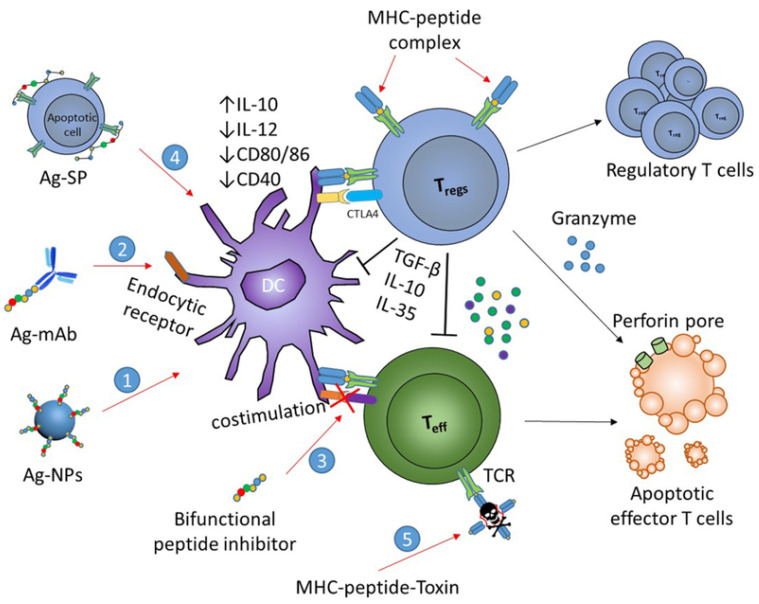
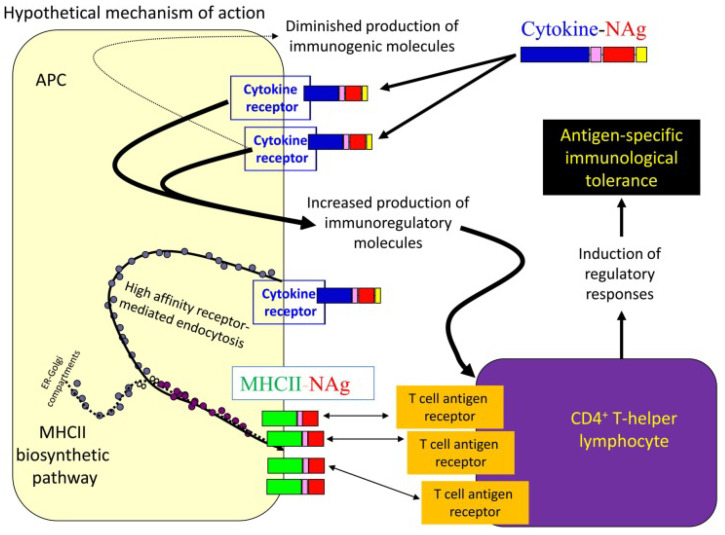
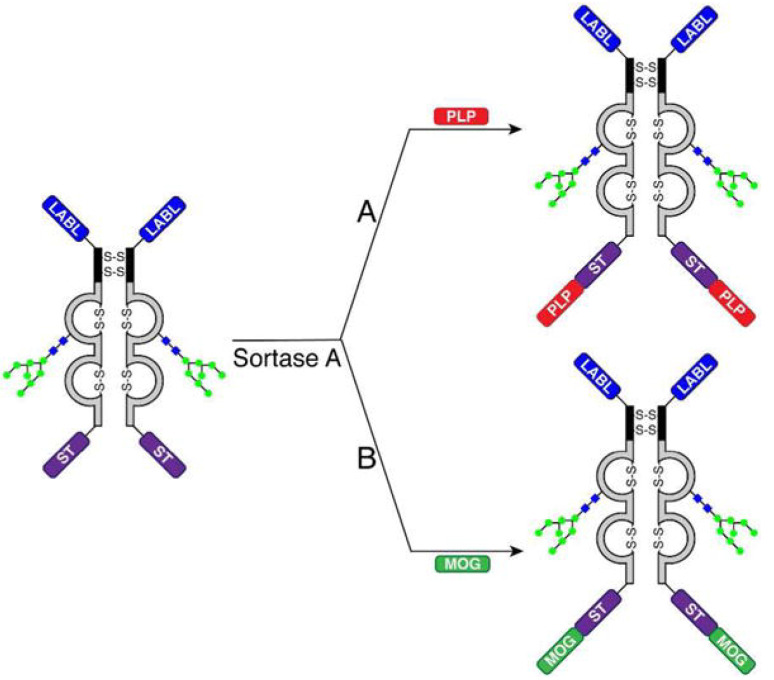
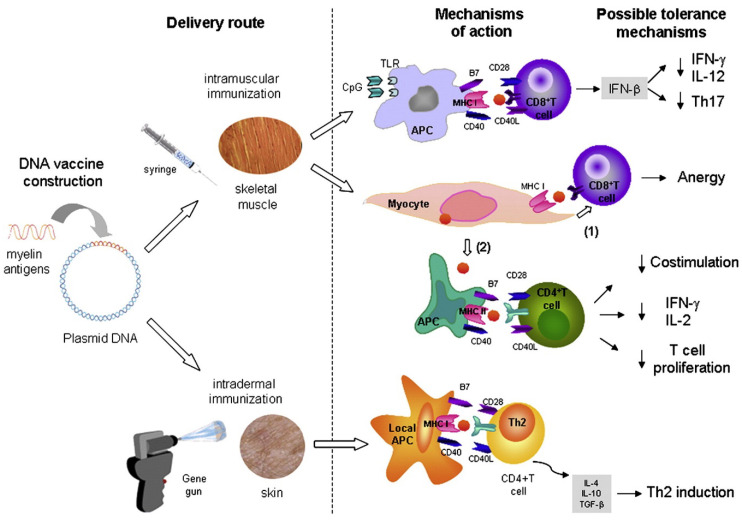
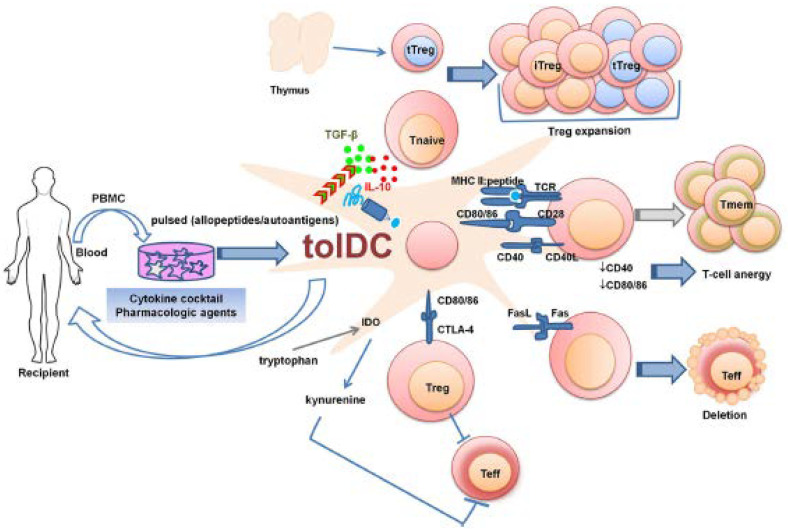
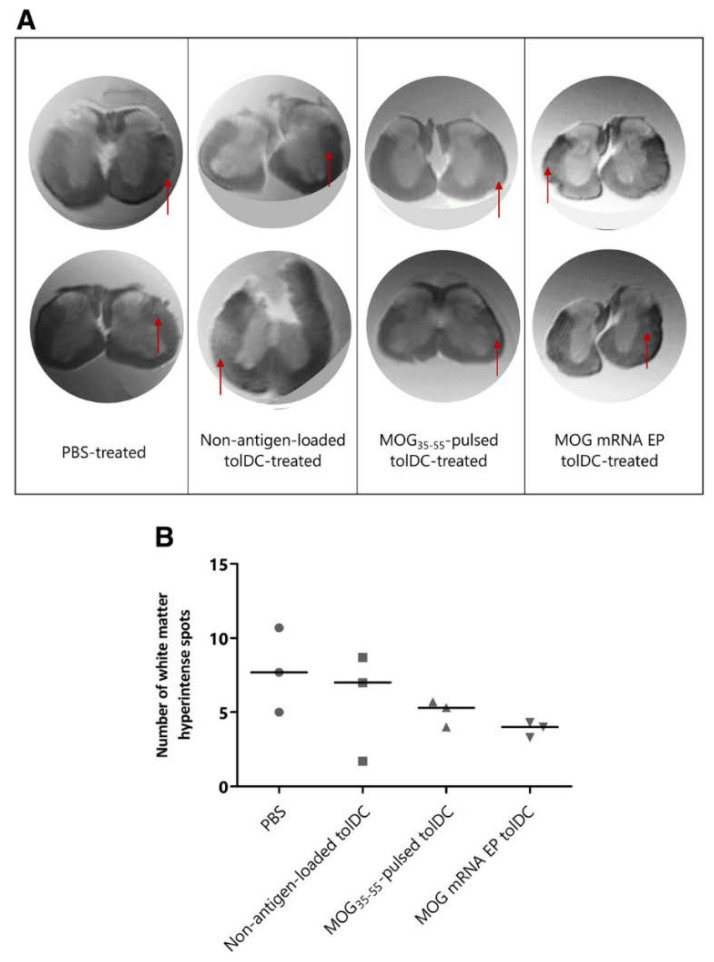
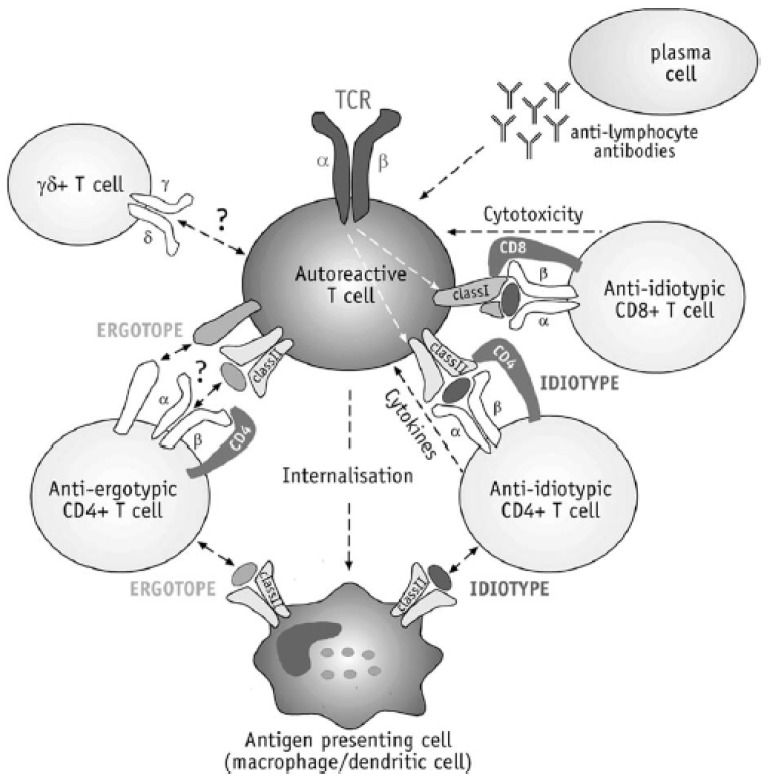
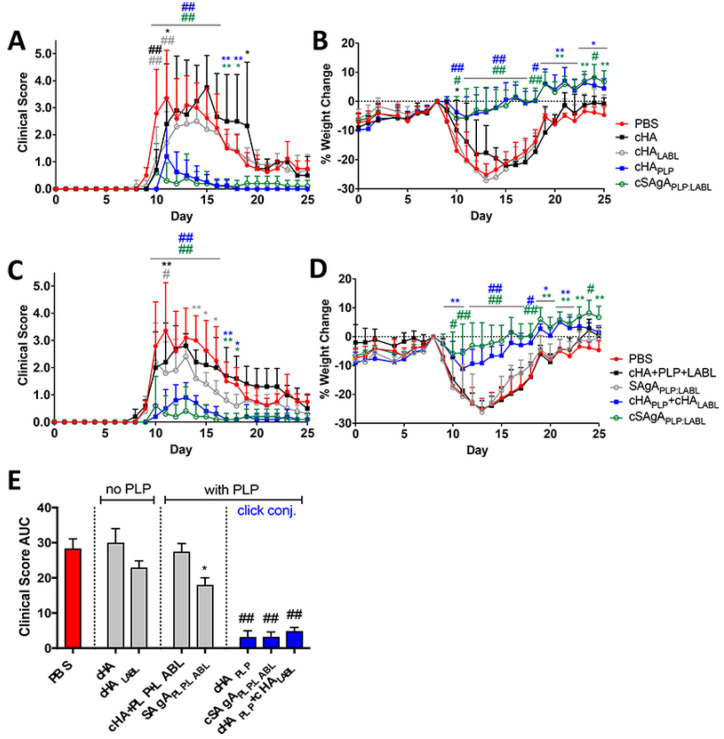
Multiple sclerosis (MS) is an autoimmune disease of the central nervous system and is considered to be the leading non-traumatic cause of neurological disability in young adults. Current treatments for MS comprise long-term immunosuppressant drugs and disease-modifying therapies (DMTs) designed to alter its progress with the enhanced risk of severe side effects. The Holy Grail for the treatment of MS is to specifically suppress the disease while at the same time allow the immune system to be functionally active against infectious diseases and malignancy. This could be achieved via the development of immunotherapies designed to specifically suppress immune responses to self-antigens (e.g., myelin antigens). The present study attempts to highlight the various antigen-specific immunotherapies developed so far for the treatment of multiple sclerosis (e.g., vaccination with myelin-derived peptides/proteins, plasmid DNA encoding myelin epitopes, tolerogenic dendritic cells pulsed with encephalitogenic epitopes of myelin proteins, attenuated autologous T cells specific for myelin antigens, T cell receptor peptides, carriers loaded/conjugated with myelin immunodominant peptides, etc), focusing on the outcome of their recent preclinical and clinical evaluation, and to shed light on the mechanisms involved in the immunopathogenesis and treatment of multiple sclerosis.
多发性硬化症(MS)是一种中枢神经系统的自身免疫性疾病,被认为是年轻成年人非创伤性神经残疾的主要原因。目前针对MS的治疗包括长期免疫抑制药物和旨在改变其病程但会增加严重副作用风险的疾病修正疗法(DMTs)。治疗MS的圣杯是在特异性抑制疾病的同时,使免疫系统在功能上对传染病和恶性肿瘤保持活跃。这可以通过开发旨在特异性抑制对自身抗原(如髓鞘抗原)的免疫反应的免疫疗法来实现。本研究试图突出迄今为止开发的用于治疗多发性硬化症的各种抗原特异性免疫疗法(例如,用髓鞘衍生肽/蛋白质进行疫苗接种、编码髓鞘表位的质粒DNA、用髓鞘蛋白的致脑炎表位脉冲处理的耐受性树突状细胞、针对髓鞘抗原的减毒自体T细胞、T细胞受体肽、负载/缀合有髓鞘免疫显性肽的载体等),重点关注其近期临床前和临床评估的结果,并阐明多发性硬化症免疫发病机制和治疗中涉及的机制。