Vieira Ana Luisa Silveira, Pazeli Júnior José Muniz, Bastos Marcus Gomes
Department of Nephrology, Santa Casa de Misericórdia de Barbacena and University of Medicine of Barbacena Department of Point of Care Ultrasound, Minas Gerais, Brazil.
Department of Nephrology and Intensive Care Medicine, Santa Casa de Misericórdia de Barbacena and University of Medicine of Barbacena Department of Point of Care Ultrasound, Minas Gerais, Brazil.
Ultrasound J. 2020 Jun 3;12(1):30. doi: 10.1186/s13089-020-00177-4.
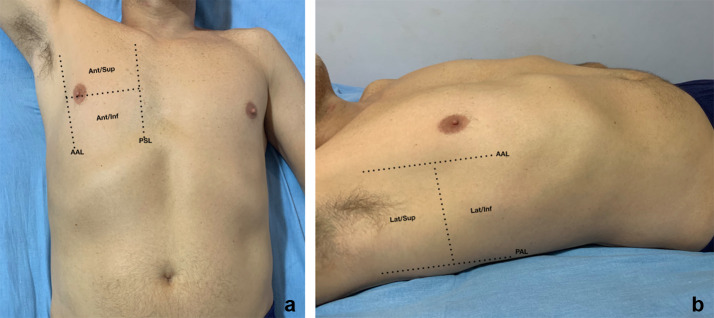
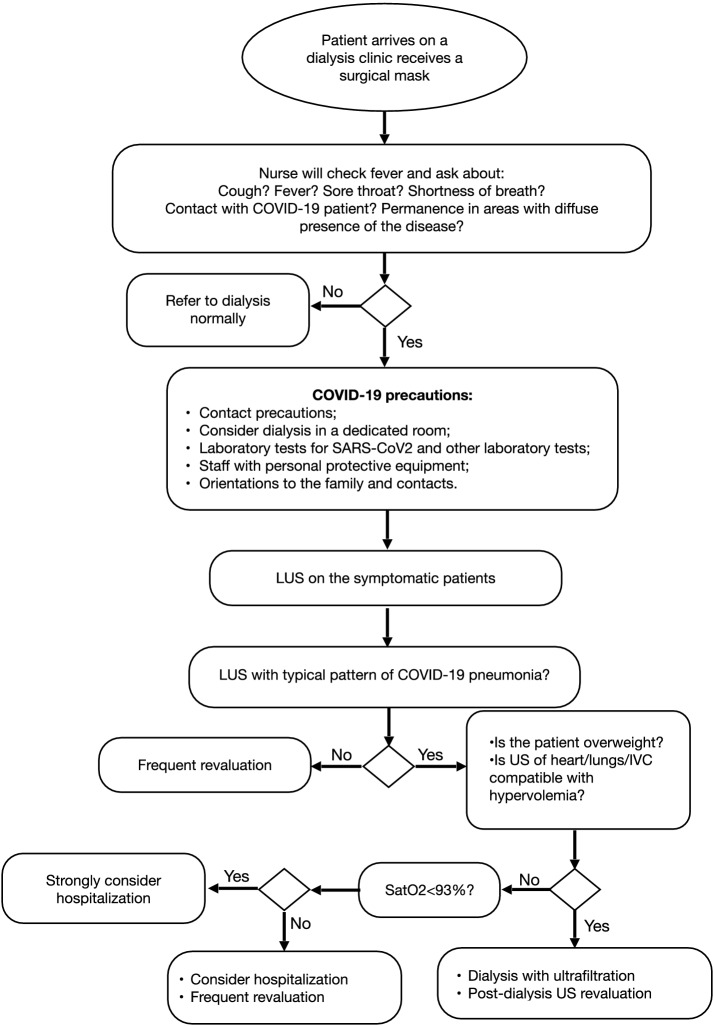
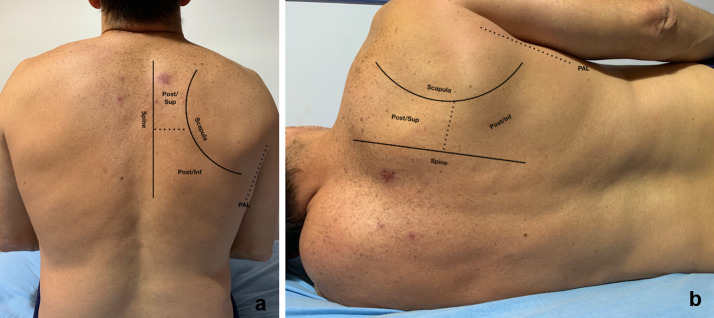
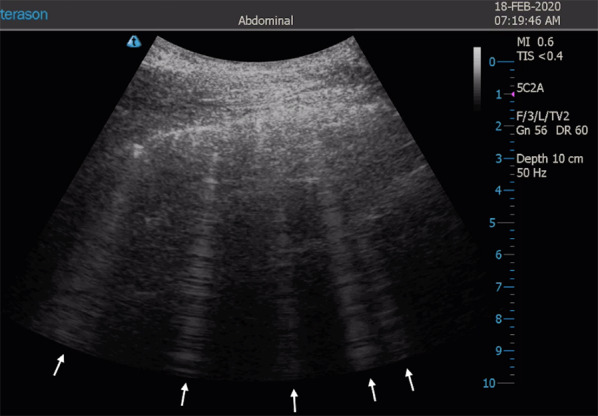
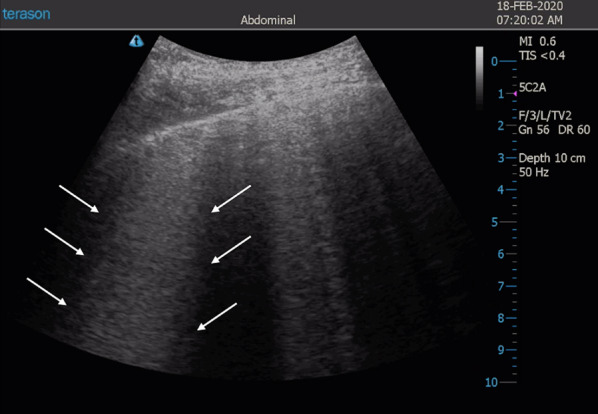
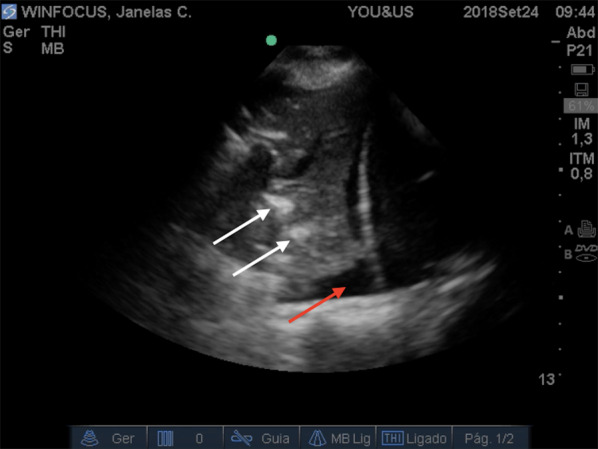
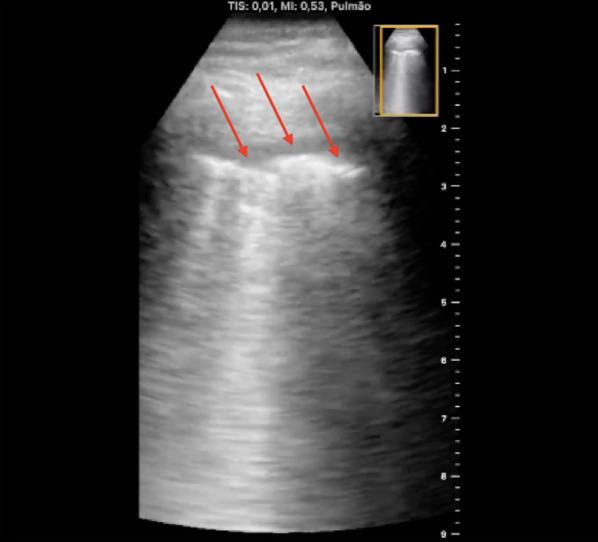
COVID-19 is a viral disease due to the infection of the novel Corona virus SARS-CoV-2, that has rapidly spread in many countries until the World Health Organization declared the pandemic from March 11, 2020. Elderly patients and those affected by hypertension, diabetes mellitus, and chronic pulmonary and cardiovascular conditions are more susceptible to present more severe forms of COVID-19. These conditions are often represented in dialytic renal end-stage patients. Moreover, dialysis patients are more vulnerable to infection due to suppression of the immune system. Growing evidences, although still supported by few publications, are showing the potential utility of ultrasound in patients with COVID-19. In this review, we share our experience in using point-of-care ultrasound, particularly lung ultrasound, to indicate the probability of COVID-19 in patients with end-stage renal disease treated by hemodialysis. We also propose recommendations for the application of lung ultrasound, focused echocardiography and inferior vena cava ultrasound in the management of patients in hemodialysis.
新型冠状病毒肺炎(COVID-19)是一种由新型冠状病毒SARS-CoV-2感染引起的病毒性疾病,在许多国家迅速传播,直至世界卫生组织于2020年3月11日宣布该疾病为大流行病。老年患者以及患有高血压、糖尿病、慢性肺部和心血管疾病的患者更容易出现更严重的新型冠状病毒肺炎形式。这些病症在终末期透析肾病患者中很常见。此外,透析患者由于免疫系统受到抑制,更容易受到感染。越来越多的证据表明(尽管目前相关出版物仍较少),超声检查在新型冠状病毒肺炎患者中具有潜在的应用价值。在本综述中,我们分享了使用床旁超声(尤其是肺部超声)来评估接受血液透析治疗的终末期肾病患者感染新型冠状病毒肺炎可能性的经验。我们还针对肺部超声、重点超声心动图和下腔静脉超声在血液透析患者管理中的应用提出了建议。