Broad Institute of MIT and Harvard, Cambridge, MA, USA.
Department of Medical Oncology, Dana-Farber Cancer Institute, Boston, MA, USA.
Nature. 2020 Sep;585(7824):293-297. doi: 10.1038/s41586-020-2374-x. Epub 2020 Jun 3.
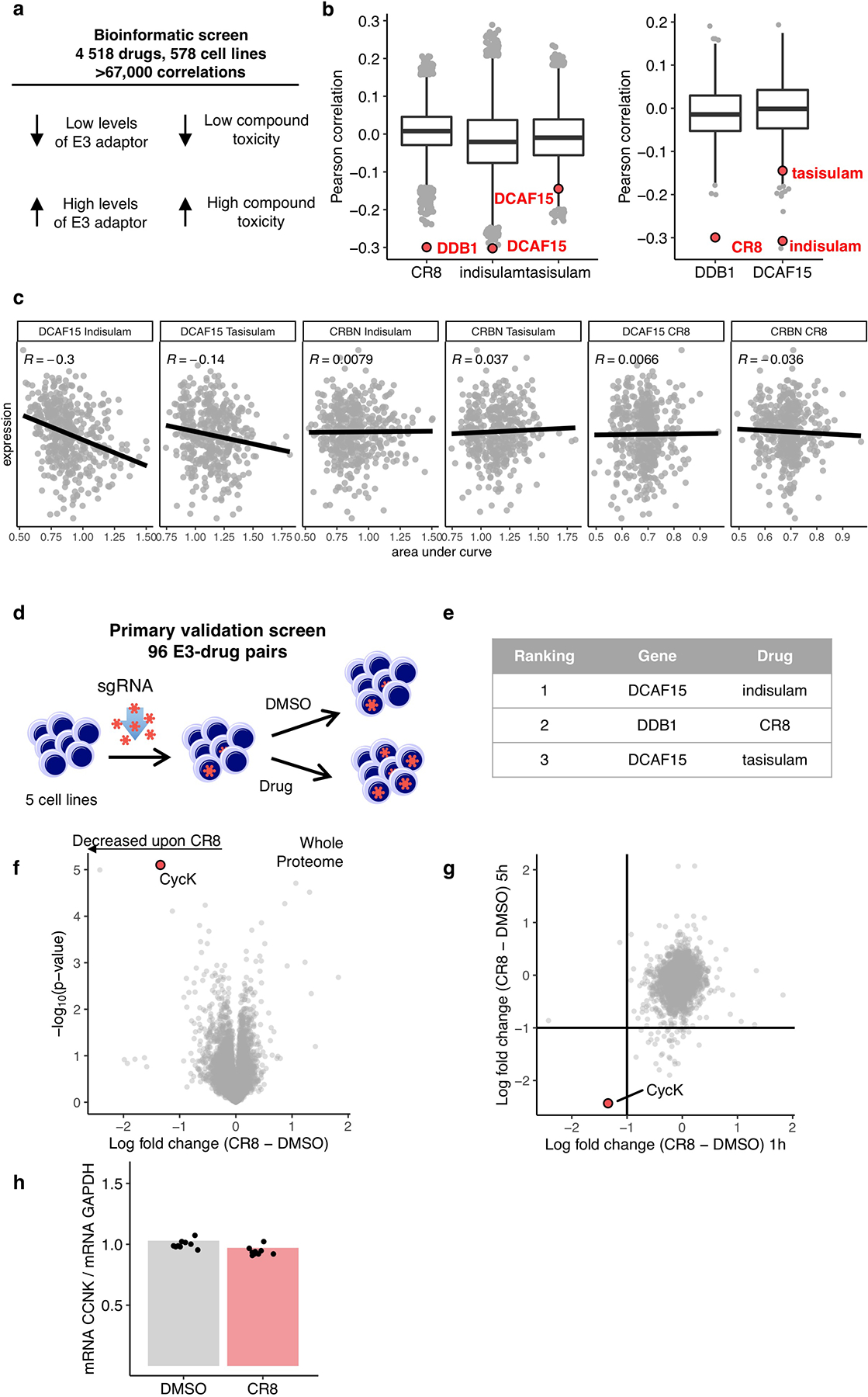
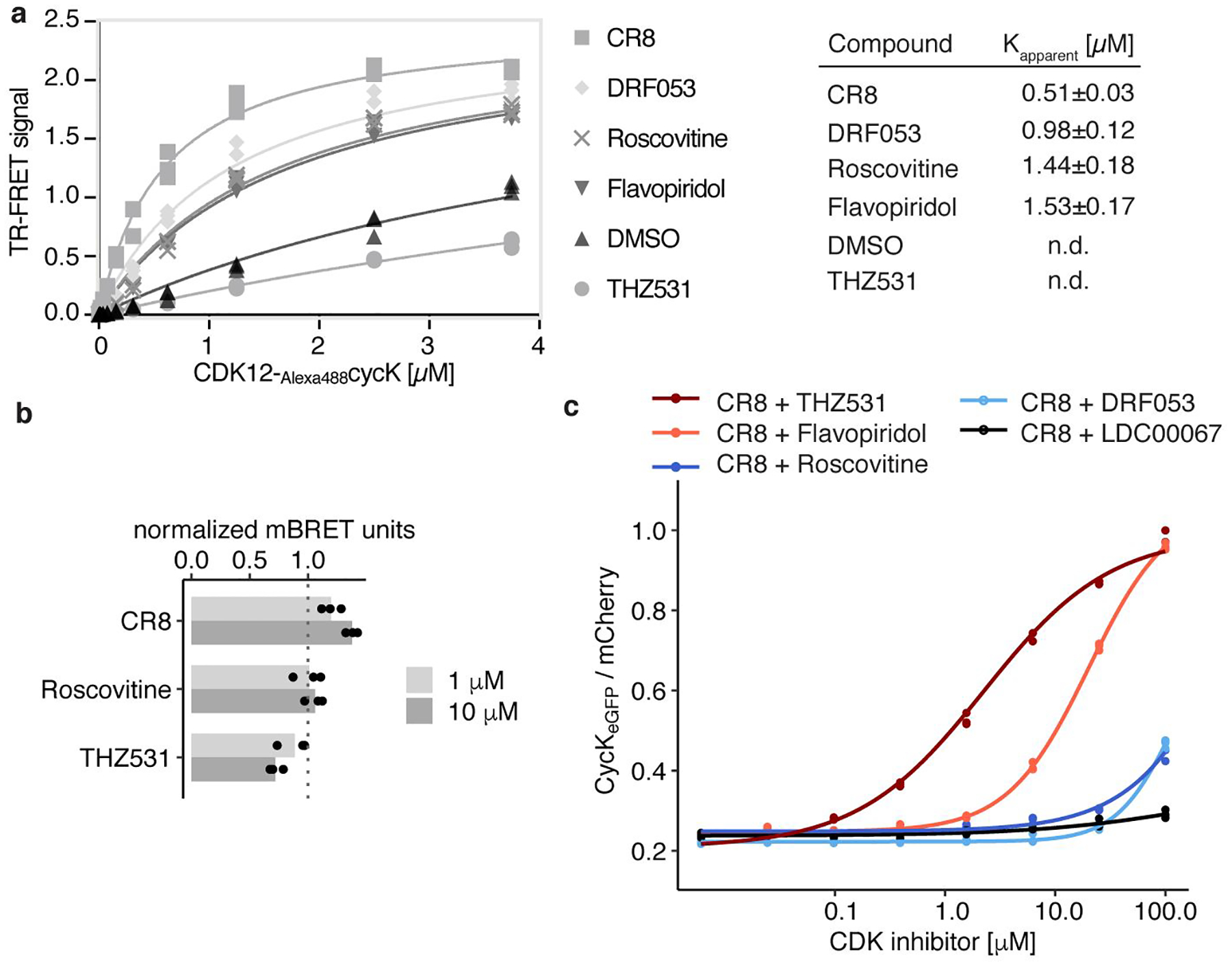
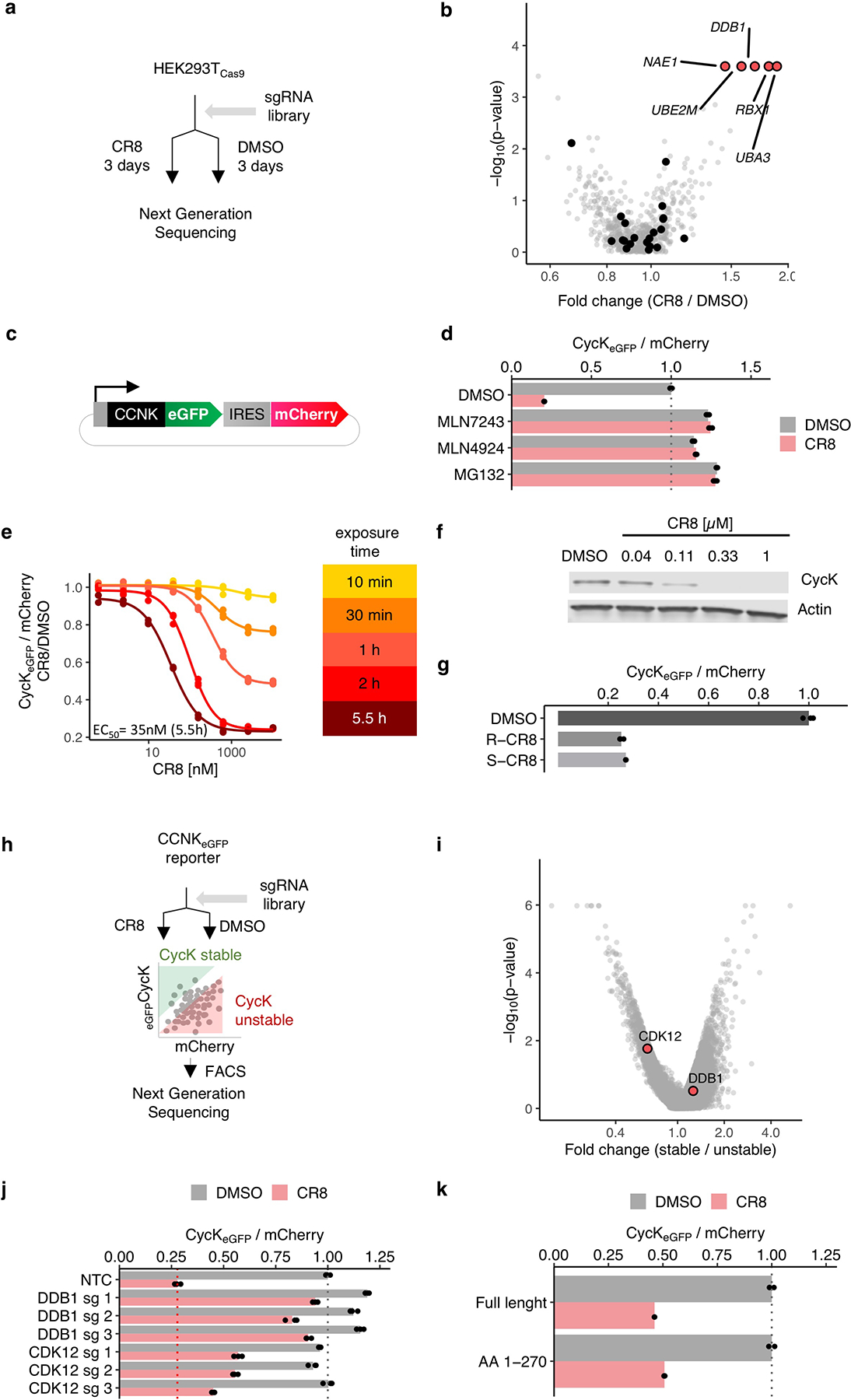
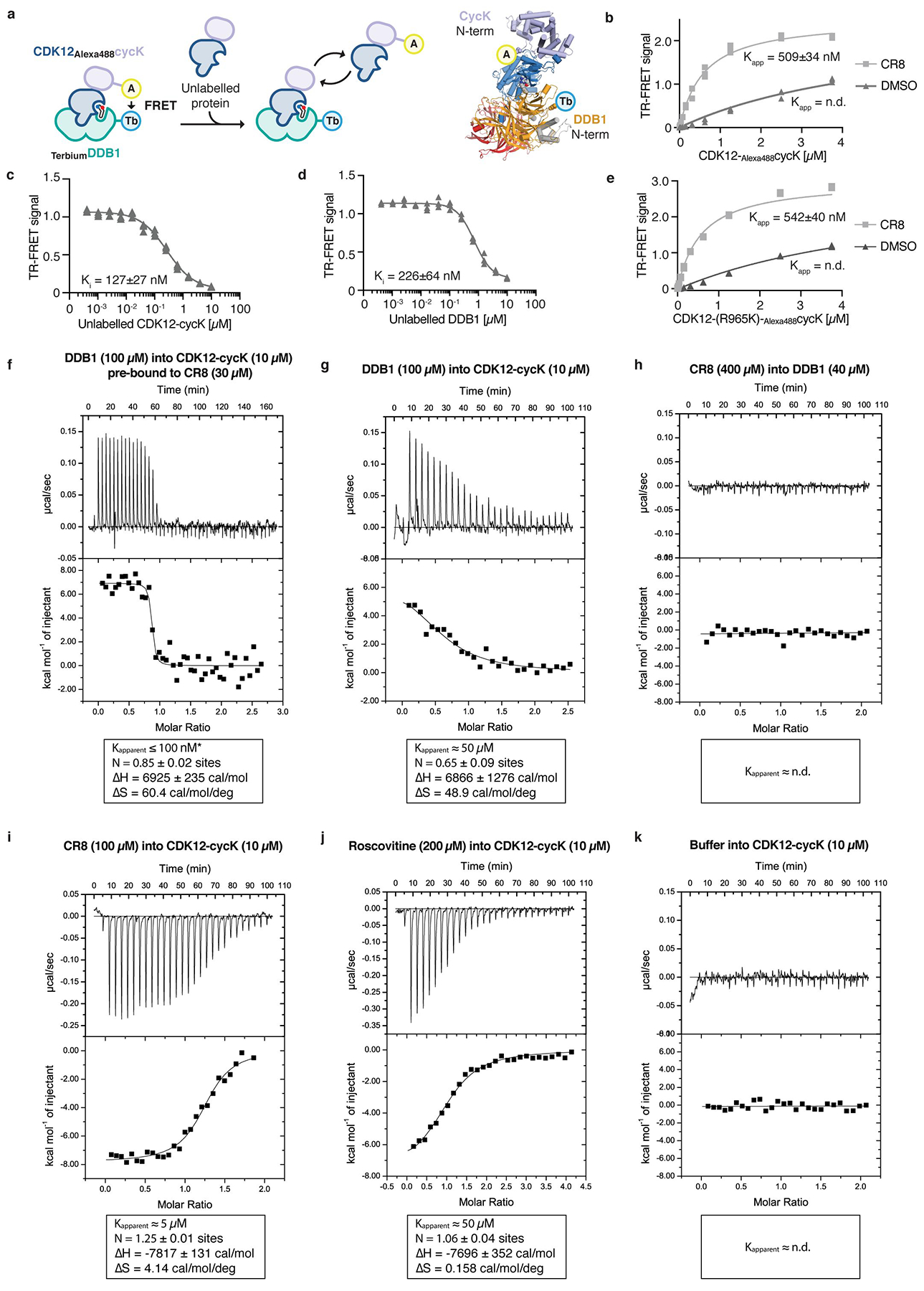
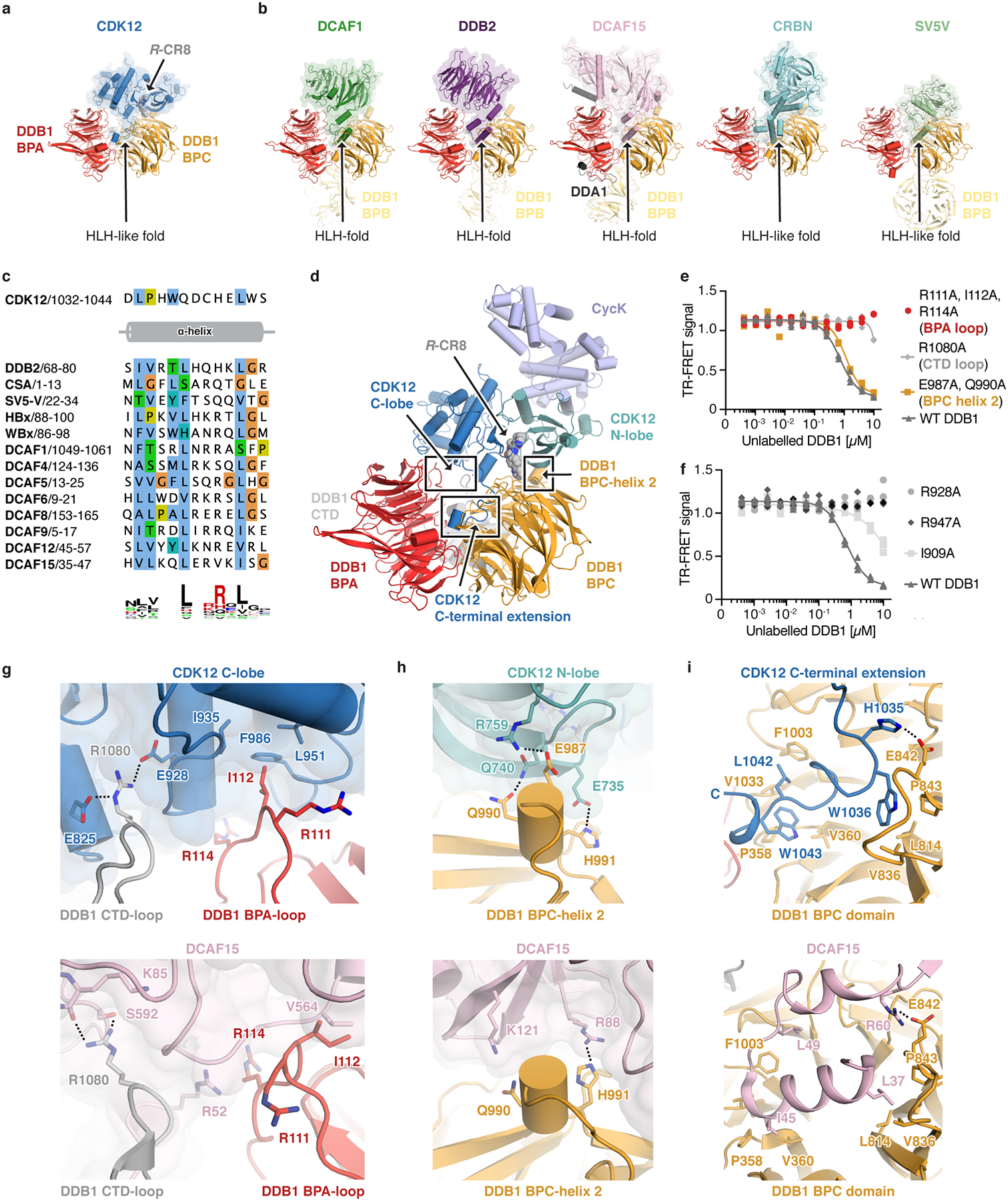
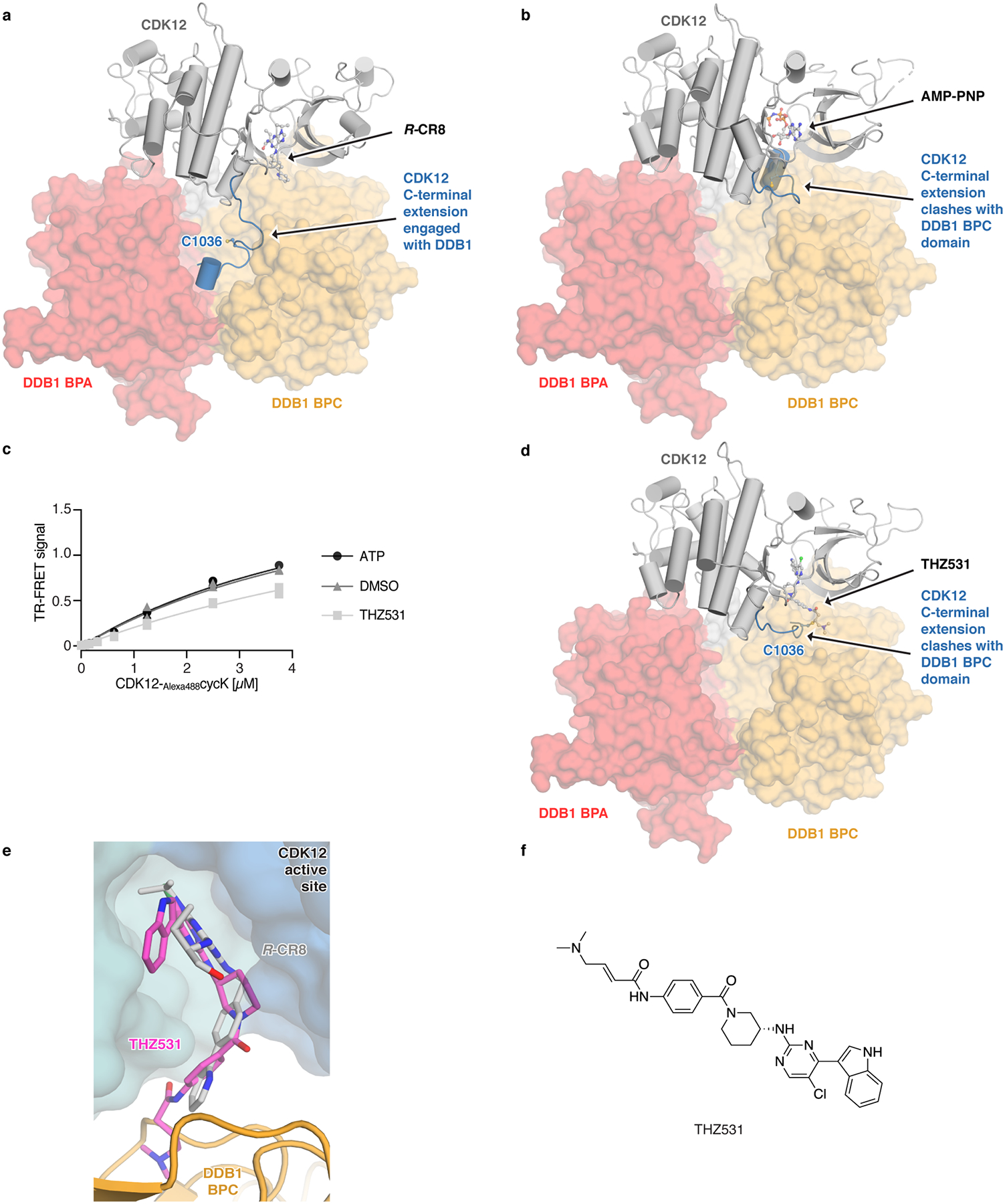
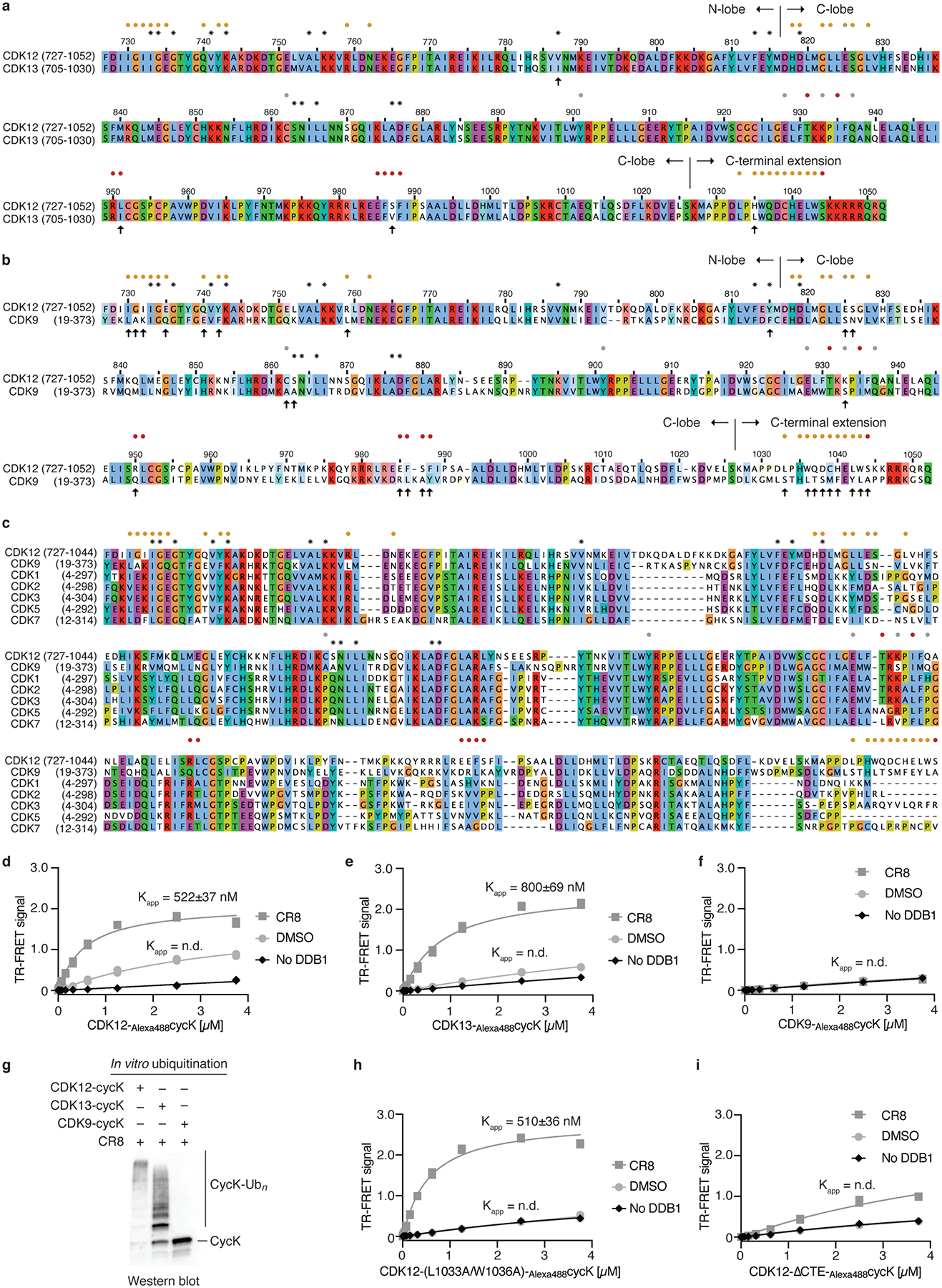
Molecular glue compounds induce protein-protein interactions that, in the context of a ubiquitin ligase, lead to protein degradation. Unlike traditional enzyme inhibitors, these molecular glue degraders act substoichiometrically to catalyse the rapid depletion of previously inaccessible targets. They are clinically effective and highly sought-after, but have thus far only been discovered serendipitously. Here, through systematically mining databases for correlations between the cytotoxicity of 4,518 clinical and preclinical small molecules and the expression levels of E3 ligase components across hundreds of human cancer cell lines, we identify CR8-a cyclin-dependent kinase (CDK) inhibitor-as a compound that acts as a molecular glue degrader. The CDK-bound form of CR8 has a solvent-exposed pyridyl moiety that induces the formation of a complex between CDK12-cyclin K and the CUL4 adaptor protein DDB1, bypassing the requirement for a substrate receptor and presenting cyclin K for ubiquitination and degradation. Our studies demonstrate that chemical alteration of surface-exposed moieties can confer gain-of-function glue properties to an inhibitor, and we propose this as a broader strategy through which target-binding molecules could be converted into molecular glues.
分子胶化合物诱导蛋白质-蛋白质相互作用,在泛素连接酶的情况下,导致蛋白质降解。与传统的酶抑制剂不同,这些分子胶降解剂以亚化学计量的方式发挥作用,催化以前难以接近的靶标的快速耗尽。它们在临床上有效且备受追捧,但迄今为止只是偶然发现的。在这里,我们通过系统地挖掘数据库,寻找 4518 种临床前和临床小分子的细胞毒性与数百个人类癌细胞系中 E3 连接酶成分的表达水平之间的相关性,鉴定出 CR8(一种细胞周期蛋白依赖性激酶 (CDK) 抑制剂)作为一种分子胶降解剂。CR8 与 CDK 结合的形式具有暴露在溶剂中的吡啶部分,诱导 CDK12-细胞周期蛋白 K 和 CUL4 衔接蛋白 DDB1 之间形成复合物,绕过了底物受体的要求,并将细胞周期蛋白 K 呈递进行泛素化和降解。我们的研究表明,对表面暴露部分的化学修饰可以赋予抑制剂获得功能的胶性质,我们提出这是一种更广泛的策略,通过这种策略,可以将靶标结合分子转化为分子胶。