He Fei, Sullender Colin T, Zhu Hanlin, Williamson Michael R, Li Xue, Zhao Zhengtuo, Jones Theresa A, Xie Chong, Dunn Andrew K, Luan Lan
Department of Electrical and Computer Engineering, Rice University, 6100 Main Street, Houston, TX 77005, USA.
Neuroengineering Initiative, Rice University, 6500 Main Street, Houston, TX 77005, USA.
Sci Adv. 2020 May 22;6(21):eaba1933. doi: 10.1126/sciadv.aba1933. eCollection 2020 May.
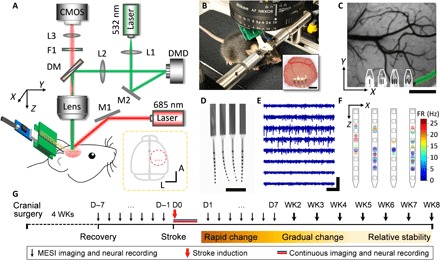
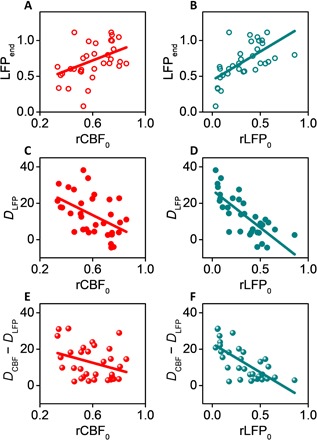
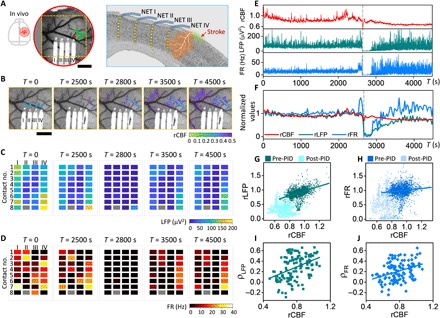
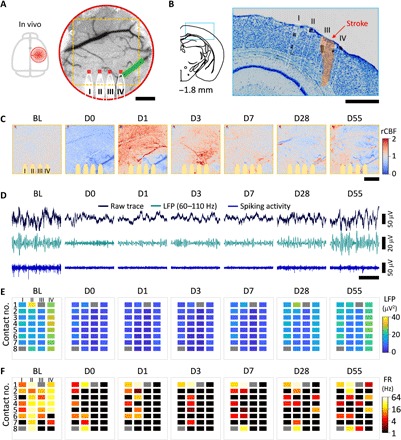
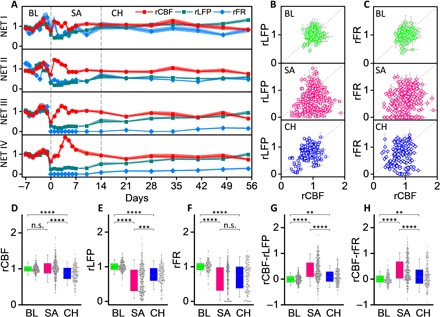
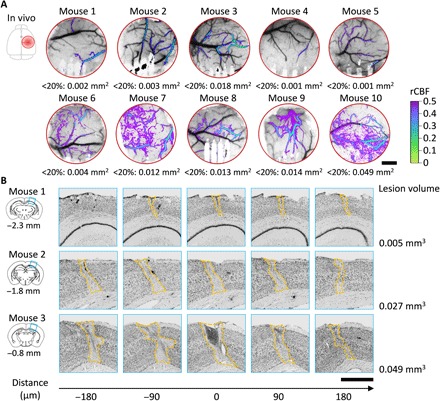
Neurovascular coupling, the close spatial and temporal relationship between neural activity and hemodynamics, is disrupted in pathological brain states. To understand the altered neurovascular relationship in brain disorders, longitudinal, simultaneous mapping of neural activity and hemodynamics is critical yet challenging to achieve. Here, we use a multimodal neural platform in a mouse model of stroke and realize long-term, spatially resolved tracking of intracortical neural activity and cerebral blood flow in the same brain regions. We observe a pronounced neurovascular dissociation that occurs immediately after small-scale strokes, becomes the most severe a few days after, lasts into chronic periods, and varies with the level of ischemia. Neuronal deficits extend spatiotemporally, whereas restoration of cerebral blood flow occurs sooner and reaches a higher relative value. Our findings reveal the neurovascular impact of ministrokes and inform the limitation of neuroimaging techniques that infer neural activity from hemodynamic responses.
神经血管耦合,即神经活动与血流动力学之间紧密的空间和时间关系,在病理性脑状态下会被破坏。为了理解脑部疾病中改变的神经血管关系,对神经活动和血流动力学进行纵向、同步映射至关重要,但实现起来具有挑战性。在此,我们在中风小鼠模型中使用多模态神经平台,实现了对同一脑区皮质内神经活动和脑血流量的长期、空间分辨追踪。我们观察到在小规模中风后立即出现明显的神经血管解离,在几天后最为严重,持续到慢性期,并随缺血程度而变化。神经元缺陷在时空上扩展,而脑血流量的恢复则更早发生并达到更高的相对值。我们的研究结果揭示了微中风对神经血管的影响,并为从血流动力学反应推断神经活动的神经成像技术的局限性提供了信息。