Qingdao Central Hospital/Qingdao Cancer Hospital, Qingdao, Shandong Province, People's Republic of China.
Huaxia Bangfu Technology Incorporated, Beijing, People's Republic of China.
PLoS One. 2020 Jun 4;15(6):e0233713. doi: 10.1371/journal.pone.0233713. eCollection 2020.
Peripheral blood transcriptome profiling is a potentially important tool for disease detection. We utilize this technique in a case-control study to identify candidate transcriptomic biomarkers able to differentiate women with breast lesions from normal controls.
Whole blood samples were collected from 50 women with high-risk breast lesions, 57 with breast cancers and 44 controls (151 samples). Blood gene expression profiling was carried out using microarray hybridization. We identified blood gene expression signatures using AdaBoost, and constructed a predictive model differentiating breast lesions from controls. Model performance was then characterized by AUC sensitivity, specificity and accuracy. Biomarker biological processes and functions were analyzed for clues to the pathogenesis of breast lesions.
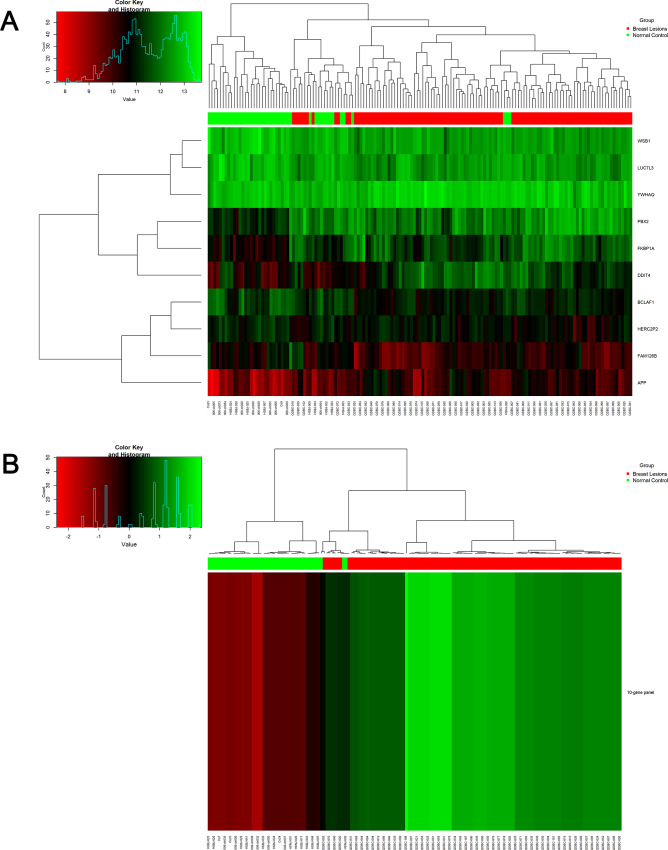
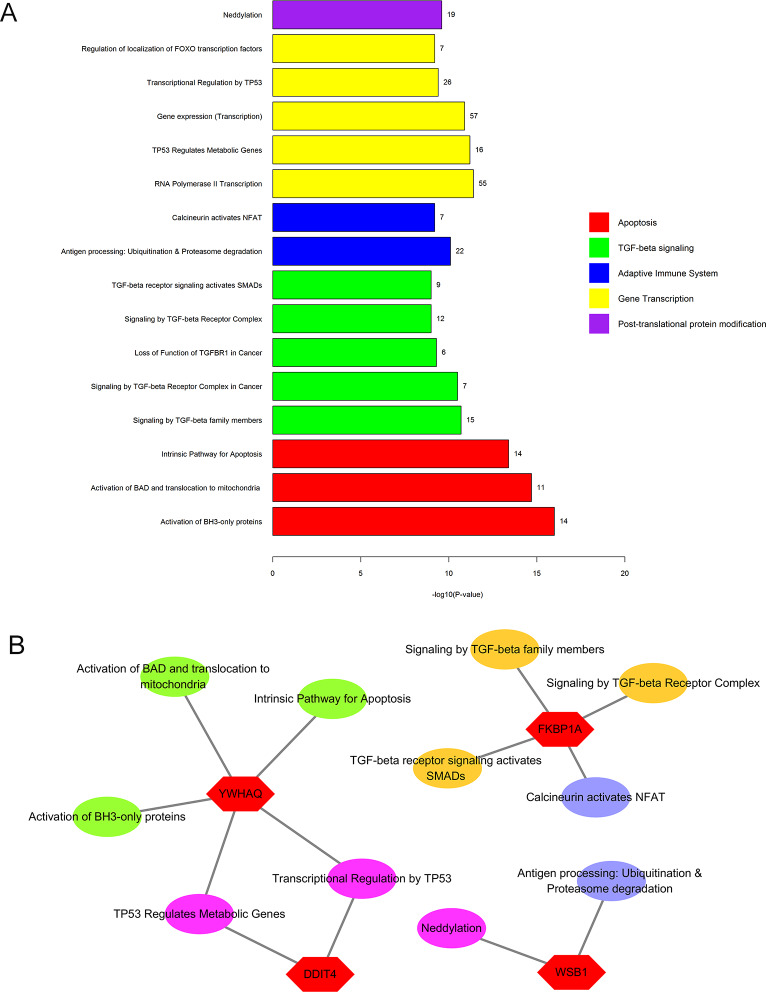
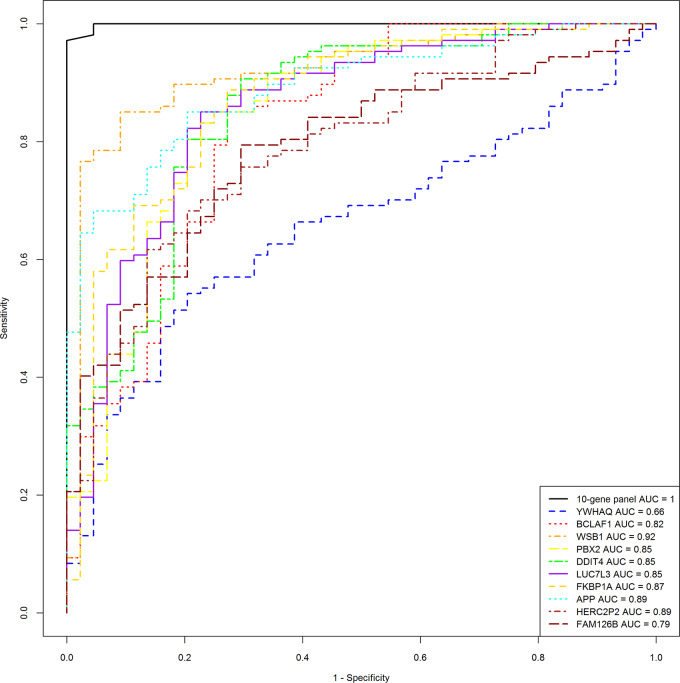
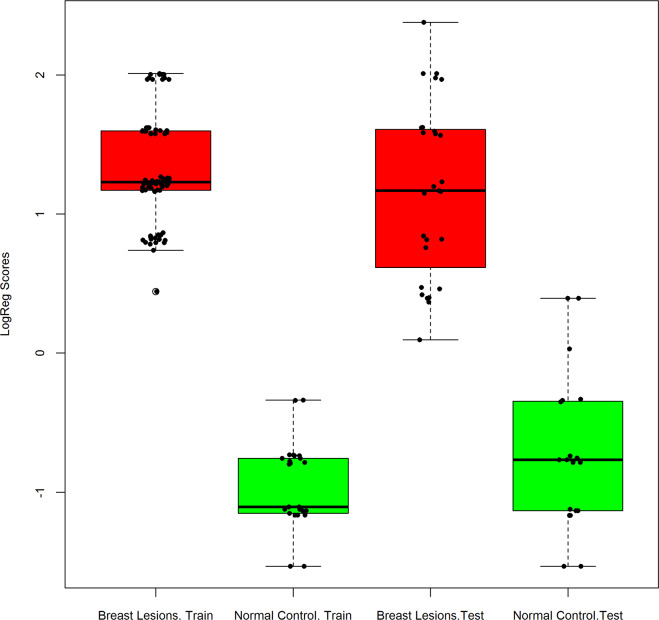
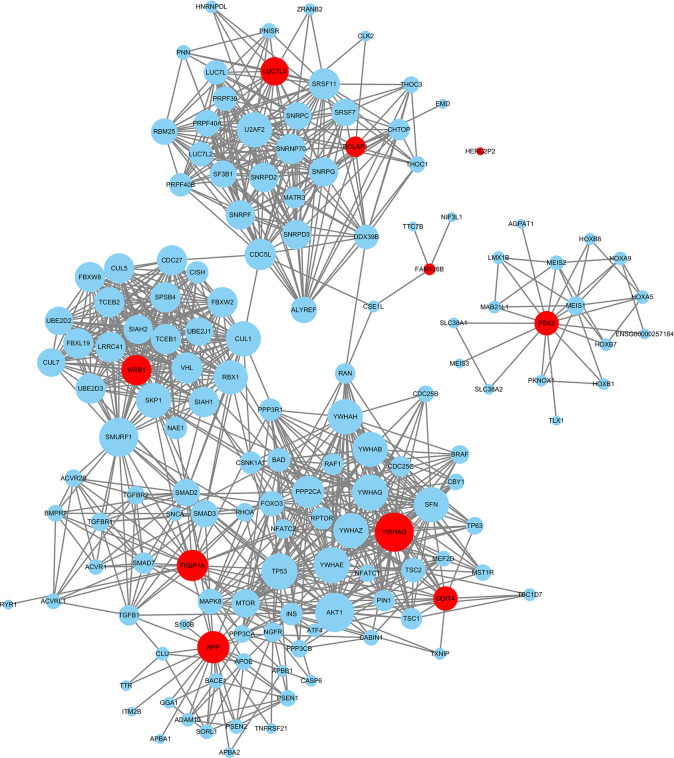
Ten gene biomarkers were identified (YWHAQ, BCLAF1, WSB1, PBX2, DDIT4, LUC7L3, FKBP1A, APP, HERC2P2, FAM126B). A ten-gene panel predictive model showed discriminatory power in the test set (sensitivity: 100%, specificity: 84.2%, accuracy: 93.5%, AUC: 0.99). These biomarkers were involved in apoptosis, TGF-beta signaling, adaptive immune system regulation, gene transcription and post-transcriptional protein modification.
A promising method for the detection of breast lesions is reported. This study also sheds light on breast cancer/immune system interactions, providing clues to new targets for breast cancer immune therapy.
外周血转录组谱分析是一种用于疾病检测的潜在重要工具。我们在病例对照研究中利用该技术来鉴定能够区分有乳腺病变的女性和正常对照的候选转录组生物标志物。
从 50 名高危乳腺病变女性、57 名乳腺癌患者和 44 名对照者(共 151 个样本)中采集全血样本。采用微阵列杂交进行血液基因表达谱分析。我们使用 AdaBoost 识别血液基因表达特征,并构建了一个区分乳腺病变与对照者的预测模型。然后,通过 AUC 敏感性、特异性和准确性来描述模型性能。对生物标志物的生物学过程和功能进行分析,以寻找乳腺病变发病机制的线索。
鉴定出 10 个基因生物标志物(YWHAQ、BCLAF1、WSB1、PBX2、DDIT4、LUC7L3、FKBP1A、APP、HERC2P2、FAM126B)。一个十基因组合预测模型在测试集中显示出区分能力(敏感性:100%,特异性:84.2%,准确性:93.5%,AUC:0.99)。这些生物标志物参与了细胞凋亡、TGF-β信号转导、适应性免疫系统调节、基因转录和转录后蛋白质修饰。
报告了一种有前途的乳腺病变检测方法。本研究还揭示了乳腺癌/免疫系统相互作用的机制,为乳腺癌免疫治疗的新靶点提供了线索。