University of New Hampshire, Department of Molecular, Cellular and Biomedical Sciences, Durham, NH, 03824, USA.
New Hampshire Veterinary Diagnostic Laboratory, Durham, NH, 03824, USA.
Commun Biol. 2020 Jun 5;3(1):282. doi: 10.1038/s42003-020-1009-y.
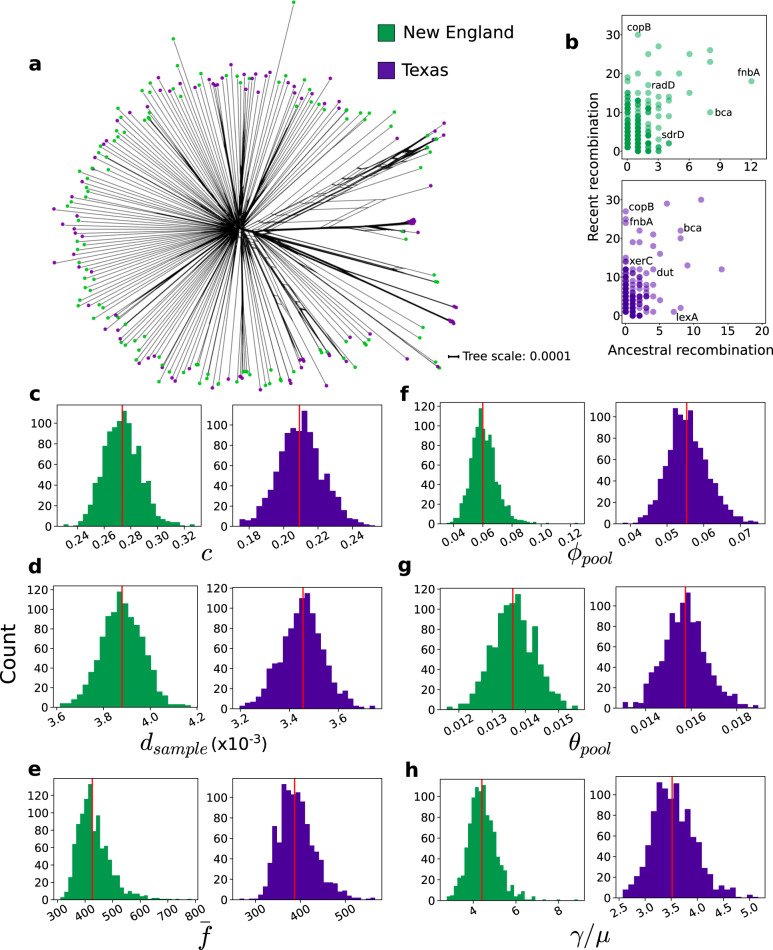
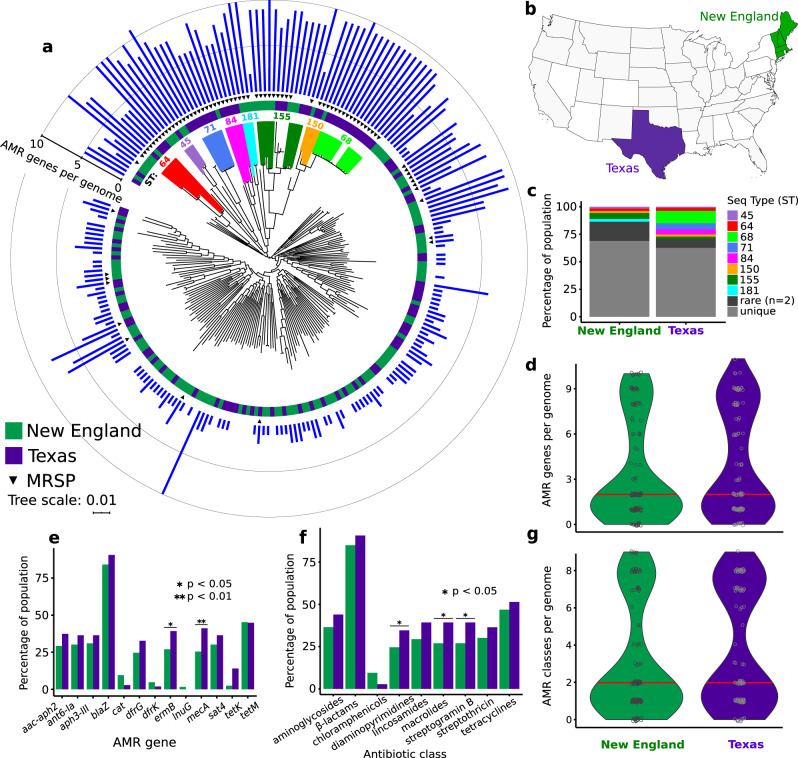
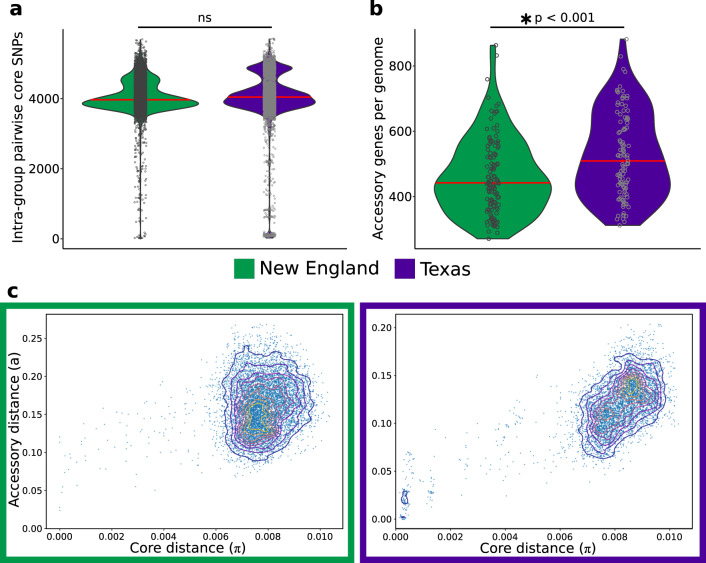
Staphylococcus pseudintermedius is a commensal bacterium and a major opportunistic pathogen of dogs. The emergence of methicillin-resistant S. pseudintermedius (MRSP) is also becoming a serious concern. We carried out a population genomics study of 130 clinical S. pseudintermedius isolates from dogs and cats in the New England region of the United States. Results revealed the co-circulation of phylogenetically diverse lineages that have access to a large pool of accessory genes. Many MRSP and multidrug-resistant clones have emerged through multiple independent, horizontal acquisition of resistance determinants and frequent genetic exchange that disseminate DNA to the broader population. When compared to a Texas population, we found evidence of clonal expansion of MRSP lineages that have disseminated over large distances. These findings provide unprecedented insight into the diversification of a common cutaneous colonizer of man's oldest companion animal and the widespread circulation of multiple high-risk resistant clones.
中间葡萄球菌是一种共生菌,也是犬类的主要机会性病原体。耐甲氧西林中间葡萄球菌(MRSP)的出现也引起了严重关注。我们对来自美国新英格兰地区的 130 株犬猫临床分离的中间葡萄球菌进行了群体基因组学研究。结果显示,具有多种系统发育多样性的谱系共同循环,这些谱系可以获得大量的辅助基因。许多 MRSP 和多药耐药克隆通过多次独立的水平获得耐药决定因素和频繁的基因交换而出现,这些基因交换将 DNA 传播到更广泛的人群中。与德克萨斯州的人群相比,我们发现了 MRSP 谱系在长距离传播中克隆扩张的证据。这些发现为人类最古老的伴侣动物的常见皮肤定植菌的多样化以及多种高风险耐药克隆的广泛传播提供了前所未有的见解。