Pain Maria, Hjerde Erik, Klingenberg Claus, Cavanagh Jorunn Pauline
Pediatric Infections Research Group, Department of Clinical Medicine, UiT The Arctic University of Norway, Tromsø, Norway.
Department of Chemistry, Norstruct, UiT The Arcic University of Norway, Tromsø, Norway.
Front Microbiol. 2019 Sep 10;10:2096. doi: 10.3389/fmicb.2019.02096. eCollection 2019.
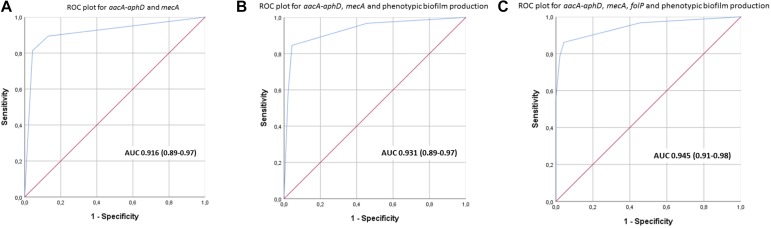
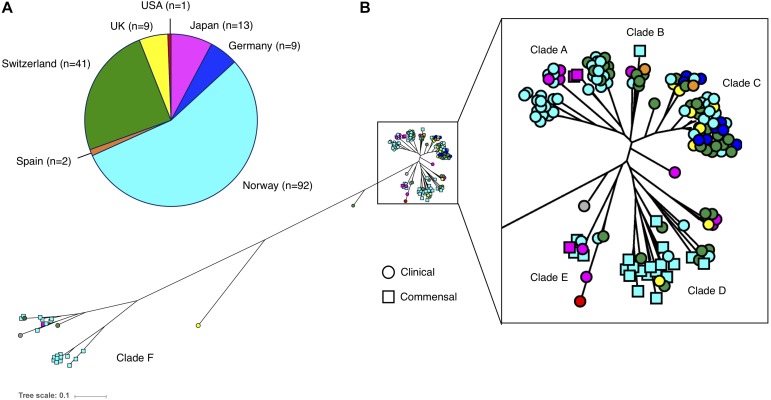
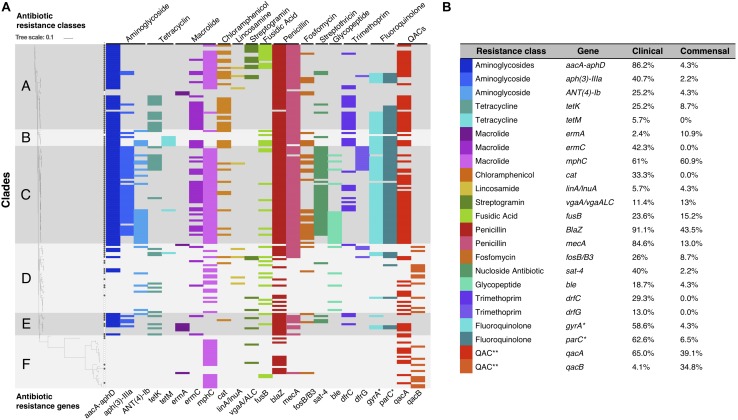
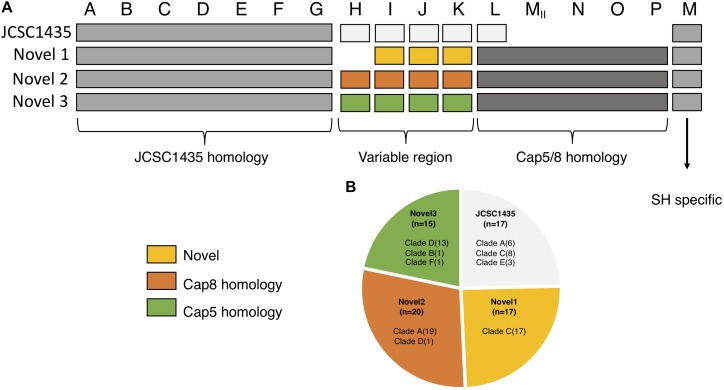
is a skin commensal gaining increased attention as an emerging pathogen of nosocomial infections. However, knowledge about the transition from a commensal to an invasive lifestyle remains sparse and there is a paucity of studies comparing pathogenicity traits between commensal and clinical isolates. In this study, we used a pan-genomic approach to identify factors important for infection and hospital adaptation by exploring the genomic variability of 123 clinical isolates and 46 commensal isolates. Phylogenetic reconstruction grouped the 169 isolates into six clades with a distinct distribution of clinical and commensal isolates in the different clades. Phenotypically, multi-drug antibiotic resistance was detected in 108/123 (88%) of the clinical isolates and 5/46 (11%) of the commensal isolates ( < 0.05). In the clinical isolates, we commonly identified a homolog of the serine-rich repeat glycoproteins . Additionally, three novel capsular polysaccharide operons were detected, with a potential role in virulence. Clinical isolates showed specific signatures associated with successful hospital adaption. Biofilm forming isolates that are resistant to oxacillin () and aminoglycosides ( are most likely invasive isolates whereas absence of these traits strongly indicates a commensal isolate. We conclude that our data show a clear segregation of isolates of commensal origin, and specific genetic signatures distinguishing the clinical isolates from the commensal isolates. The widespread use of antimicrobial agents has probably promoted the development of successful hospital adapted clones of clones through acquisition of mobile genetic elements or beneficial point mutations and rearrangements in surface associated genes.
作为医院感染的一种新兴病原体,[具体微生物名称未给出]是一种皮肤共生菌,正受到越来越多的关注。然而,关于其从共生菌转变为侵袭性菌的生活方式的知识仍然匮乏,并且比较共生菌和临床分离株致病性特征的研究也很少。在本研究中,我们采用泛基因组方法,通过探索123株临床分离株和46株共生分离株的基因组变异性,来确定对感染和医院适应性重要的因素。系统发育重建将169株分离株分为六个进化枝,临床分离株和共生分离株在不同进化枝中有明显的分布。在表型上,108/123(88%)的临床分离株和5/46(11%)的共生分离株检测到多药抗生素耐药性(P<0.05)。在临床分离株中,我们通常鉴定出富含丝氨酸重复糖蛋白的同源物。此外,还检测到三个新的荚膜多糖操纵子,它们在毒力方面可能发挥作用。临床分离株显示出与成功适应医院环境相关的特定特征。对苯唑西林([具体浓度未给出])和氨基糖苷类([具体浓度未给出])耐药的生物膜形成分离株最有可能是侵袭性分离株,而缺乏这些特征则强烈表明是共生分离株。我们得出结论,我们的数据显示出共生起源分离株的明显分离,以及区分临床分离株和共生分离株的特定遗传特征。抗菌剂的广泛使用可能通过获得移动遗传元件或表面相关基因中的有益点突变和重排,促进了成功适应医院环境的[具体微生物名称未给出]克隆的发展。