Hargadon Kristian M
Hargadon Laboratory, Department of Biology, Hampden-Sydney College, Hampden-Sydney, Virginia, USA.
Clin Transl Med. 2020 Jan;10(1):374-411. doi: 10.1002/ctm2.37.
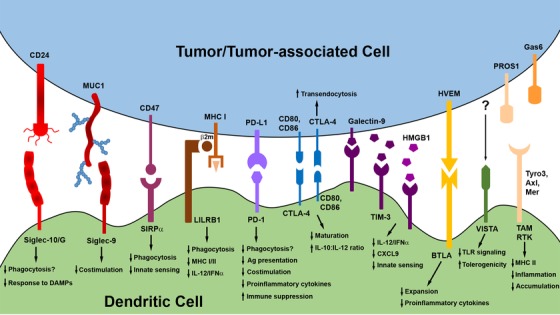
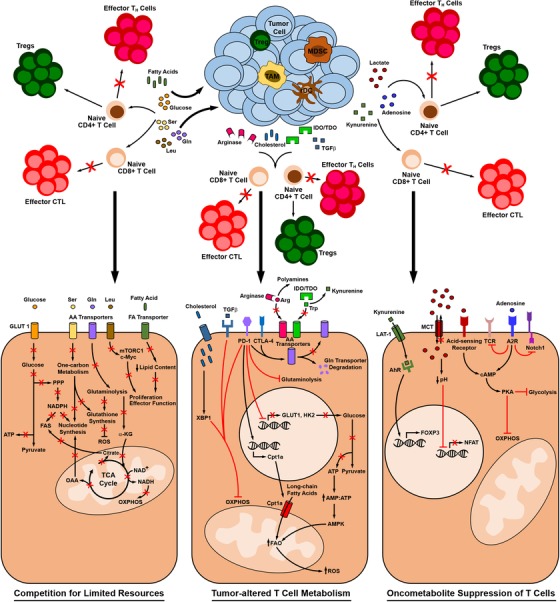
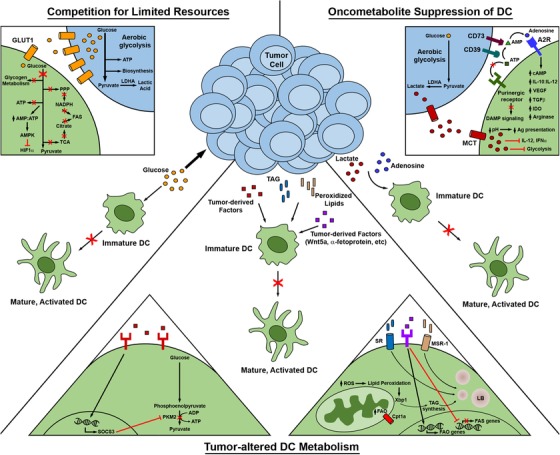
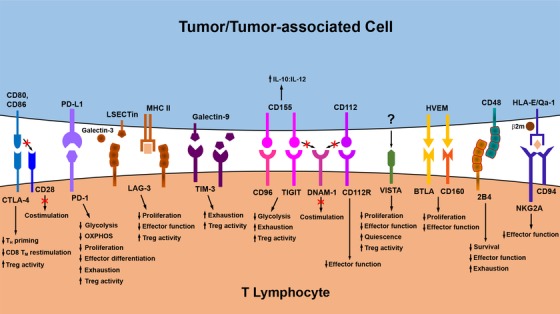
Cancer immunotherapy is fast becoming one of the most promising means of treating malignant disease. Cancer vaccines, adoptive cell transfer therapies, and immune checkpoint blockade have all shown varying levels of success in the clinical management of several cancer types in recent years. However, despite the clinical benefits often achieved by these regimens, an ongoing problem for many patients is the inherent or acquired resistance of their cancer to immunotherapy. It is now appreciated that dendritic cells and T lymphocytes both play key roles in antitumor immune responses and that the tumor microenvironment presents a number of barriers to the function of these cells that can ultimately limit the success of immunotherapy. In particular, the engagement of several immunologic and metabolic checkpoints within the hostile tumor microenvironment can severely compromise the antitumor functions of these important immune populations. This review highlights work from both preclinical and clinical studies that has shaped our understanding of the tumor microenvironment and its influence on dendritic cell and T cell function. It focuses on clinically relevant targeted and immunotherapeutic strategies that have emerged from these studies in an effort to prevent or overcome immune subversion within the tumor microenvironment. Emphasis is also placed on the potential of next-generation combinatorial regimens that target metabolic and immunologic impediments to dendritic cell and T lymphocyte function as strategies to improve antitumor immune reactivity and the clinical outcome of cancer immunotherapy going forward.
癌症免疫疗法正迅速成为治疗恶性疾病最有前景的手段之一。近年来,癌症疫苗、过继性细胞转移疗法和免疫检查点阻断在多种癌症类型的临床治疗中均显示出不同程度的成功。然而,尽管这些治疗方案常常能带来临床益处,但许多患者面临的一个持续问题是其癌症对免疫疗法存在固有或获得性抗性。现在人们认识到,树突状细胞和T淋巴细胞在抗肿瘤免疫反应中均发挥关键作用,并且肿瘤微环境对这些细胞的功能存在诸多障碍,最终可能限制免疫疗法的成功。特别是,在恶劣的肿瘤微环境中,多个免疫和代谢检查点的激活会严重损害这些重要免疫细胞群体的抗肿瘤功能。本综述重点介绍了临床前和临床研究的成果,这些研究塑造了我们对肿瘤微环境及其对树突状细胞和T细胞功能影响的理解。它聚焦于从这些研究中涌现出的具有临床相关性的靶向和免疫治疗策略,以预防或克服肿瘤微环境中的免疫颠覆。同时也强调了下一代联合治疗方案的潜力,这些方案针对树突状细胞和T淋巴细胞功能的代谢和免疫障碍,有望作为提高抗肿瘤免疫反应性和未来癌症免疫治疗临床疗效的策略。