Ye Ruirong, Tan Caiping, Chen Bichun, Li Rongtao, Mao Zongwan
Faculty of Life Science and Technology, Kunming University of Science and Technology, Kunming, China.
MOE Key Laboratory of Bioinorganic and Synthetic Chemistry, School of Chemistry, Sun Yat-sen University, Guangzhou, China.
Front Chem. 2020 May 19;8:402. doi: 10.3389/fchem.2020.00402. eCollection 2020.
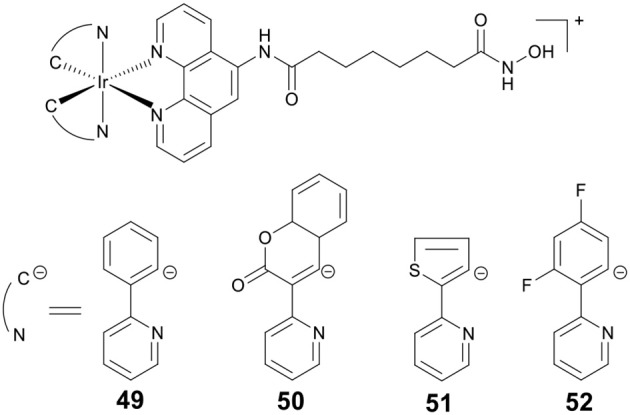
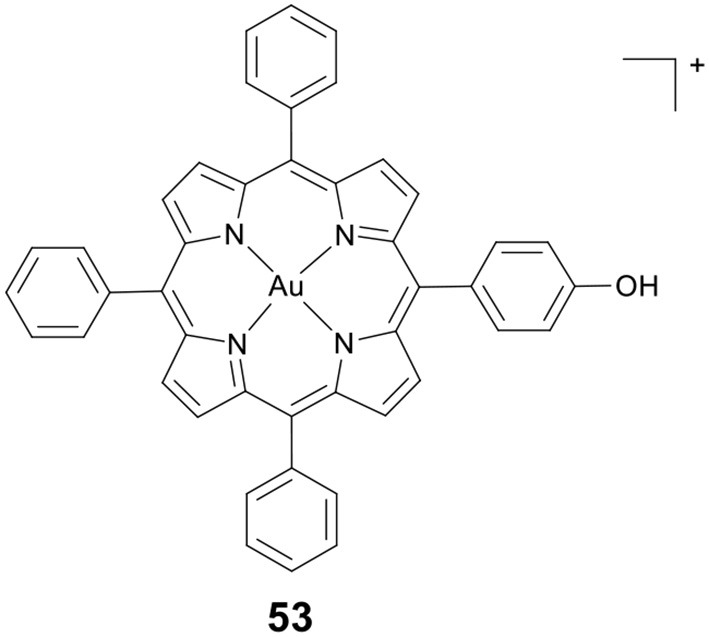
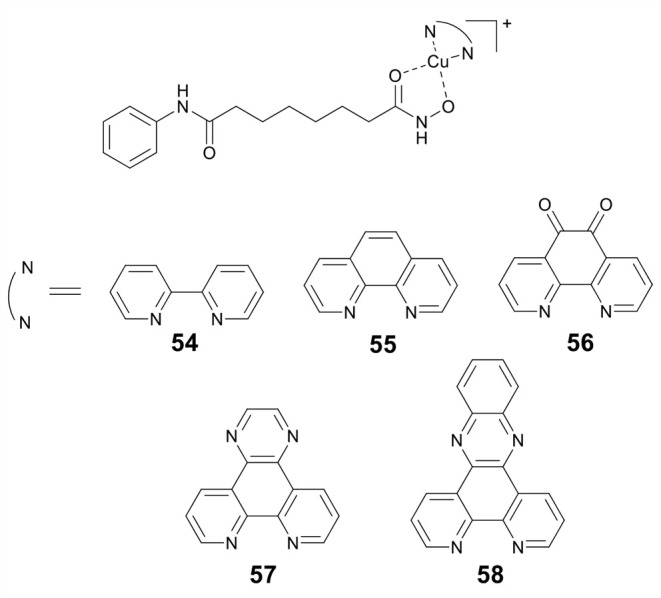
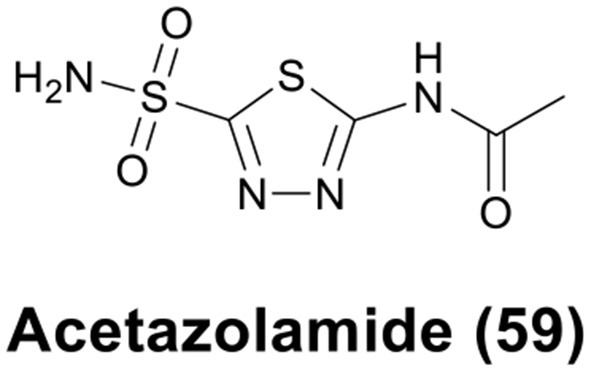
DNA is considered to be the primary target of platinum-based anticancer drugs which have gained great success in clinics, but DNA-targeted anticancer drugs cause serious side-effects and easily acquired drug resistance. This has stimulated the search for novel therapeutic targets. In the past few years, substantial research has demonstrated that zinc-containing metalloenzymes play a vital role in the occurrence and development of cancer, and they have been identified as alternative targets for metal-based anticancer agents. Metal complexes themselves have also exhibited a lot of appealing features for enzyme inhibition, such as: (i) the facile construction of 3D structures that can increase the enzyme-binding selectivity and affinity; (ii) the intriguing photophysical and photochemical properties, and redox activities of metal complexes can offer possibilities to design enzyme inhibitors with multiple modes of action. In this review, we discuss recent examples of zinc-containing metalloenzyme inhibition of metal-based anticancer agents, especially three zinc-containing metalloenzymes overexpressed in tumors, including histone deacetylases (HDACs), carbonic anhydrases (CAs), and matrix metalloproteinases (MMPs).
DNA被认为是铂类抗癌药物的主要靶点,这类药物在临床上已取得巨大成功,但靶向DNA的抗癌药物会引发严重的副作用,且容易产生耐药性。这激发了人们对新型治疗靶点的探索。在过去几年中,大量研究表明含锌金属酶在癌症的发生和发展中起着至关重要的作用,它们已被确定为金属基抗癌剂的替代靶点。金属配合物本身在酶抑制方面也展现出许多吸引人的特性,例如:(i)易于构建三维结构,可提高酶结合的选择性和亲和力;(ii)金属配合物有趣的光物理和光化学性质以及氧化还原活性,为设计具有多种作用模式的酶抑制剂提供了可能性。在本综述中,我们讨论了金属基抗癌剂抑制含锌金属酶的近期实例,特别是在肿瘤中过表达的三种含锌金属酶,包括组蛋白去乙酰化酶(HDACs)、碳酸酐酶(CAs)和基质金属蛋白酶(MMPs)。