Okon Anietie N, Akpabio Julius U, Tugwell Kilaliba W
Department of Chemical and Petroleum Engineering, University of Uyo, Nigeria.
Heliyon. 2020 May 30;6(5):e04091. doi: 10.1016/j.heliyon.2020.e04091. eCollection 2020 May.
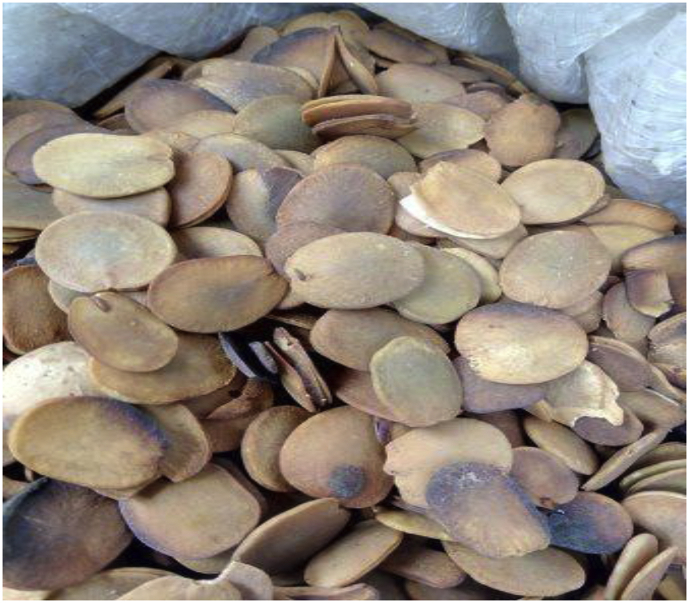
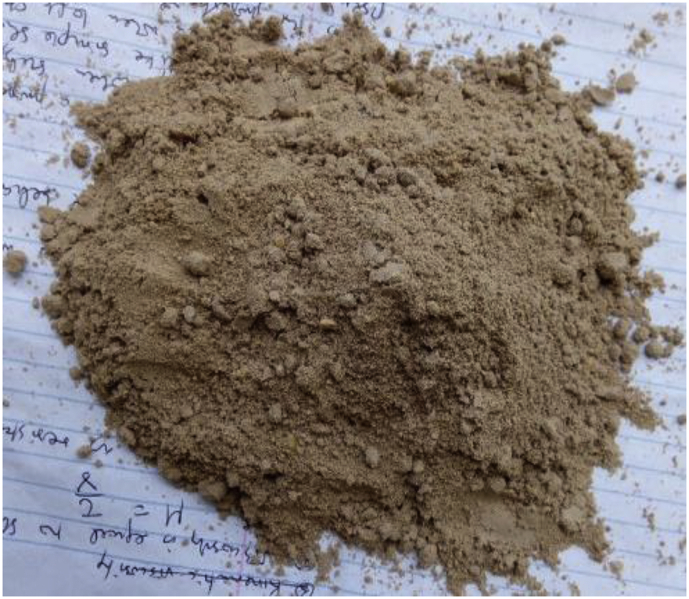
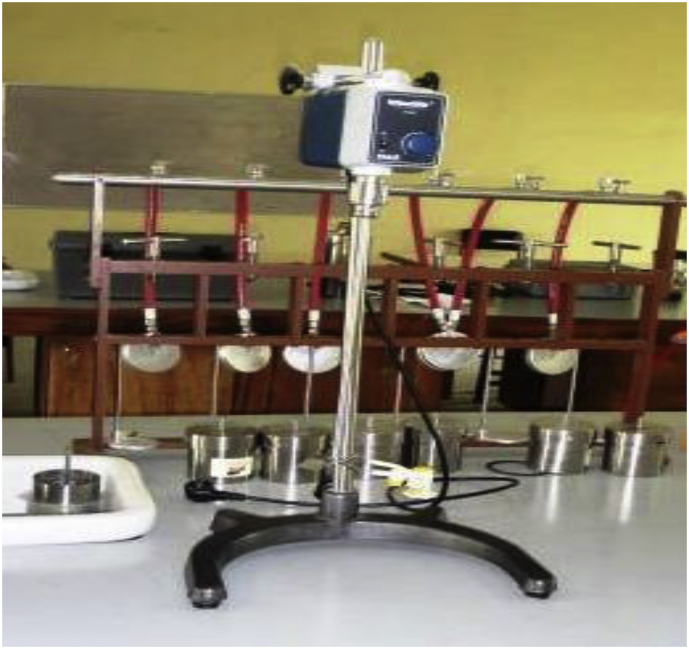
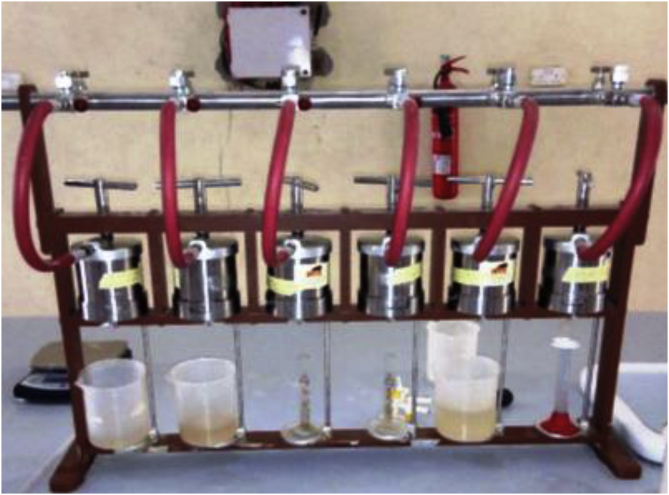
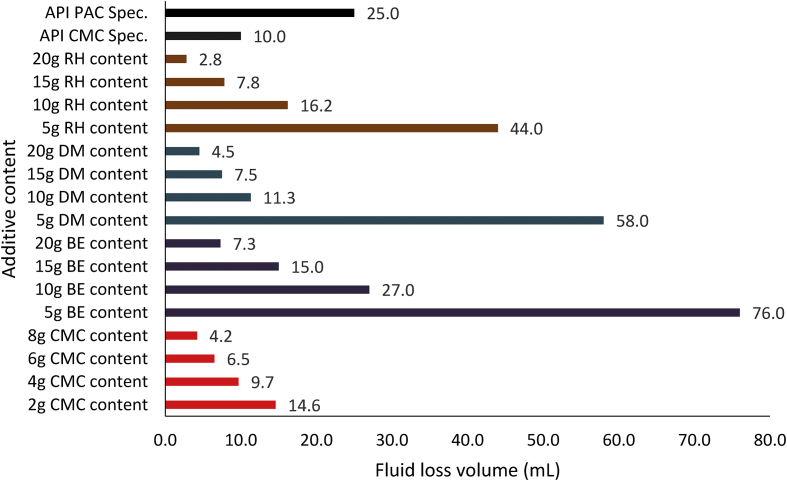
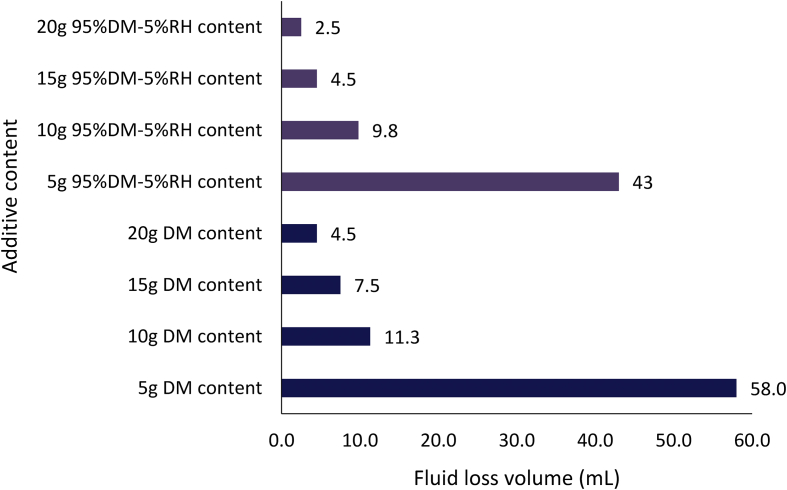
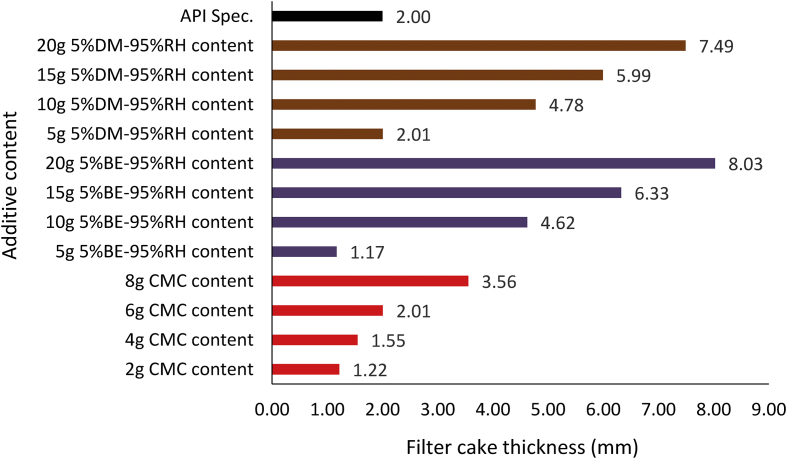
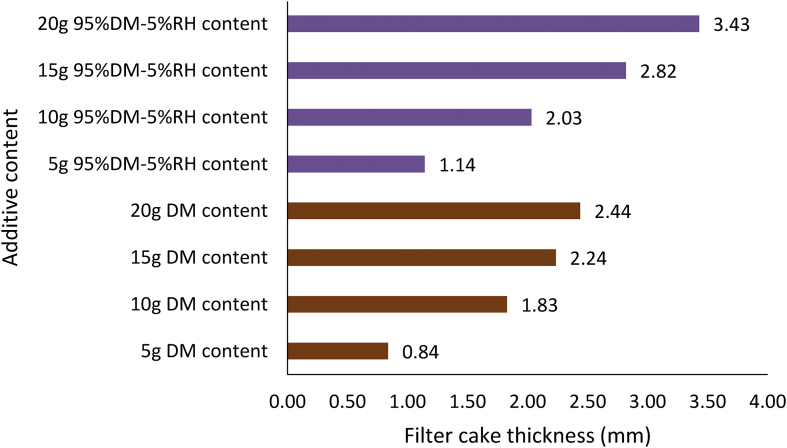
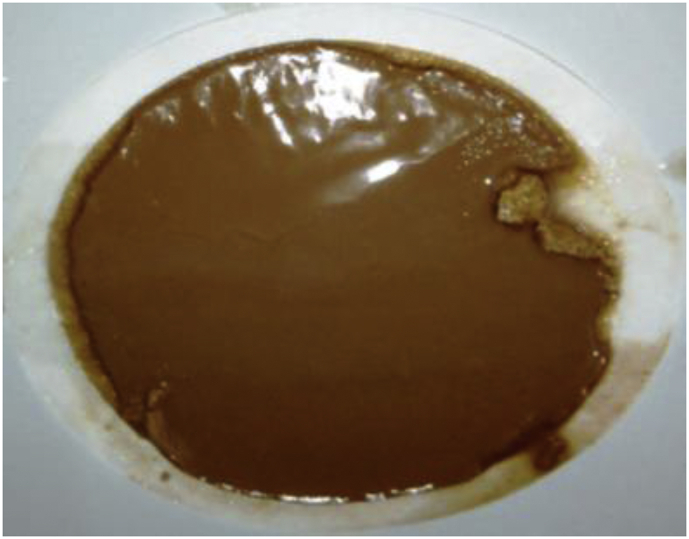
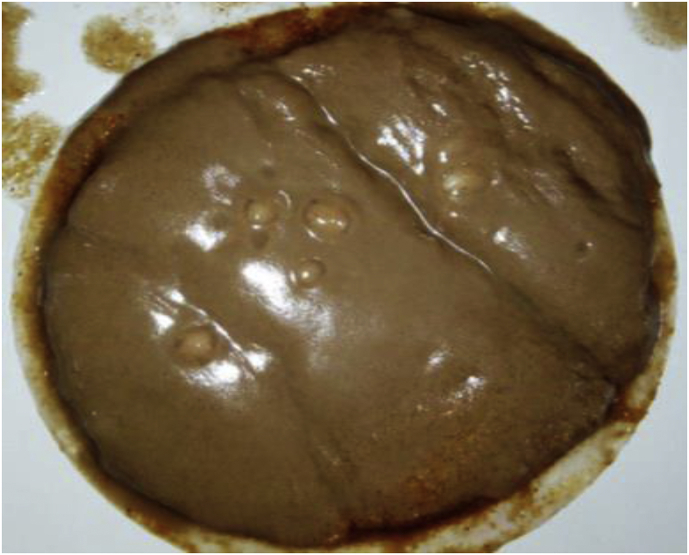
In the exploration for hydrocarbons, a successful drilling operation to the desired depth hinges on the effective performance of the formulated drilling fluid. Apart from carrying drill cuttings to the surface, another major function of the fluid is to seal off the walls of the wellbore to prevent fluids from coming into and out of the wellbore while drilling a well. Numerous commercial fluid loss additives: carboxymethyl cellulose (CMC), polyanionic cellulose (PAC), among others have been in existence with their drawbacks and effect on the total drilling cost. This study evaluates the use of locally sourced materials: , and rice husk, as fluid loss control additive in the water-based drilling fluid. The materials were prepared, ground and sieved to 125 microns. Four sets of water-based drilling muds were formulated using the local materials and CMC as fluid loss control additives. The mud formulation was based on the American Petroleum Institute (API) standard of 25g bentonite to 350mL of water. Also, the filtration test of the formulated muds was performed using API recommended practice for static filtration test at low temperature - low pressure (LTLP) condition. The results obtained showed that and rice husk fluid loss volume and filter cake thickness were comparable with that of CMC from additive content of 10g, while was comparable from additive content of 15g. Furthermore, the composite additive results indicated that -rice husk at 95% -5% rice husk performed better than -rice husk of the same combination. Additionally, the fluid loss volume and filter cake thickness of -rice husk additive were comparable with CMC from 10g content. Also, the results revealed that the fluid loss volume and filter cake thickness obtained from the locally sourced materials were within API specification for fluid loss control agents. The mud filter cake characteristics exhibited by these materials depicted that they have slippery, smooth and soft mud cakes; thus, the characteristics of a good mud cake that will prevent differential pipe sticking.
在勘探碳氢化合物时,成功钻至所需深度的钻井作业取决于所配制钻井液的有效性能。除了将钻屑携带至地面外,该流体的另一个主要功能是密封井筒壁,以防止在钻井时流体进出井筒。众多商业降滤失添加剂,如羧甲基纤维素(CMC)、聚阴离子纤维素(PAC)等已经存在,但它们存在缺点且会影响总钻井成本。本研究评估了使用本地来源的材料(此处原文缺失具体材料名称)和稻壳作为水基钻井液中的降滤失添加剂。将这些材料进行制备、研磨并筛分为125微米。使用本地材料和CMC作为降滤失添加剂配制了四组水基钻井泥浆。泥浆配方基于美国石油学会(API)25克膨润土对350毫升水的标准。此外,使用API推荐的低温低压(LTLP)静态过滤试验方法对配制的泥浆进行了过滤试验。所得结果表明,从10克添加剂含量起,(此处原文缺失具体材料名称)和稻壳的滤失量及滤饼厚度与CMC相当,而从15克添加剂含量起,(此处原文缺失具体材料名称)的情况与之相当。此外,复合添加剂结果表明,95%(此处原文缺失具体材料名称)-5%稻壳的性能优于相同组合的(此处原文缺失具体材料名称)-稻壳。另外,(此处原文缺失具体材料名称)-稻壳添加剂的滤失量和滤饼厚度从10克含量起与CMC相当。而且,结果显示从本地来源材料获得的滤失量和滤饼厚度在API对降滤失剂的规范范围内。这些材料所呈现的泥浆滤饼特性表明它们具有光滑、顺滑且柔软的泥浆滤饼;因此,这是一种能防止压差卡钻的良好泥浆滤饼的特性。