Yahia Amar Ibrahim Omer
Unit of Pathology (Haematology), Department of Basic Medical Sciences, College of Medicine, University of Bisha, Bisha, Saudi Arabia.
Transfus Apher Sci. 2020 Oct;59(5):102836. doi: 10.1016/j.transci.2020.102836. Epub 2020 Jun 4.
Maintaining blood supply is essential since blood transfusions are lifesaving in many conditions. The 2003 infectious outbreak of SARS-CoV had a negative impact on blood supply. This study aimed to measure donor attendance and blood demand in order to help find efficient ways of managing blood supply and demand during the COVID-19 pandemic and similar public emergencies in the future.
Data from donor attendance, mobile blood drives and blood inventory records were retrospectively obtained for the period between 1 September 2019 and 1 May 2020 to assess the impact of COVID-19 on donor attendance and the management of blood supply and demand in King Abdullah Hospital, Bisha, Saudi Arabia. Data were analysed using SPSSStatistics, version 25.0. Categorical variables were described using frequencies and percentages.
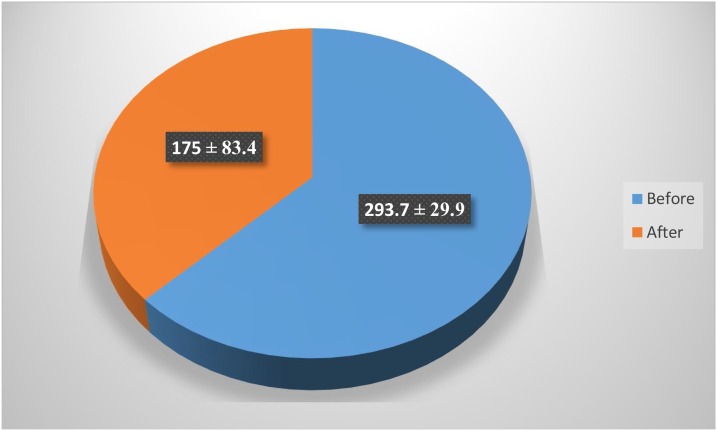
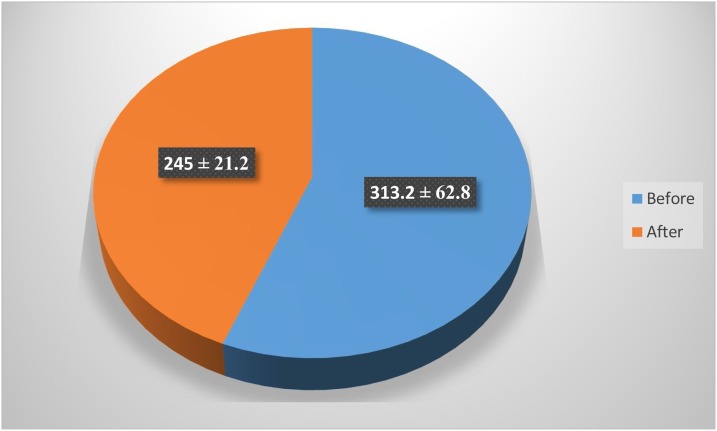
After imported cases of COVID-19 were reported in Saudi Arabia, donor attendance and blood supply at blood bank-based collections showed a drop of 39.5%. On the other hand, blood demand during the same period was reduced by 21.7%.
The COVID-19 pandemic had a negative impact on donor attendance and blood supply and adversely affected blood transfusion services. Guidelines that prioritize blood transfusion should prepare at the beginning of emergencies similar to this pandemic. Close monitoring of blood needs and blood supply and appropriate response is essential for avoiding sudden blood shortage. An evidence-based emergency blood management plan and flexible regulatory policy should be ready to deal with any disaster and to respond quickly in the case of blood shortage.
维持血液供应至关重要,因为输血在许多情况下都能挽救生命。2003年严重急性呼吸综合征冠状病毒(SARS-CoV)的传染性爆发对血液供应产生了负面影响。本研究旨在衡量献血者到场情况和血液需求,以帮助找到在2019冠状病毒病大流行及未来类似公共紧急情况期间管理血液供需的有效方法。
回顾性获取2019年9月1日至2020年5月1日期间献血者到场情况、流动献血活动及血液库存记录的数据,以评估2019冠状病毒病对沙特阿拉伯比沙阿卜杜拉国王医院献血者到场情况以及血液供需管理的影响。使用SPSS Statistics 25.0版软件对数据进行分析。分类变量用频率和百分比进行描述。
沙特阿拉伯报告出现2019冠状病毒病输入病例后,基于血库的采血活动中献血者到场人数和血液供应量下降了39.5%。另一方面,同期血液需求量减少了21.7%。
2019冠状病毒病大流行对献血者到场人数和血液供应产生了负面影响,并对输血服务产生了不利影响。在类似本次大流行的紧急情况开始时,应制定优先考虑输血的指导方针。密切监测血液需求和供应情况并做出适当反应对于避免突然出现血液短缺至关重要。应制定基于证据的紧急血液管理计划和灵活的监管政策,以应对任何灾难并在出现血液短缺时迅速做出反应。