Zarikas Vasilios, Poulopoulos Stavros G, Gareiou Zoe, Zervas Efthimios
School of Engineering and Digital Sciences, Nazarbayev University, Nur-Sultan, Kazakhstan.
General Department, University of Thessaly, Lamia, Greece.
Data Brief. 2020 May 29;31:105787. doi: 10.1016/j.dib.2020.105787. eCollection 2020 Aug.
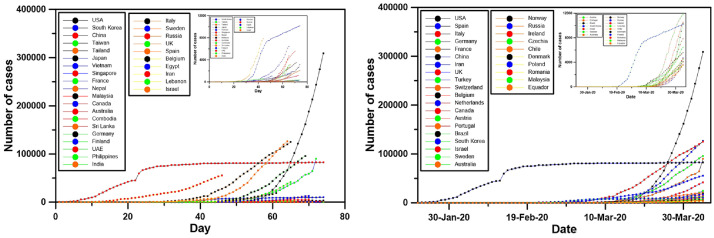
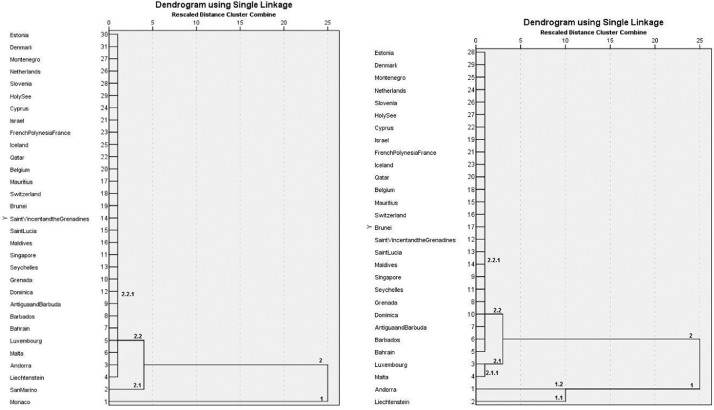
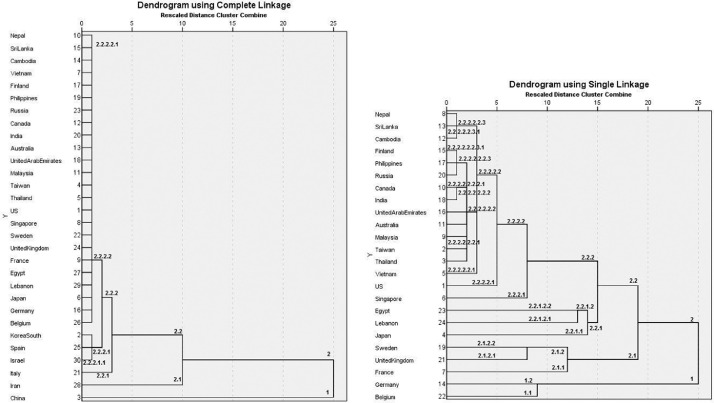
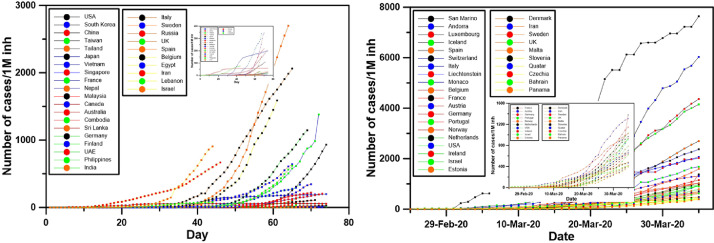
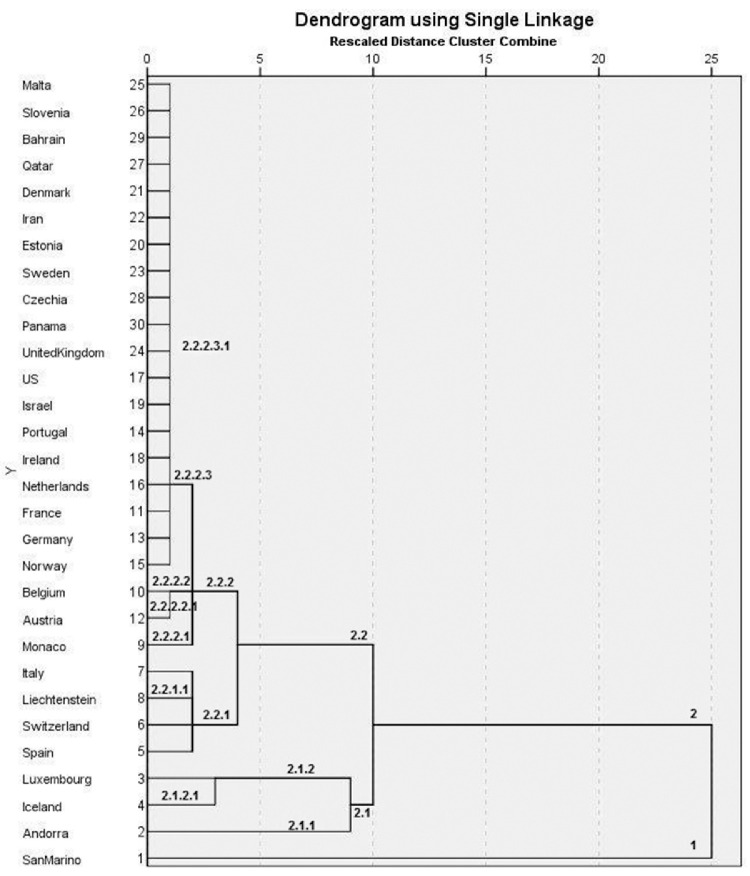
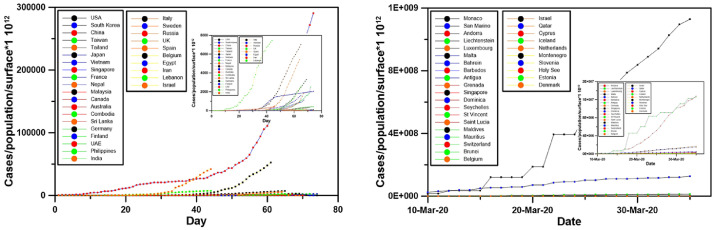
There is a worldwide effort of the research community to explore the medical, economic and sociologic impact of the COVID-19 pandemic. Many different disciplines try to find solutions and drive strategies to a great variety of different very crucial problems. The present study presents a novel analysis which results to clustering countries with respect to active cases, active cases per population and active cases per population and per area based on Johns Hopkins epidemiological data. The presented cluster results could be useful to a variety of different policy makers, such as physicians and managers of the health sector, economy/finance experts, politicians and even to sociologists. In addition, our work suggests a new specially designed clustering algorithm adapted to the request for comparison of the various COVID time-series of different countries.
全球研究界正在努力探索新冠疫情的医学、经济和社会学影响。许多不同学科都在试图找到解决方案,并为各种各样非常关键的问题制定策略。本研究提出了一种新颖的分析方法,该方法基于约翰·霍普金斯大学的流行病学数据,按活跃病例数、每人口活跃病例数以及每人口和每面积活跃病例数对各国进行聚类。所呈现的聚类结果可能对各类不同的政策制定者有用,比如卫生部门的医生和管理人员、经济/金融专家、政治家,甚至社会学家。此外,我们的工作提出了一种专门设计的新聚类算法,以适应比较不同国家各种新冠疫情时间序列的需求。