Division of Media Communication, Hankuk University of Foreign Studies, Seoul, Korea.
Department of Mathematics, Norfolk State University, Norfolk, Virginia, United States of America.
PLoS One. 2020 Jun 11;15(6):e0232580. doi: 10.1371/journal.pone.0232580. eCollection 2020.
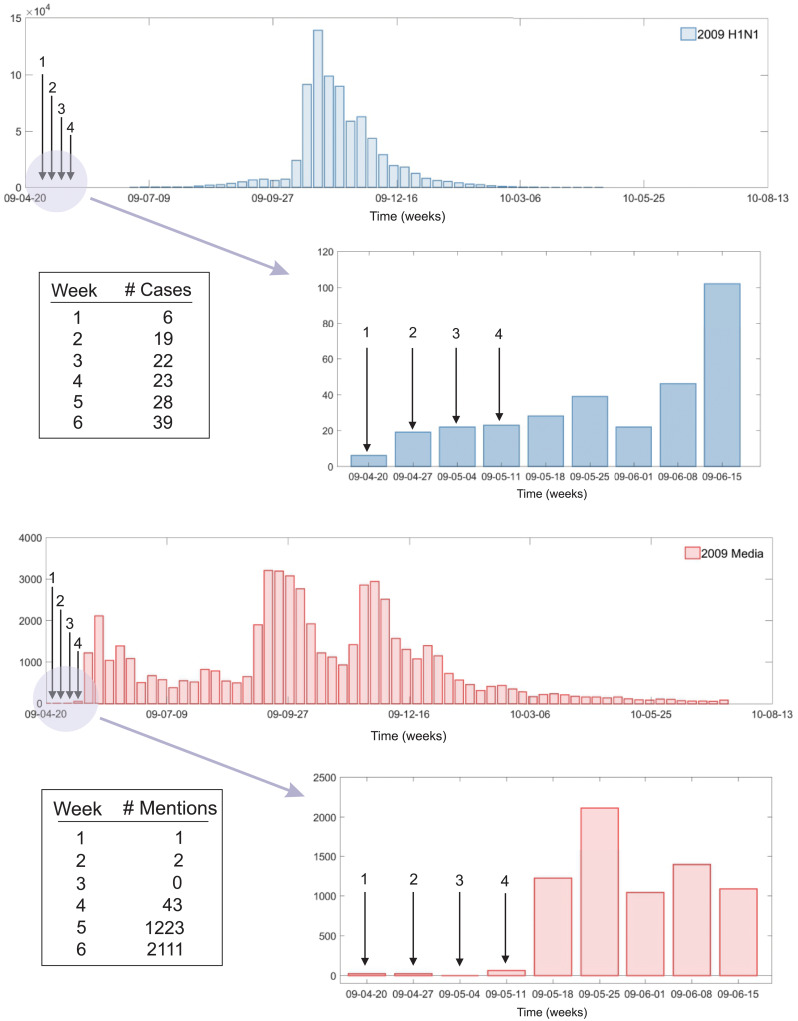
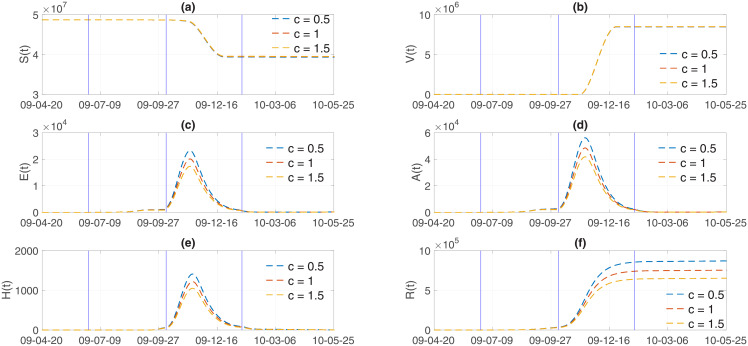
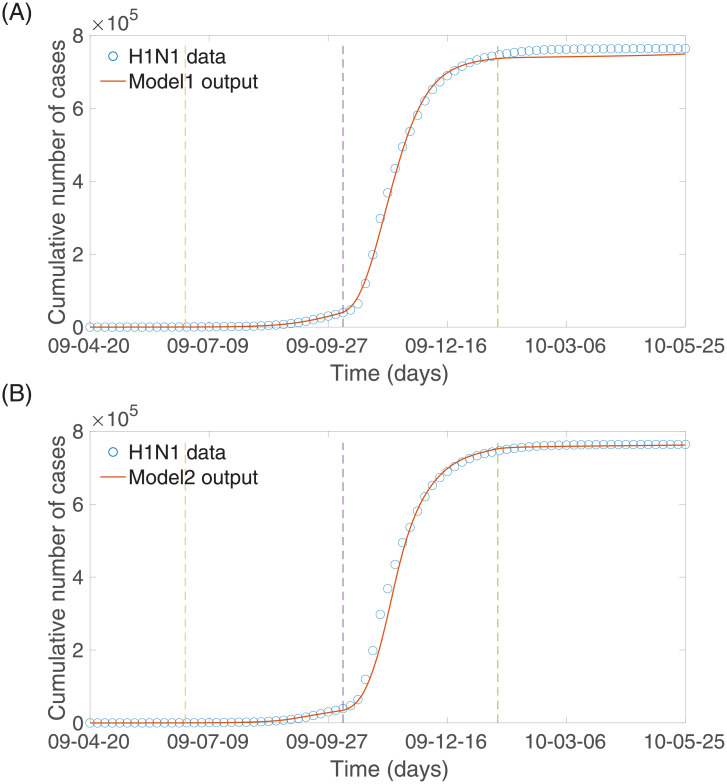
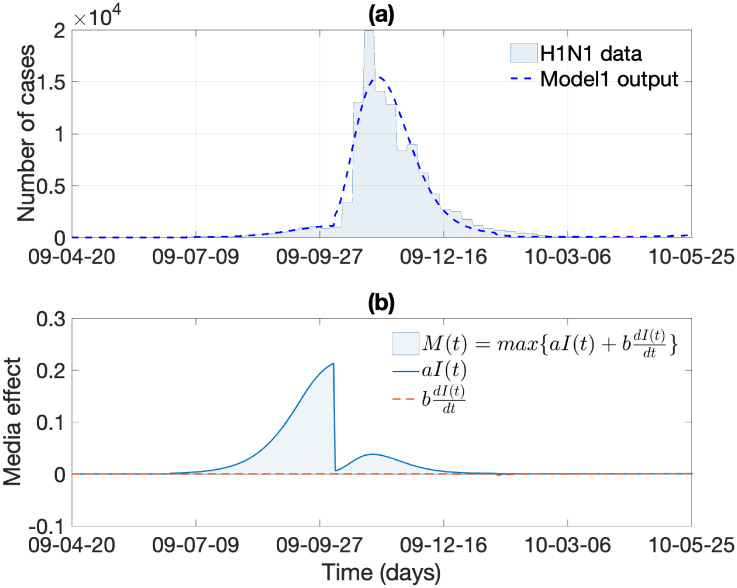
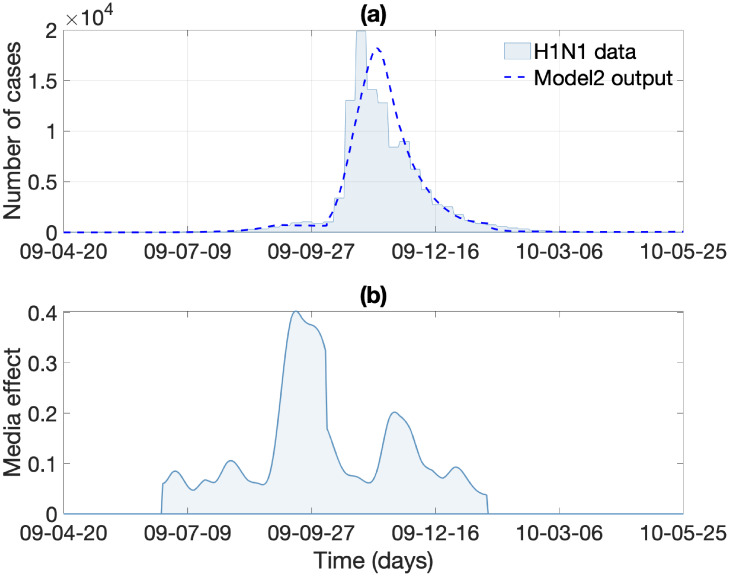
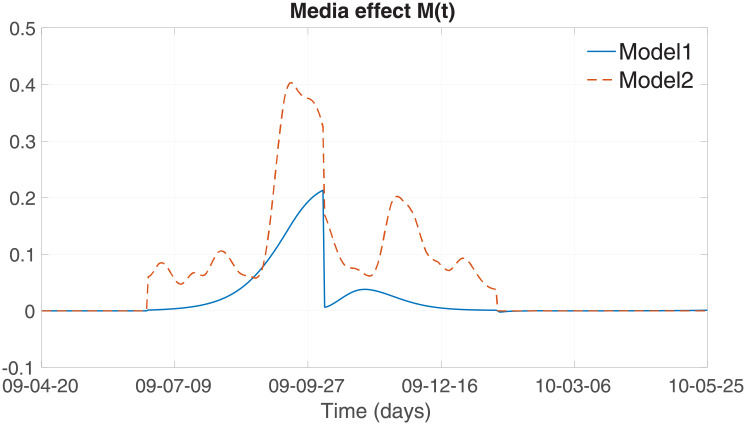
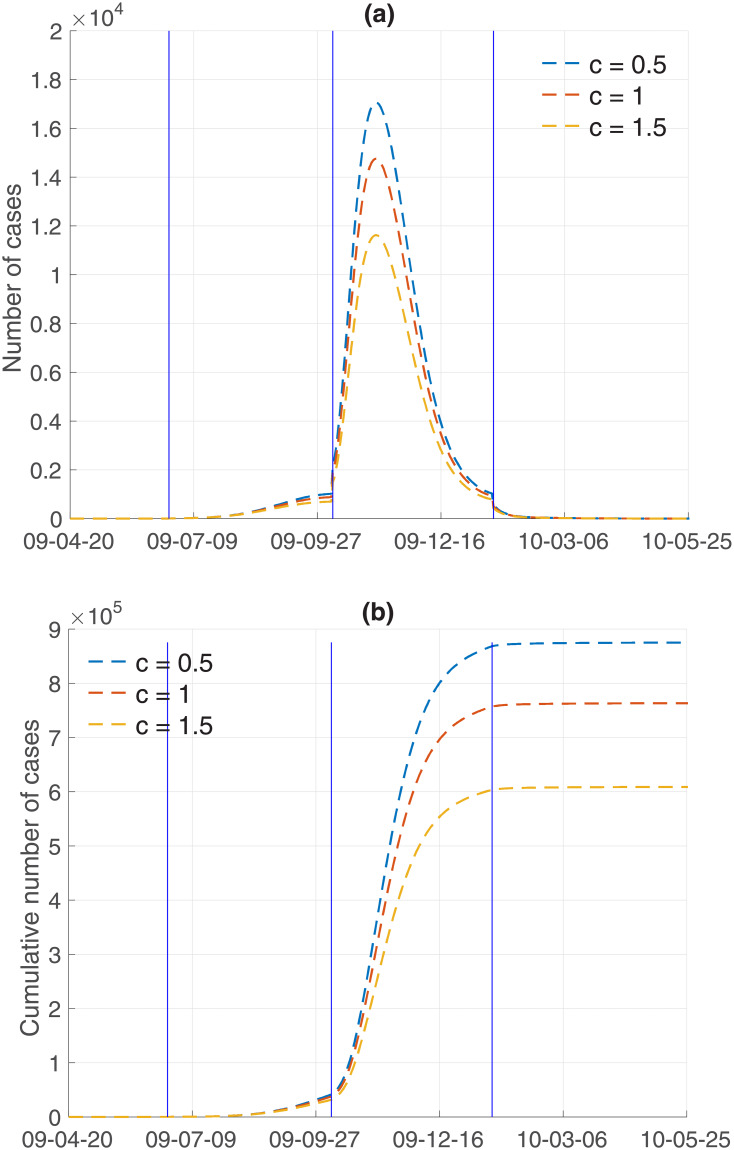
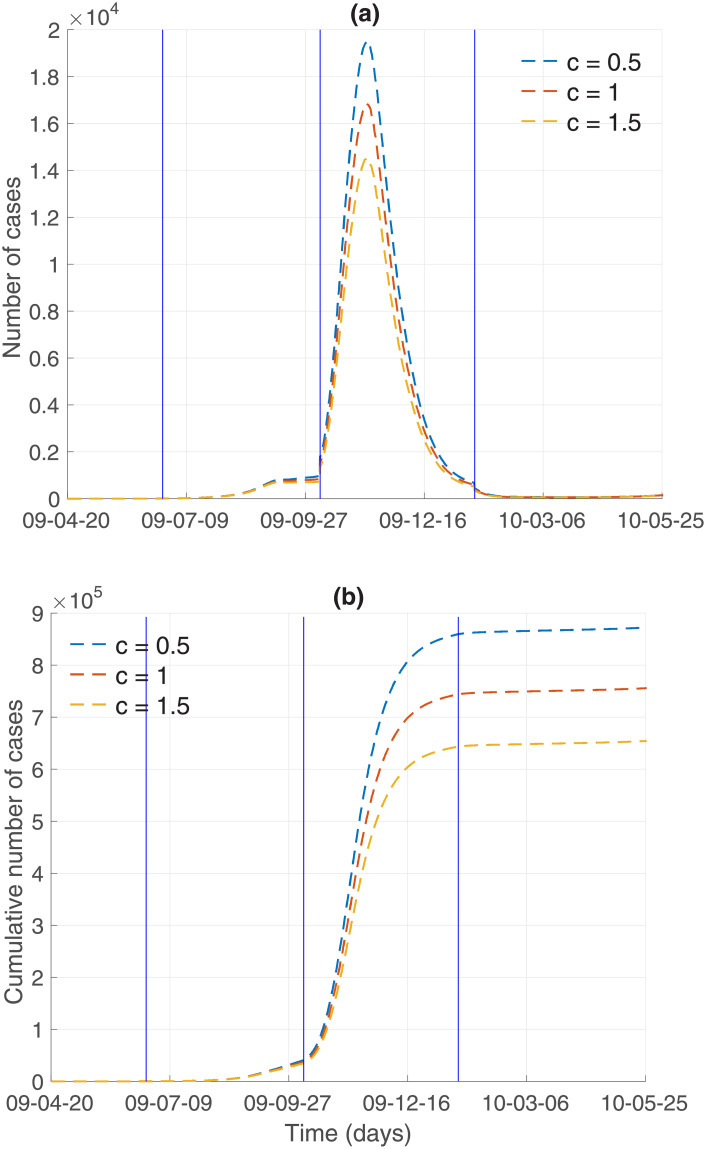
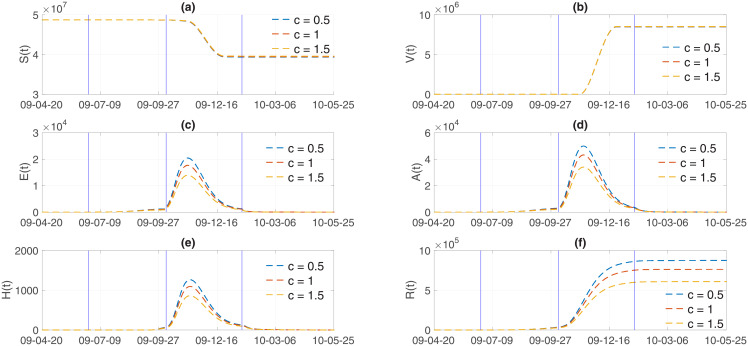
Recurrent outbreaks of the influenza virus continue to pose a serious health threat all over the world. The role of mass media becomes increasingly important in modeling infectious disease transmission dynamics since it can provide public health information that influences risk perception and health behaviors. Motivated by the recent 2009 H1N1 influenza pandemic outbreak in South Korea, a mathematical model has been developed. In this work, a previous influenza transmission model is modified by incorporating two distinct media effect terms in the transmission rate function; (1) a theory-based media effect term is defined as a function of the number of infected people and its rage of change and (2) a data-based media effect term employs the real-world media coverage data during the same period of the 2009 influenza outbreak. The transmission rate and the media parameters are estimated through the least-squares fitting of the influenza model with two media effect terms to the 2009 H1N1 cumulative number of confirmed cases. The impacts of media effect terms are investigated in terms of incidence and cumulative incidence. Our results highlight that the theory-based and data-based media effect terms have almost the same influence on the influenza dynamics under the parameters obtained in this study. Numerical simulations suggest that the media can have a positive influence on influenza dynamics; more media coverage leads to a reduced peak size and final epidemic size of influenza.
流感病毒的反复爆发继续在全球范围内构成严重的健康威胁。由于大众媒体可以提供影响风险认知和健康行为的公共卫生信息,因此在模拟传染病传播动力学方面,其作用变得越来越重要。受韩国最近发生的 2009 年 H1N1 流感大流行的启发,已经开发了一个数学模型。在这项工作中,通过在传播率函数中包含两个不同的媒体效应项来修改先前的流感传播模型;(1)基于理论的媒体效应项被定义为受感染人数及其变化范围的函数,(2)基于数据的媒体效应项采用了同一时期的真实世界媒体报道数据在 2009 年流感爆发期间。通过将具有两个媒体效应项的流感模型与 2009 年 H1N1 确诊病例的累积数量进行最小二乘拟合,对传播率和媒体参数进行了估计。根据发病率和累积发病率,研究了媒体效应项的影响。我们的研究结果表明,在所研究的参数下,基于理论和基于数据的媒体效应项对流感动力学几乎具有相同的影响。数值模拟表明,媒体可以对流感动力学产生积极影响;更多的媒体报道会导致流感的峰值和最终流行规模减小。