Discipline of Podiatry, School of Allied Health, Human Services and Sport, La Trobe University, Melbourne, VIC, 3086, Australia.
La Trobe Sport and Exercise Medicine Research Centre, School of Allied Health, Human Services and Sport, La Trobe University, Melbourne, 3086, Australia.
J Foot Ankle Res. 2020 Jun 11;13(1):35. doi: 10.1186/s13047-020-00401-3.
The effect of different orthotic materials on plantar pressures has not been systematically investigated. This study aimed to review and summarise the findings from studies that have evaluated the effect of orthotic materials on plantar pressures.
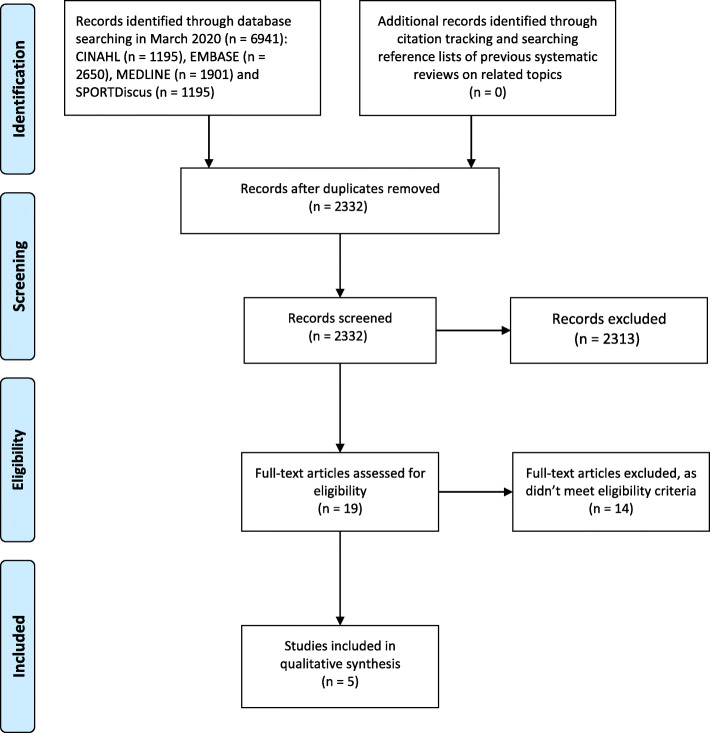
We conducted a systematic review of experimental studies that evaluated the effect of foot orthotic materials or shoe insole materials on plantar pressures using in-shoe testing during walking. The following databases were searched: MEDLINE, CINAHL, Embase and SPORTDiscus. Included studies were assessed for methodological quality using a modified Quality Index. Peak pressure, pressure-time integral, maximum force, force-time integral, contact area, and contact time were variables of interest. Data were synthesised descriptively as studies were not sufficiently homogeneous to conduct meta-analysis. Standardised mean differences (Cohen's d) were calculated to provide the size of the effect between materials found in each study.
Five studies were identified as meeting the eligibility criteria. All five studies were laboratory-based and used a repeated measures design. The quality of the studies varied with scores ranging between 20 and 23 on the modified Quality Index (maximum index score 28). The included studies investigated the effects of polyurethane (including PORON®), polyethylene (including Plastazote®), ethyl vinyl acetate (EVA) and carbon graphite on plantar pressures. Polyurethane (including PORON®), polyethylene (including Plastazote®) and EVA were all found to reduce peak pressure.
Based on the limited evidence supplied from the five studies included in this review, some orthotic materials can reduce plantar pressures during walking. Polyurethane (including PORON®), polyethylene (including Plastazote®) and EVA reduce peak pressure beneath varying regions of the foot. Future well-designed studies will strengthen this evidence.
不同矫形材料对足底压力的影响尚未得到系统研究。本研究旨在回顾和总结评估矫形材料对足底压力影响的研究结果。
我们对使用足底压力测试评估矫形鞋垫或鞋内底材料对步行时足底压力影响的实验研究进行了系统综述。检索了以下数据库:MEDLINE、CINAHL、Embase 和 SPORTDiscus。使用改良质量指数评估纳入研究的方法学质量。研究关注的变量包括峰值压力、压力-时间积分、最大力、力-时间积分、接触面积和接触时间。由于研究之间的同质性不够,无法进行荟萃分析,因此对数据进行了描述性综合。计算标准化均数差(Cohen's d)以提供每个研究中发现的材料之间的效应大小。
确定了 5 项符合入选标准的研究。所有 5 项研究均为实验室研究,采用重复测量设计。研究质量存在差异,改良质量指数得分在 20-23 分之间(最高指数得分为 28 分)。纳入的研究调查了聚氨酯(包括 PORON®)、聚乙烯(包括 Plastazote®)、乙烯-醋酸乙烯酯(EVA)和石墨碳对足底压力的影响。研究发现,聚氨酯(包括 PORON®)、聚乙烯(包括 Plastazote®)和 EVA 均能降低峰值压力。
根据本综述纳入的 5 项研究提供的有限证据,一些矫形材料可降低步行时的足底压力。聚氨酯(包括 PORON®)、聚乙烯(包括 Plastazote®)和 EVA 可降低足部不同区域的峰值压力。未来设计良好的研究将加强这一证据。