Department of Pathophysiology, West China College of Basic medical sciences & Forensic Medicine, Sichuan University, 610041, Chengdu, China.
Department of Cardiology, The third People's Hospital of Chengdu, 610031, Chengdu, China.
Cell Death Dis. 2020 Jun 15;11(6):459. doi: 10.1038/s41419-020-2672-0.
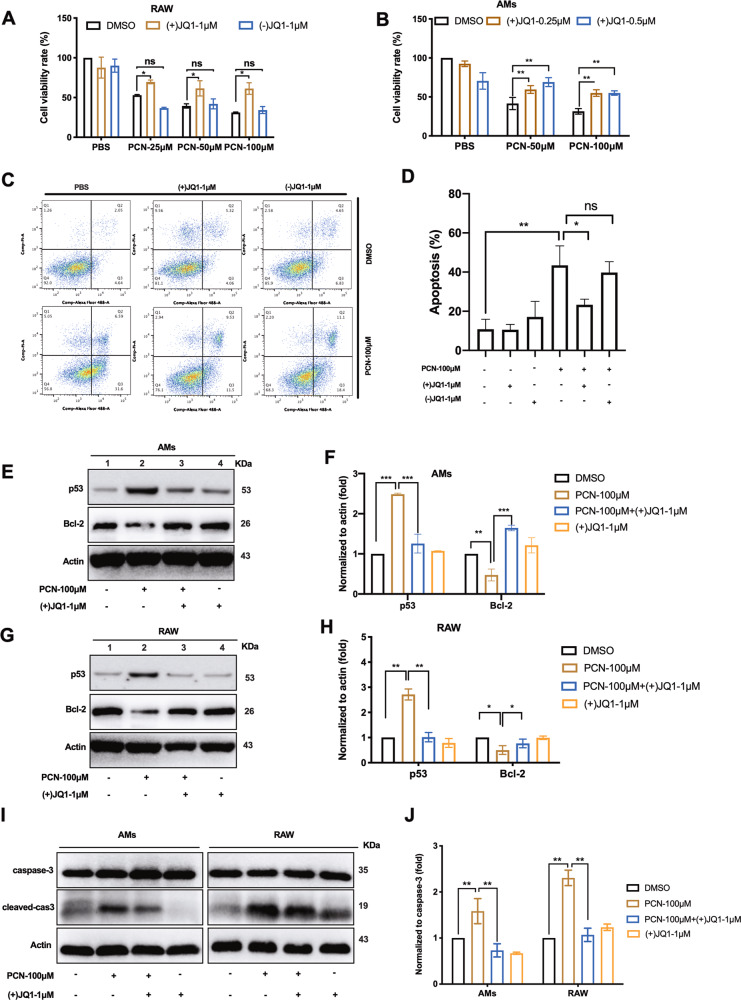
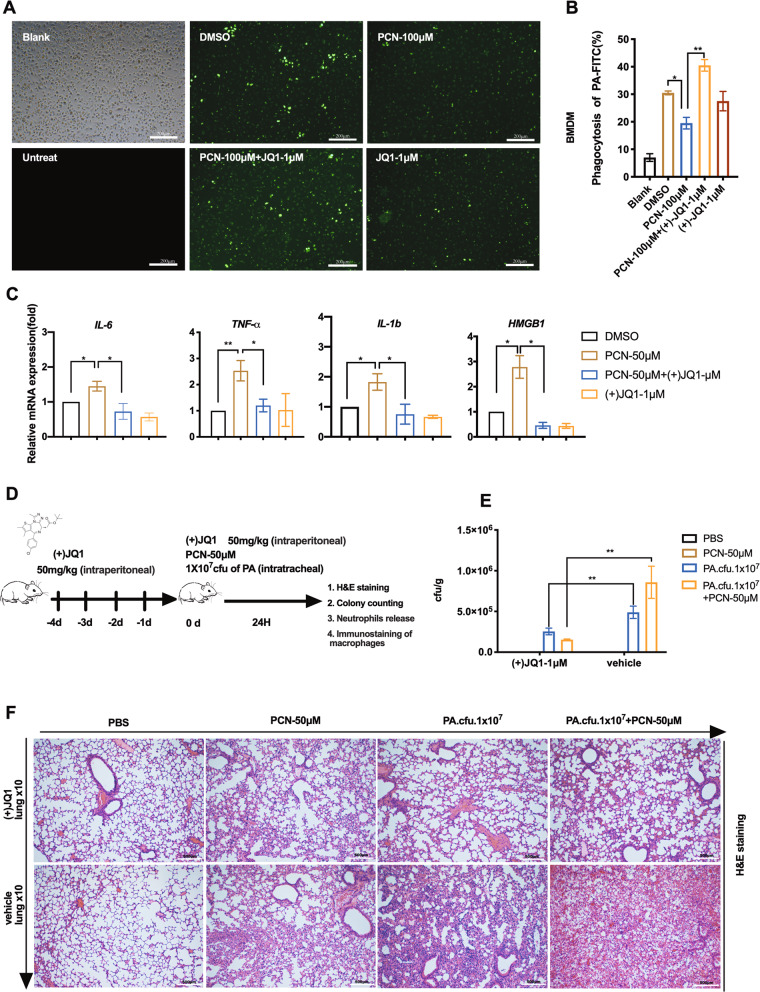
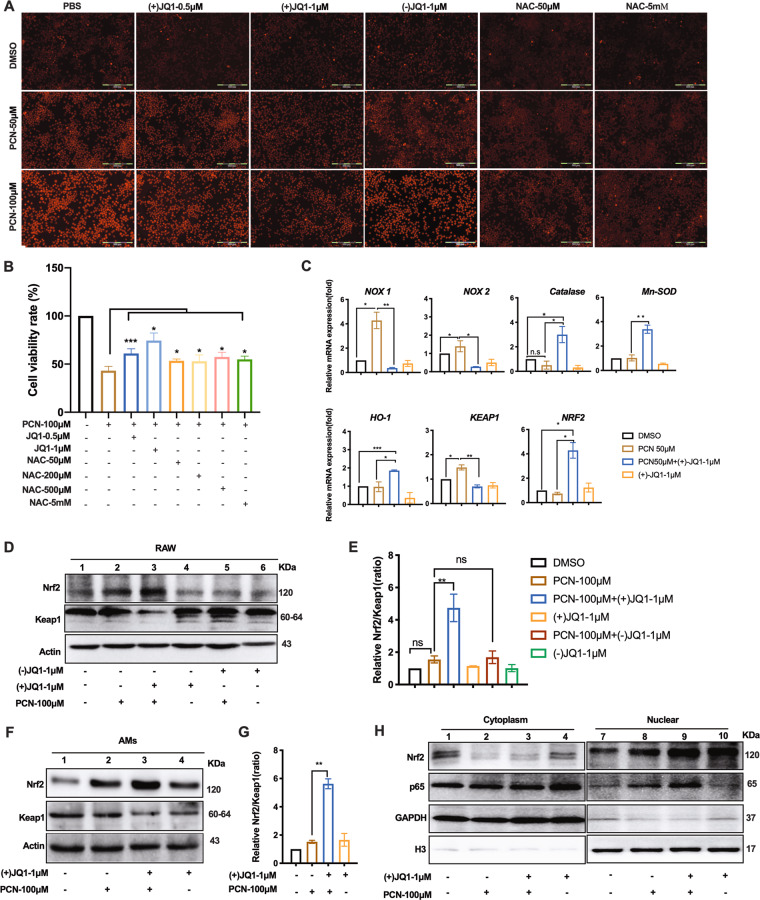
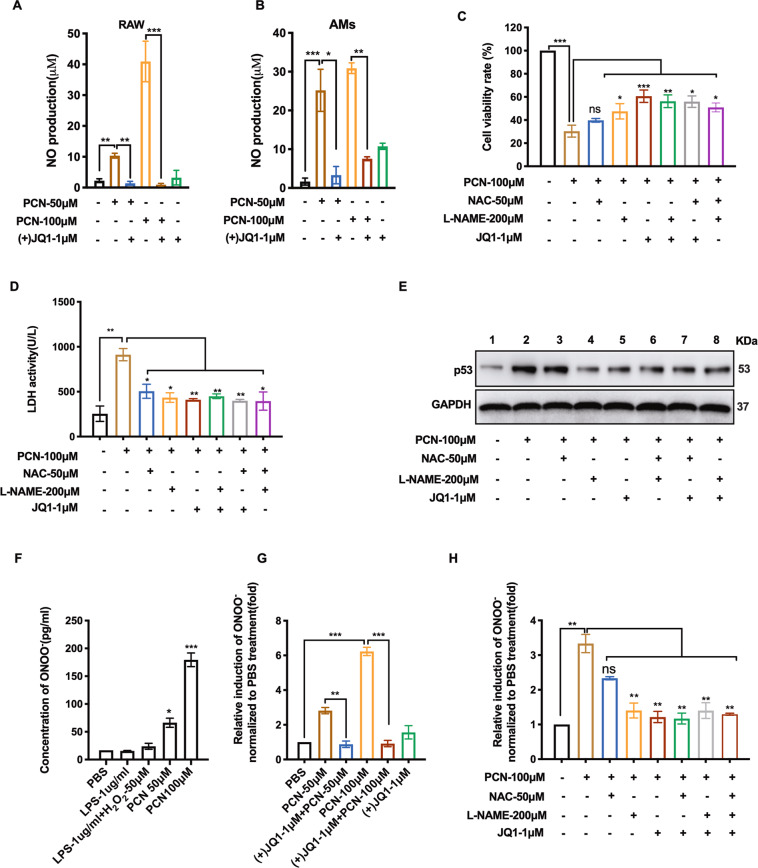
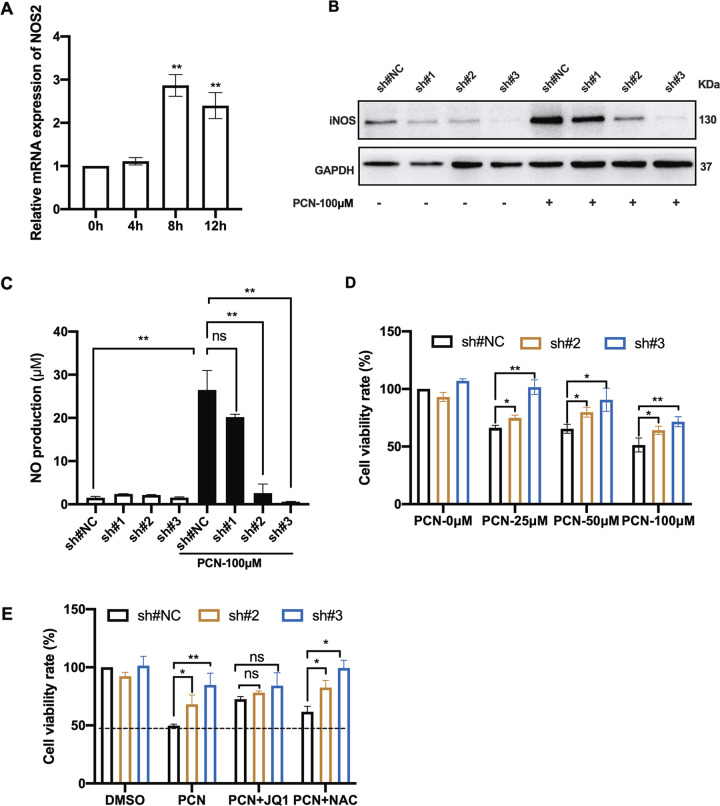
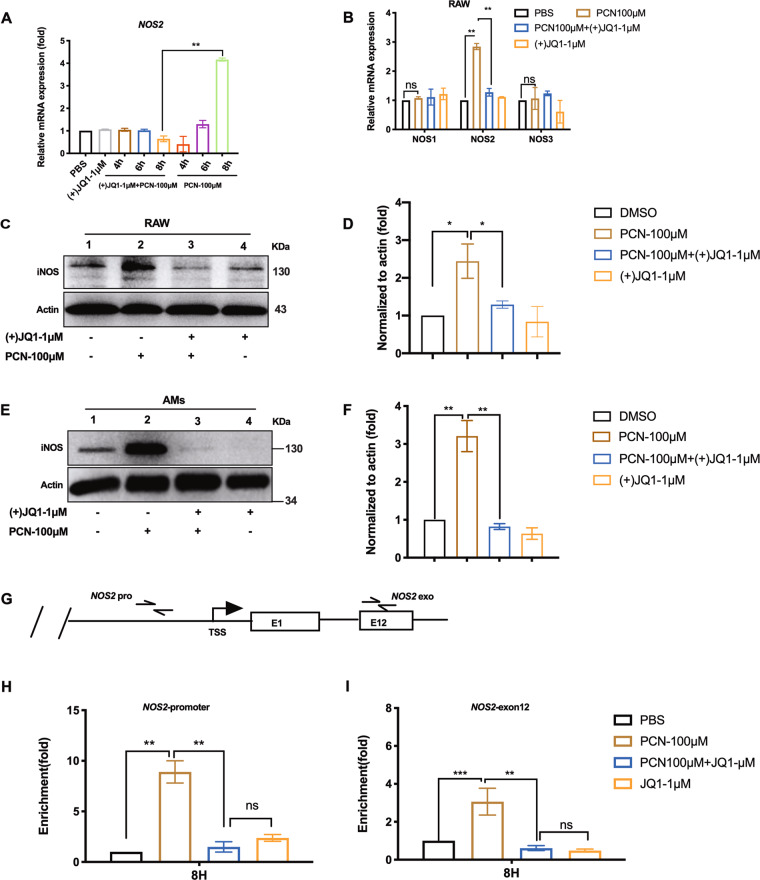
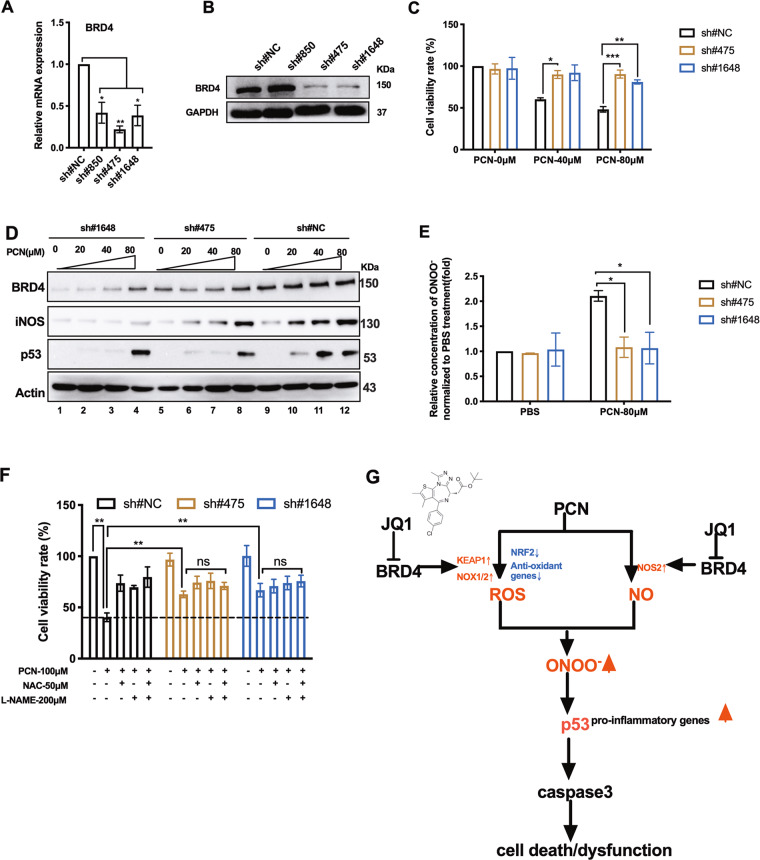
Macrophages play critical roles in the first-line immune defense against airway infections caused by Pseudomonas aeruginosa (PA). The redox-active phenazine-pyocyanin (PCN), as one of the most essential virulence factors, facilities PA-related infection via a wide spectrum of cellular oxidative damages. However, little is known for PCN cytotoxicity in macrophages. In this study, besides showing PCN-mediated reactive oxygen species (ROS) indeed involved in macrophage viability and function impairment, we at the first time demonstrated a novel role of reactive nitrogen species (RNS) pathway causing cellular damage in PCN-challenged macrophages. Using small molecule inhibitor JQ1 targeting Bromodomain and extra-terminal family proteins, we showed restrained iNOS-dependent nitric oxide (NO) production correlated with abolished Brd4 recruitment to the NOS2 (encoding inducible nitric oxide synthase-iNOS) promoter. Application of JQ1 diminished PCN-mediated peroxynitrite (ONOO) that followed ROS and NO induction, restored macrophage survival and bacteria clearance as well as repressed local inflammation in PA/PCN-challenged mice lungs. Our results uncover a novel link between PCN-mediated macrophage dysfunction and reactive free radicals that rely on Brd4-dependent transcription modulation of multiple stress-response genes, suggesting Brd4 could be a promising therapeutic target in treating PA-related lung infection.
巨噬细胞在抵御铜绿假单胞菌 (PA) 引起的气道感染的一线免疫防御中发挥着关键作用。作为最重要的毒力因子之一,具有氧化还原活性的吩嗪-绿脓菌素 (PCN) 通过广泛的细胞氧化损伤促进 PA 相关感染。然而,对于 PCN 在巨噬细胞中的细胞毒性知之甚少。在这项研究中,除了表明 PCN 介导的活性氧 (ROS) 确实参与了巨噬细胞活力和功能损伤外,我们首次证明了活性氮物种 (RNS) 途径在 PCN 挑战的巨噬细胞中引起细胞损伤的新作用。使用靶向溴结构域和末端家族蛋白的小分子抑制剂 JQ1,我们显示受抑制的 iNOS 依赖性一氧化氮 (NO) 产生与 Brd4 募集到 NOS2(编码诱导型一氧化氮合酶-iNOS)启动子的减少相关。JQ1 的应用减少了 PCN 介导的过氧亚硝酸盐 (ONOO),随后是 ROS 和 NO 的诱导,恢复了巨噬细胞的存活和细菌清除,并抑制了 PA/PCN 挑战的小鼠肺部的局部炎症。我们的研究结果揭示了 PCN 介导的巨噬细胞功能障碍与活性自由基之间的新联系,这种联系依赖于 Brd4 依赖性转录对多种应激反应基因的调节,这表明 Brd4 可能是治疗 PA 相关肺部感染的有前途的治疗靶点。