Beijing Advanced Innovation Centre for Genomics, Peking-Tsinghua Centre for Life Sciences, Biomedical Pioneering Innovation Center (BIOPIC), School of Life Sciences, Peking University, 100871, Beijing, China.
Cell Res. 2020 Sep;30(9):763-778. doi: 10.1038/s41422-020-0353-2. Epub 2020 Jun 15.
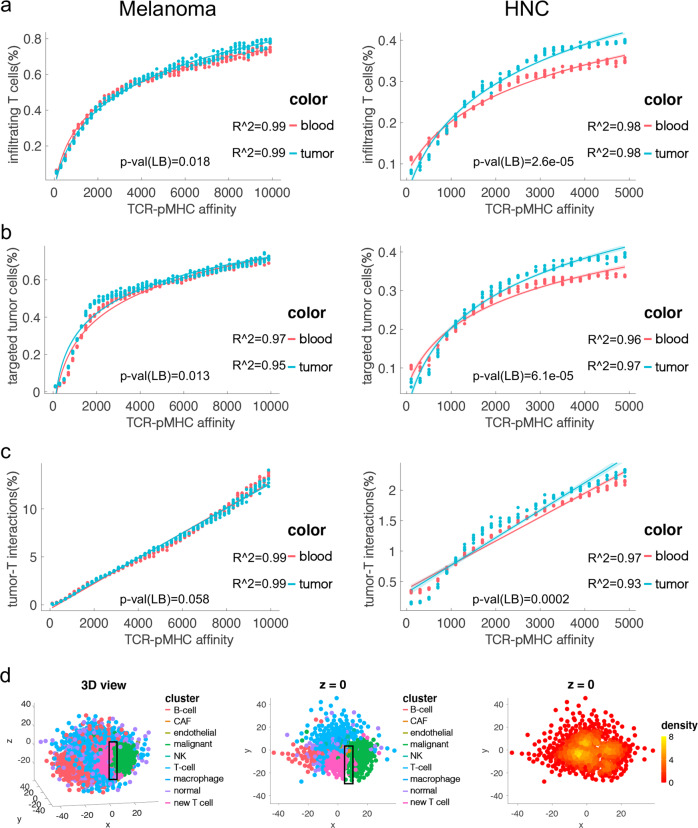
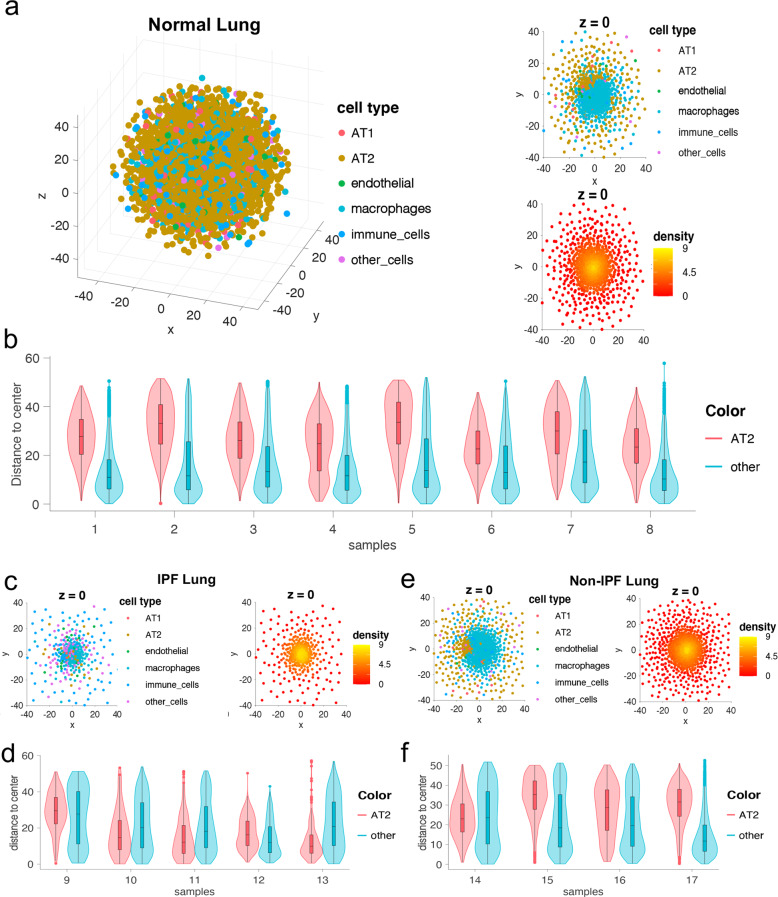
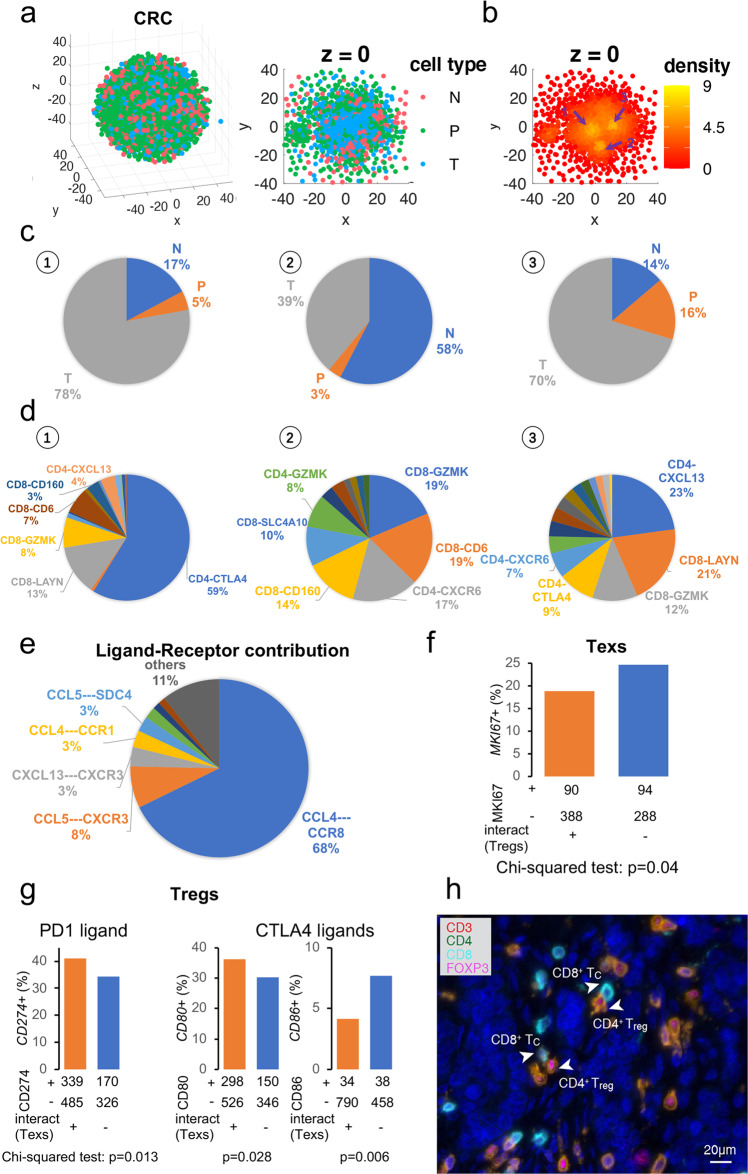
Single-cell RNA sequencing (scRNA-seq) has revolutionized transcriptomic studies by providing unprecedented cellular and molecular throughputs, but spatial information of individual cells is lost during tissue dissociation. While imaging-based technologies such as in situ sequencing show great promise, technical difficulties currently limit their wide usage. Here we hypothesize that cellular spatial organization is inherently encoded by cell identity and can be reconstructed, at least in part, by ligand-receptor interactions, and we present CSOmap, a computational tool to infer cellular interaction de novo from scRNA-seq. We show that CSOmap can successfully recapitulate the spatial organization of multiple organs of human and mouse including tumor microenvironments for multiple cancers in pseudo-space, and reveal molecular determinants of cellular interactions. Further, CSOmap readily simulates perturbation of genes or cell types to gain novel biological insights, especially into how immune cells interact in the tumor microenvironment. CSOmap can be a widely applicable tool to interrogate cellular organizations based on scRNA-seq data for various tissues in diverse systems.
单细胞 RNA 测序 (scRNA-seq) 通过提供前所未有的细胞和分子通量,彻底改变了转录组学研究,但在组织解离过程中会丢失单个细胞的空间信息。尽管基于成像的技术,如原位测序,具有很大的潜力,但目前技术上的困难限制了它们的广泛应用。在这里,我们假设细胞的空间组织是由细胞身份内在编码的,并且可以通过配体-受体相互作用在一定程度上重建,我们提出了 CSOmap,这是一种从 scRNA-seq 推断细胞相互作用的新的计算工具。我们表明,CSOmap 可以成功地在伪空间中重现人类和小鼠的多个器官的空间组织,包括多种癌症的肿瘤微环境,并揭示细胞相互作用的分子决定因素。此外,CSOmap 可以很容易地模拟基因或细胞类型的扰动,以获得新的生物学见解,特别是关于免疫细胞在肿瘤微环境中的相互作用。CSOmap 可以成为一种广泛适用的工具,用于根据 scRNA-seq 数据研究各种系统中不同组织的细胞组织。