Department of Emergency Medicine, Local Health Care Services in Central Östergötland, Linköping, Sweden.
Department of Clinical Sciences Lund, Emergency Medicine, Faculty of Medicine, Lund University, Lund, Sweden.
BMC Emerg Med. 2020 Jun 18;20(1):50. doi: 10.1186/s12873-020-00342-x.
Emergency Department (ED) crowding occurs when demand for care exceeds the available resources. Crowding has been associated with decreased quality of care and increased mortality, but the prevalence on a national level is unknown in most countries.
We performed a national, cross-sectional study on staffing levels, staff workload, occupancy rate and patients waiting for an in-hospital bed (boarding) at five time points during 24 h in Swedish EDs.
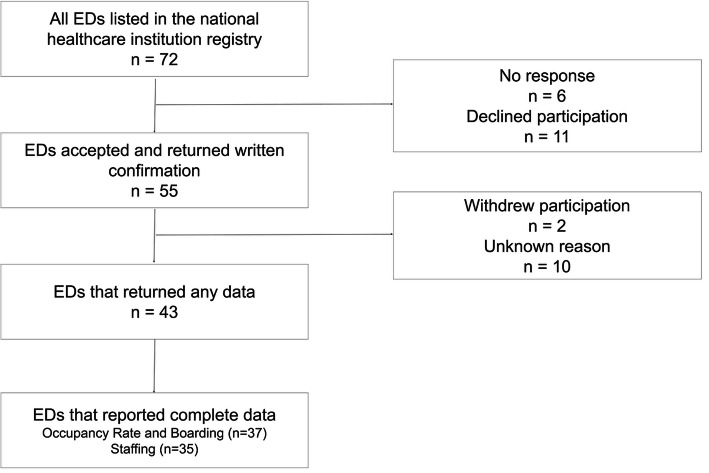
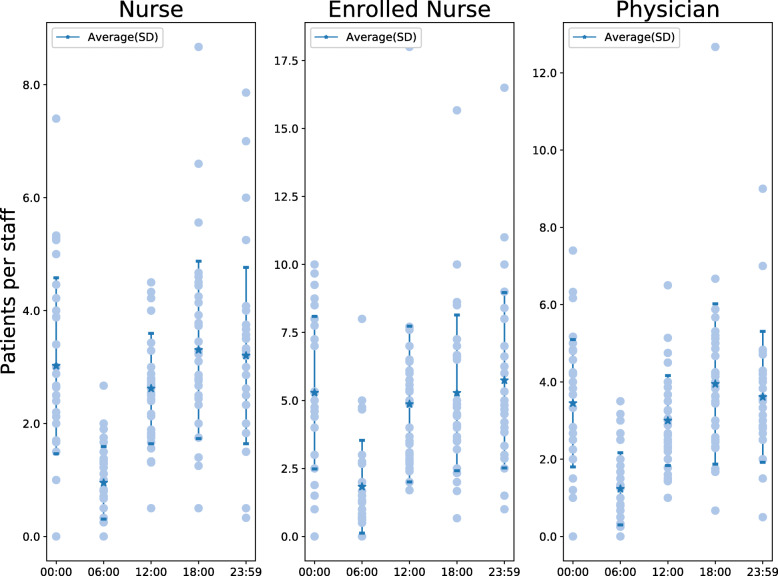
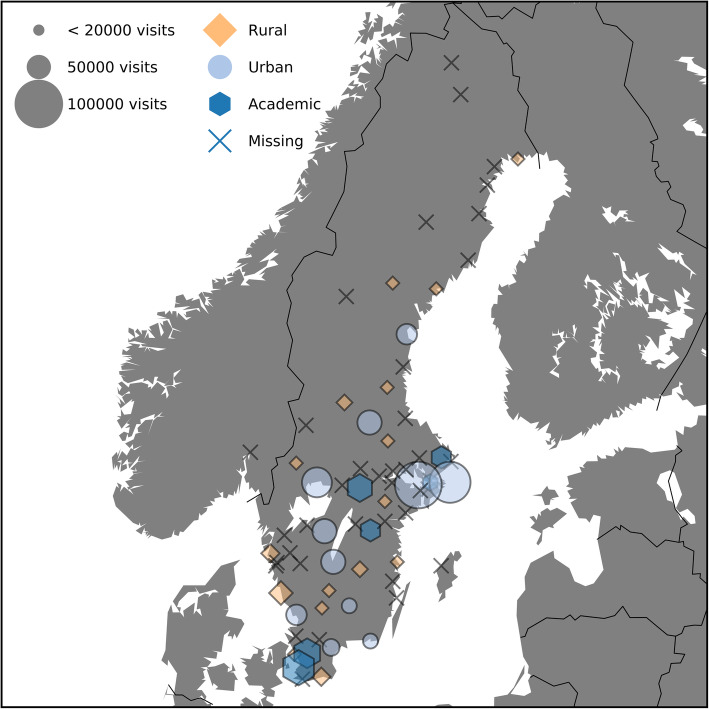
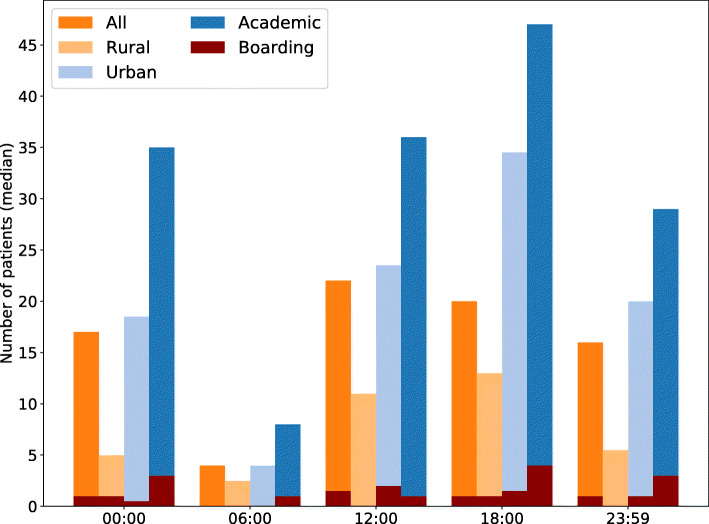
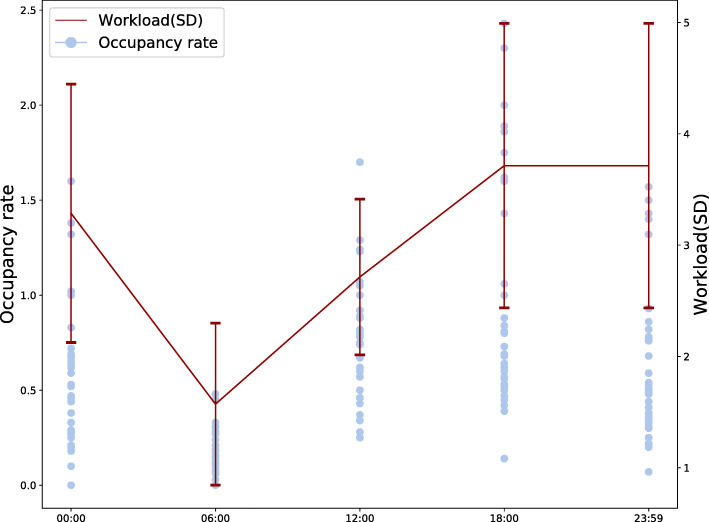
Complete data were collected from 37 (51% of all) EDs in Sweden. High occupancy rate indicated crowding at 12 hospitals (37.5%) at 31 out of 170 (18.2%) time points. Mean workload (measured on a scale from 1, no workload to 6, very high workload) was moderate at 2.65 (±1.25). Boarding was more prevalent in academic EDs than rural EDs (median 3 vs 0). There were an average of 2.6, 4.6 and 3.2 patients per registered nurse, enrolled nurse and physician, respectively.
ED crowding based on occupancy rate was prevalent on a national level in Sweden and comparable with international data. Staff workload, boarding and patient to staff ratios were generally lower than previously described.
当医疗需求超过可用资源时,就会出现急诊科(ED)拥堵的情况。拥堵与医疗质量下降和死亡率增加有关,但在大多数国家,其全国范围内的流行程度尚不清楚。
我们在瑞典 ED 进行了一项全国性的、横断面研究,研究内容包括工作人员配备水平、员工工作量、入住率以及等待住院床位(候床)的患者数量,共在 24 小时内的五个时间点进行。
从瑞典的 37 家(所有医院的 51%) ED 收集了完整的数据。12 家医院(37.5%)在 170 个时间点中的 31 个(18.2%)时间点出现高入住率,表明存在拥堵情况。平均工作量(在 1 到 6 的量表上进行衡量,1 表示无工作量,6 表示工作量非常高)为 2.65(±1.25),属于中等水平。与农村 ED 相比,学术型 ED 的候床情况更为普遍(中位数分别为 3 例和 0 例)。注册护士、注册护师和医生分别平均负责 2.6、4.6 和 3.2 名患者。
瑞典 ED 基于入住率的拥堵情况在全国范围内普遍存在,与国际数据相当。工作量、候床情况和患者与员工比例通常低于先前描述的水平。