Savvides Christina, Siegel Robert
Department of Biomedical Informatics, Stanford University, Stanford, California, USA.
Department of Microbiology and Immunology, Stanford University, Stanford, California, USA.
medRxiv. 2020 Jun 17:2020.06.11.20129072. doi: 10.1101/2020.06.11.20129072.
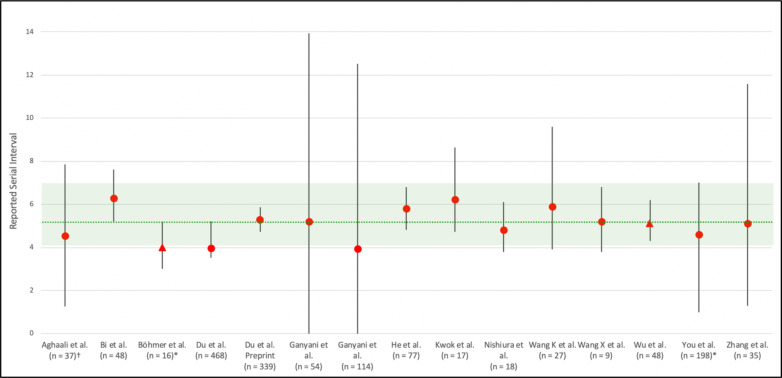
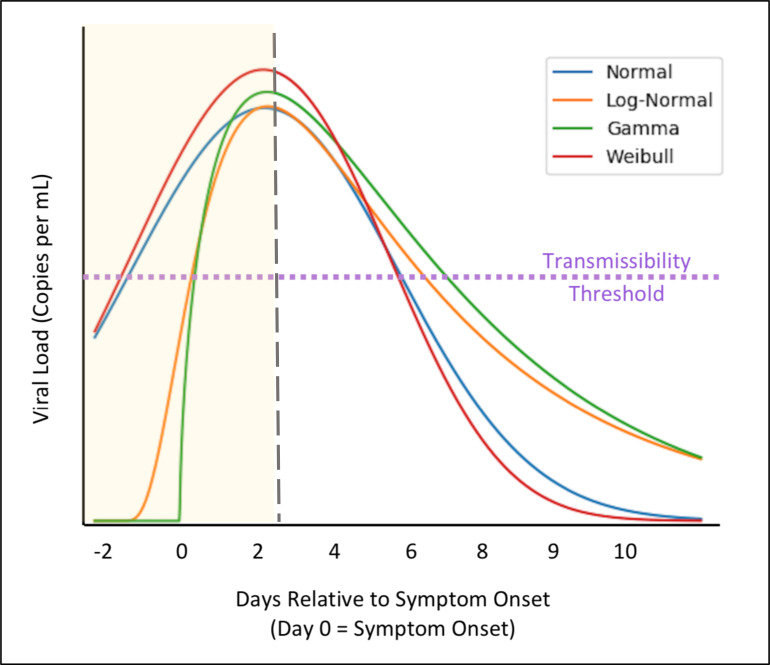
Many of the statutes comprising the shelter-in-place and phased-reopening orders are centered around minimizing asymptomatic and presymptomatic transmission. Assumptions about the presence and relative importance of asymptomatic and presymptomatic transmission are based on case reports, the failing of quarantine measures aimed at sequestering ill patients, viral dynamic studies suggesting SARS-CoV-2 production peaks before symptoms appear, and modeling evidence that calculates serial interval between successive generations of infection. In aggregate, these data offer compelling evidence of asymptomatic and presymptomatic transmission, but individually these studies have notable shortcomings that undermine their conclusions. The purpose of this review is to discuss the literature of asymptomatic and presymptomatic transmission, highlight limitations of recent studies, and propose experiments that, if conducted, would provide a more definitive analysis of the relative role of asymptomatic and presymptomatic transmission in the ongoing SARS-CoV-2 pandemic.
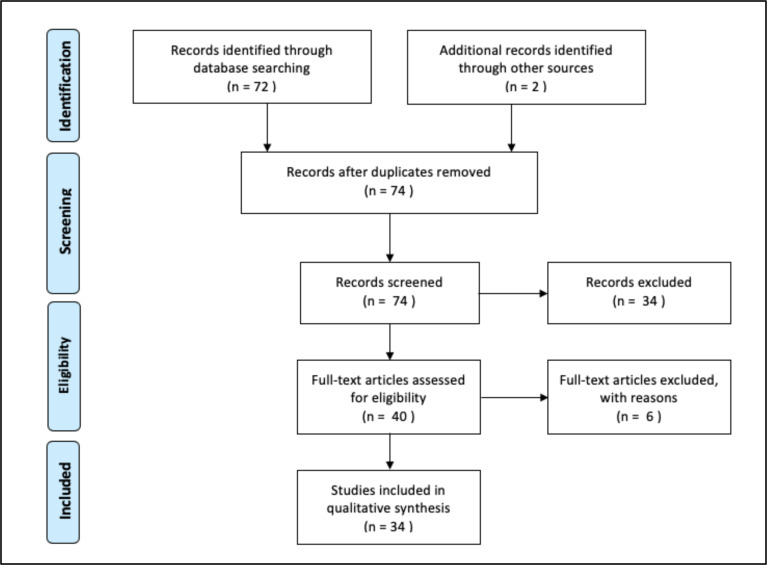
We conducted a systematic review of literature on PubMed using search filters that relate to asymptomatic and presymptomatic transmission as well as serial interval and viral dynamics. We focused on studies that provided primary clinical data.
34 studies were eligible for inclusion in this systematic review: 11 case reports pertaining to asymptomatic transmission, 9 viral kinetic studies, 13 serial interval studies, and 1 study with viral kinetics and serial interval.
Different approaches to determining the presence and prevalence of asymptomatic and presymptomatic SARS-CoV-2 transmission have notable shortcomings, which were highlighted in this review and limit our ability to draw definitive conclusions. Conducting high quality studies with the aim of understanding the relative role of asymptomatic and presymptomatic transmission is instrumental to developing the most informed policies on reopening our cities, states, and countries.
许多构成就地避难和分阶段重新开放命令的法规都围绕着尽量减少无症状和症状前传播展开。关于无症状和症状前传播的存在及其相对重要性的假设基于病例报告、旨在隔离患病患者的检疫措施的失败、表明严重急性呼吸综合征冠状病毒2(SARS-CoV-2)病毒载量在症状出现前达到峰值的病毒动力学研究,以及计算连续几代感染之间的传播间隔的模型证据。总体而言,这些数据提供了无症状和症状前传播的有力证据,但这些研究各自都有显著缺陷,削弱了它们的结论。本综述的目的是讨论无症状和症状前传播的文献,强调近期研究的局限性,并提出一些实验,如果进行这些实验,将能更明确地分析无症状和症状前传播在当前SARS-CoV-2大流行中的相对作用。
我们使用与无症状和症状前传播以及传播间隔和病毒动力学相关的搜索过滤器,对PubMed上的文献进行了系统综述。我们重点关注提供原始临床数据的研究。
34项研究符合纳入该系统综述的条件:11项关于无症状传播的病例报告、9项病毒动力学研究、13项传播间隔研究以及1项包含病毒动力学和传播间隔的研究。
确定无症状和症状前SARS-CoV-2传播的存在和流行率的不同方法存在显著缺陷,本综述对此进行了强调,这些缺陷限制了我们得出明确结论的能力。开展旨在了解无症状和症状前传播相对作用的高质量研究,对于制定关于重新开放我们的城市、州和国家的最明智政策至关重要。