Medical Records Management Department, The First Affiliated Hospital of Zhenghzou University, Zhengzhou, Henan, China.
School of Health Care Management, Tongji Medical University, Huazhong University of Science and Technology, Wuhan, Hubei, China.
PLoS One. 2020 Jun 26;15(6):e0235459. doi: 10.1371/journal.pone.0235459. eCollection 2020.
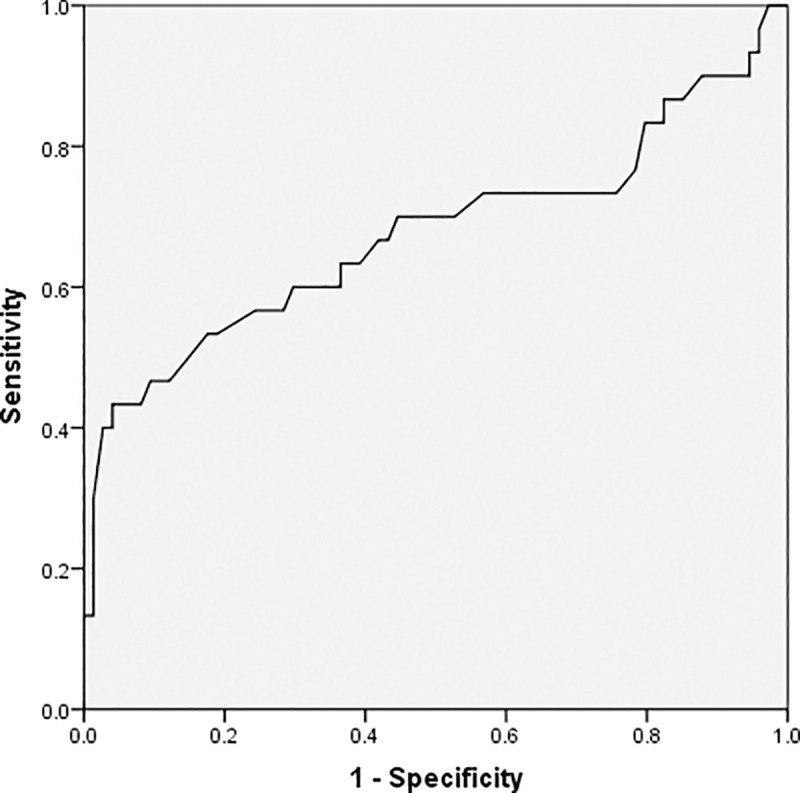
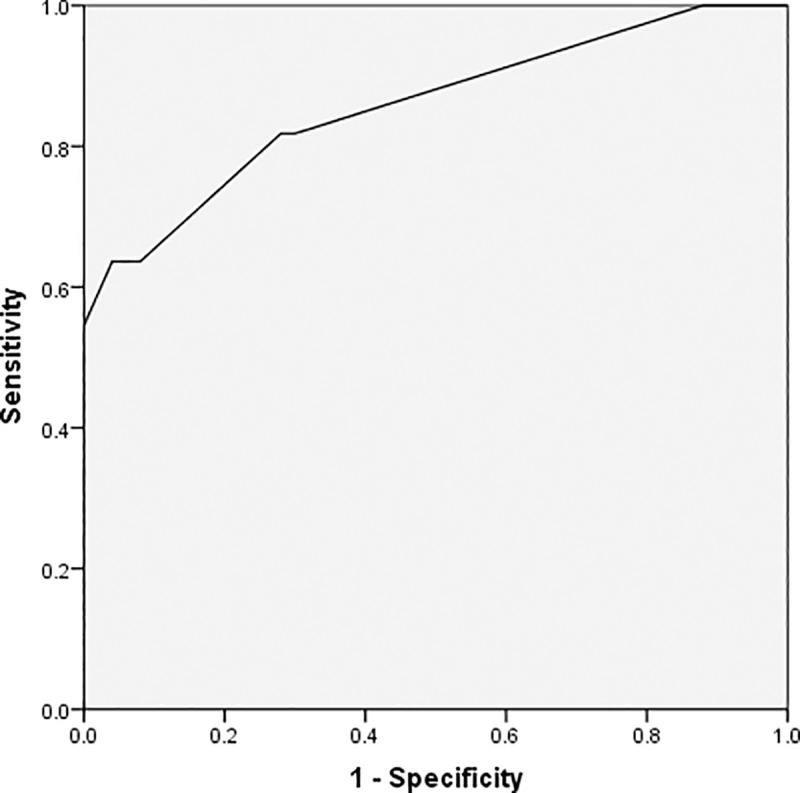
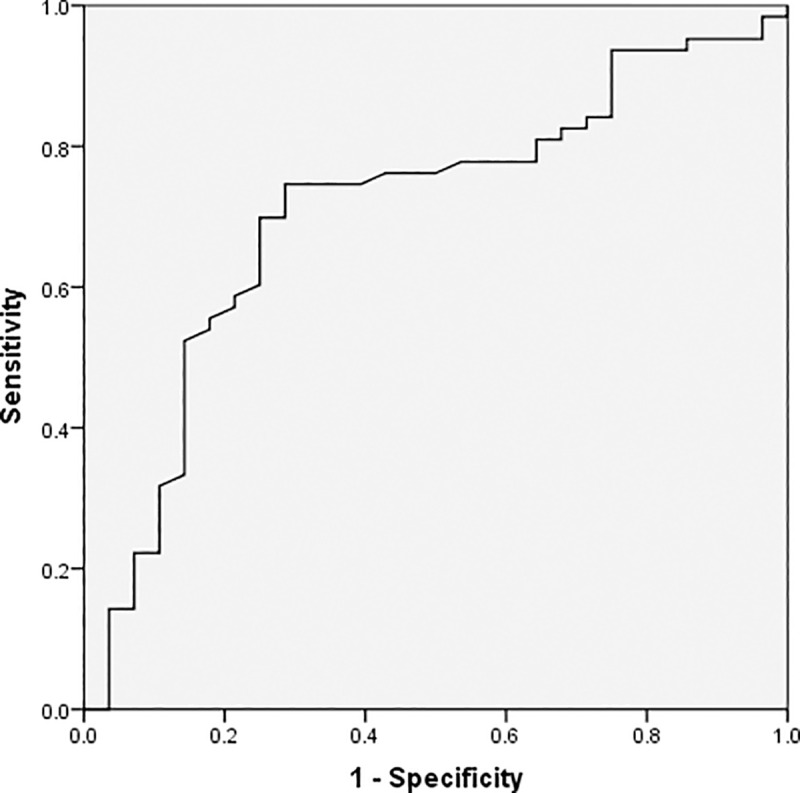
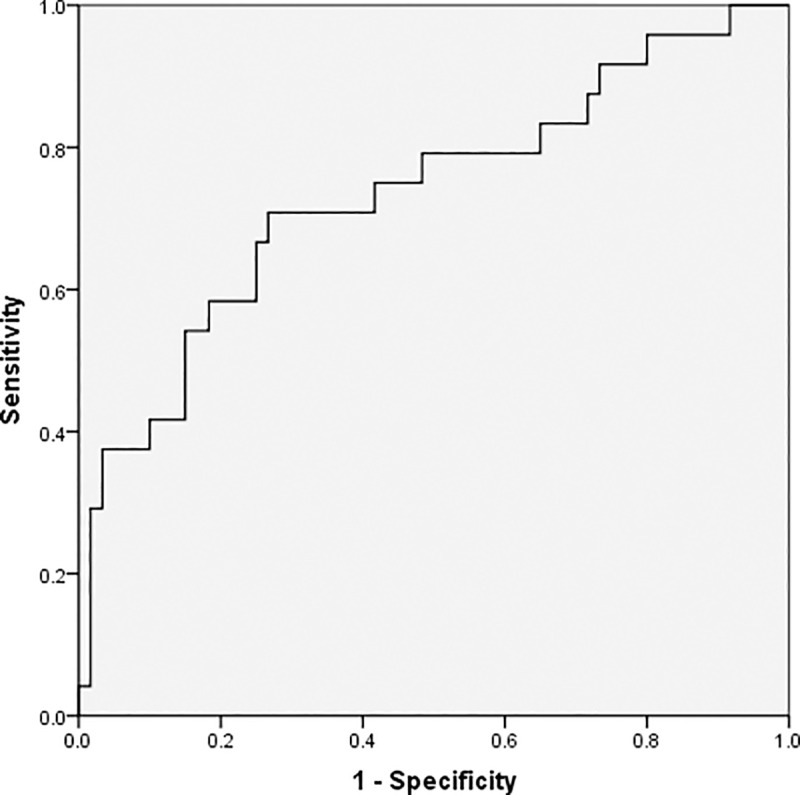
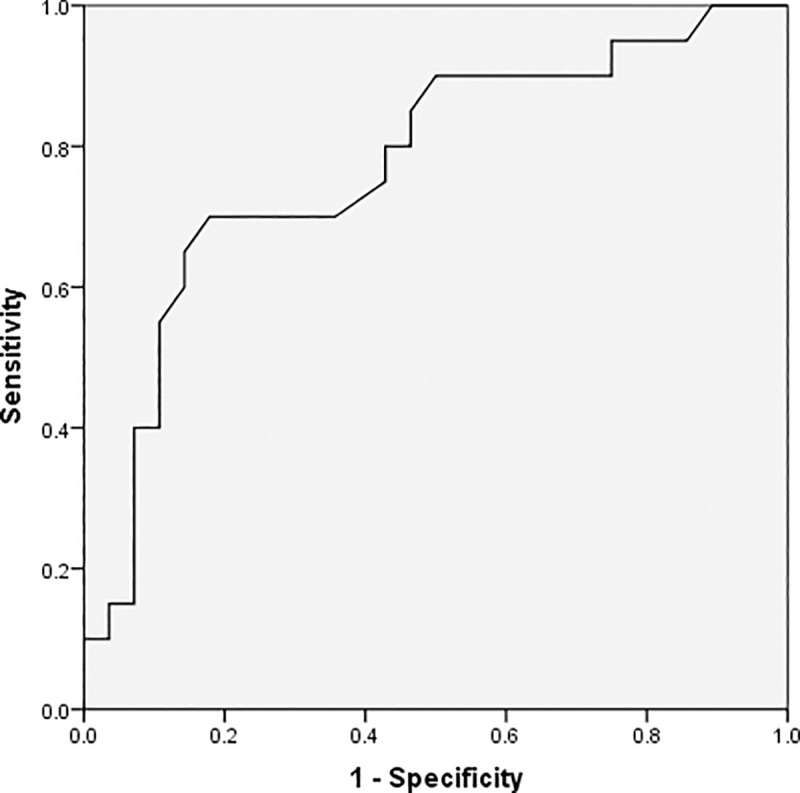
Coronavirus disease 2019 (COVID-19) was first identified in Wuhan, China, in December 2019. Although previous studies have described the clinical aspects of COVID-19, few studies have focused on the early detection of severe COVID-19. Therefore, this study aimed to identify the predictors of severe COVID-19 and to compare clinical features between patients with severe COVID-19 and those with less severe COVID-19. Patients admitted to designated hospital in the Henan Province of China who were either discharged or died prior to February 15, 2020 were enrolled retrospectively. Additionally, patients who underwent at least one of the following treatments were assigned to the severe group: continuous renal replacement therapy, high-flow oxygen absorption, noninvasive and invasive mechanical ventilation, or extracorporeal membrane oxygenation. The remaining patients were assigned to the non-severe group. Demographic information, initial symptoms, and first visit examination results were collected from the electronic medical records and compared between the groups. Multivariate logistic regression analysis was performed to determine the predictors of severe COVID-19. A receiver operating characteristic curve was used to identify a threshold for each predictor. Altogether,104 patients were enrolled in our study with 30 and 74 patients in the severe and non-severe groups, respectively. Multivariate logistic analysis indicated that patients aged ≥63 years (odds ratio = 41.0; 95% CI: 2.8, 592.4), with an absolute lymphocyte value of ≤1.02×10⁹/L (odds ratio = 6.1; 95% CI = 1.5, 25.2) and a C-reactive protein level of ≥65.08mg/L (odds ratio = 8.9; 95% CI = 1.0, 74.2) were at a higher risk of severe illness. Thus, our results could be helpful in the early detection of patients at risk for severe illness, enabling the implementation of effective interventions and likely lowering the morbidity of COVID-19 patients.
2019 年冠状病毒病(COVID-19)最初于 2019 年 12 月在中国武汉被发现。尽管先前的研究已经描述了 COVID-19 的临床方面,但很少有研究关注 COVID-19 的早期严重程度。因此,本研究旨在确定 COVID-19 严重程度的预测因素,并比较严重 COVID-19 患者与轻度 COVID-19 患者的临床特征。本研究回顾性纳入了中国河南省指定医院收治的患者,这些患者在 2020 年 2 月 15 日前出院或死亡。此外,至少接受以下一种治疗的患者被归入重症组:连续肾脏替代治疗、高流量氧吸收、无创和有创机械通气或体外膜氧合。其余患者被归入轻症组。从电子病历中收集了人口统计学信息、初始症状和首次就诊检查结果,并在两组之间进行了比较。采用多变量逻辑回归分析确定 COVID-19 严重程度的预测因素。使用受试者工作特征曲线确定每个预测因素的阈值。共纳入 104 例患者,重症组 30 例,轻症组 74 例。多变量逻辑分析表明,年龄≥63 岁的患者(优势比=41.0;95%可信区间:2.8,592.4)、绝对淋巴细胞值≤1.02×10⁹/L(优势比=6.1;95%可信区间=1.5,25.2)和 C 反应蛋白水平≥65.08mg/L(优势比=8.9;95%可信区间=1.0,74.2)的患者更易发生重症疾病。因此,我们的研究结果可能有助于早期发现有重症风险的患者,实施有效的干预措施,降低 COVID-19 患者的发病率。